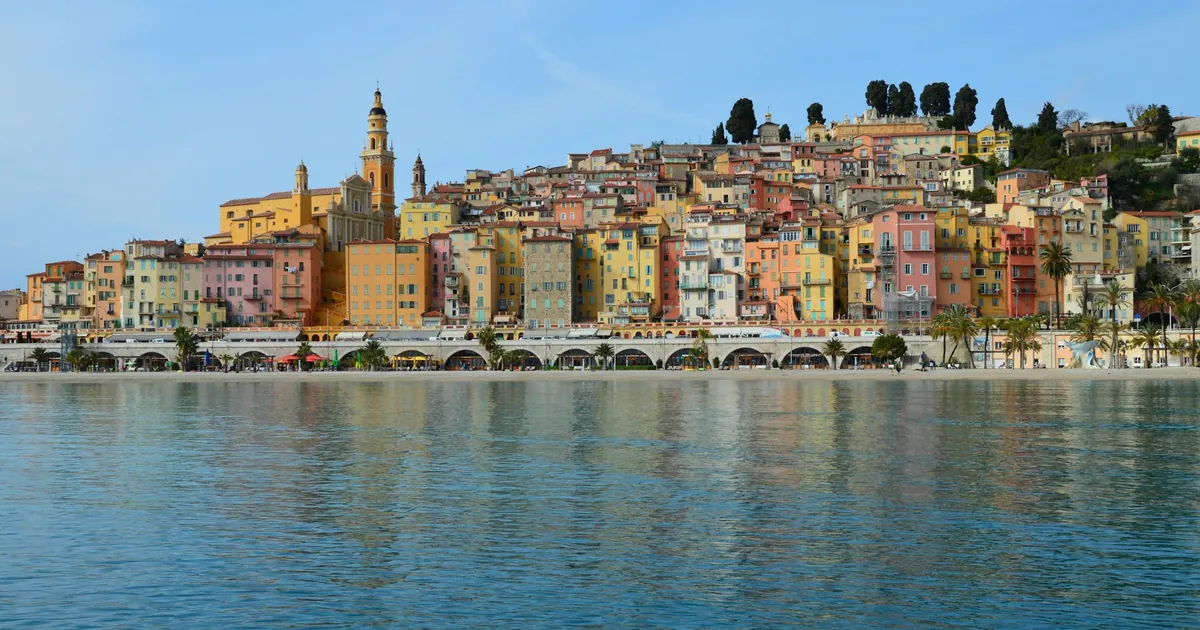
Explore Panama and its Plan B potential, guided by the Freedom Files. See the trip →

Freedom FilesFreedom Files

Residency Abroad for Americans

Legal residency, whether temporary or permanent, is the first move in most Plans B. It's the permit that lets you live somewhere, open a bank account, enroll your children in school, and start the clock toward a second passport. This page covers what residency is, how to narrow 56 programs down to the two or three that fit your goals, what each route costs, and what changes for you as an American once you have one.

What Is Residency?

Residency is permission from a government to live inside its borders for longer than a tourist stamp allows. It isn't citizenship, and it isn't a passport. It's a permit, renewed on a cycle, that gives you the legal right to be somewhere and usually the right to bank, rent, and enroll your family in school and healthcare plans.

Nearly every country issues it in the same sequence. You arrive on a temporary permit, valid for 1-5 years, conditional on whatever qualified you. You renew. And after a set number of years you become eligible for permanent residency, which ends the renewal cycle and usually removes work restrictions. After a further period, if the country allows it, you can apply to naturalize as a citizen.

Where that sequence starts and how long each step takes is the largest difference between one program and the next. Two countries can both sell you a residence permit for a quarter of a million dollars and put you three years apart from a passport.

Rooftops in Lisbon, where the D7 and the Golden Visa both lead to permanent residency

Residency Against Citizenship

What residency gives you

  • The legal right to live there
  • Bank accounts, leases, and school places
  • Local healthcare or a private policy
  • With a Schengen permit: 90 days in any 180
  • A clock toward naturalizing
  • A permit renewed on a cycle
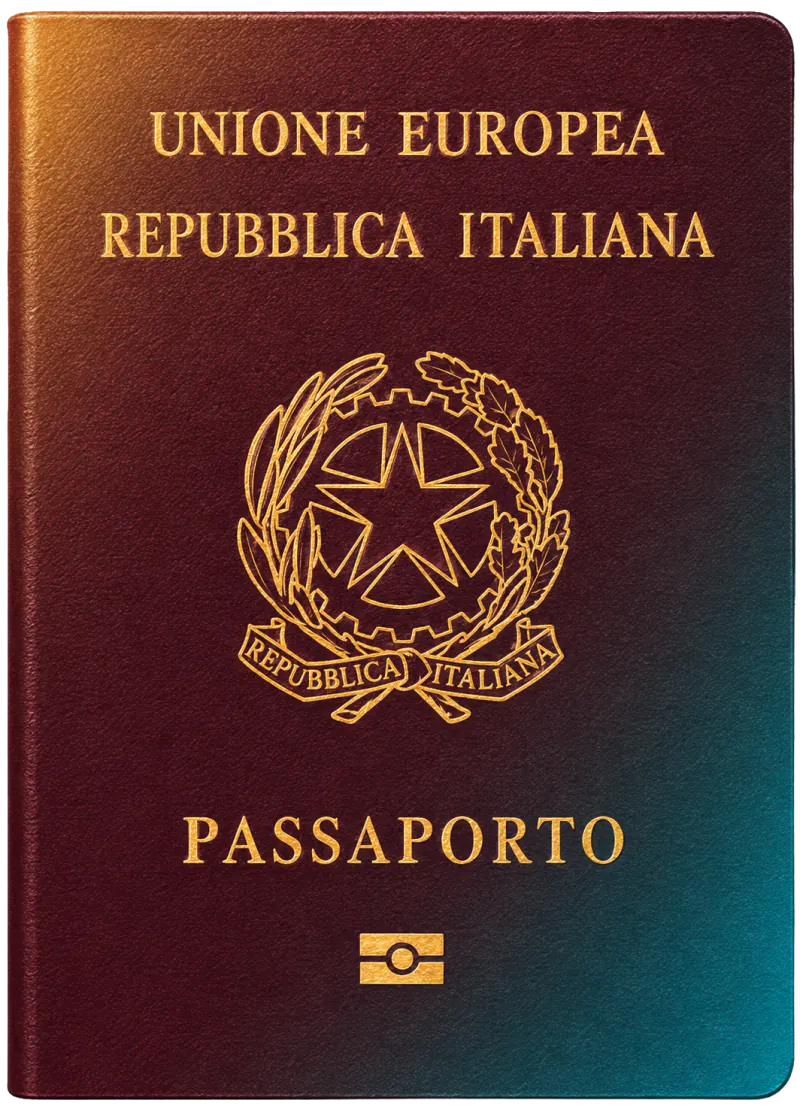
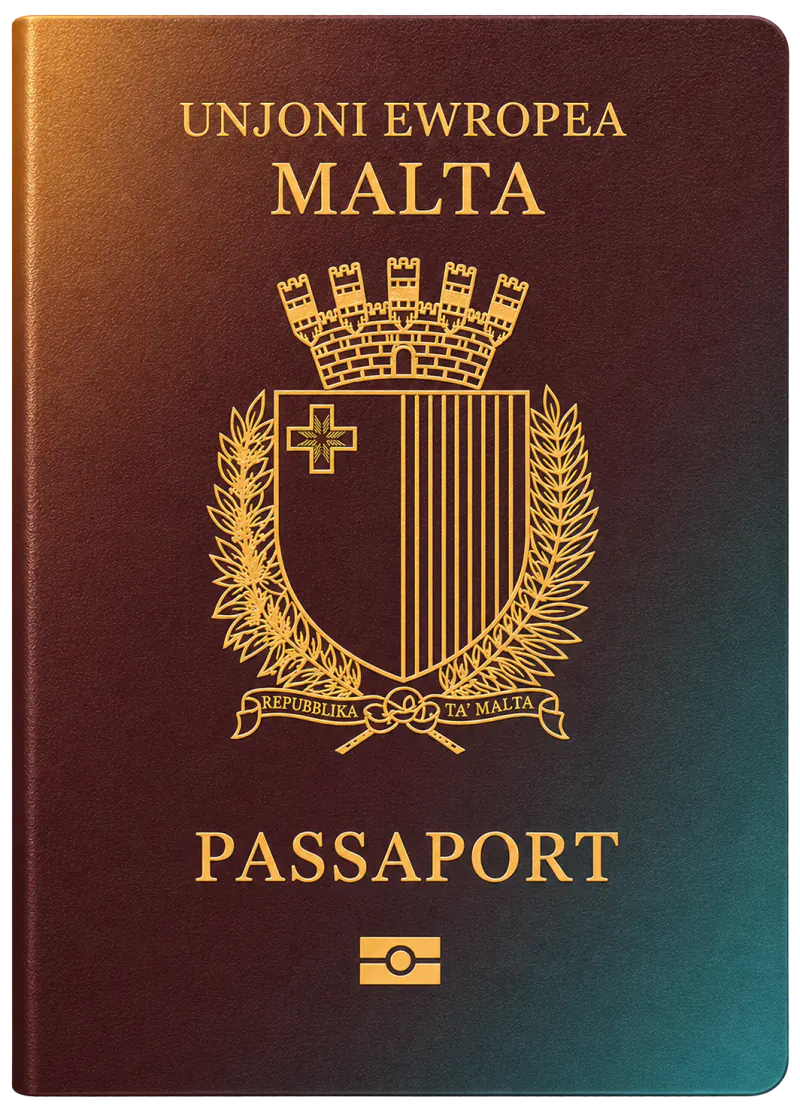
An Italian passport, the document a residency route reaches only at naturalization

What citizenship adds

  • A passport and its visa-free travel
  • No renewal and no conditions
  • The right to live in any of the 27 EU states
  • Transfer to your children
  • A vote and consular protection
  • Nothing a government can withdraw

The Vocabulary You Need to Know

Temporary residence permit
The first permit almost everyone gets. Valid for 1-5 years, renewed on a cycle, and conditional on whatever qualified you in the first place: The investment, the income, or the job.
Permanent residence
The end of the renewal cycle. Work restrictions usually come off, and in most countries the permit survives long absences that would void a temporary one.
Naturalization
Applying to become a citizen after enough years as a resident. It's a separate application with its own requirements, often a language test and a civics exam, and a few countries don't offer it at all.
Physical presence
The nights you have to spend in the country to renew. This is the requirement that disqualifies the most Americans, and it ranges from 7 days every 2 years to more than half the year.
Tax residency
A separate test from your immigration status, with its own rules. You can be a legal resident of a country and owe it nothing, or spend enough nights somewhere on a tourist stamp and become taxable there.

How Do I Sort Through My Residency Options?

Six questions, in the order that eliminates the most programs fastest. Most people start at price, which is the wrong end: Cost separates programs by a factor of ten, but presence requirements and the naturalization clock separate them by whether they work for you at all. Answer these in order and a field of 56 becomes a shortlist of three.

  • How Many Nights Can You Spend There?

    Start here, because presence eliminates more programs than money does. Every permit has a renewal condition, and the nights it demands are the one thing you can't buy your way around.

    Portugal's Golden Visa renews on an average of 7 days a year. Spain's Non-Lucrative Visa expects Spain to become your home.

  • Are You Committing Capital or Proving Income?

    The routes split cleanly in two. One wants a lump sum placed in property, a fund, a business, or a deposit, most of it recoverable on exit. The other wants no capital, only proof that money arrives every month.

    Colombia's Investor Visa wants $50,000 in a business or $175,000 in property. Its Pensionado Visa wants proof of $1,200 a month and nothing else.

  • Do You Want a Passport at the End?

    Residency and citizenship are different products, and a program that's excellent at one can be useless at the other. If the goal is a passport, the naturalization clock is what counts.

    Paraguay and Argentina can put a family 2-3 years from naturalizing. Spain and Italy want 10.

  • Who Else Is on the Application?

    Every program has its own definition of family, and the differences are large enough to change which one wins. Some include adult children in study, some include both sets of parents, and some charge per person.

    Greece's Golden Visa includes a spouse and children under 21 inside the same €250,000 investment. Several programs charge a government fee per dependent on top.

  • What Happens to Your Tax Picture?

    Becoming a tax resident somewhere is a decision, not a side effect. A few countries tax your worldwide income the moment you qualify. Others have a regime for new arrivals that lasts a fixed number of years.

    Italy caps foreign income at a flat annual figure. Panama taxes territorially, so income earned outside the country isn't taxed there at all.

  • How Fast Do You Need It?

    Published processing windows leave out your own paperwork, most of which comes from US agencies and adds months at the front. Plan on the full process, not the government's part of it.

    Panama's Qualified Investor Visa processes in 4-6 months. Portugal's Golden Visa is 2-4 years.

What Are My Options for Residency?

Every residency program we offer belongs to one of three families. The names change by country, and the marketing around them changes more, but the underlying bargain is one of these three. Figures span the programs in our library rather than a single country's.

RouteWho it fitsWhat you commitCitizenship pathPrograms
Investment visasInvestors and entrepreneurs. You have capital to place and want the shortest path to a card, usually with a passport at the end.€250,000-$750,000 placed in property, a fund, a business, or a deposit. Most of it is recoverable on exit. Some programs take a fee instead.Usually, after 5-10 years of residency
Passive income visasRetirees, dividend investors, and landlords. You're retired, living on investments, or drawing a pension, and you'd rather prove income than place capital.Proof of €920-$7,400 a month in income, or savings in place of it. Nothing invested and nothing at risk.Usually, and often on the same clock as the investment routes
Remote work visasDigital nomads and online entrepreneurs. You earn from clients or an employer outside the country and want a legal base without touching your capital.Proof of $1,200-$3,500 a month earned abroad, plus private health insurance. Nothing invested.Sometimes. Several of these permits don't count toward naturalizing
Country pages give the thresholds, the step-by-step, and a fee calculator for a single program.

Two distinctions do most of the work here. The first is whether your money comes back: An investment usually returns the capital when you exit, while a fee never does, which is why Malta's residence program at €99,000 in fees and a €250,000 Greek purchase can cost about the same over ten years. The second is whether the permit counts toward naturalizing, because several of the fastest and cheapest permits lead nowhere by design.

Our team works through all three families with you rather than selling one. If a $1,200-a-month pension qualifies you for the same country a $175,000 purchase would, we'll tell you, even though the smaller engagement is the one that pays us less.

Every Residency Program We Offer

Filter by region, investment level, and what the country is good at. Each card opens the country page, where the programs list their thresholds, document lists, processing windows, and a calculator that totals the government and third-party fees for your household.

What Americans Need to Know

An American applicant has a different set of problems from a Canadian or a Brit with the same budget, and most program marketing is written for neither. These are the six that change decisions, and two of them have sunk engagements that looked fine on paper.

  • You file in the US either way

    The US taxes citizens on worldwide income wherever they live. Moving doesn't change whether you file. It can change what you owe: The foreign earned income exclusion covers the first $132,900 for 2026, and foreign tax credits offset much of the rest. Both need a filed return.

  • Fund routes can be a PFIC trap

    Some golden visas place your capital in a local pooled fund. To the IRS that's a passive foreign investment company: Punitive rates and an annual Form 8621. The property or deposit version of the same program usually avoids it. We tell you which is which before anything is wired.

  • Your foreign accounts get reported

    Foreign accounts totalling more than $10,000 at any point in the year trigger an FBAR. Form 8938 starts higher, with thresholds that vary by filing status and whether you live abroad. The local account you open to fund a purchase counts toward both.

  • Your state may not release you

    Leaving the country doesn't end state tax residency. California, New York, and others apply a domicile test that looks past your mailing address to where your home, family, licenses, and registrations are. Leaving from a no-income-tax state is a much cleaner exit.

  • The paperwork starts on the US side

    Before any country reviews you it wants an FBI identity history summary, birth and marriage certificates from the issuing state, and an apostille on each. The FBI check alone takes weeks. Starting it early is the cheapest way to compress a timeline.

  • Medicare doesn't travel with you

    Social Security pays into most foreign accounts without trouble. Medicare covers almost nothing outside the US, so the health cover a program requires, whether a public system you join or a private policy you buy, belongs in the budget.

None of this is tax or legal advice. We tell you where your filing picture changes and we work alongside your CPA before anything is signed. If you'd rather do it yourself, the sources are the IRS instructions for Forms 2555, 8621, and 8938, and the FinCEN filing page for the FBAR.

Residency, Covered in Depth

54 articles on residency programs, renewals, presence requirements, and what the process looks like from the inside.

More on residency

Common Questions

  • Lisbon rooftops in late afternoon light

    How long does it take to get residency in another country?

    4-18 months for most programs, measured from the first call to the card in hand. The published government window is only part of it: A complete document file takes 1-2 months to assemble because the FBI check and state apostilles set the pace, and choosing and closing on an investment adds 2-5 months more. Panama's Qualified Investor Visa processes in 4-6 months. Portugal's Golden Visa is 2-4 years.

  • Which country has the easiest residency for Americans?

    For a family living on passive income, Panama and Paraguay are the lightest lift: Modest income or deposit requirements, and renewal conditions an American who visits a few times a year can meet. For an EU base, Portugal's D7 has the lowest income threshold in Western Europe at €920 a month. Easiest depends on what you want at the end, which is why we start with presence rather than price.

  • Medellín hillside neighborhood at dusk

    Can I get residency abroad without investing money?

    Yes. More than half the programs we offer want proof of income rather than a capital commitment. Passive-income routes such as Portugal's D7, Panama's Pensionado, and Colombia's Pensionado qualify you on documented monthly income. Remote-work routes such as Spain's and Colombia's digital nomad visas qualify you on earnings from outside the country. You pay government and filing fees in every case, but nothing is placed at risk.

  • Does residency abroad lower my US taxes?

    Not by itself. Your filing obligation follows your citizenship, not your address. What residency abroad can unlock are the provisions that reduce the bill: The foreign earned income exclusion if you meet the physical presence or bona fide residence test, and foreign tax credits for income taxed in your new country. A territorial-tax country such as Panama means a second government takes no share of your foreign income, which is a different benefit from reducing what the US takes.

  • Avenida de Mayo architecture in Buenos Aires

    How long before residency turns into citizenship?

    Between 2 and 10 years, depending entirely on the country. Argentina and Paraguay are at the short end. Portugal is 5 years. Spain and Italy want 10 from an American. A few programs don't lead to citizenship at any length of residency. Naturalization also usually comes with a stricter presence requirement than renewal does, so a permit that's easy to renew is not always a permit that counts.

  • Can my spouse and children come with me?

    On every program we offer, yes, though the definition of family and the cost of adding each person differ widely. Greece includes a spouse and children under 21 inside the same €250,000 investment. Several programs extend to parents and to adult children in full-time study. Others charge a per-person government fee on top. We price the application for your household rather than for one applicant, because the per-person figures are where budgets usually slip.

  • Do I have to live there full time?

    Rarely. Investment routes tend to have the lightest conditions, sometimes as little as an average of 7 days a year. Income-based routes often expect the country to become your home, and long absences can put a renewal at risk. If you want a permit you can renew from the United States, that single question narrows the field faster than any other.

Where to Go Next

If a passport rather than a permit is the goal, the citizenship pillar covers the four routes to one, including the two that cost nothing. If you'd rather browse by country, every destination we offer is on one map.

Get Your Free Plan B Blueprint

Answer ten questions in two minutes, and we’ll match you with the residency and citizenship programs that best fit your goals.

What do you want from your Plan B?