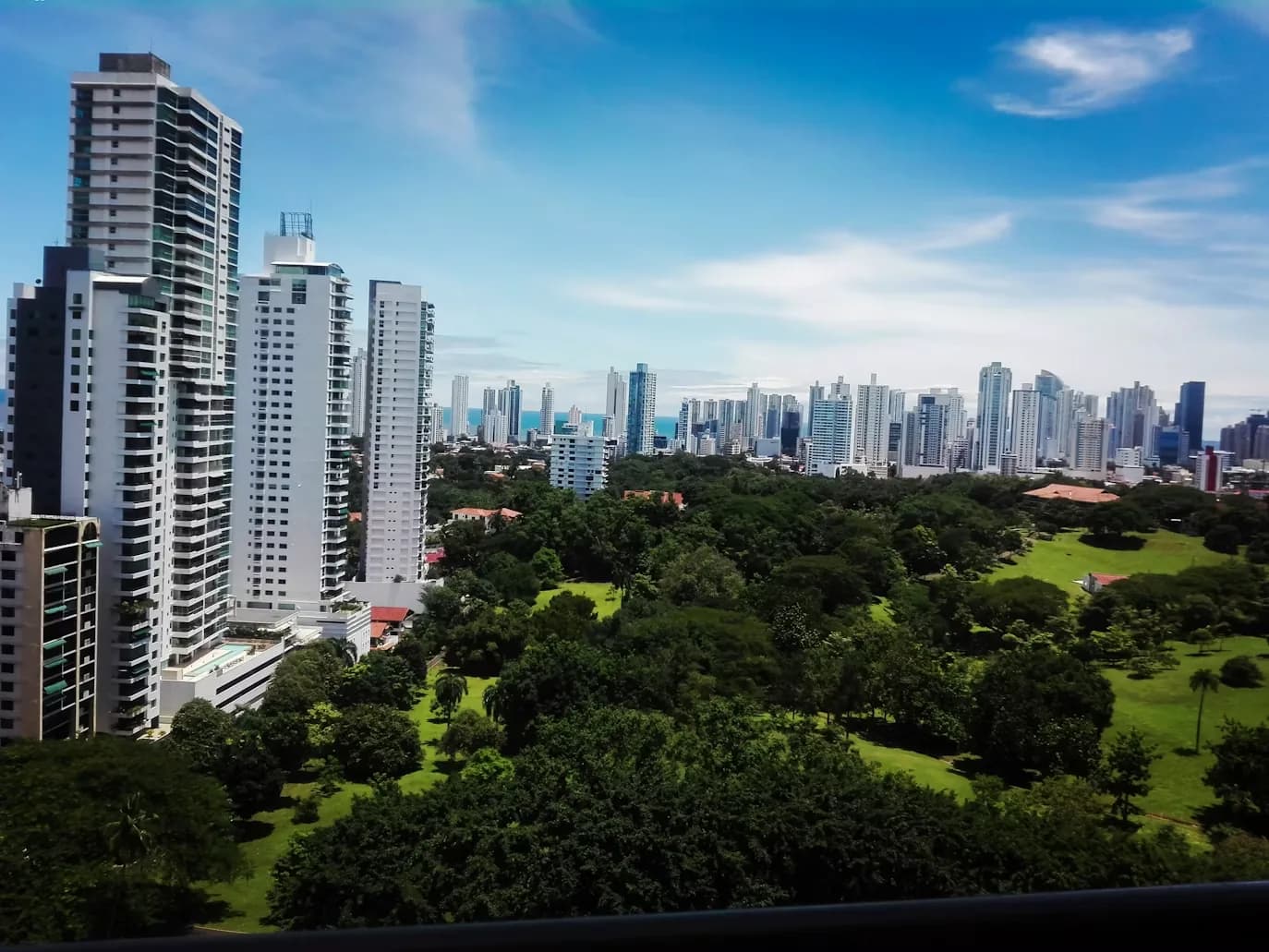
On September 16, Panama's Official Gazette published Executive Decree No. 17, and the residency price for anyone buying a resale home jumped from US$300,000 to US$500,000. A buyer who picks a new, empty unit from its developer qualifies at the old US$300,000 figure, as IMI Daily's breakdown of the decree shows.
So the Panama investor visa 2026 rules give property two prices, and the US$200,000 gap between them will shape what most foreign buyers purchase there over the next few years. In practice, the decree hands every new project in Panama a US$200,000 head start over the resale unit beside it.
I like that Panama wants more homes built, and the new protections for off-plan buyers are overdue. My concern is the gap itself. It works as a government price signal that pushes buyers toward developer stock, and the buyer pays for that push with a narrower choice of homes.
What Decree 17 Changed for Panama's Qualified Investor Visa
President José Raúl Mulino and Minister of Public Security Frank Alexis Ábrego signed the decree on September 8, and it took effect on publication. It replaces Decree 722 of 2020, which created the program, along with its 2022 and 2024 amendments. The US$300,000 figure began in 2020 as a temporary discount on a US$500,000 floor, and Panama made it permanent in October 2024.
| Rule | What it does | Ends |
|---|---|---|
| Resale property | US$500,000 for any home previously sold to an unrelated party or occupied | No end date |
| New first-sale property | US$300,000 for a new, empty unit bought from its developer | No end date |
| Off-plan contract | US$300,000 through a bank trust, or 100% payment backed by a bank guarantee | 3 years maximum of residency on promise-of-sale contracts |
| Developer default | 180 business days to switch investments, with one replacement off-plan contract allowed | Clock starts the day after the missed deadline |
| Panama securities | US$500,000 through a licensed broker, now including registered funds and Panama government debt | 5-year minimum |
| Fixed-term bank account | US$750,000 at a private bank, or US$500,000 at Banco Nacional or Caja de Ahorros | 5-year minimum |
| Annual filing | You file proof of your investment with MICI, the commerce ministry, each year | Within the 30 days before each anniversary |
| Grandfather rule | Investments and binding contracts signed before the decree can use the old US$300,000 rule | File within 6 months, by around mid-March 2027 |
Several pieces of this package deserve credit. Off-plan buyers who pay a developer in full now get an irrevocable bank guarantee, and it pays out if the developer misses its construction or title deadlines.
On top of that, securities investors get protection from market drops outside their control, provided they restore the US$500,000 within 90 days of MICI's notice. Citizenship also enters the program for the first time, open to investors and their dependents after 5 consecutive years of residence.
Who Wins Under Panama's Two-Price Property Rule
At first, the decree reads as pro-growth. New buildings employ crews and buy cement, and the decree's preamble says resale deals create far fewer new jobs. On that logic, a US$200,000 discount for new builds sends foreign money where it does the most work.
But the same preamble lists a second goal: To reduce the existing primary inventory. In plain words, Panama has new units that developers built and have yet to sell. So a good share of the incentive helps clear finished stock, and finished stock adds no new construction jobs.
My read goes one step further. When a government steers buyers toward unsold stock, the usual reason is that the stock struggles to sell at its asking price. In that case, the decree uses residency to do the work that price cuts would otherwise do.
From a free-market view, that gets the order wrong. A buyer with US$400,000 who finds better value in an older condo with more space should be able to buy it and qualify. Developers should win that buyer on price and product, and a US$200,000 penalty on the resale choice lets the state pick the seller.
Then there's the person on the other side of that deal. Picture a Panamanian family that owns a US$400,000 resale condo in a building popular with visa buyers. Before September 16, a foreign buyer could use that unit for residency. Now that buyer needs US$100,000 more in property, so the family loses part of its buyer pool overnight.
In fact, the visa buyer is a small slice of Panama City's property market. Most homes there change hands between locals and foreign buyers who never apply for residency. So resale prices will feel a small dent at most, and the construction boost will be modest for the same reason.
The strongest case for the resale cap comes from housing access. Supporters say a higher resale figure eases pressure on the local market and protects access to housing for Panamanians. That concern is fair, because foreign money in a small market can push local buyers out of older, cheaper homes.
Even so, visa purchases are a thin slice of demand. The resale cap adds zero homes to the market. New supply brings prices down for local families over time, and the new-build tier is the part of the decree that adds it.
Meanwhile, the decree adds a check I like. MICI counts the lower of the price you paid and the property's supported market value, and it can order an independent appraisal at your cost. So a developer who inflates a price to clear the US$300,000 mark puts your application at risk, which gives you a reason to push back on price.
What the Panama Investor Visa 2026 Rules Mean for an American Buyer
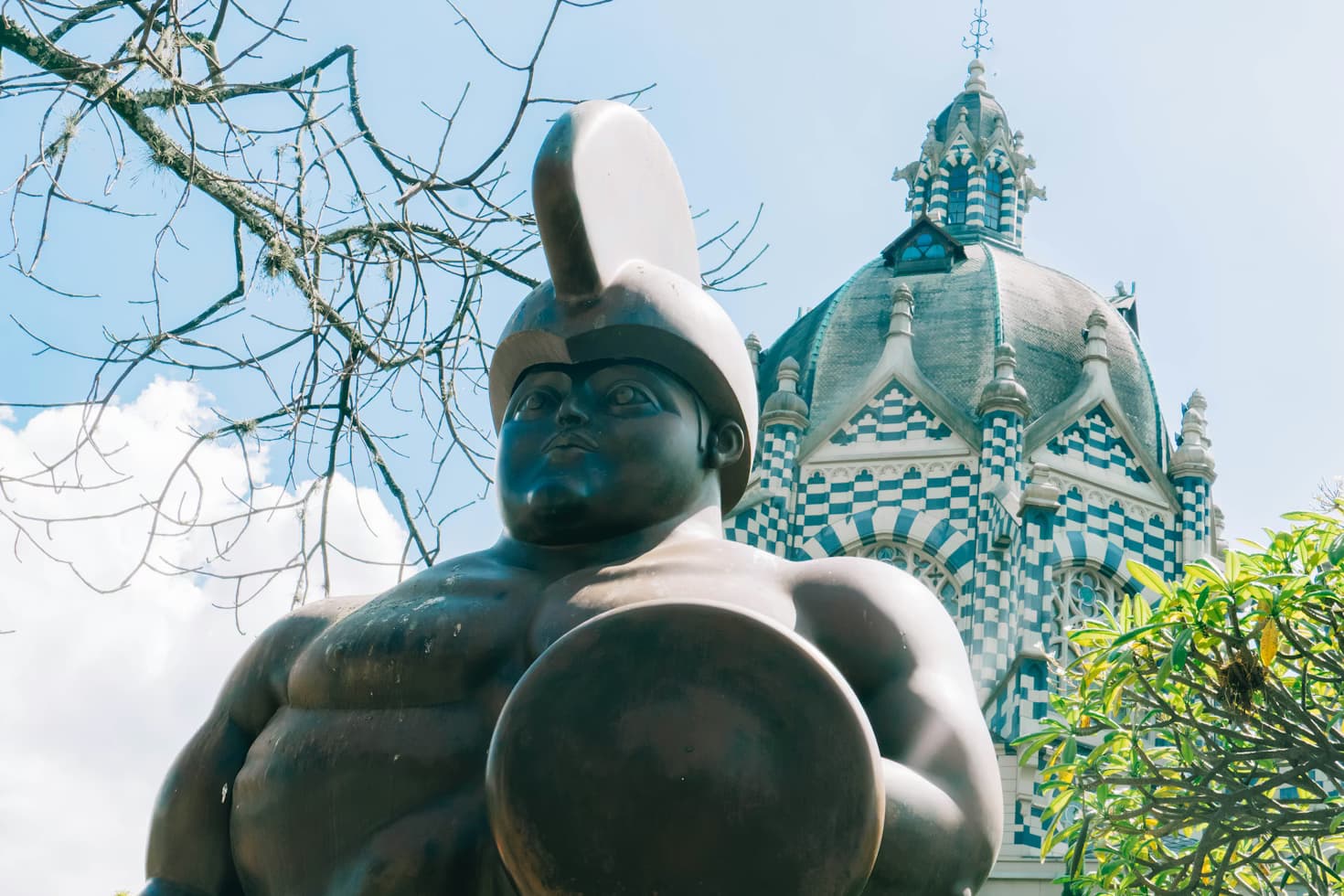
My own rule for property abroad comes from experience. I have a Colombian investor visa in my own name, and the Medellín property I bought doubled in value in 3 years. That taught me to judge a purchase on its price first and its visa second, and Panama now makes that harder because it ties the cheaper visa to one kind of property.
To see why, say you have US$350,000 to put into Panama. A new unit from a developer at that price qualifies. A resale condo at the same price fails, and to qualify through resale you'd need to find another US$150,000.
Put another way, the resale route costs US$200,000 more than the new-build route at the bottom of the scale. If that US$200,000 earned 5% a year somewhere else, it would pay you US$10,000 a year, or about US$833 a month.
Many buyers assume a mortgage can close the gap. Panama subtracts any lien from the value, so a US$500,000 resale with a US$200,000 mortgage counts as US$300,000 and fails. Financing helps only with the part above the minimum, and you can now use any lender, as long as you can document and trace the money.
Several headlines also say Panama raised its residency price to US$500,000. For new builds and off-plan contracts, the figure is US$300,000.
Off-plan buyers face a new clock, though. If the developer defaults, you get 180 business days to switch, and you can use a new off-plan contract only once. Residency that rests on promise-of-sale contracts alone ends after 3 years in total, so a weak developer can cost you the permit.
Family money also needs planning. The decree counts only your own funds with a traceable path, so a gift from a parent toward the purchase falls outside the minimum.
What Happens Next for Panama Residency by Investment
Buyers who invested or signed binding contracts before the decree can use the old single US$300,000 rule if they file within 6 months of September 16. Resale buyers with signed contracts gain the most from that window. People with Panama's Own Economic Solvency permit get 12 months to switch into the Qualified Investor category if they meet the new minimums.
Then there's citizenship. The decree opens it after 5 consecutive years of residence, but it sets no physical presence rule. Eduardo Arango, then Vice Minister of Internal Commerce, promoted a route with one trip every two years. We'd treat that as a hope. A naturalization file with a few short trips in 5 years invites a rejection, and the decree gives you nothing in writing to argue with.
Until Panama writes a presence rule down, I'd plan on time in the country. Each year, within the 30 days before your approval anniversary, you also file proof of the investment with MICI. If you sell or swap the asset before year 5, you have 30 days to tell MICI and up to 90 days to reinvest, or Panama cancels the permit.
When we review a Panama deal, the first question we ask is whether the title history puts the unit in the US$300,000 tier or the US$500,000 tier. If you're weighing a purchase in Panama, get in touch with us before you sign anything. This article is general information and is no substitute for legal or tax advice on your case.
How Panama Compares with Its Latin American Neighbors
Panama's new-build route at US$300,000 is mid-priced for Latin America. Buyers who look at Panama usually price Costa Rica, Colombia and Paraguay too, and each one asks for less money in property.
| Country | Latest move | Effect on a long-term owner |
|---|---|---|
| Panama | Decree 17 (September 2026) split property into US$300,000 new and US$500,000 resale (details) | Permanent residency from approval; citizenship possible after 5 consecutive years |
| Costa Rica | Investor residency from US$150,000 in property under Law 9996 (details) | Two-year temporary residency, renewable, with a path to permanent status |
| Colombia | Property route set at 350 monthly minimum wages, about COP 613 million for 2026 (details) | The peso figure resets each January with the minimum wage |
| Paraguay | US$200,000 in property qualifies for permanent residency (details) | Permanent residency at once, with naturalization possible after 3 years |
Panama Investor Visa FAQ
Can I Get Panama Residency with US$300,000 in 2026?
Yes, if you buy a new, empty unit directly from its developer or sign an off-plan contract backed by a bank trust or a bank guarantee. Resale homes now need US$500,000.
What Counts as Resale Property Under Panama's Decree 17?
Any home an owner has previously sold or rented to an unrelated party counts as resale, and so does any unit someone has occupied. An inheritance or a corporate reorganization leaves a unit's first-sale status in place.
Can I Use a Mortgage to Reach Panama's US$500,000 Resale Minimum?
Only for the amount above the minimum. Panama subtracts any lien from the value, so the net figure after the mortgage must reach US$500,000.
What If I Signed a Panama Property Contract Before September 16, 2026?
You can use the old single US$300,000 rule if you file within 6 months of the decree taking effect. Investment certifications issued before the change remain valid until they expire.
How Soon Can a Panama Qualified Investor Apply for Citizenship?
After 5 consecutive years of residence, through MICI's investment window. The decree sets no presence rule, so plan for time in Panama.
Can Money Gifted by Family Count Toward Panama's Investment Minimum?
No. The decree requires your own funds with a traceable path, and it excludes gifts from third parties.