Freedom FilesFreedom Files
← All destinations
Latin AmericaResidency

Panama

A dollar-denominated economy, US East Coast time-zone alignment, and three structured residency routes that cover the full spectrum from $1K-per-month rentista income to $300K-plus investor capital.

Population
4.5 million
Language
Spanish (English in business)
Currency
Balboa pegged 1:1 to USD (USD circulates)
Time zone
EST (UTC−5, no DST)
Capital
Panama City
GDP per capita
~US$17K
  1. The US dollar is the working currency

    Panama dollarised its economy in 1904 and has used the US dollar ever since. The Balboa is pegged 1:1 and exists primarily as coinage; bills circulating are US dollars. Your earnings, savings, banking, and spending all happen in USD from day one. No FX risk, no devaluation cycle, no peso conversion gymnastics.
  2. Same time zone as the US East Coast

    Panama is on UTC−5 year round, no daylight saving. Same as US Eastern Standard Time in winter, one hour behind in summer. Remote work, US business operations, and family calls all stay in sync without calendar gymnastics.

  3. Three routes covering three different profiles

    The Qualified Investor Visa for those deploying meaningful capital. The Friendly Nations Visa for those with US employment or moderate property investment. The Rentista Visa for those with stable passive income. We map applicants to the structure that fits the financial picture, then build the engagement around it.

  4. Territorial taxation

    Panama taxes only Panama-source income. Foreign-source earnings, including most US-sourced income, are generally not taxed by Panama at all. The Panamanian side is materially lighter than worldwide-tax peers, which makes the planning math clean for Americans whose income is US-sourced.

  5. An established American community

    Panama City's Costa del Este, Punta Pacifica, and El Cangrejo districts, plus Coronado on the Pacific coast and Boquete in the highlands, host substantial American expat communities. International schools, English-speaking healthcare, bilingual legal services, and visa-savvy attorney networks are all well established.

  6. Two-and-a-half hours from Miami

    Panama City's Tocumen International is a major Latin American hub with daily direct service to most US cities. Two and a half hours from Miami, four from Houston, five from New York. The Hub of the Americas connectivity opens onward routes across Central and South America that few alternative bases match.

Programs

Three routes into Panama

Each route below is a live client engagement we have advised. Figures and timelines reflect the current state of each program; we update them whenever policy moves.

  • Qualified Investor Visa

    Residency

    Direct permanent residency on initial grant through one of three qualifying investment routes: $300K in Panamanian property, $500K in Panamanian-listed securities, or $750K in a five-year Panamanian bank deposit. Single-trip processing on the fastest timeline in the program. Five-year clock to citizenship by naturalization.

    Financial requirement
    $300K property · $500K stocks · $750K bank deposit
    Timeline
    30 to 90 days
  • Friendly Nations Visa

    Residency

    Two-year temporary residency for nationals of treaty countries (the US is on the list) through one of three routes: a contract with a Panamanian employer, $200K in qualifying Panamanian property, or $200K in a Panamanian bank deposit. Permanent residency at year two on conversion.

    Financial requirement
    Employment or $200K property or bank deposit
    Timeline
    4 to 6 months
  • Rentista Visa

    Residency

    Long-established residency for those with stable foreign-source passive income, with a $1K/mo threshold that scales modestly for dependents. Permanent residency at year five. Built for retirees and rental-income earners who do not need the speed of the Qualified Investor route.

    Financial requirement
    $1K/mo passive income
    Timeline
    4 to 6 months

Several routes, several ideal profiles. Which is right for you? The Freedom Consult is where we figure out your ideal path forward, and whether Panama is even the right country.

Get my Blueprint

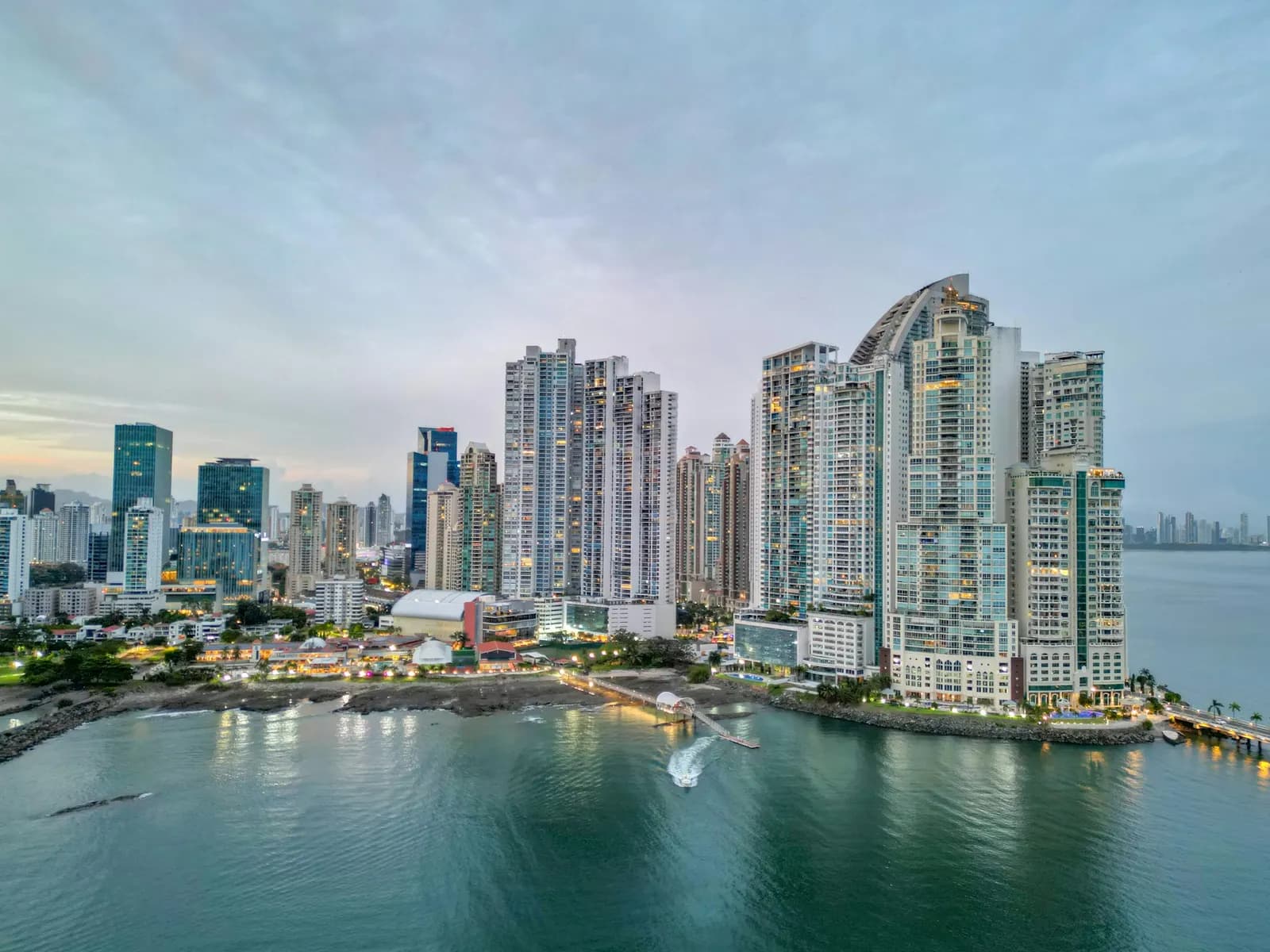
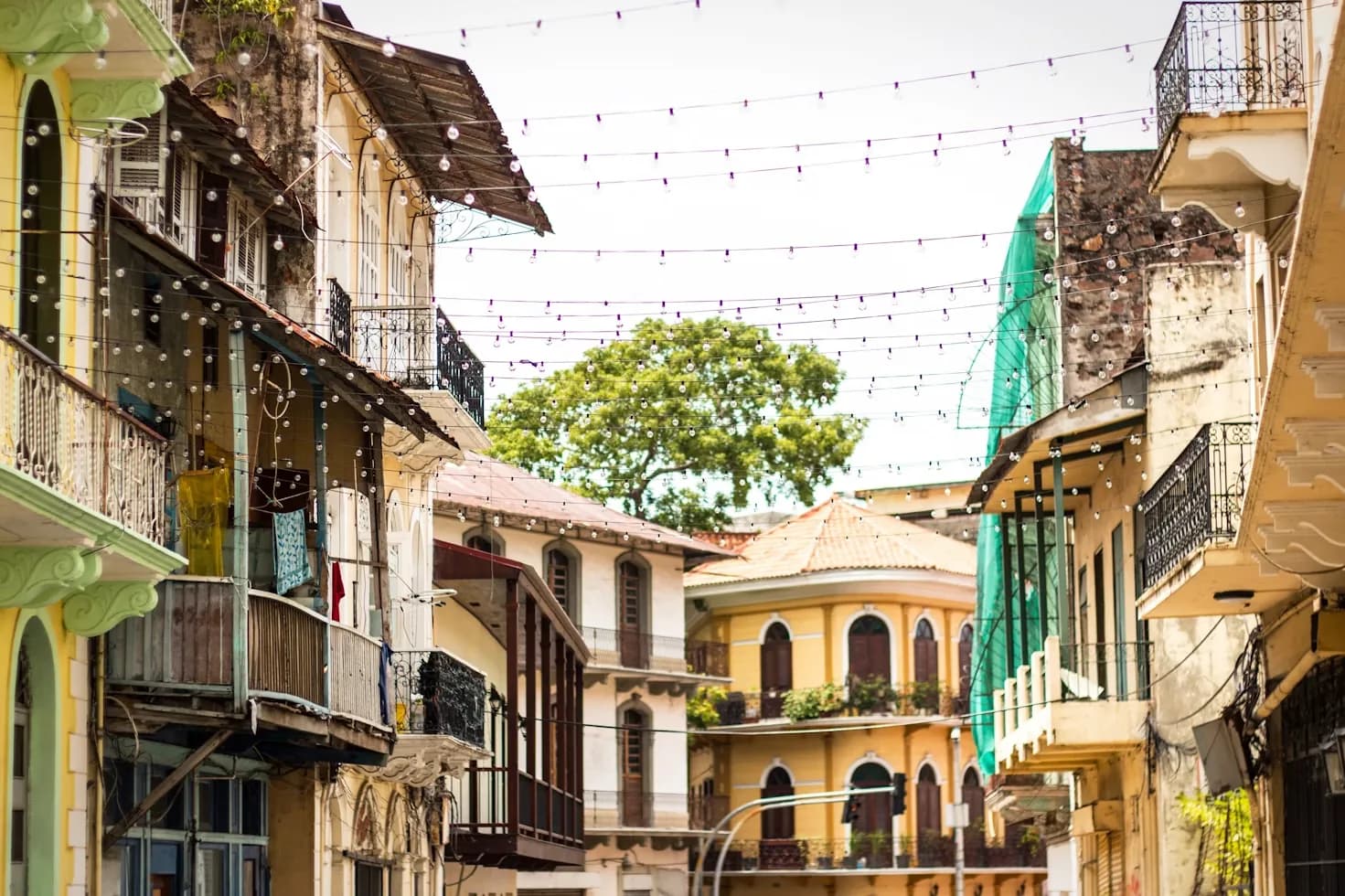
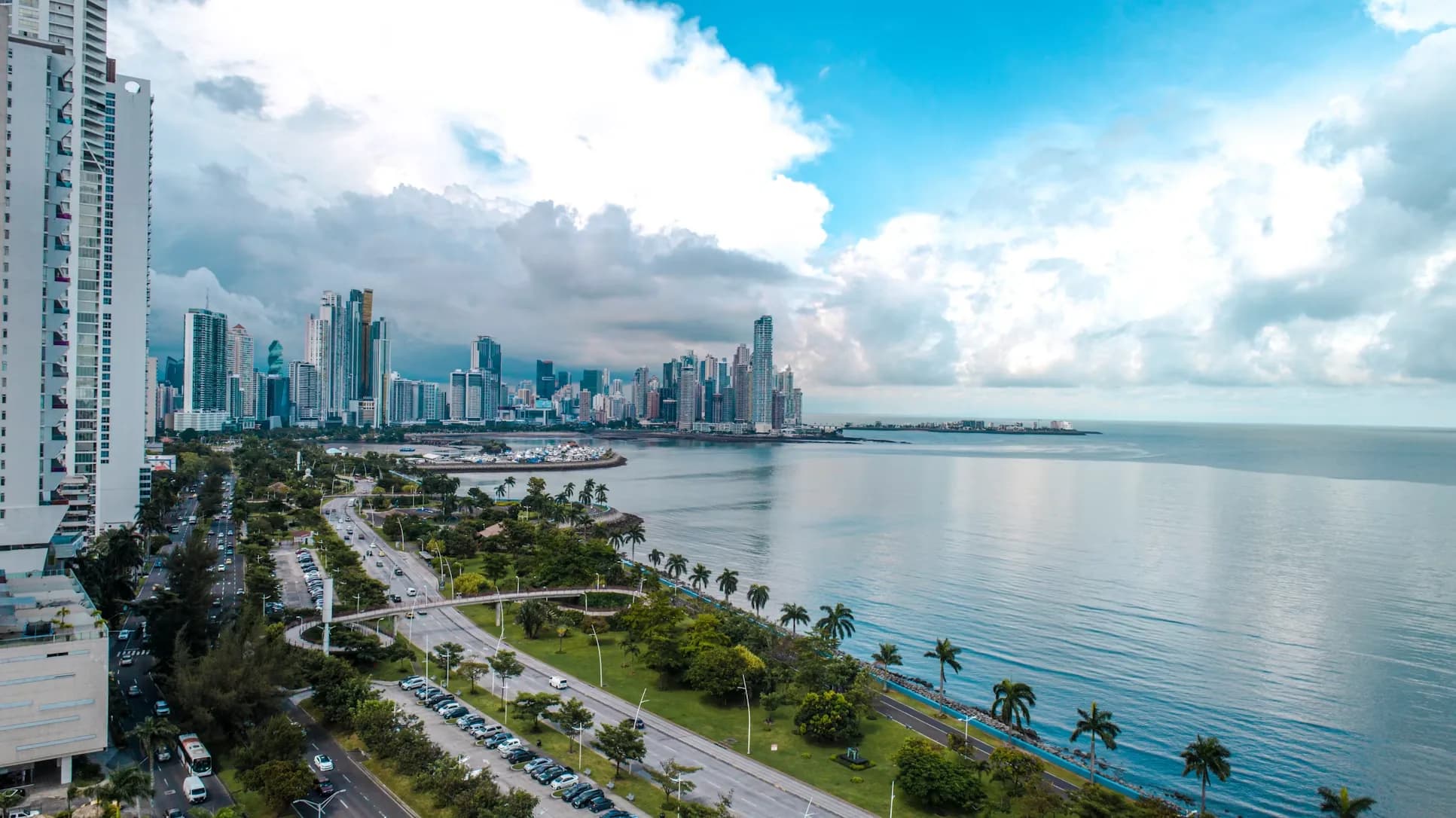
A taste of Panama

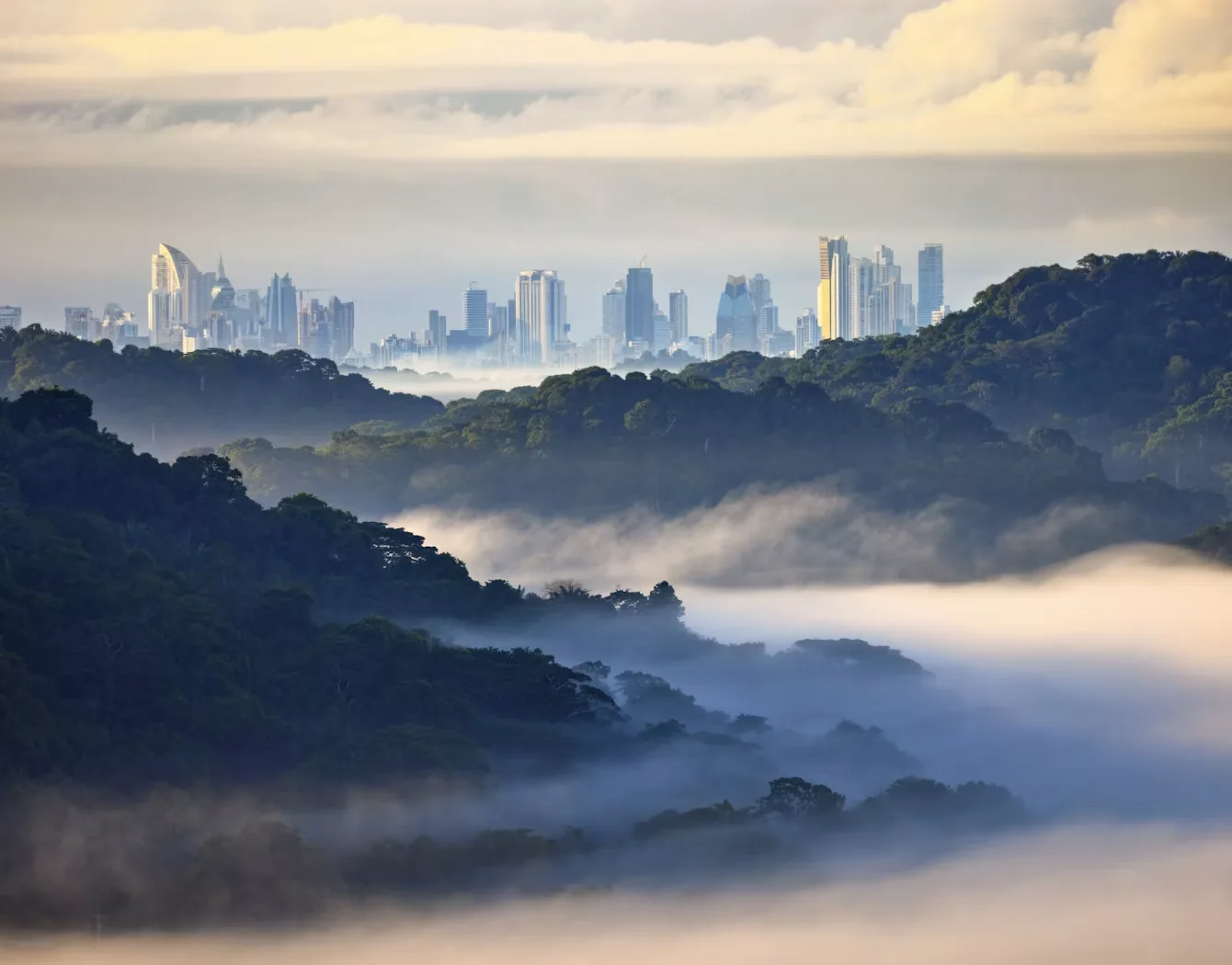
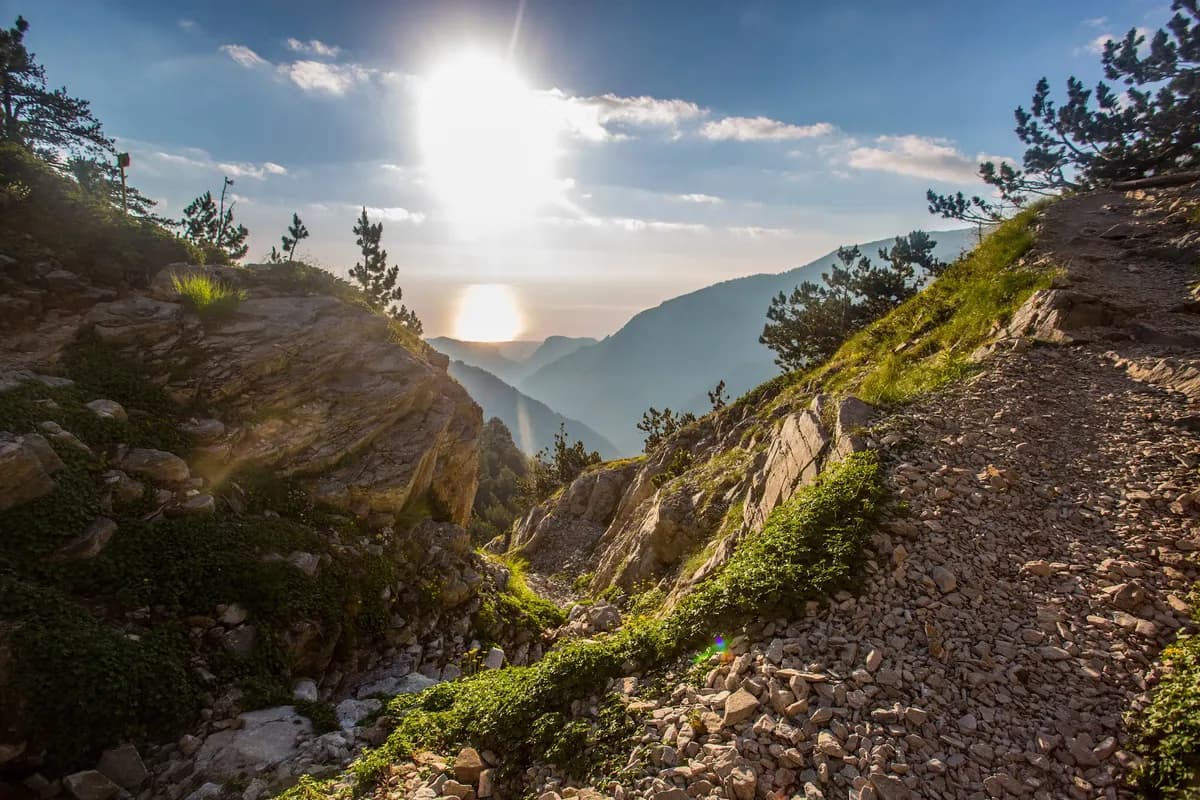
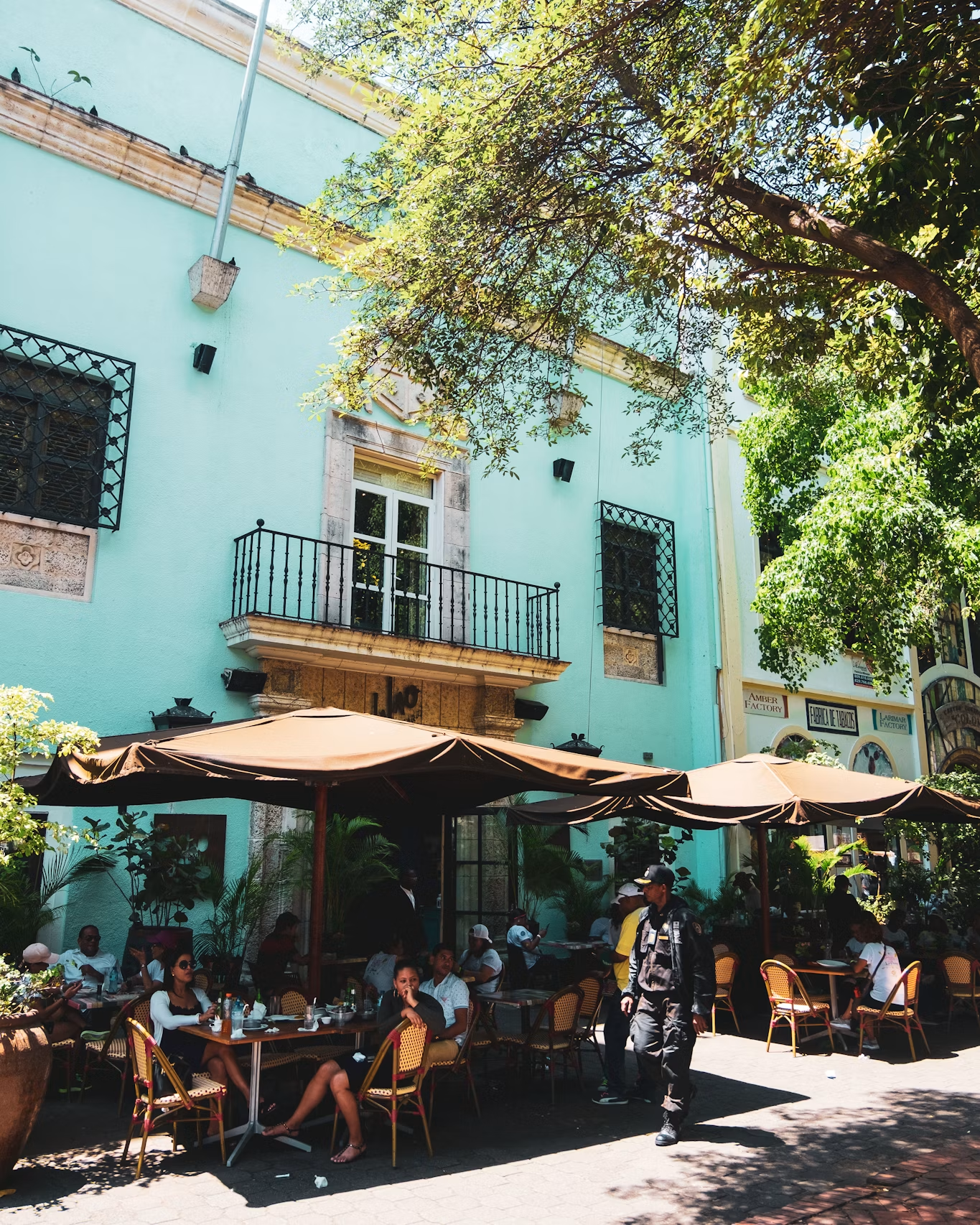
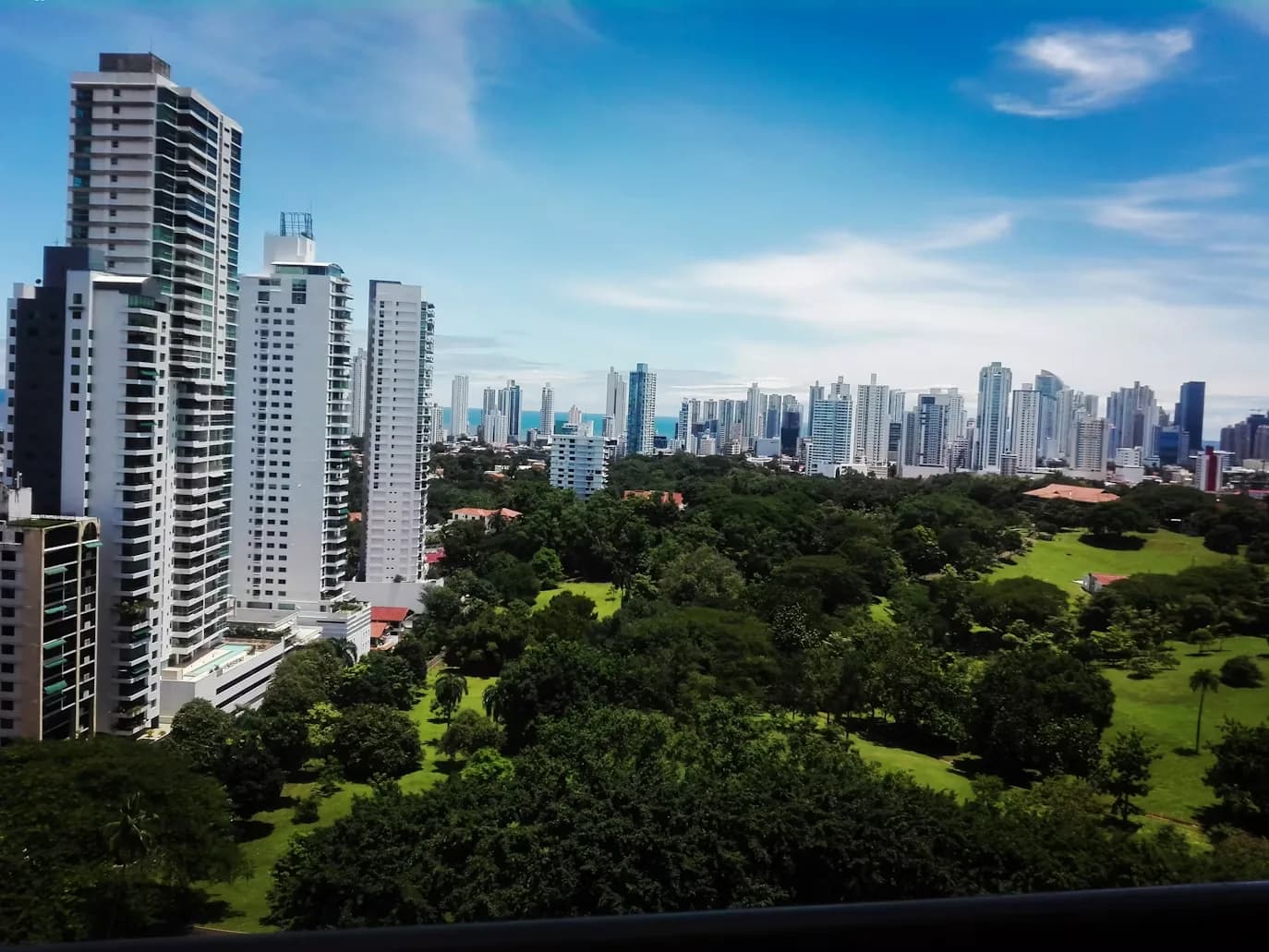
Panama editorial photograph 1
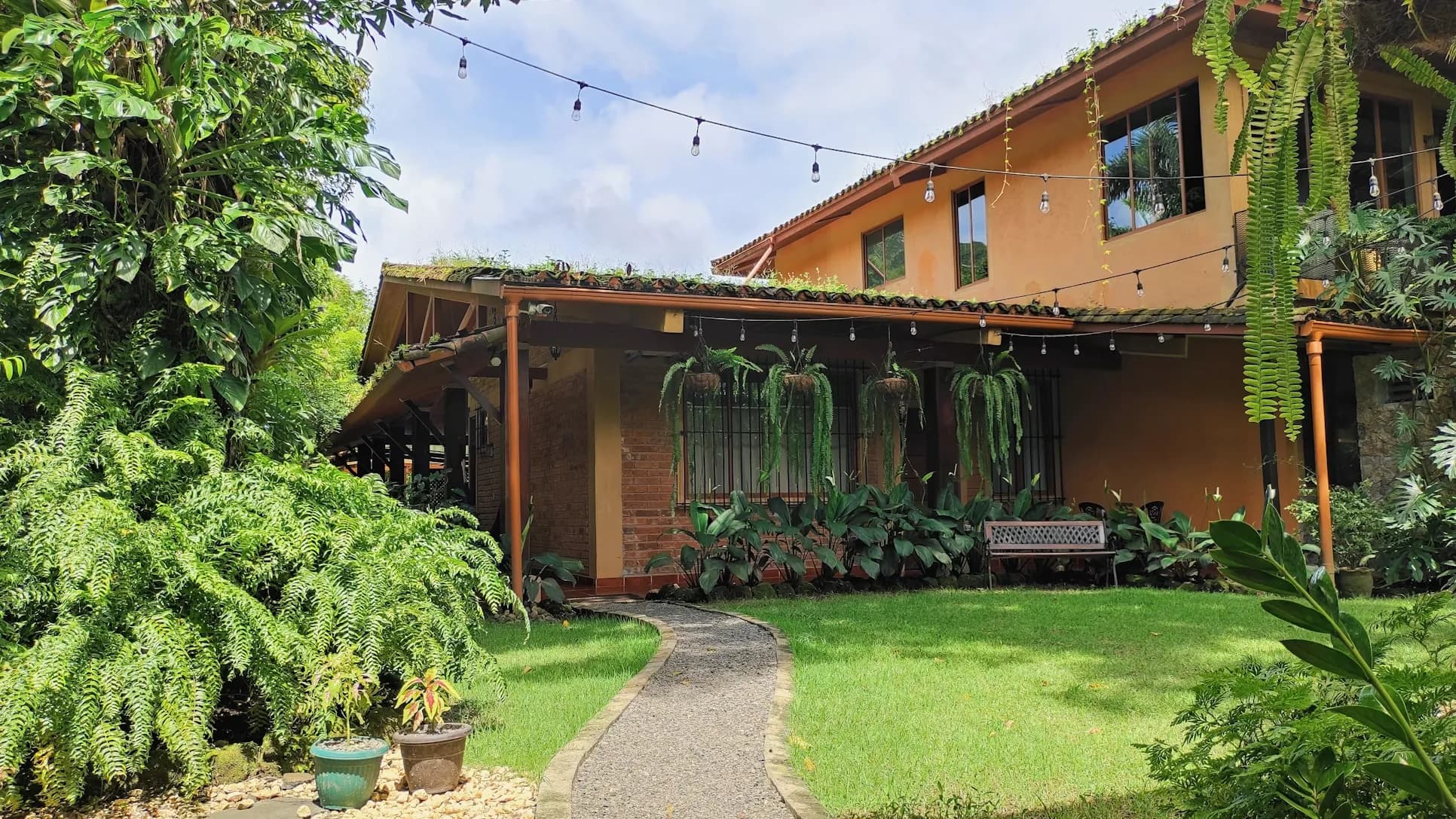
Panama editorial photograph 2
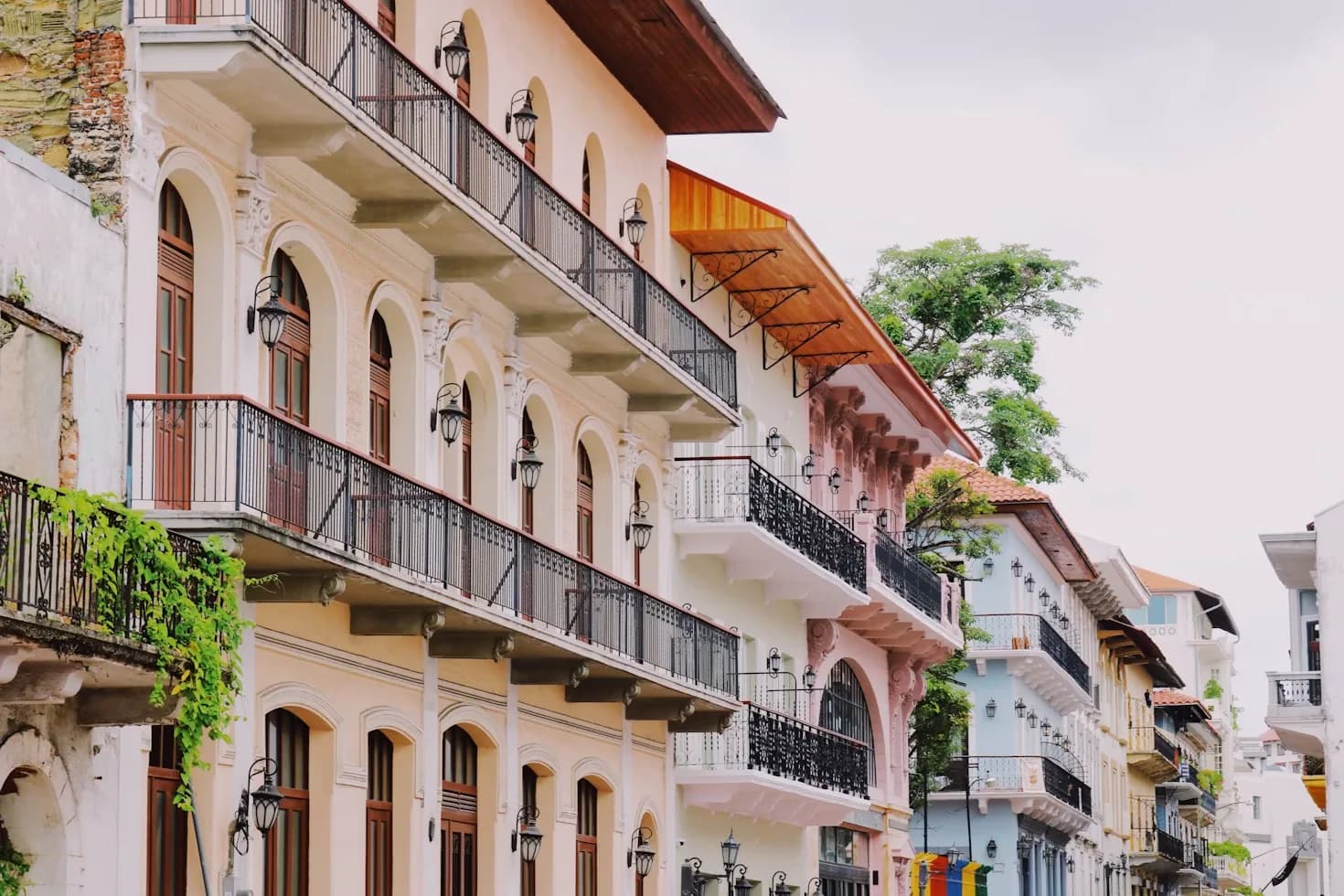
Panama editorial photograph 3
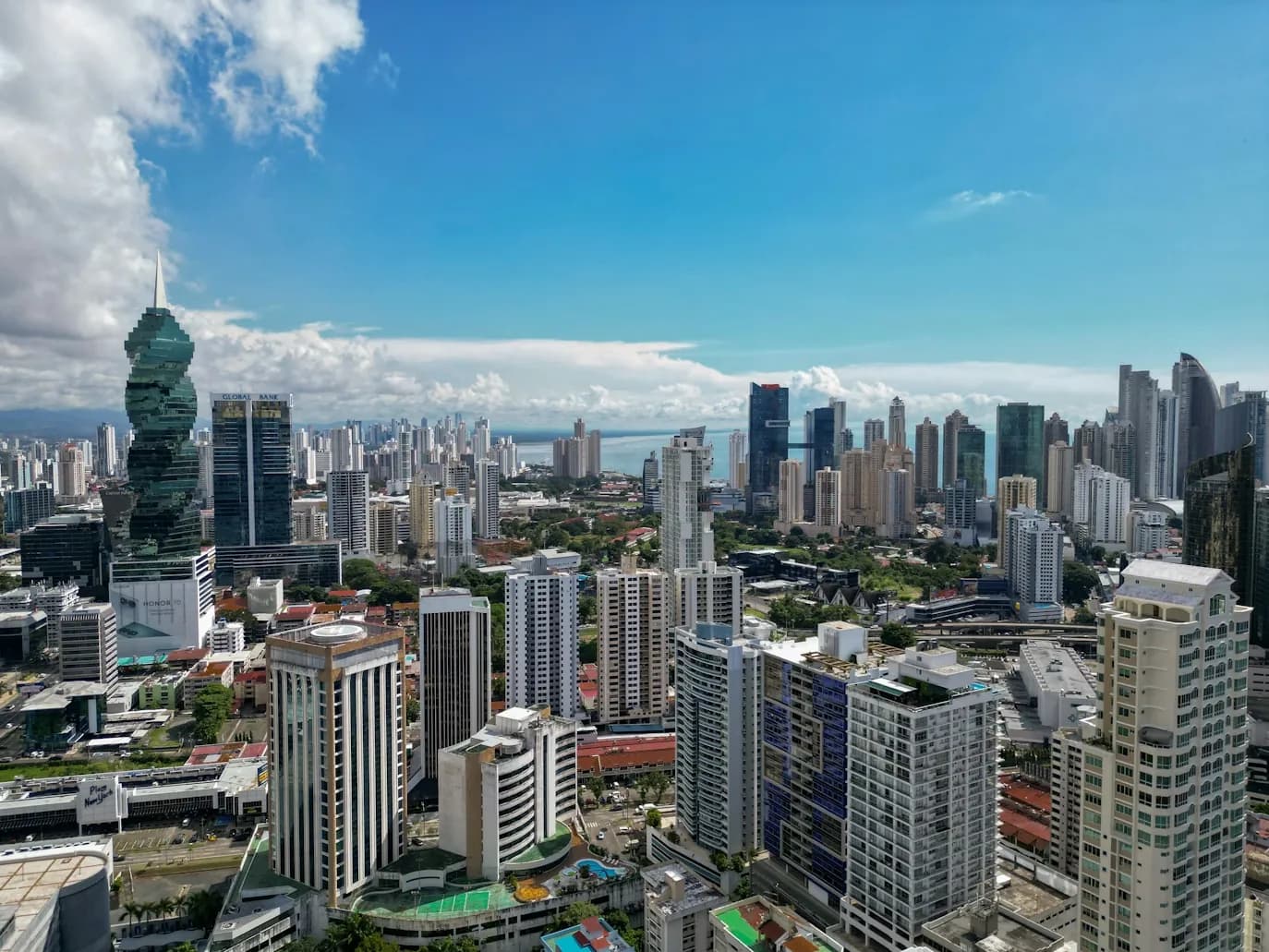
Panama editorial photograph 5Panama editorial photograph 6Panama editorial photograph 7

Which of the three visas fits me?

The Qualified Investor Visa is the right route when you can commit $300K+ in qualifying Panamanian property, securities, or term deposit and you want direct permanent residency on the fastest timeline. The Friendly Nations Visa works for clients with US employment, a contract with a Panamanian employer, or $200K to deploy into property or a bank deposit. The Rentista Visa is the cleanest route for retirees and clients with stable passive income who do not want to lock up significant capital. We map the right structure during the consult.

How long until I can obtain a Panamanian passport?

Five years of legal residency for most Americans. The clock covers both temporary and permanent residency phases depending on which visa route you took. The application requires a Spanish-language test and a basic Panamanian-civics exam. Petition-to-decision typically spans 12 to 24 months after the five-year clock matures.

Do I have to learn Spanish?

Daily life in Panama City's expat districts, Coronado, and Boquete works in English at most professional and service contexts. Outside those zones, Spanish becomes essential. The naturalization application requires a Spanish-language assessment, which most clients build through immersion plus formal tutoring during the five-year residency window.

What is Panama's tax position?

Panama uses a territorial tax system: only Panama-source income is taxable to Panamanian residents. Foreign-source income, including most US-sourced earnings, is generally not taxed by Panama. This produces a clean position for Americans whose income is US-sourced. US worldwide-income filing continues regardless; we coordinate with US-licensed counsel.

Can my family come with me?

Yes. Spouses or registered partners, dependent children, and dependent parents qualify under a single application. Each family member receives proportionate residency rights and the same five-year clock to citizenship. The income or capital threshold scales modestly for additional dependents.

What about dual citizenship?

Panama has historically required renunciation of prior citizenship for naturalization, but the United States does not recognize foreign declarations of renunciation as binding on US citizenship. In practice, US citizens who naturalize in Panama retain both citizenships. We coordinate with US and Panamanian counsel to map the technical position properly during the engagement.

Is it safe to live in Panama?

The established American expat zones, Panama City's Costa del Este, Punta Pacifica, El Cangrejo, plus Coronado, Boquete, and Pedasí, are statistically safer than many US small cities. Other parts of the country require care, particularly the Darien Gap region near the Colombian border. We brief on geography during onboarding and steer engagements toward the established expat hubs.

How life compares

Eight factors, against the US baseline

The dimensions that decide whether a place is workable once the visa lands.

English

Strong in expat zones and business

Panama City's expat districts, the resort-belt of the Pacific coast, and Boquete default to English in most professional and service contexts. International schools and major hospitals function bilingually. Outside those zones, Spanish is essential.

Cost of living

Below US, varies by zone

Outside the most fashionable Panama City districts, Panama comes in 30-50% below US coastal-city benchmarks. A comfortable expat-zone life for a couple costs $3,000 to $4,500 a month. Coronado and Boquete come in materially cheaper yet.

Taxes

Territorial system

Panama taxes only Panama-source income. Foreign-source earnings are generally not taxed by Panama, which produces a clean position for Americans whose income is US-sourced. US worldwide-income filing continues regardless.

Quality of life

Urban and coastal options

Panama City delivers a modern Latin American capital with skyline-grade urbanism. The Pacific coast offers resort-belt living. Boquete and the highlands deliver mild climate at elevation. The microclimate menu is unusually wide for a country of this size.

Safety

Expat zones are secure

Major expat neighborhoods and the Pacific resort belt are statistically safer than many US small cities. The Darien Gap region near the Colombian border requires care. We steer engagements toward the established expat hubs during onboarding.

Travel connectivity

Major Latin American hub

Tocumen International is the Hub of the Americas. Daily direct service to most major US cities and across Central and South America. Two and a half hours from Miami. Limited direct service to Europe; most routes connect via Madrid or Amsterdam.

Infrastructure

Strong in cities, basic outside

Panama City delivers modern utilities, internet, and a developed financial-services infrastructure. Outside the major cities, infrastructure is functional but uneven. The Canal corridor and the Pacific resort belt are well-developed.

Healthcare

High quality private system

Private healthcare in Panama City is high quality and inexpensive by US standards; major hospitals routinely treat medical tourists from the US. Comprehensive private insurance costs $150 to $350 per month per adult.

Read & watch on Panama

Deeper coverage of Panama from the Freedom Files library - long-form articles and short video deep-dives.

Articles

Videos

  • 17 min

    Is Citizenship by Investment Dying? Why Citizenship by Merit and Residency by Investment Are the Future

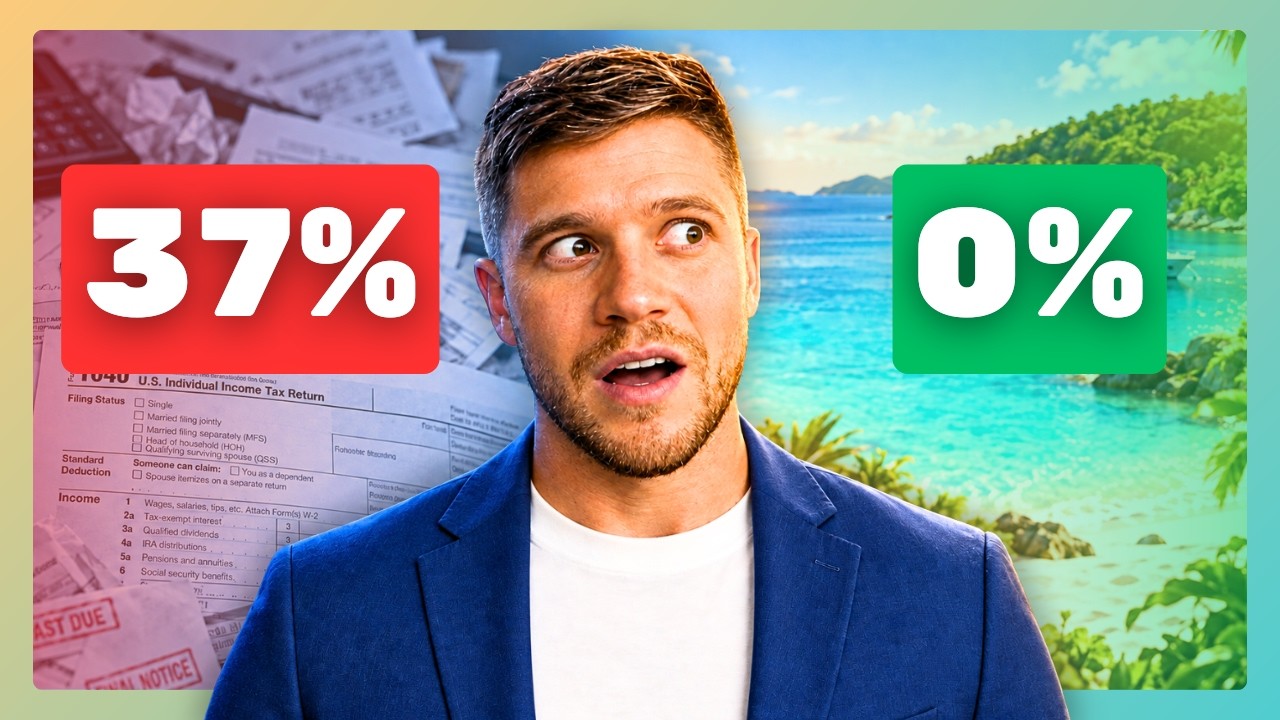
    Citizenship by investment is under fire: the European Court of Justice ruled Malta's program illegal in 2025, the European Commission handed the five Caribbean CBI states a wind-down ultimatum, and ETIAS gives Brussels a new lever over every CBI passport at the border. But when one useful tool goes, others replace it. This breakdown covers why direct citizenship programs are being attacked, how ETIAS changes what visa-free access means, and the two replacement routes wealthy families are already using: citizenship by merit, the discretionary side door written into 130+ nationality laws, and residency by investment with a pathway to citizenship through Portugal's 7-day-a-year golden visa and Panama's Qualified Investor Visa.

    • Deep dive
    • Citizenship
    • Residency
    • Market update
    • Golden Visa
  • 18 min

    5 Emerging-Market Golden Visas With Real Investment Upside in 2026 (While Europe Shuts Investors Out)

    Europe has raised investment thresholds, raised taxes, and ended golden visa and citizenship programs altogether. The EU has made it clear it does not want wealthy investors. The countries that do are somewhere else. This breakdown covers five emerging-market residency by investment programs with real investment upside in 2026: Ecuador's $48,000 investor visa with citizenship at year 3, Paraguay's new $200,000 investor path to direct permanent residency, Colombia's investor visa amid a pro-business political turn, the Dominican Republic's $200,000 route with the fastest citizenship clock in the hemisphere, and Panama's Qualified Investor Visa before the threshold jumps to $500,000 in October 2026.

    • Deep dive
    • Residency
    • Golden Visa
    • Comparison
    • Market update
  • Golden Visa Without Relocation: 9 Residency by Investment Programs for Americans in 2026

    A second residency does not have to mean moving overseas. Nine golden visa programs let American investors secure legal residency abroad while remaining right where they live now — Portugal, Italy, Greece, Malta, Panama, UAE, Cyprus, Paraguay, and France. Here's what each program requires in capital, what your presence obligation is, whether your money comes back, and how each fits (or doesn't) as an EU or Latin American Plan B.

    • Deep dive
    • Residency
    • Tax
    • Golden Visa
    • Europe
  • Why Americans Are Moving to Latin America: 5 Reasons and the 8 Countries They Choose in 2026

    American investors and their families are moving to Latin America faster than to any other region, Mexico, Costa Rica, Panama, Dominican Republic, Colombia, Brazil, Uruguay, and Argentina. Here are the five reasons driving the shift plus the exact residency and citizenship-by-investment programs Americans are using in 2026, warts and all.

    • Market update
    • Comparison
    • Residency
    • Citizenship

The Panama briefing

The facts, programs, and comparison

A PDF briefing covering everything on this page plus the comparison framework we use internally. Delivered straight to your inbox.

No spam ever! Unsubscribe in one click.

Click for access to a full Panama briefing

Get your custom Plan B Blueprint

Most people spend 100+ hours researching residency and citizenship options before they realize they were looking at the wrong programs. We compress that into 10 questions, 90 seconds, and a single report.