Most Americans picture Latin America as a cartel-controlled war zone. The numbers say otherwise. Buenos Aires closed 2025 with a murder rate of 2.5 per 100,000 people, more than 20 times lower than St. Louis, and it puts you on a 2-year path to citizenship. El Salvador, the murder capital of the world a decade ago, now posts a lower homicide rate than the United States.
This guide ranks the 6 safest cities in Latin America for Americans in 2026: San Salvador, Panama City, Mexico City, Santiago, Montevideo, and Buenos Aires. For each, you'll get the 2025 homicide rate next to a comparable US city, the neighborhoods where expats and investors live, and the residency and citizenship routes in. The ranking weighs how safe each city feels on the ground and how clean its path to residency and citizenship is, so the lowest murder rate opens the list and the most family-friendly city closes it.
Or watch the full breakdown here:
Is Latin America Safe? How These 6 Cities Compare with US Cities
St. Louis posted about 54 homicides per 100,000 people in the latest full year of FBI data. Washington, DC finished 2025 near 18. The US national rate is about 5. Every city on this list beats St. Louis by a wide margin, 5 of the 6 come in under DC, and two of them, San Salvador and Buenos Aires, beat the US national rate outright.
| City | Homicide rate | Similar to | Main residency route | Citizenship |
|---|---|---|---|---|
| San Salvador | 1.3 | Honolulu, Boise | About $1,500 a month of passive income | 5 years, or about 2 months via the $1M Freedom Passport |
| Panama City | 12.9 | Charlotte, Kansas City | $300,000 in new property (Qualified Investor Visa) | 5 years after permanent residency, discretionary |
| Mexico City | About 9 | Half of Washington, DC | $4,500 a month or $75,000 in savings | 5 years |
| Santiago | 5.4 | Miami, Salt Lake City | $1,500 a month of passive income (Rentista) | 5 years |
| Montevideo | 16 | Nashville | $1,500 a month of foreign income | 3 years married, 5 single |
| Buenos Aires | 2.5 | Lower than San Diego, New York City | About $2,000 a month (Rentista) | 2 years |
Yes, every one of these cities has rough barrios, and the worst of them are rougher than anything most Americans have seen, with a level of poverty and desperation that's hard to picture until you're in it. But you won't live there, the same way you wouldn't choose Kensington in Philadelphia, the Tenderloin in San Francisco, or Skid Row in Los Angeles, and you'll have no reason to visit.
Latin America vs. Europe: The Petty Crime Gap
Americans weighing a move abroad often assume Europe is the safe choice. You probably won't be murdered in Barcelona or Paris, but petty theft is another story. Barcelona's own city data counted about 100,000 pickpocketing incidents in 2023, and those are only the reported ones; one of our event attendees there lost an expensive watch to a group of thieves in broad daylight. Our team feels more at ease walking Buenos Aires or Santiago than central Paris. Rio de Janeiro is the exception, and it's why Rio isn't on this list.
Safety Precautions for Expats in Latin America
Normal caution here looks about the same as in a European capital. Most of our clients who live in the region choose a gated community or a building with 24-hour security, which is standard in every city below. In busy areas, don't walk around distracted with your phone out, and leave flashy jewelry at home. Gun laws vary widely: Uruguay is among the most permissive in the region, and Colombia's new president, Abelardo de la Espriella, has reinstated civilian gun permits.
6. San Salvador, El Salvador: A Lower Murder Rate than the US

Ten years ago, nobody would have put San Salvador on a list like this. In 2015, El Salvador's homicide rate was 106 per 100,000, the highest in the world. The country of about 6 million people closed 2025 with just 82 murders, a rate of 1.3 per 100,000, roughly equal to Honolulu or Boise, Idaho, and lower than the United States as a whole.
The turnaround came from President Nayib Bukele's security crackdown, and you should understand how it worked. Since March 2022, a state of emergency has let police detain people without a warrant. About 91,000 people went to prison under it, and around 8,000 were later released with no provable crime. Rights groups report deaths in custody and long detentions without trial. Your safety in El Salvador depends on a government with a lot of power and few checks on it, which is also why Bukele is so popular at home: He was reelected with roughly 85% to 90% of the vote.
Residency: About $1,500 a month of foreign passive income qualifies you, rising to about $2,500 a month with a dependent spouse or minor children. Citizenship: 5 years for Americans, and just 1 year for Spanish and Latin American nationals by birth, one of the preferred-nationality tracks in our guide to 7 ways to get a second passport.
The Freedom Passport: Contribute $1 million in Bitcoin or USDT and El Salvador grants citizenship directly, usually in about 2 months, with no trip to the country required. The passport opens about 131 destinations visa-free, the Schengen Area included. It's a donation, so the money is gone for good. That makes it a bet on El Salvador's Bitcoin future, a little like buying Singapore or Dubai property in the 1980s. For a stronger passport at a similar price, Malta opens 30 European countries rather than one Central American one.
Who it fits: Tax-conscious crypto founders and Bitcoin maximalists, and families who want to get off the radar and raise children somewhere safe and tropical.
5. Panama City, Panama: Permanent Residency in Under 90 Days
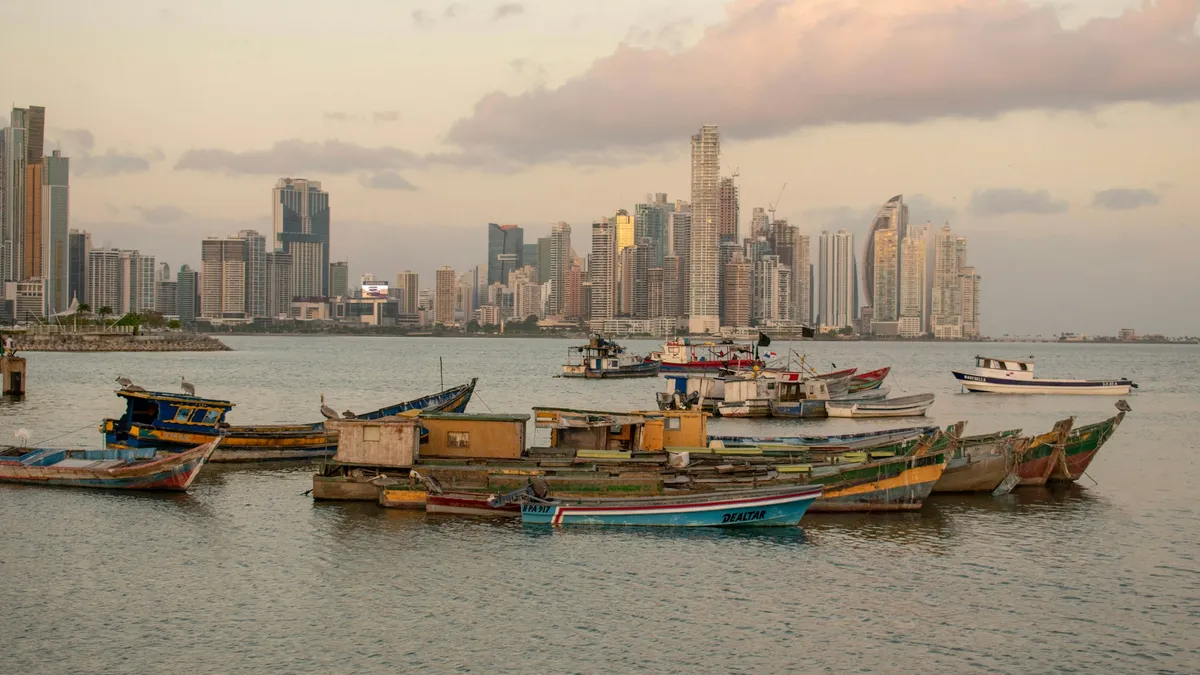
Panama's national homicide rate was 12.9 per 100,000 in 2025, comparable to Charlotte, North Carolina, or Kansas City. Panamanian prosecutors tie more than 70% of those killings to gangs and the drug trade, concentrated in Colón and San Miguelito; in the capital, the worst barrios are Pedregal and Tocumen, near the airport. Expats and foreign investors live a world away, in Punta Pacífica, Costa del Este, El Cangrejo, Casco Viejo, and Santa María. Despite its position beside the Darién Gap, Panama's US-backed government and police patrol the jungle well enough to push most of the drug trade elsewhere. Our team has spent months at a time in the capital, the highlands, and the beach towns without a second thought about safety.
Residency: The Qualified Investor Visa grants direct permanent residency in under 90 days, and new rules this fall split the property route in two: $300,000 for new development property and $500,000 for resale property (details in our breakdown of Decree 17). Without property, you can qualify with $500,000 at a state bank (Banco Nacional or Caja de Ahorros) or a $750,000 five-year fixed-term deposit at a private bank. The presence requirement is a single day every two years. The Friendly Nations Visa offers temporary residency on $200,000 in property or by employing yourself in a new local business.
Tax: Panama taxes only income earned inside Panama. An American who becomes a tax resident owes Panama nothing on foreign income and owes the IRS the same as before. Canadians, Europeans, and anyone who has renounced US citizenship can, with the right structure, owe zero tax anywhere.
Citizenship: You qualify after 5 years of permanent residency, but naturalization is discretionary, and the president personally signs off. The life you build, especially in the 2 years before you file (bank history, property, tax filings, time on the ground), is what gets you the passport, so we start preparing clients for it in year 1. Treat Panama as a fast residency with a slower, less certain passport attached, and consider pairing it with a stronger passport elsewhere.
Who it fits: Anyone who wants a plan B to touch once every 2 years, and a tax-efficient base if they relocate.
4. Mexico City, Mexico: The Plan B You Can Drive To
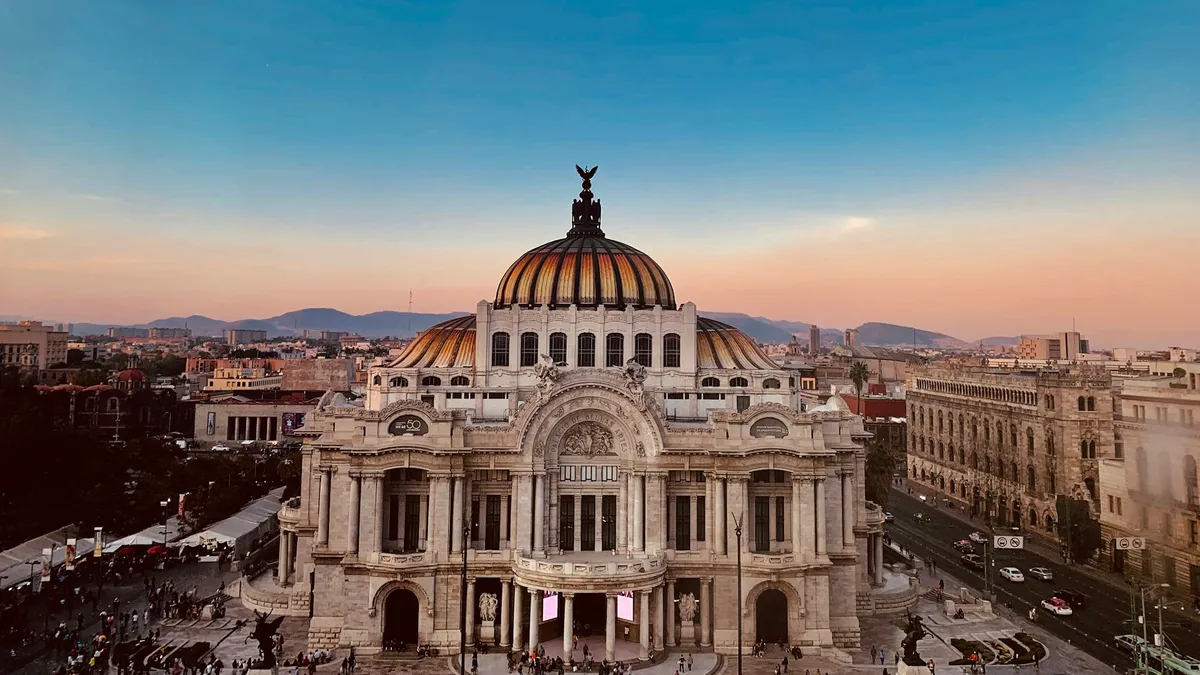
Mexico City recorded 849 homicides in 2025, about 9 per 100,000 residents and roughly half of Washington, DC's rate. Nationally, Mexico's rate fell to 17.5 in 2025, its lowest since 2015. Most violent crime in Mexico is cartel related, it mostly targets rivals, and it clusters in specific states: The northern desert states below New Mexico and Texas, and the Pacific coastal states south of Puerto Vallarta and west of the capital. Very few of our investor and family clients move to either area. Expats in Mexico City concentrate in Condesa, Roma, and Polanco, close to international schools, good restaurants, and English-speaking hospitals and doctors.
Residency: Mexico's economic solvency visa grants residency to applicants who show enough income or savings, with no presence requirement to maintain it. Temporary residency takes about $4,500 a month of income or $75,000 in savings. Direct permanent residency usually requires retirement age plus about $7,500 a month or roughly $300,000 in savings, and the exact figures move with the peso and the consulate.
Citizenship: 5 years of legal residency, at least 18 of the last 24 months in Mexico before you apply, a Spanish test, and a Mexican history exam, for a surprisingly strong passport.
Who it fits: Families who want to stay close to relatives, friends, or a business in the US. It's the most convenient city on this list, as long as megacity life suits you.
3. Santiago, Chile: The Best Passport in Latin America
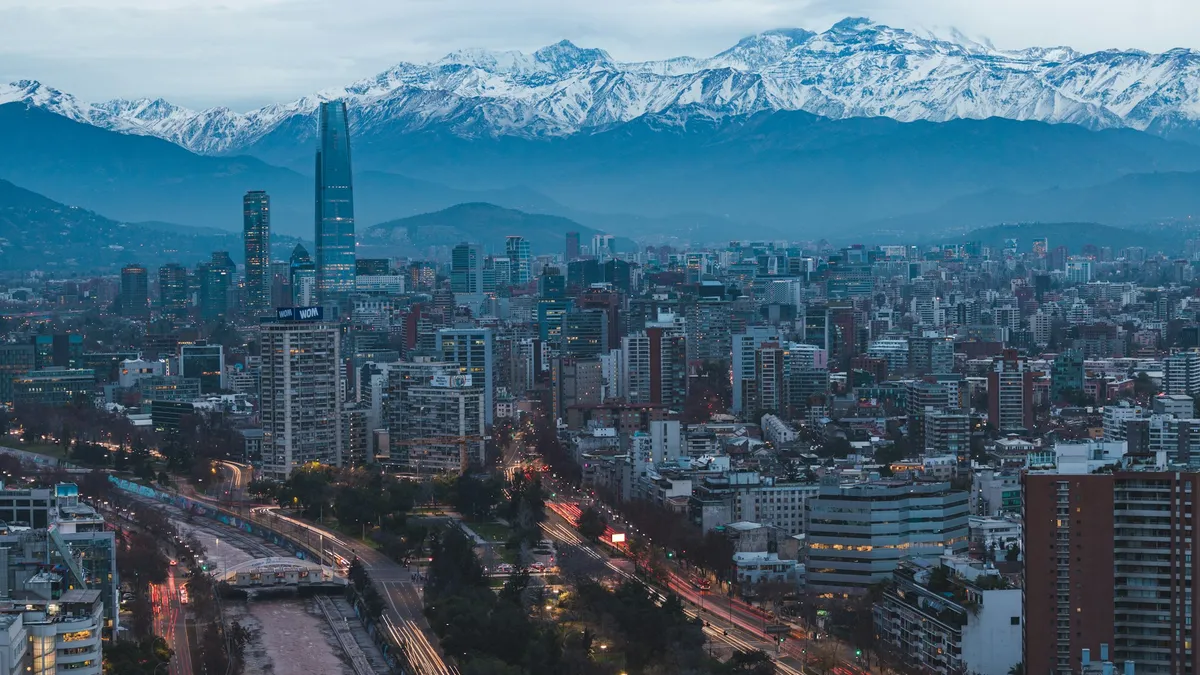
Chile's national homicide rate fell from 6.1 to 5.4 per 100,000 in 2025, close to the US national rate and about level with Miami and Salt Lake City, and the Santiago Metropolitan Region's rate dropped 6.1% the same year. Chileans will tell you they feel less safe than the numbers suggest, as immigration has risen and crime tied to the Venezuelan gang Tren de Aragua has made headlines in parts of the city. Newly elected President José Antonio Kast has pledged to dismantle organized crime and curb low-skilled immigration. Expats and investors mostly live in Vitacura, Providencia, Las Condes, and Lo Barnechea, up toward the Andes.
Chile is the most developed country in Latin America, and its passport is the only one in the region with visa-free access to the United States, a privilege only about 40 nations share. It opens roughly 175 to 180 destinations, and Mercosur membership lets Chileans request residency anywhere else in South America with a national ID.
Residency: The Rentista permit requires $1,500 a month of passive, recurring, stable income, and immigration typically rejects salary, contractor invoices, and remote-work pay, however regular. The investor route requires $500,000 in an active Chilean business; buying real estate qualifies you for nothing. Both reach permanent residency at year 2 and citizenship eligibility at year 5.
Tax: Foreign income is exempt from Chilean tax for your first 3 years as a resident, extendable to 6 in some cases. After that, Chile's tax system is far less friendly than neighbors like Paraguay, Panama, Uruguay, and Bolivia.
Who it fits: Passive-income earners who want the strongest passport in Latin America and don't mind qualifying on the merits.
2. Montevideo, Uruguay: The Switzerland of the Americas
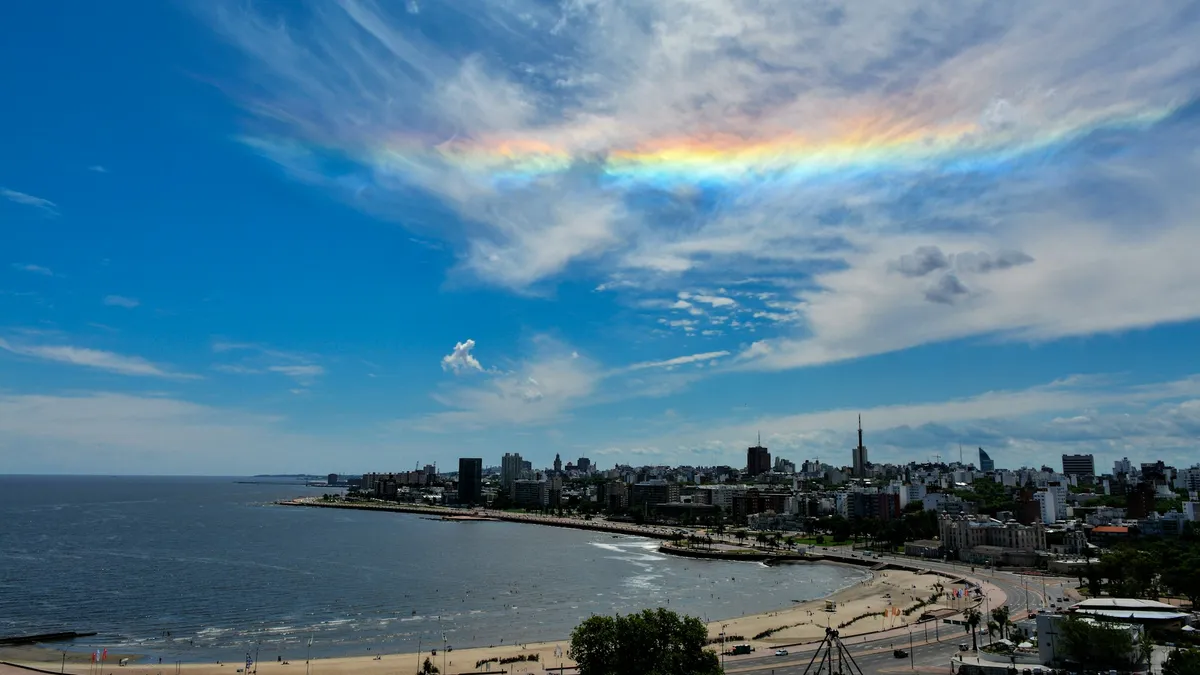
Montevideo posted 16 homicides per 100,000 in 2025, about the same as Nashville, Tennessee, and the highest of the Southern Cone capitals on this list; the rate has crept up in recent years. Uruguay leads Latin America on democracy and rule of law, and the violence it does see clusters in a handful of barrios on the city's edge, mostly tied to drug disputes. Americans and other expats live in Pocitos, Carrasco, Punta Carretas, and Punta Gorda, and east along the coast in Punta del Este and Piriápolis, where the picture looks very different. The lifestyle is calm, stable, and, for lack of a better word, boring. If that's what you want, you've found it.
Residency: The independent means visa is the only route in, requiring at least $1,500 a month of stable foreign income (more with dependents). Residency is permanent on the first grant.
Citizenship: 3 years if you're married, 5 if you're single. One caveat: Naturalized Uruguayans receive "legal citizen" status, and the passport displays your original nationality. A reform to remove that label stalled at the last minute.
Tax: New residents pay no Uruguayan tax on foreign income for 11 years, then a low flat rate on foreign dividends and interest.
Who it fits: Anyone who wants a stable, tax-friendly country to live in full time and is willing to pay a premium for it. Montevideo isn't cheap.
1. Buenos Aires, Argentina: The Safest Big Capital and a 2-Year Passport
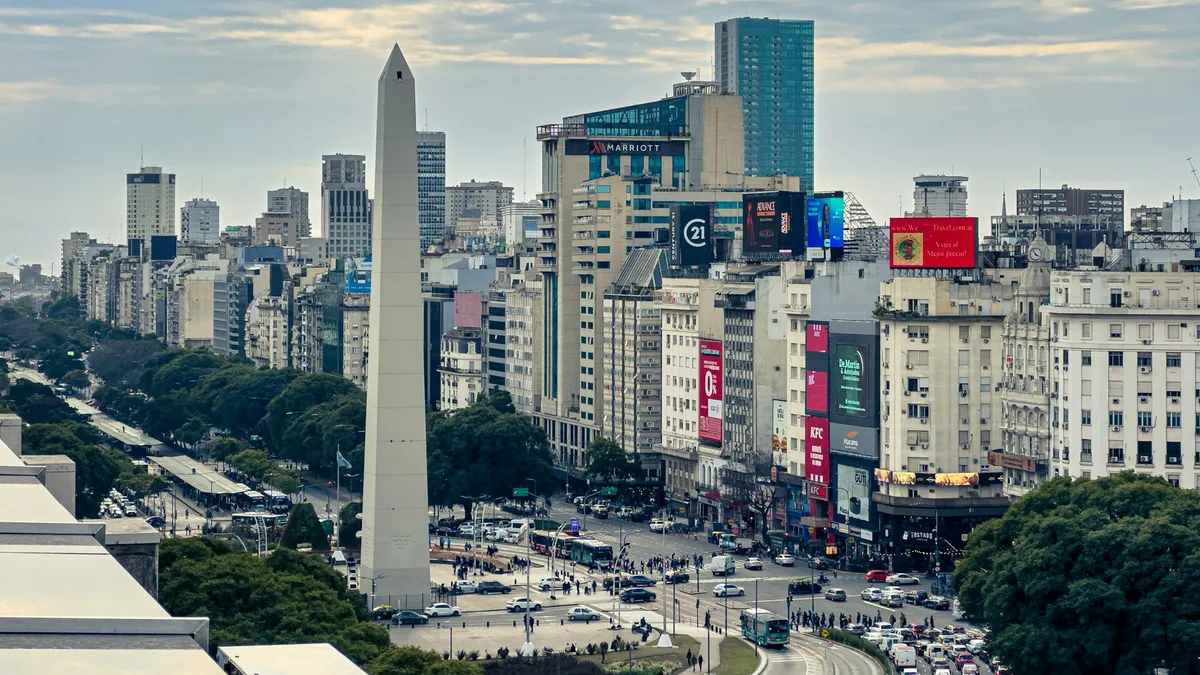
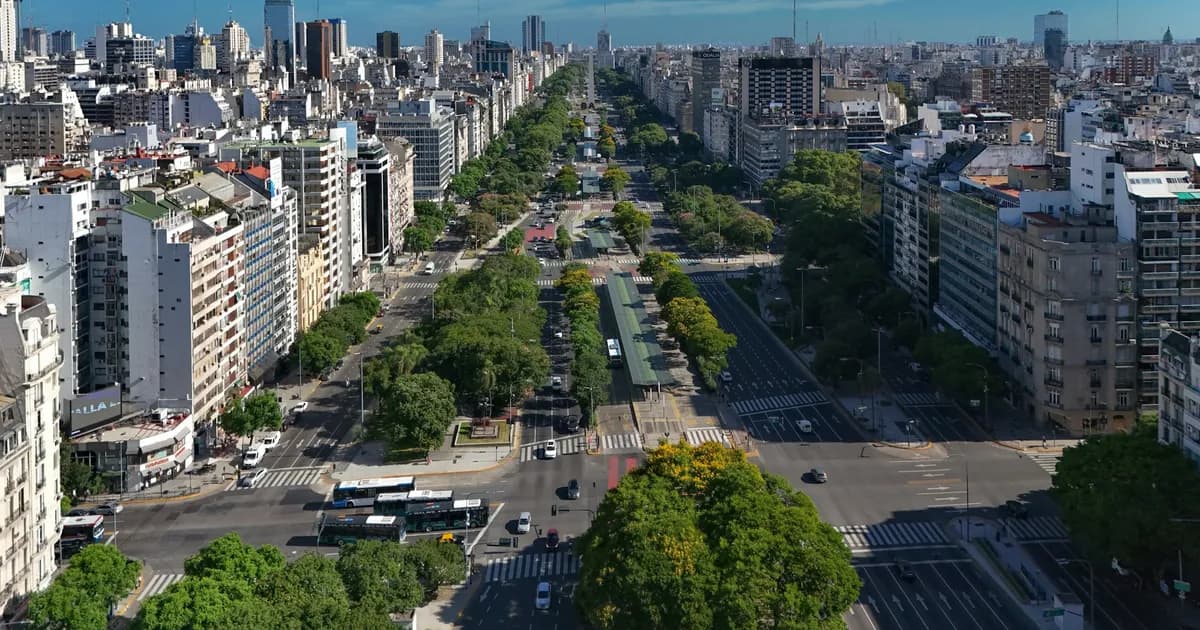
Buenos Aires recorded 78 murders in 2025, its lowest in 31 years, for a rate of 2.5 per 100,000: Lower than San Diego and New York City, and more than 20 times lower than St. Louis. Armed muggings in the city fell 34% last year and carjackings 54%. City Hall calls Buenos Aires the second-safest capital in the Americas after Ottawa; we'd add an asterisk, since San Salvador posts a lower raw number.
It's called the Paris of South America for a reason. Most Argentines have European ancestry, much of it Italian and Spanish, and you see it in the architecture, the café culture, the lines for fresh pasta each morning, dinners that start at 10 p.m., and families out walking past midnight. If you love the European lifestyle but want it in or near your own time zone, Buenos Aires could be your city.
Residency and citizenship: The Rentista visa requires about $2,000 a month of stable income. After 2 years of continuous legal residency, you can apply for citizenship through Migraciones, one of the fastest naturalization timelines in the world. A 2025 decree from President Javier Milei reads "continuous" strictly: No trips out of Argentina during those two years, not for Christmas, not for business.
Citizenship by investment: President Milei has introduced the framework for an Argentine citizenship by investment program, with final details and a launch date pending. We expect the lowest threshold to land between $350,000 and $500,000. Argentina has no mandatory military service, taxes you as a resident only after a full 12 months there, and doesn't require citizens to live in the country. The passport reaches about 170 destinations visa-free, and Mercosur membership adds residency rights across South America. Our guide to the program covers what we know so far, and you can join the waitlist to hear first when it opens.
Who it fits: Families who want European culture, a big city full of opportunity, US-aligned time zones, and the fastest passport on this list.
Which Safe Latin American City Is Right for You?
- Most of your wealth is in Bitcoin, or you want a safe tropical setting: San Salvador and the Freedom Passport
- A plan B you touch once every 2 years: Panama City and the Qualified Investor Visa
- Family or business pulls you back to the US several times a year: Mexico City
- Passive income, a peaceful daily life, and a top passport down the road: Santiago or Montevideo
- European culture, a big city, and a fast-track passport: Buenos Aires
Many of our clients don't stop at one country. They pair a low-touch residency like Panama's with a stronger passport elsewhere, plus the bank accounts, company structures, and tax planning that tie it all together; that's what our Private Client Engagement coordinates. For a single residency or citizenship, take the Plan B Blueprint for a custom report on the programs that fit your goals, or book a free Freedom Consult. For the wider view, watch our breakdown of the 8 Latin American countries Americans are moving to, or see how each country scores in the Expat Almanac's Latin America rankings.
FAQ
What Is the Safest City in Latin America?
By homicide rate, San Salvador and Buenos Aires lead in 2026. El Salvador closed 2025 at 1.3 murders per 100,000 people nationally, lower than the United States, while Buenos Aires recorded 2.5 per 100,000, its lowest in 31 years and more than 20 times lower than St. Louis. Santiago, Mexico City, Panama City, and Montevideo round out our top 6.
Is Latin America Safe for Americans?
The region's safest cities are safer than many US cities. Every city on our list beats St. Louis (about 54 homicides per 100,000) by a wide margin, and 5 of the 6 come in under Washington, DC (near 18). Violence concentrates in specific barrios and, in Mexico, specific states, far from where expats live. Normal precautions apply: A building with 24-hour security, no flashy jewelry, and your phone away in busy areas.
Is Buenos Aires Safe for Americans?
Yes, by the numbers. Buenos Aires recorded 78 murders in 2025, a rate of 2.5 per 100,000 and the lowest in 31 years, and armed muggings fell 34% and carjackings 54% the same year. City Hall ranks it the second-safest capital in the Americas after Ottawa.
Is Mexico City Safe for Expats?
Mexico City recorded 849 homicides in 2025, about 9 per 100,000 residents and roughly half of Washington, DC's rate. Cartel violence mostly targets rivals and concentrates in the northern border states and parts of the Pacific coast. Expats tend to live in Condesa, Roma, and Polanco.
Where Do Expats Live in Panama City?
Most expats and foreign investors live in Punta Pacífica, Costa del Este, El Cangrejo, Casco Viejo, and Santa María. Panama's violent crime, 12.9 homicides per 100,000 nationally in 2025, is mostly gang related and concentrated in Colón, San Miguelito, and barrios like Pedregal and Tocumen.
Which Latin American Country Gives Citizenship the Fastest?
Argentina naturalizes legal residents after 2 years of continuous residency, though a 2025 decree means no trips abroad during those 2 years. El Salvador's Freedom Passport grants citizenship in about 2 months for a $1 million Bitcoin or USDT contribution, and Spanish and Latin American nationals by birth can naturalize in El Salvador after 1 year.
Is El Salvador Safe in 2026?
El Salvador closed 2025 with 82 murders, 1.3 per 100,000 people, down from 106 per 100,000 in 2015. The drop came from a state of emergency in force since March 2022 that allows warrantless detention. Rights groups report deaths in custody and long detentions without trial, so your safety there depends on a government with few checks on its power.