Freedom FilesFreedom Files
← All destinations
Latin AmericaResidency

Mexico

A short flight from anywhere in the US, a cost of living a fraction of US coastal cities, and a residency program with both a temporary and a direct-to-permanent path depending on what you can demonstrate.

Population
128 million
Language
Spanish (English in expat hubs)
Currency
Mexican Peso (USD widely accepted)
Time zone
CST (UTC−6, no DST in most states)
Capital
Mexico City
GDP per capita
~US$11K
  1. The next country over

    Mexico is the only major residency destination most US clients can drive to. Three hours from Houston by air, two from Los Angeles, four from New York. The US-Mexico border carries more daily traffic than any other on earth. For Americans who want optionality without committing to a transatlantic relocation, no other country in the program offers this proximity.
  2. Two parallel paths, one program

    The Economic Solvency Visa gives Americans a choice the day they apply: temporary residency at a lower financial threshold, with conversion to permanent at year four; or direct permanent residency at a higher threshold, granted on first application. Most clients take the temporary route to test the lifestyle; some go straight to permanent for the cleaner pathway to naturalization.

  3. A cost of living that rewards the dollar

    Major Mexican cities run 50-65% below US coastal-city benchmarks. A premium apartment in Mexico City's Roma or Polanco districts runs $1,500 to $2,800 a month. Healthcare, household help, and dining are all materially cheaper. The financial logic of remote work paid in USD is among the most favorable in the world.

  4. Five-year clock to citizenship

    Mexican law allows naturalization after five years of legal residency, reduced to two years for those married to a Mexican citizen or with Mexican-born children. The clock runs through both the temporary and permanent residency phases. A basic Spanish-language and Mexican-history exam are part of the application.

  5. An American community already on the ground

    Mexico City's Condesa and Roma districts, San Miguel de Allende, Puerto Vallarta, Lake Chapala, Mérida, and Playa del Carmen each host substantial American expat communities. International schools, English-speaking healthcare, bilingual legal services, and the visa-savvy attorney network all exist. You arrive into established infrastructure.

  6. Climate and geography menu

    Pacific coast, Caribbean coast, central highlands at 7,000 feet, Yucatán jungle, northern desert. The microclimate menu is among the widest in the hemisphere. Most clients pick a base by climate preference rather than by city name.

Programs

One route into Mexico

Each route below is a live client engagement we have advised. Figures and timelines reflect the current state of each program; we update them whenever policy moves.

  • Economic Solvency Visa

    Residency

    Two tracks under one program: temporary residency at $4.4K/mo income or $74K savings, convertible to permanent after up to four years; or direct permanent residency at $7.4K/mo income or $300K savings, granted on first application. Both paths feed the same five-year clock to citizenship.

    Financial requirement
    Temp: $4.4K/mo or $74K savings · Perm: $7.4K/mo or $300K savings
    Timeline
    3 to 6 months
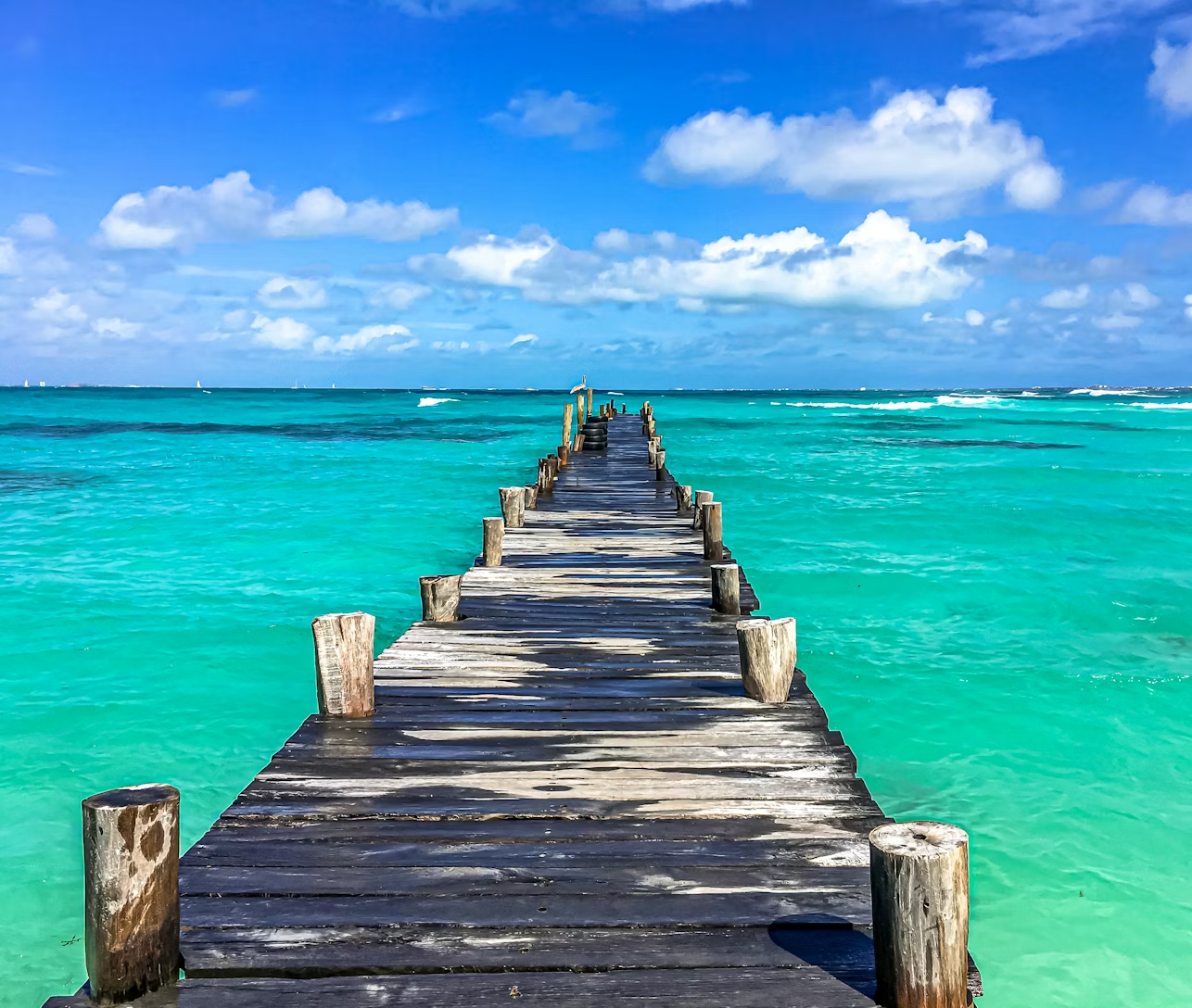
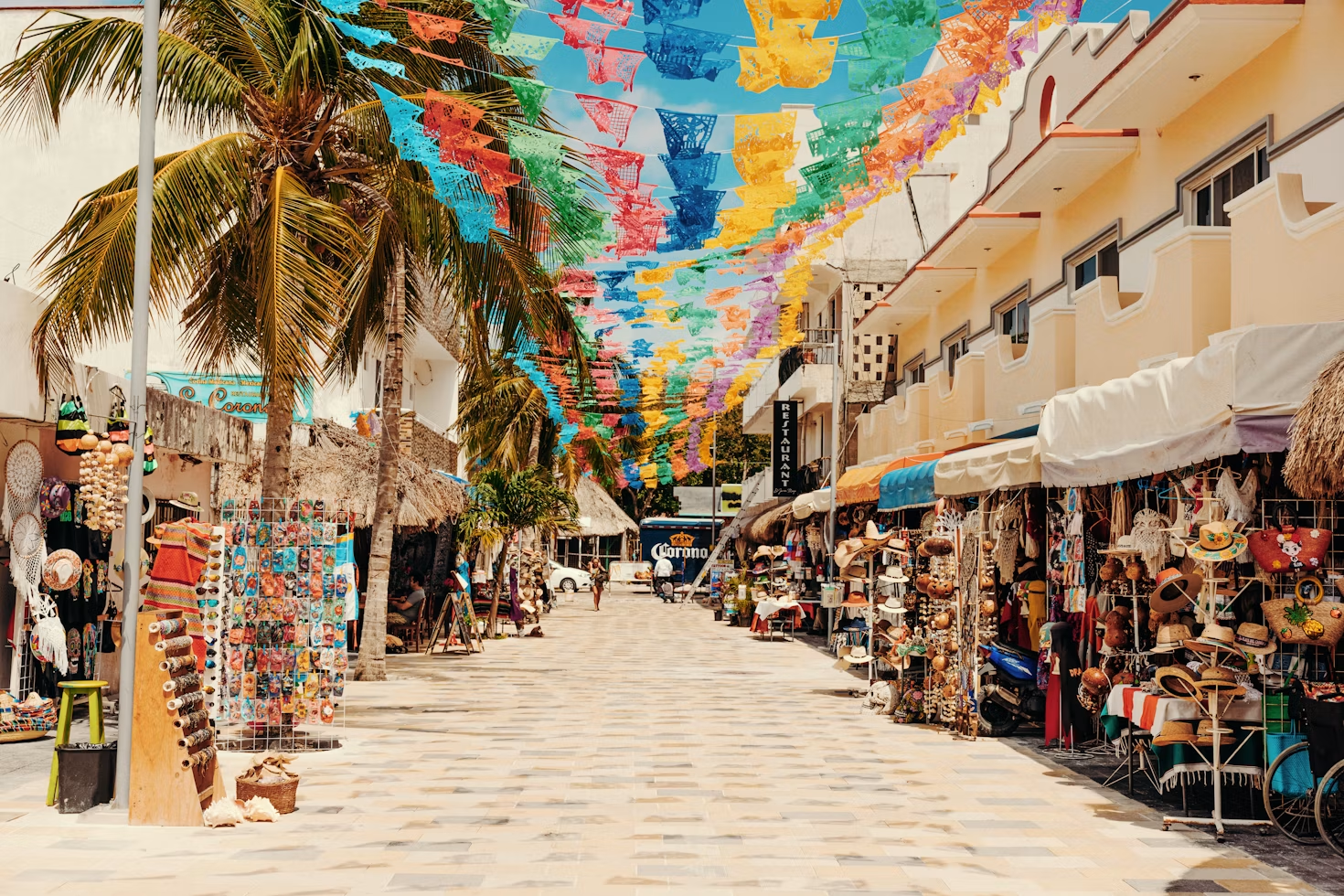
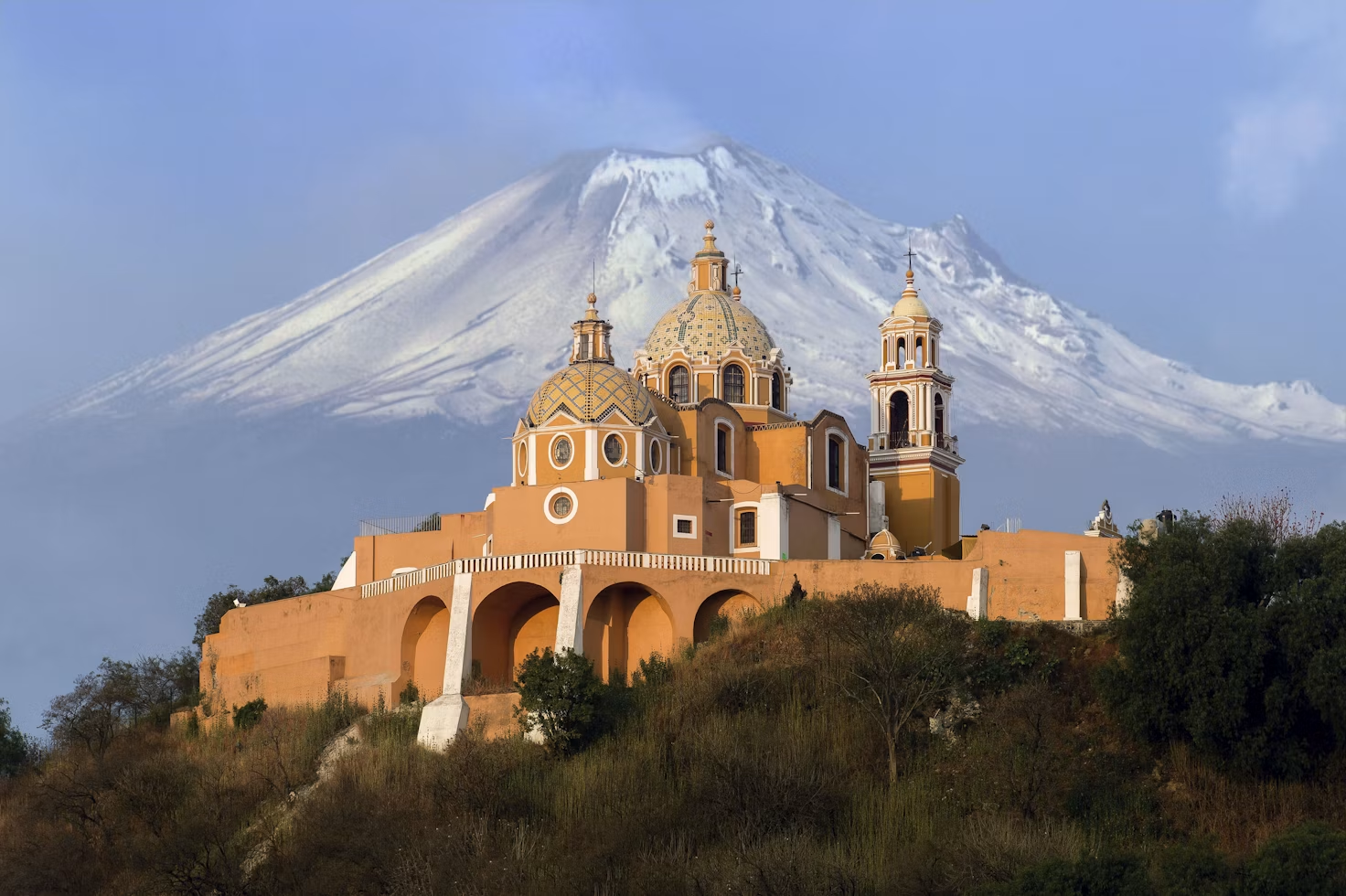
  • Mexico editorial photograph
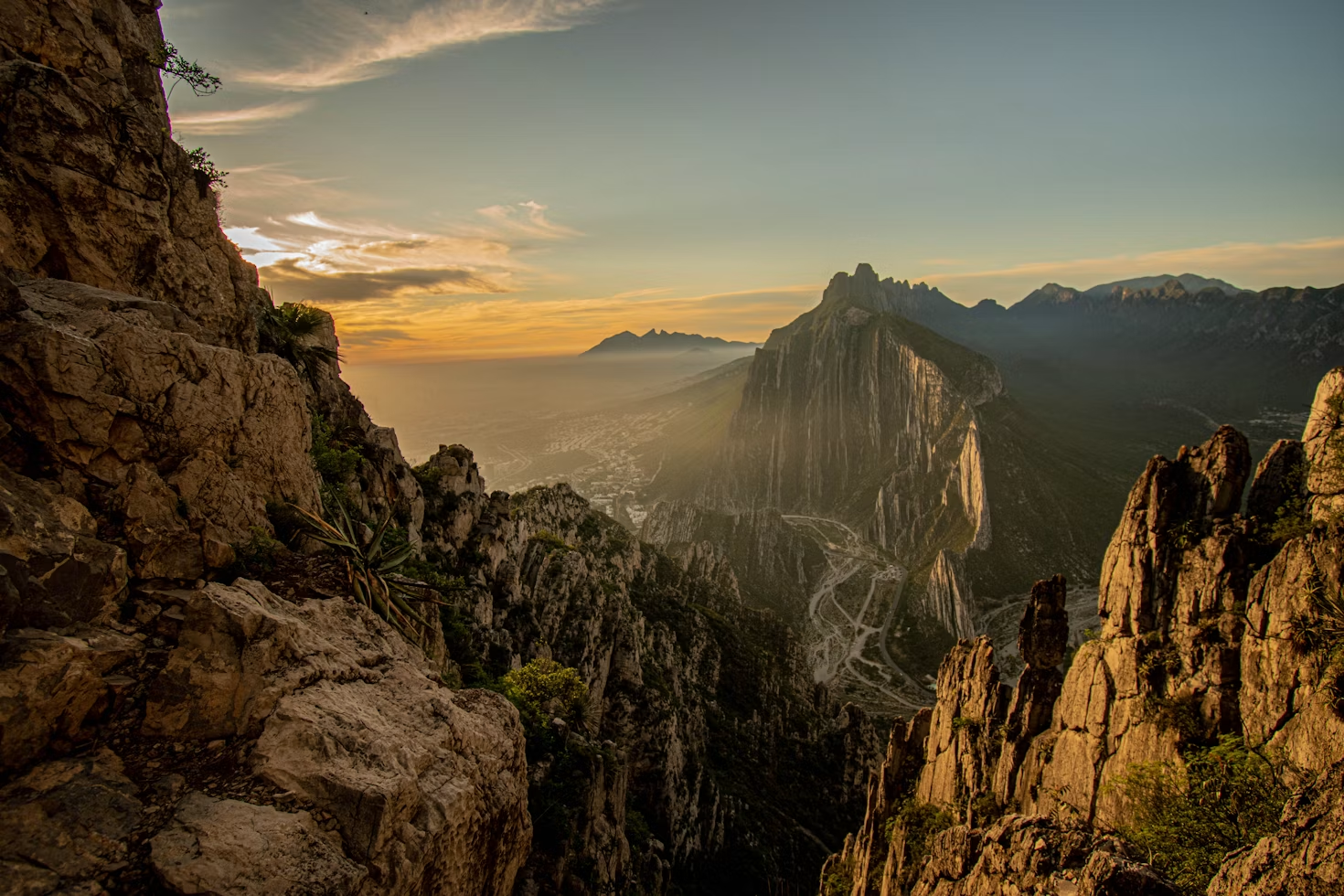
  • Mexico editorial photograph

Several routes, several ideal profiles. Which is right for you? The Freedom Consult is where we figure out your ideal path forward – and whether Mexico is even the right country.

A taste of Mexico

Mexico editorial photograph 1
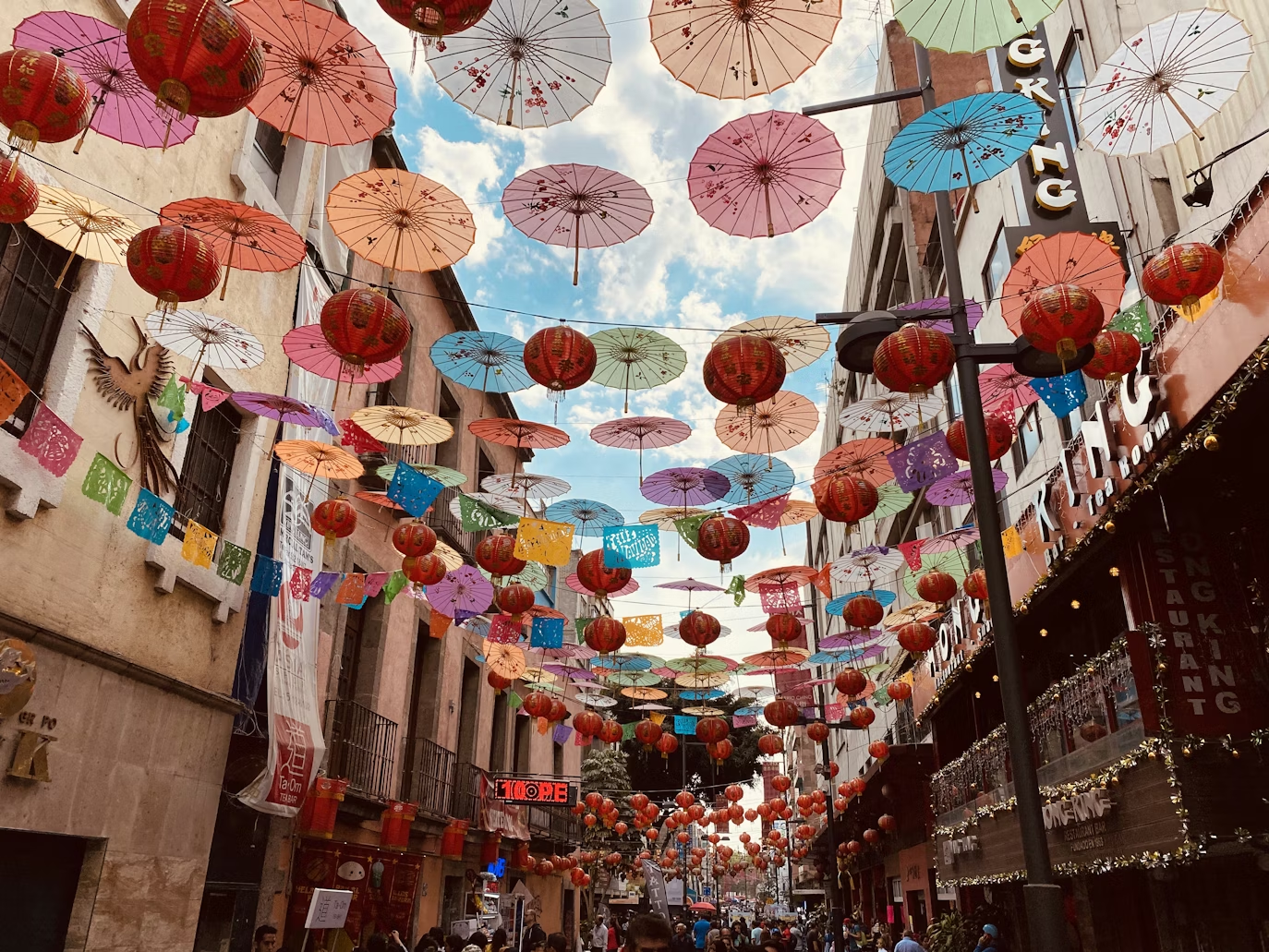
Mexico editorial photograph 2
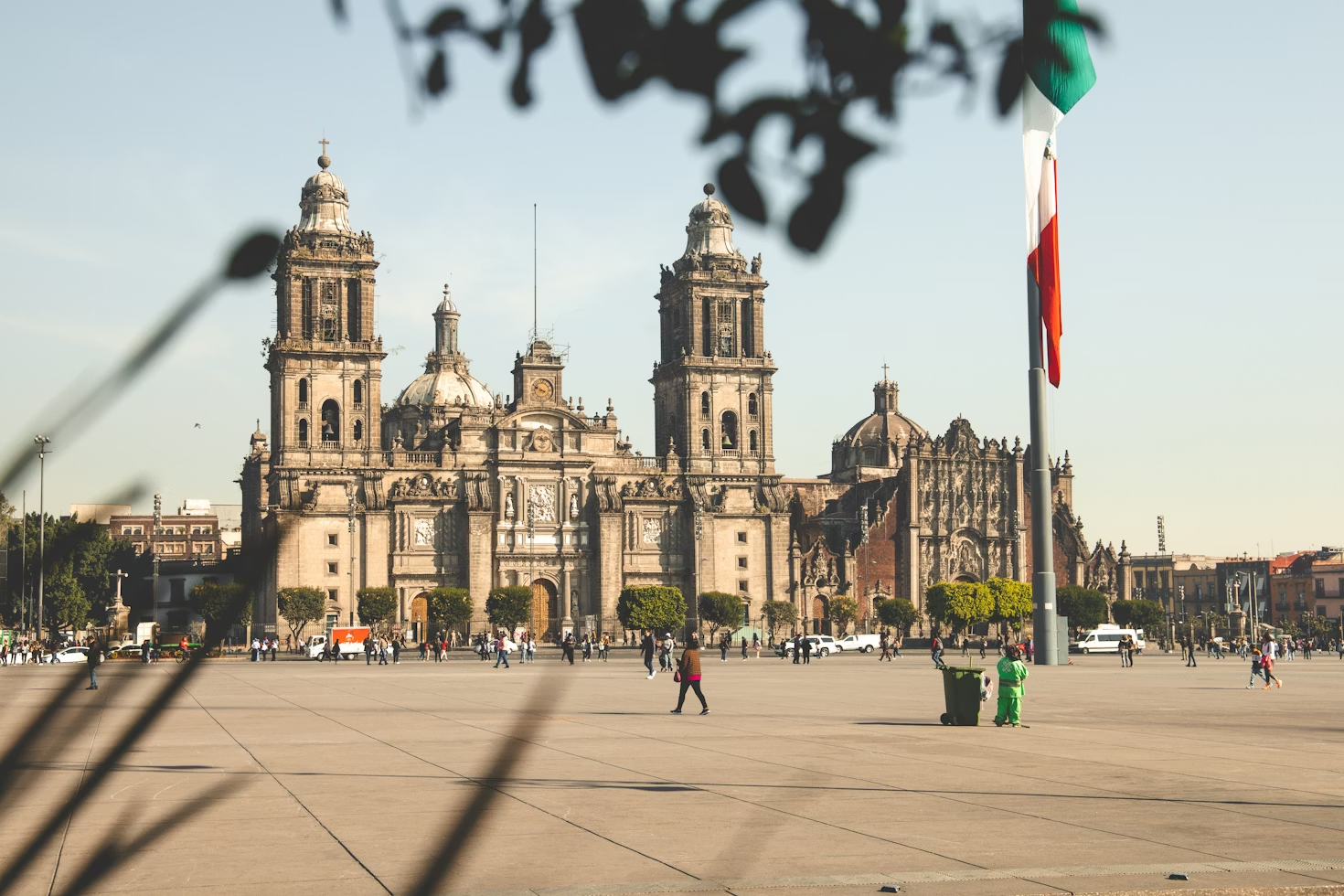
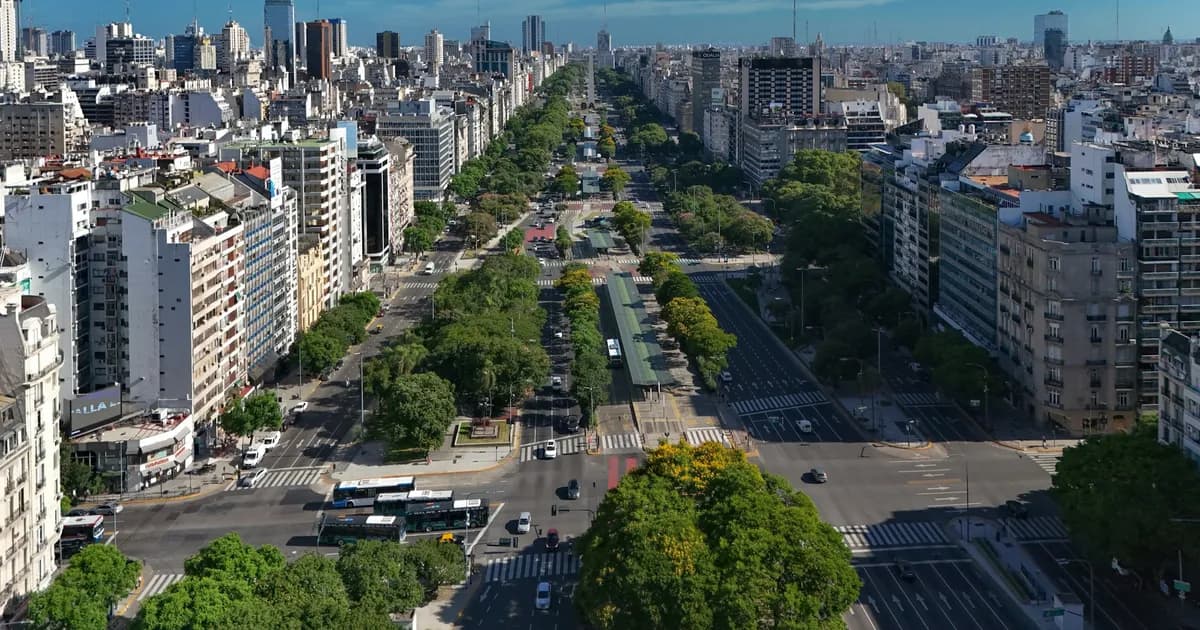
Mexico editorial photograph 3
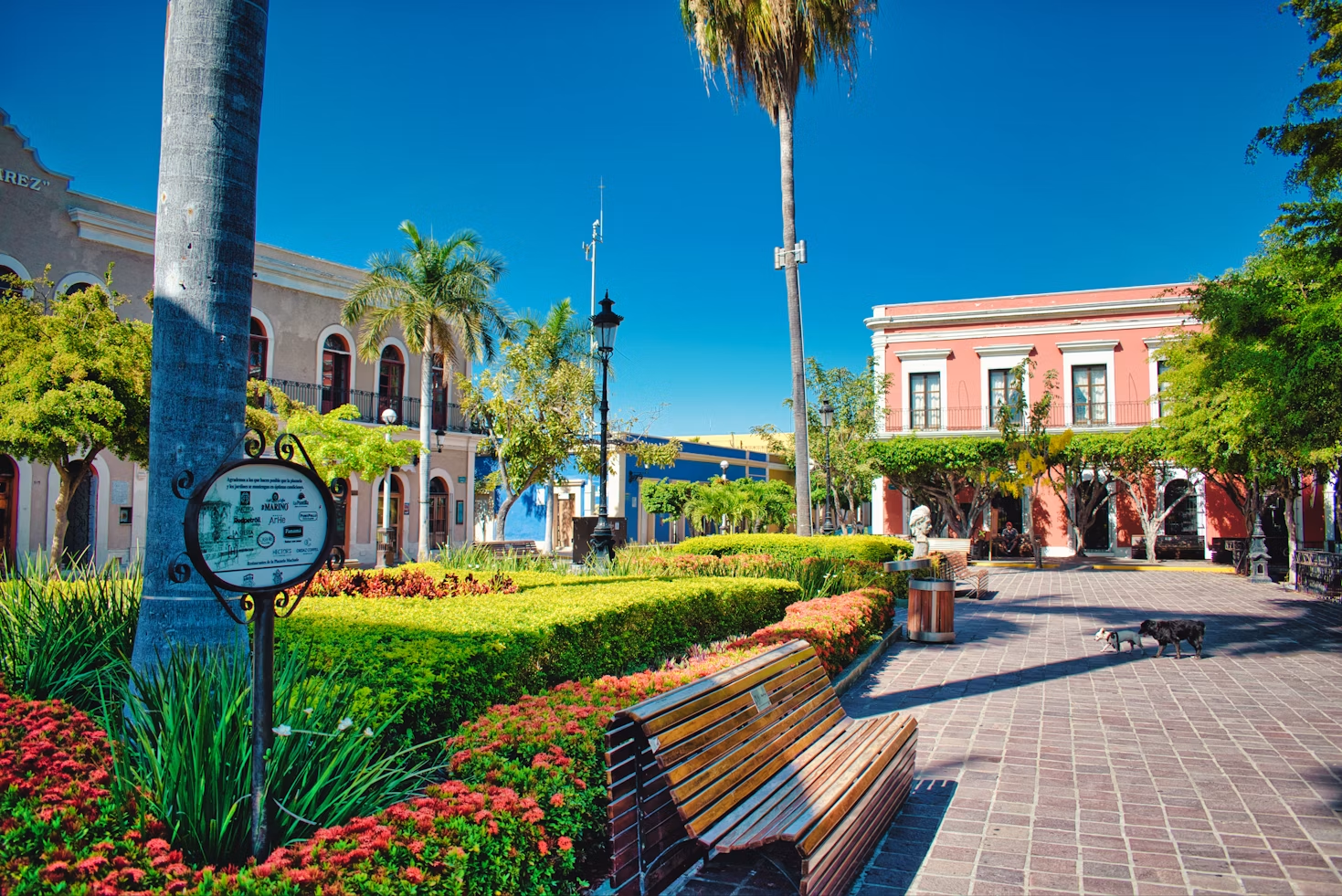
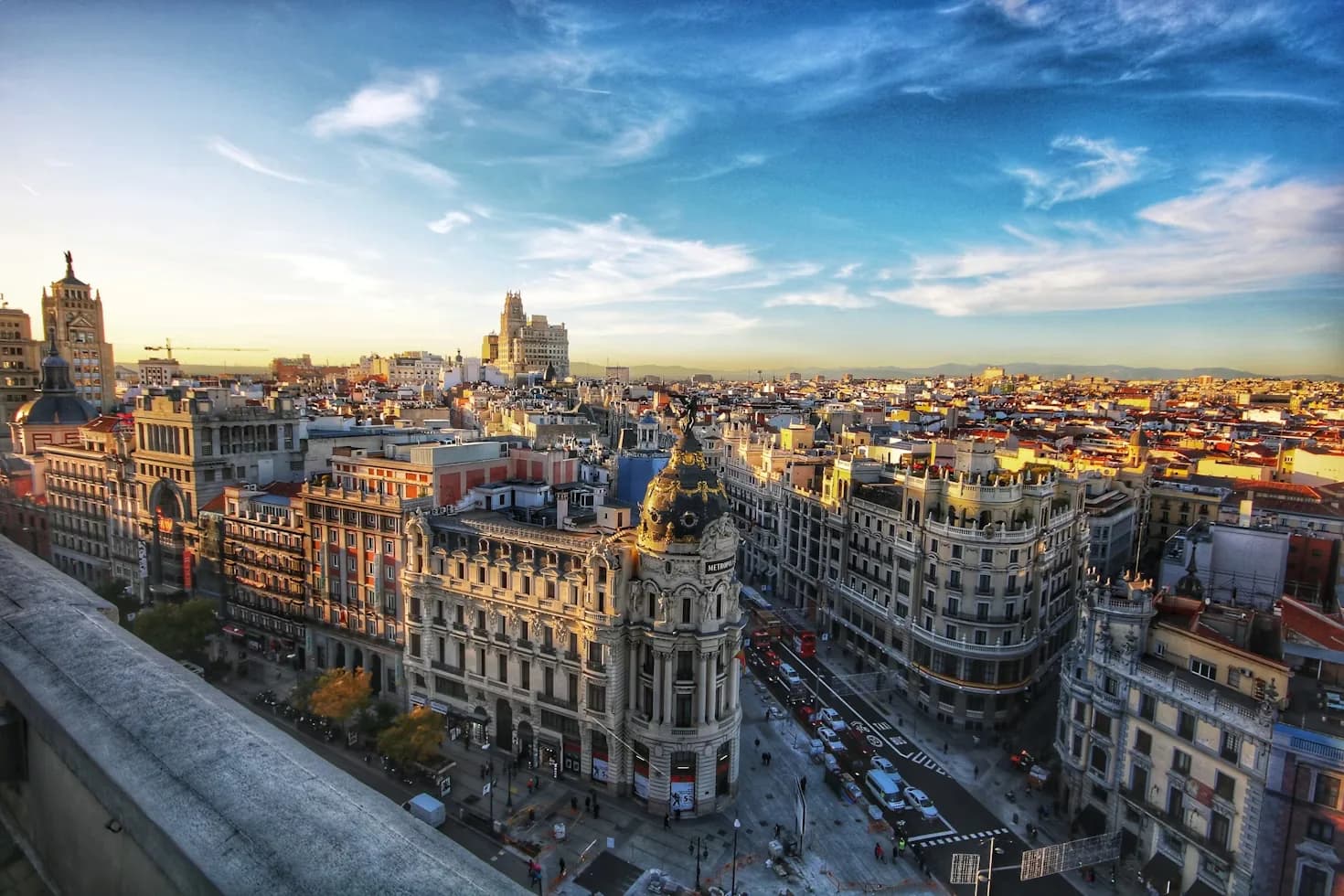
Mexico editorial photograph 5Mexico editorial photograph 6Mexico editorial photograph 7

Should I take the temporary or permanent route?

Most clients start with temporary residency. The financial threshold is lower, the application is lighter, and the conversion to permanent at year four is procedural. The direct-permanent route makes sense for clients who want the cleaner long-term status from day one, do not want to handle four years of renewals, and can comfortably demonstrate the higher savings or income thresholds. We map the right approach during the consult based on your portfolio and timeline.

How is the income threshold proven?

Mexican consulates require six months of bank statements (for the temporary route) or twelve months (for permanent) showing average monthly deposits at or above the threshold. The income must come from foreign sources; Mexican-sourced income does not count toward the qualification. For the savings route, the relevant statements show the qualifying balance held continuously over the same period. We brief on document packaging during the engagement.

How long until I can hold a Mexican passport?

Five years of legal residency for most Americans, reduced to two years if you marry a Mexican citizen or have a Mexican-born child. The clock counts time on temporary residency, permanent residency, or both combined. A basic Spanish-language test and a basic Mexican-history exam are part of the application.

Do I have to learn Spanish?

Daily life in Mexico City's Condesa and Roma, San Miguel de Allende, Puerto Vallarta, Lake Chapala, and the major coastal expat zones runs comfortably in English at most professional and service contexts. Outside those zones, Spanish becomes essential. The naturalization application requires a Spanish-language assessment, which most clients build through immersion plus formal tutoring during the five-year residency window.

What happens to my US taxes once I move?

The United States taxes citizens on worldwide income regardless of residency. Mexico taxes residents on worldwide income, with foreign-tax-credit overlap that mitigates double taxation in most cases. The US-Mexico tax treaty mechanics are technical; we coordinate with US-licensed counsel to plan the filing overlap properly.

Can my family come with me?

Yes. Spouses or registered partners, dependent children, and dependent parents qualify under a single application. Each family member receives proportionate residency rights and the same five-year clock to citizenship. The income threshold scales modestly for additional dependents on the temporary route.

Is it safe to live in Mexico?

The established American expat zones (Mexico City's Condesa, Roma, Polanco; San Miguel de Allende; Puerto Vallarta; Lake Chapala; Mérida) are statistically safer than many US small cities. Other parts of the country require care, and we steer engagements toward the established zones during onboarding. We brief on geography during the consult and update active clients on any material changes to regional advisories.

Will I have to give up my US citizenship?

No. The United States and Mexico both permit dual citizenship. Mexico has allowed dual citizenship since 1998, and you can hold both passports indefinitely.

How life compares

Eight factors, against the US baseline

The dimensions that decide whether a place is workable once the visa lands.

English

Strong in expat zones

Mexico City's Condesa and Roma, San Miguel de Allende, Puerto Vallarta, Lake Chapala, and the major beach towns run in English at most professional and service contexts. Outside those zones, Spanish is essential.

Cost of living

Dramatically lower than US

Mexico runs 50-65% below US coastal-city benchmarks. A comfortable expat-zone life for a couple costs $2,500 to $4,000 a month including premium housing, healthcare, and household help.

Taxes

Worldwide for residents

Progressive resident rates topping at 35% with US foreign-tax-credit overlap. US-Mexico treaty mechanics typically prevent double taxation in practice. US worldwide-income filing continues regardless.

Quality of life

Wide microclimate menu

Pacific, Caribbean, highland, jungle, and desert geographies all within one country. Pick the climate and city by lifestyle, then build the life. Mexico City is among the most underrated global capitals on cultural depth.

Safety

Neighbourhood and region specific

Established expat zones are statistically safer than many US small cities. Other regions require situational awareness. We steer engagements toward the established hubs during onboarding.

Travel connectivity

Excellent to the US

Daily direct service from every major Mexican city to most major US cities. Two to five hours from the US depending on origin. Mexico City Benito Juárez is a major Latin American hub with connections across the Americas and to Europe.

Infrastructure

Strong in cities, uneven outside

Major-metro utilities, internet, and transit are reliable and modern. Rural infrastructure is materially weaker. Healthcare in Mexico City and the major beach destinations is excellent.

Healthcare

High quality, very low cost

Private healthcare in Mexico City, Guadalajara, and Monterrey is on par with major US private hospitals and a fraction of the cost. Comprehensive private insurance runs $150 to $300 per month per adult.

The Mexico briefing

The facts, programs, and comparison

A four-page PDF covering everything on this page plus the comparison framework we use internally. Delivered to your inbox, and the next briefing every week.

No spam ever! Unsubscribe in one click.

Get your custom Plan B Blueprint

Most people spend 100+ hours researching residency and citizenship options before they realize they were looking at the wrong programs. We compress that into 10 questions, 90 seconds, and a single report.