Explore Panama and its Plan B potential, guided by the Freedom Files. See the trip →

Freedom FilesFreedom Files

Second Citizenship for Americans

A second citizenship is the part of a Plan B that no government can withdraw for a missed renewal. It's a passport, a right of abode your family can use without permission, and in most countries something your children inherit. This page covers what second citizenship is, the four routes to one, what each costs, and the US rules that apply to an American who gets one.

What Is a Second Citizenship?

Citizenship is membership in a country, not permission to visit one. It has no expiry, no renewal, and no conditions you can fail. A residence permit is something a government grants and can withdraw. Citizenship, once granted, is yours, and in almost every country it passes to your children.

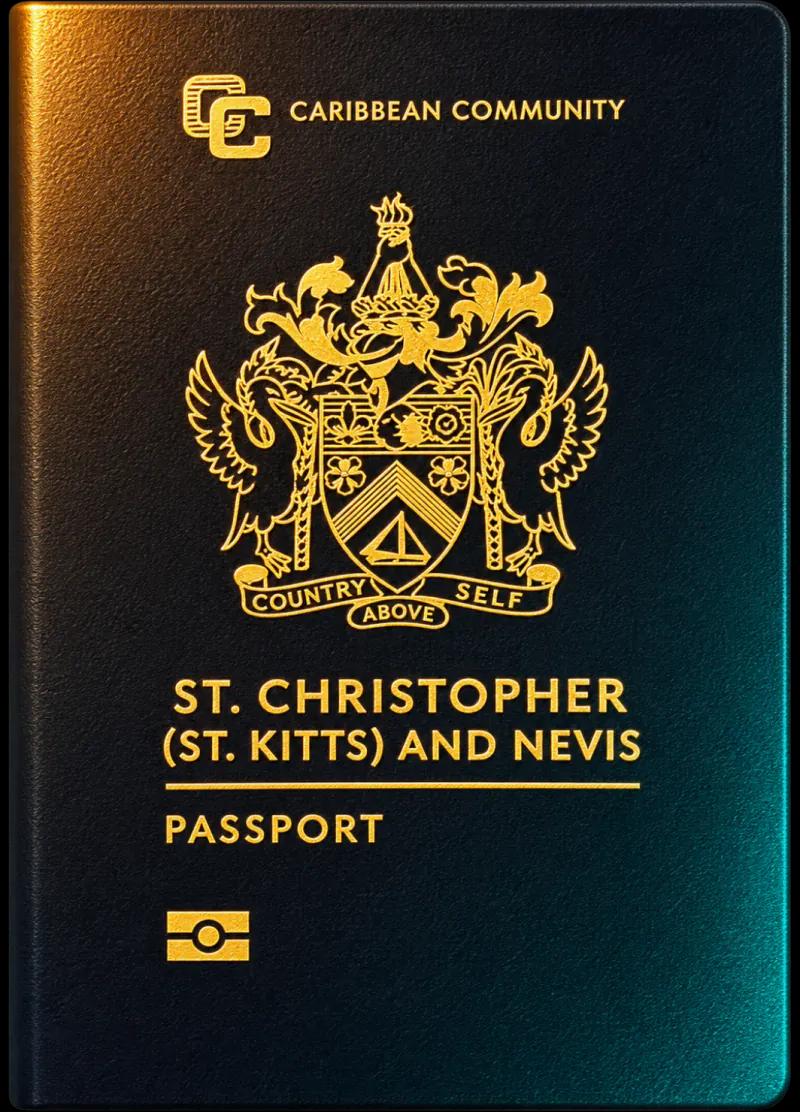
The passport is the visible part, and the part most people shop for: A Caribbean passport opens Europe, the UK, and much of Asia without a visa. The more useful part is the right of abode, the unconditional right to enter and live in a country whatever else is going on. That's what people mean when they describe a second citizenship as insurance.

For an American, one thing deserves saying before anything else: A second citizenship is not a tax strategy. US tax follows your citizenship, and adding another one changes nothing on your return. What it does is give you options, and we'd rather you bought it for the right reason.

A street in Valletta, Malta, whose citizenship by merit route is the only one in the EU

Citizenship Against Residency

What citizenship gives you

  • A passport and its visa-free travel
  • No renewal and no conditions
  • The right to live in any of the 27 EU states
  • Transfer to your children
  • A vote and consular protection
  • Nothing a government can withdraw
A Mexican passport, one of several a descent claim can deliver

Where residency is enough

  • You want to live somewhere specific
  • Your budget is under $200,000
  • Capital placed rather than spent
  • You'll begin the naturalization clock
  • A tax regime comes from residence
  • You want to test a country first

The Vocabulary You Need to Know

Citizenship by investment
A program written into law that grants citizenship in exchange for a qualifying economic contribution. Approval comes from a government unit, not a court, and most programs require no residency before or after.
Naturalization
Becoming a citizen after enough years as a legal resident. The slow route, and the one most of the world uses. Usually a language test, a civics exam, and a presence requirement stricter than the one for renewing a permit.
Citizenship by descent
A claim you already have through a parent, grandparent, or in some countries a great-grandparent. You're not applying to become a citizen, you're proving you were born one. Costs documents and patience rather than capital.
Due diligence
The background investigation every investment program commissions on each adult applicant. It covers source of funds, criminal history, sanctions, and media. It's a per-person fee and the most common reason an application is declined.
Dual nationality
Being a citizen of two countries at once. The United States permits it, so an American who naturalizes elsewhere doesn't give up their US passport unless they formally renounce it.
Right of abode
The unconditional right to enter, live, and work in a country, with no permit and no renewal. The part of a second citizenship that does the work in an emergency, as distinct from the travel the passport unlocks.

How Do I Sort Through My Citizenship Options?

Six questions, in the order that saves the most money. The first one disqualifies the entire market for a meaningful share of Americans, which is why it comes before any discussion of price.

  • Do You Already Qualify for One?

    Before pricing anything, check your family tree. Several countries grant citizenship to the descendants of their nationals, sometimes two or three generations back. If a grandparent qualifies you, the cost is documents and a wait.

    Italy, Ireland, Poland, and Hungary all grant by descent, and each delivers full EU rights. No program on the market sells that at a comparable price.

  • How Fast Do You Need the Passport?

    This is the question that decides between the two routes you can buy. Investment delivers inside a year and a half. Naturalization takes years of residency first. If the reason you want one is a situation you can see coming, only one of those is a plan.

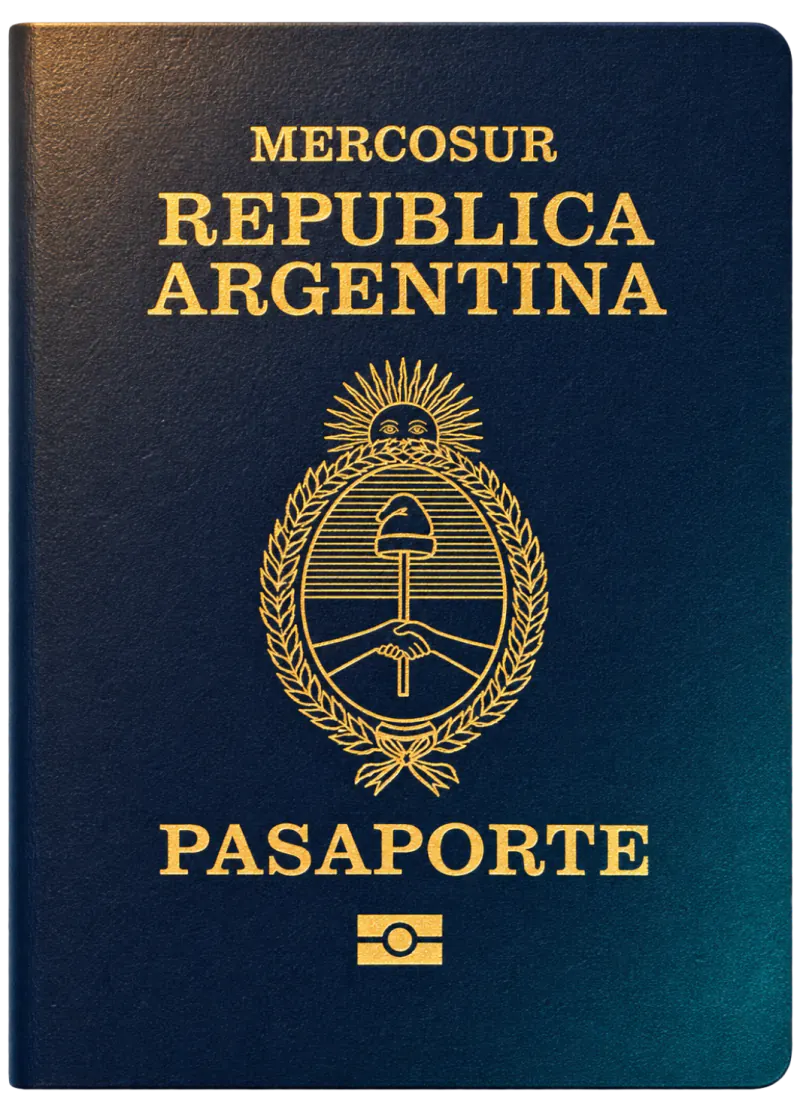
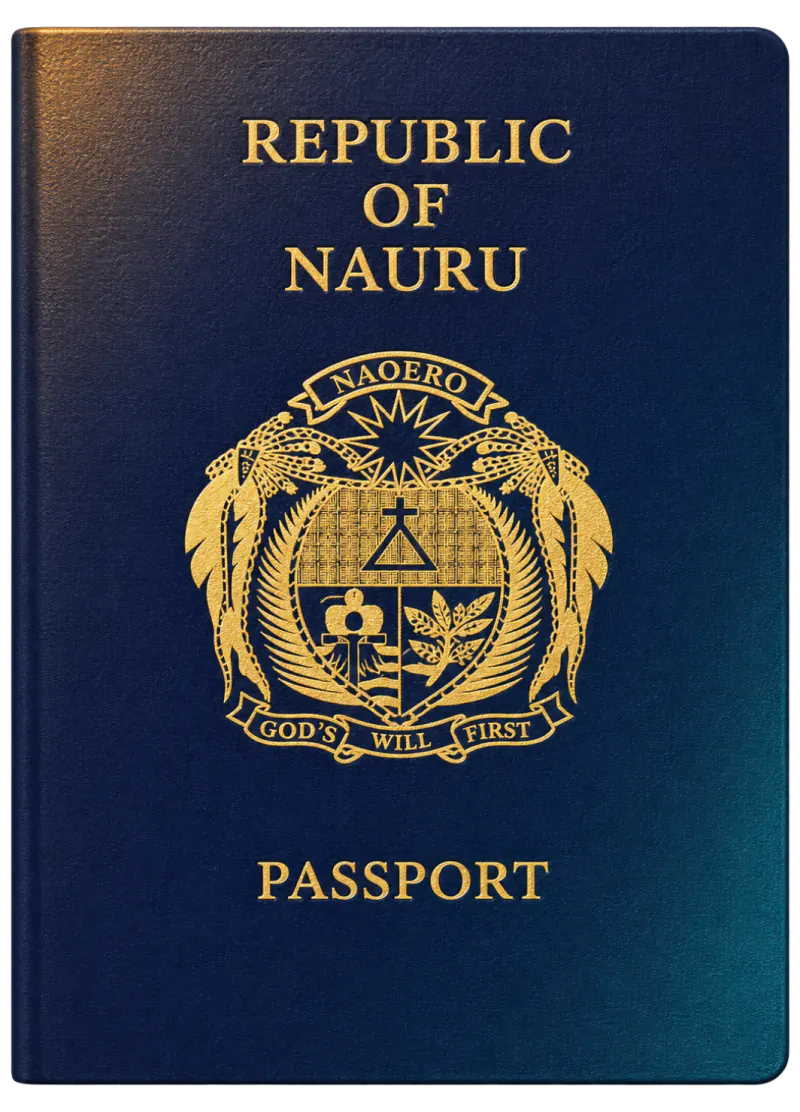
    Vanuatu and Nauru are the fastest we offer. Argentina naturalizes in about two years, the quickest credible residency-to-passport path.

  • Does Your Capital Come Back?

    Every investment program offers at least two ways in, and they aren't equivalent. A donation is spent. A property or bond purchase is capital you expect to recover, which usually means a higher headline figure and a lock-up period.

    Dominica is $200,000 as a donation or $200,000 in approved property. The donation is gone; the property can be resold after the lock-up.

  • What Do You Want the Passport to Do?

    Travel and insurance are different goals. If you want visa-free access to Europe and the UK, the Caribbean delivers it cheaply. If you want somewhere your family has an unconditional right to live, the question becomes whether you'd want to be there.

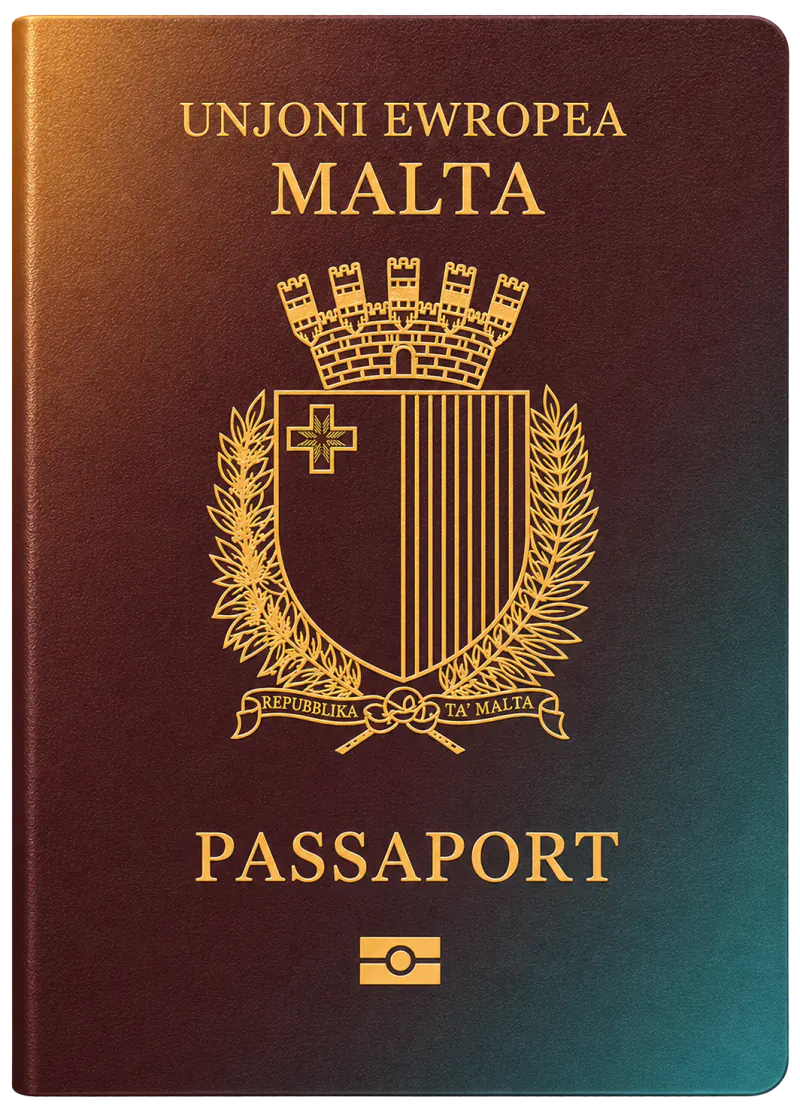
    St Kitts & Nevis is strong for travel. Malta gives 27 countries of right of abode instead of one.

  • Who Needs to Be Included?

    Programs price per person, and the definitions differ. Most include a spouse and minor children. Many extend to children in full-time study to 25 or 30, and several include parents above a set age. Four people can change the total more than a different country would.

    Pricing a family of four rather than one applicant moves most Caribbean programs, including Grenada and St Lucia, by $50,000-$100,000 once every fee is counted.

  • Will the Program Pass Due Diligence?

    Every program investigates each adult applicant: Source of funds, criminal record, sanctions exposure, and press coverage. Declines are usually about documentation rather than character, and the fee is charged whether you're approved or not.

    An American whose wealth came from a business sale with clean records has an easier file than one with complex crypto gains and thin paperwork. We review the file before anyone applies.

What Are My Options for Citizenship?

There are four ways to become a citizen of a second country, and only two of them are products anyone can sell you. We cover all four here because choosing the expensive one when a free one was available is the most common mistake we see.

RouteWho it fitsWhat you commitWhat you getPrograms
DescentAmericans with immigrant ancestors. You have a parent, grandparent, or in some cases a great-grandparent who was a citizen.Document retrieval, translations, and apostilles. Typically $3,000-$15,000 and no investment.Yes, and it's the same citizenship a national has from birth
InvestmentInvestors and families who need a date. You want a passport on a known date and you have capital you can place or contribute.$90,000-$400,000, as a donation that's spent or a property purchase you expect to recover.Yes, on approval. Most programs require no residency
NaturalizationPeople who intend to move. You're willing to live somewhere for years and you want the stronger passport that usually comes with it.Whatever the residency route costs, plus years of presence, a language test, and a civics exam.Yes, if the country allows it. Several permits never reach it
MarriageSpouses of citizens. You're married to a citizen, or intend to be.Nothing financial. A residency period that's usually shorter than the standard one.Yes, though most countries interview and some require cohabitation
Country pages give the thresholds, the step-by-step, and a fee calculator for a single program.

Descent costs almost nothing and delivers the best passports on this list, so it's the first thing to rule in or out. We don't earn anything on a descent claim and we'll tell you to pursue one anyway, because an Italian or Irish passport through a grandparent is a better asset than anything on the market at $250,000.

Between the two routes we do work on, the division is time against money. Investment buys a date: You know what you're paying and roughly when the passport arrives. Naturalization buys a stronger document for less cash, in exchange for years of living somewhere and meeting a presence requirement. If the reason you want a second citizenship is a scenario you can see approaching, only one of those two is a plan.

Every Citizenship Program We Offer

Fourteen programs, from a $90,000 contribution to Malta's merit-based route. Each card opens the country page, where the program gives its qualifying options, document list, processing window, and a calculator that totals the government and third-party fees for your household.

What Americans Need to Know

Most citizenship-by-investment marketing is written for a buyer who isn't taxed on worldwide income and doesn't need an apostille from a state capital. Here's what changes when the applicant is American.

  • It doesn't reduce your US tax

    The most expensive misunderstanding in this industry. US tax follows citizenship, so a second one changes nothing on your Form 1040. Only renouncing ends a US filing obligation, and that's a separate, permanent decision. Anyone selling a passport as a tax strategy is selling the wrong product.

  • Dual citizenship is permitted

    The United States doesn't make you choose. You can naturalize elsewhere, swear an oath to another country, and travel on both documents. A few other countries do force a choice, so the constraint is almost never on the American side.

  • Renouncing triggers an exit tax

    Give up US citizenship and Section 877A can treat you as having sold everything the day before, with tax on the gain above an indexed exclusion. Net worth above $2 million or a high five-year average tax bill puts you in scope. Model it years ahead, not at the counter.

  • Source of funds decides it

    Due diligence declines are documentation problems. Every dollar needs a traceable history: Sale documents, tax returns, and bank statements that agree with each other. Crypto gains and family gifts both pass, but only with records built before the application.

  • The US paperwork takes longest

    An FBI identity history summary, police certificates from every country you've lived in for six months or more, and an apostille on each document. Birth and marriage certificates usually have to be ordered fresh. This sets the floor on a timeline.

  • Your name has to match everywhere

    Passports, birth certificates, and marriage certificates with inconsistent spellings are a recurring cause of delay, and slow to fix once a file is open. Maiden names, middle initials, hyphenation, and accents all need to reconcile before submission.

None of this is tax or legal advice. We tell you where the rules apply to your situation and we work alongside your CPA before anything is signed. If you'd rather do it yourself, the primary sources are IRS guidance on expatriation under Section 877A and each program's governing act, which we'll point you to.

Citizenship, Covered in Depth

43 articles on citizenship programs, descent claims, naturalization timelines, and what the process looks like from the inside.

More on citizenship

Common Questions

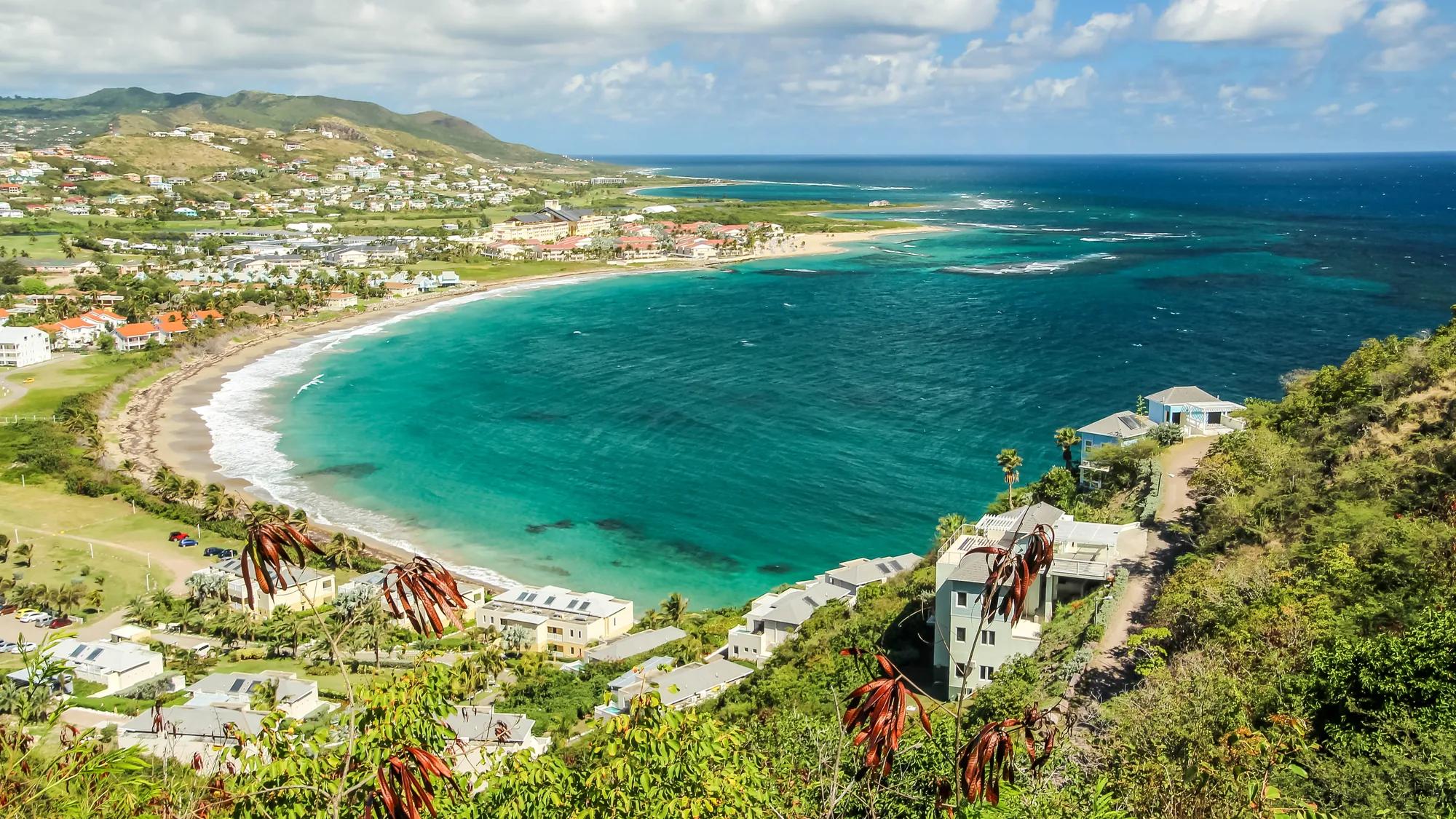
  • Frigate Bay shoreline in St Kitts

    Can Americans have dual citizenship?

    Yes. The United States permits dual and multiple citizenship, and naturalizing elsewhere does not put your US passport at risk. You can swear an oath of allegiance to another country, vote there, and travel on both documents. The restrictions that do exist come from the other country: A few require you to give up any prior citizenship when you naturalize, which is a question about their law rather than ours.

  • What is the cheapest second citizenship?

    The lowest entry points we offer are Nauru and São Tomé & Príncipe at a $90,000 contribution and Sierra Leone from $95,000, followed by Vanuatu at $130,000. In the Caribbean the floor is about $200,000 in Dominica. Those figures are the contribution only; government, due diligence, and processing fees add meaningfully, and they're charged per person, so the cheapest program for one applicant isn't always the cheapest for a family of four.

  • Istanbul skyline at golden hour

    How long does it take to get a second passport?

    5-17 months by investment, measured from the first call to the passport in hand. The headline processing windows programs publish cover only the government's review: Assembling a complete document file takes 1-2 months because the FBI check and state apostilles set the pace, due diligence takes 1-3 months, and the investment itself adds time. Through naturalization it's 2-10 years of residency first. Through descent it depends on the consulate, often 1-4 years.

  • Does a second passport reduce my US taxes?

    No. Your US tax obligation attaches to your citizenship, not your residence or your other passports. Acquiring a second citizenship changes nothing on your return. Where a second citizenship can help with tax is indirectly, by giving you the right to become tax resident somewhere with a favorable regime, and that benefit comes from where you live rather than from the document itself.

  • Valletta harbor buildings in Malta

    Do I have to live in the country to get citizenship by investment?

    On most programs, no. The Caribbean programs, Vanuatu, Nauru, and São Tomé & Príncipe grant citizenship with no residency before or after, and several don't require you to visit at all. Turkey requires no prior residency either. Malta's route is the exception among the fast programs: It requires a residency period before the citizenship application, which is part of why it costs what it does.

  • Is citizenship by investment legal?

    Yes. Each program is created by an act of the country's parliament, administered by a government unit, and audited. Thirteen of the programs we offer have been in place for years, and St Kitts & Nevis has had one since 1984. What varies is how carefully a program is managed, which is why due diligence standards and the program's standing with visa-waiver partners are part of what we evaluate before recommending one.

  • Can I include my family?

    Yes, on every program we offer, though the definition of family and the pricing change by country. A spouse and minor children are included everywhere. Many programs extend to children in full-time study to 25 or 30, and several include parents or grandparents above a set age. Because fees are charged per person, the difference between pricing one applicant and pricing a household of four is often larger than the difference between two countries.

  • What happens if I renounce my US citizenship?

    You stop filing US returns, and you may trigger the expatriation rules under Section 877A. If your net worth is above $2 million, or your average US tax bill over the prior five years is above an indexed threshold, or you can't certify five years of compliance, you're treated as having sold your worldwide assets the day before you expatriate and taxed on the gain above an exclusion. It's permanent, and it should be modeled years in advance. We don't advise on it, and we tell clients plainly that a second passport is the prerequisite rather than the decision.

Where to Go Next

If living somewhere specific is the goal rather than an option on a passport, the residency pillar covers the three routes into a permit. If you'd rather browse by country, every destination we offer is on one map.

Get Your Free Plan B Blueprint

Answer ten questions in two minutes, and we’ll match you with the residency and citizenship programs that best fit your goals.

What do you want from your Plan B?