
A second passport in months, not decades
Most engagements move from initial filing to oath in about 14 months. Compare that with the ten-to-fifteen-year residency clock most European naturalization routes now require.
Explore Panama and its Plan B potential, guided by the Freedom Files. See the trip →
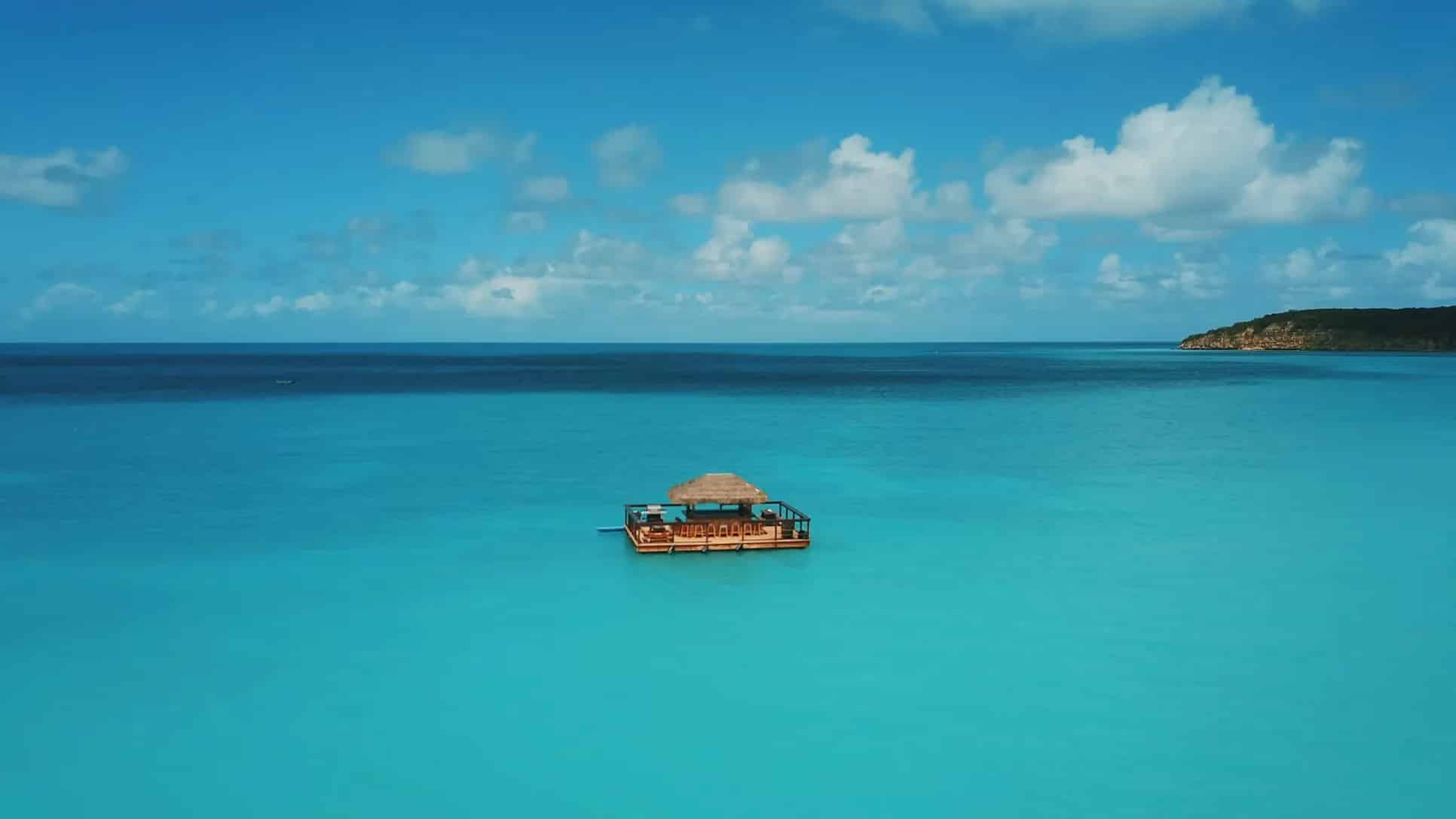
A second passport in about 14 months, visa-free access to roughly 150 countries, and a light physical-presence requirement across the first five years of citizenship.
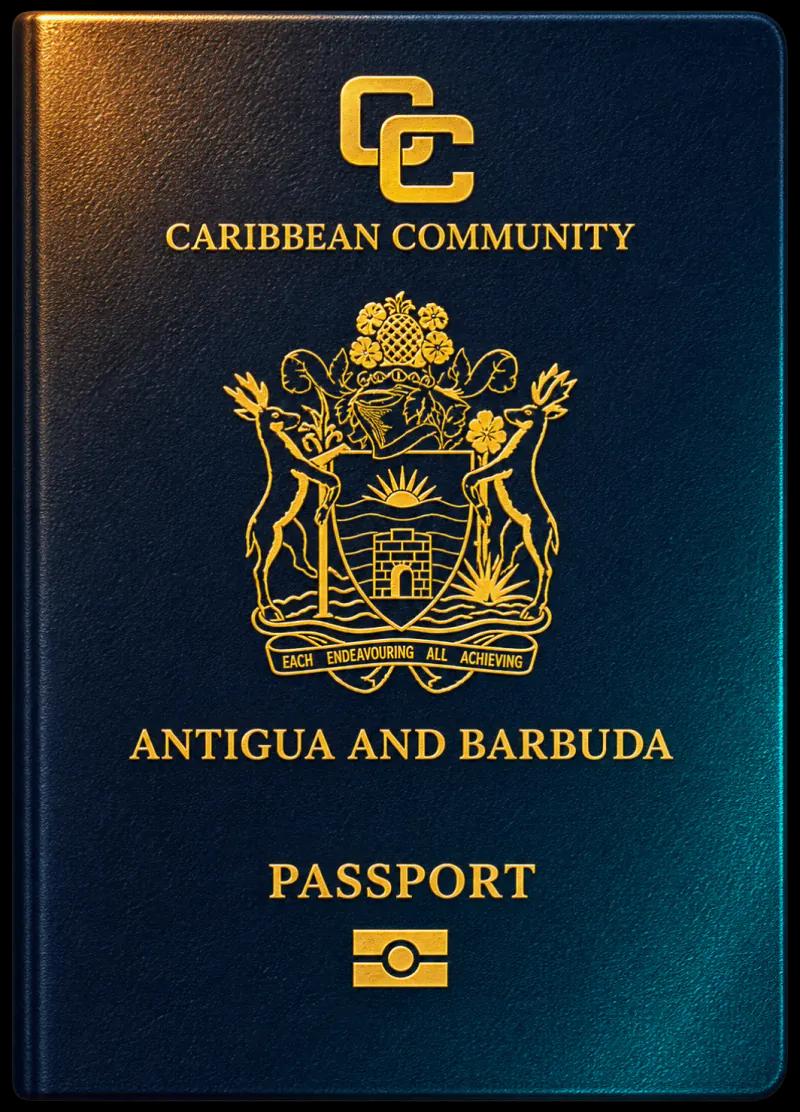
Most engagements move from initial filing to oath in about 14 months. Compare that with the ten-to-fifteen-year residency clock most European naturalization routes now require.
A short window of physical presence across the first five years of citizenship, built around the oath ceremony for most clients. You preserve your US life intact, have a sovereign second passport, and plan a single deliberate stretch of time on the island.
The Antiguan passport covers the Schengen Area, the United Kingdom, Singapore, Hong Kong, and most of the Commonwealth visa-free or visa-on-arrival. For US citizens whose primary need is the optionality of a second passport, the practical mobility delta is minimal.
Antigua does not tax worldwide income, capital gains, or inheritance for individuals, including new citizens. Your tax residency does not need to change merely because you acquire the passport.
Spouse, dependent children, dependent parents, and dependent siblings can be included on the original filing. Future-born children and future spouses can be added later for modest add-on fees.
The official language is English. Every legal instrument, every form, every interview is in English. There is no language test, no integration course, and no cultural exam.
Each route below is a live client engagement we have advised. Figures and timelines reflect the current state of each program; we update them whenever policy moves.
Among the most established Caribbean CBI programs. National Development Fund donation is the cleanest route at $230K for a family of up to four; the alternative is a $300K investment in a government-approved real estate project, with a five-year ownership period. Lawful sources, clean Interpol record, and standard due-diligence checks apply.
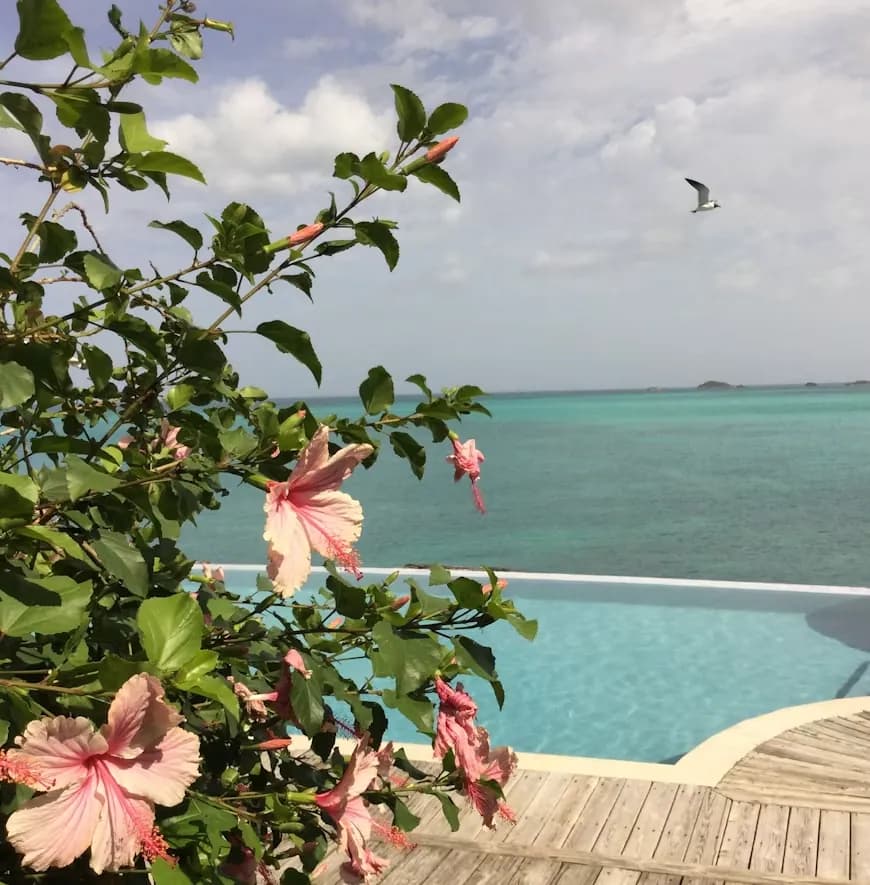
Several routes, several ideal profiles. Which is right for you? The Freedom Consult is where we figure out your ideal path forward, and whether Antigua & Barbuda is even the right country.
Get my Blueprint

From engagement to oath, about 14 months is the working range for clean applications. The bulk of our work, document gathering, source-of-funds packaging, and due-diligence prep, happens in the first eight to ten weeks. The government's due-diligence and approval phase makes up most of the timeline.
No, but a deliberate visit is now part of the program. Under the September 2025 five-state regional agreement, the rule is at least thirty days within the first five years of citizenship. Antigua has signaled a possible rise to ninety days in response to US pressure over the Caribbean CBI programs; the day-count will be finalised in implementing legislation. Most clients build the visit around the oath ceremony and a follow-on stay. Your passport remains valid regardless of where you live the rest of the time.
Spouse or registered partner; dependent children up to age 30 with qualifying conditions; parents and grandparents over 55 who depend on the principal applicant; and unmarried dependent siblings. The donation tier is fixed for a family of up to four; each additional dependent adds a tiered fee. Future-born children and future spouses can be added later.
Acquiring an Antiguan passport does not change your US tax residency or your worldwide-income filing obligation. Antigua itself does not tax foreign-source income, capital gains, or inheritance, so if you ever do choose to shift tax residency, the Antiguan side is light. We coordinate with US-licensed counsel for clients pairing this with another residency move.
Yes. The United States and Antigua & Barbuda both permit dual citizenship. You have both passports indefinitely.
The government engages an independent international due-diligence firm to investigate every adult applicant, financial background, source of funds, criminal record, prior visa refusals, and political-exposure status. We pre-screen every engagement against the same criteria so there are no surprises at the government stage. Around 5-10% of applicants are screened out at intake; we would rather you know in the first call than after $30K of fees.
The Caribbean CBI programs have faced US and EU pressure over the past three years, and Antigua has responded by raising the donation threshold (from $100K to $230K) and tightening due diligence. The program remains active and politically supported. We track every public consultation and brief active engagements within hours of material policy moves.
The dimensions that decide whether a place is workable once the visa lands.
English
Official, universal
English is the official language. Every government document, every legal interaction, every transaction works in English with no translation overhead.
Cost of living
Higher than US average
Imported goods make Caribbean island life expensive. Most CBI clients do not relocate to Antigua, so the lifestyle cost is not the practical question, the passport is.
Taxes
No worldwide tax on individuals
No personal income tax, no capital-gains tax, no inheritance tax. The passport does not change US tax obligations, but Antigua itself is a clean tax environment if you later relocate.
Quality of life
Resort-grade if you visit
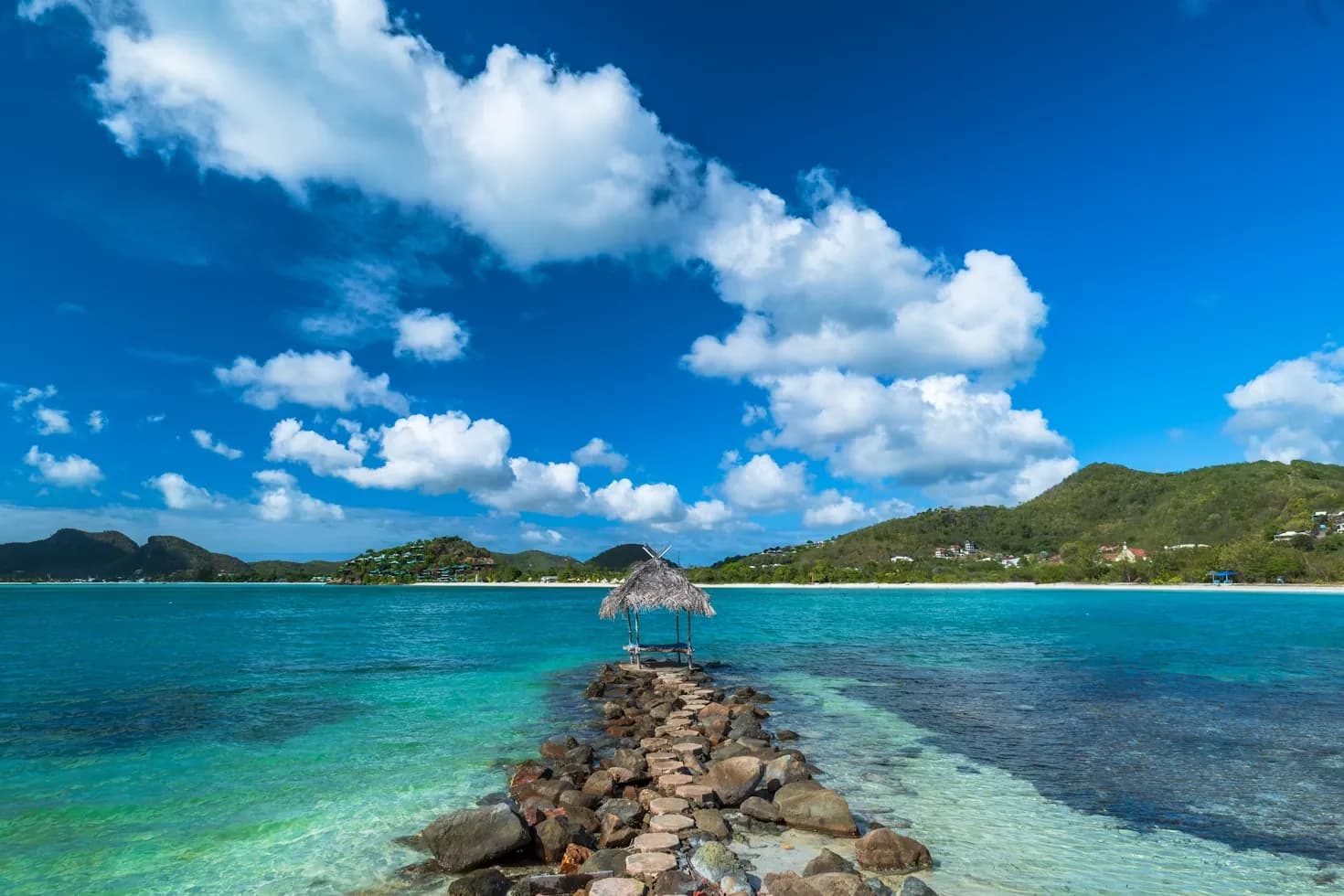
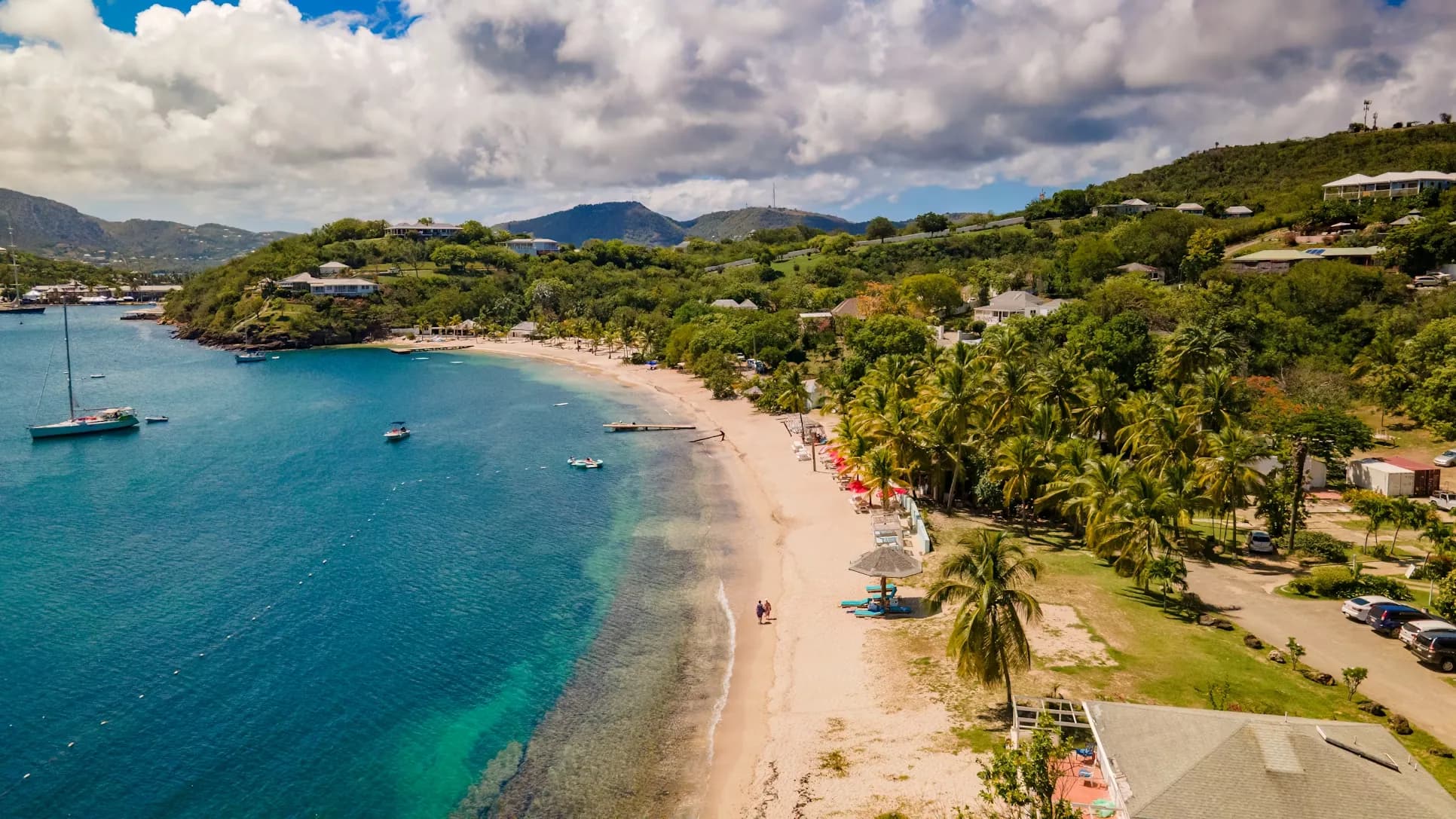
365 beaches, year-round 75-85°F, low population density, deep sailing culture. The English-Harbour and Jolly-Harbour areas are well-developed expat hubs.
Safety
Calm by Caribbean standards
Petty theft is the standard urban concern. Violent crime is rare. The expat residential areas and resort zones are statistically safer than many US small cities.
Travel connectivity
Strong to the Americas
Daily direct service to Miami, New York, Charlotte, and Atlanta. Direct flights to London, Frankfurt, and several Canadian cities. Caribbean intra-island connectivity is excellent.
Infrastructure
Functional, occasional friction
Utilities and internet are reliable in expat areas. Hurricane season requires planning. Major banks and international service providers work as expected.
Healthcare
Basic locally, evacuate for complex
Primary and routine care are available locally. Most CBI clients have international insurance with US or Miami evacuation coverage for complex procedures.
Deeper coverage of Antigua & Barbuda from the Freedom Files library: Long-form articles and video deep dives.
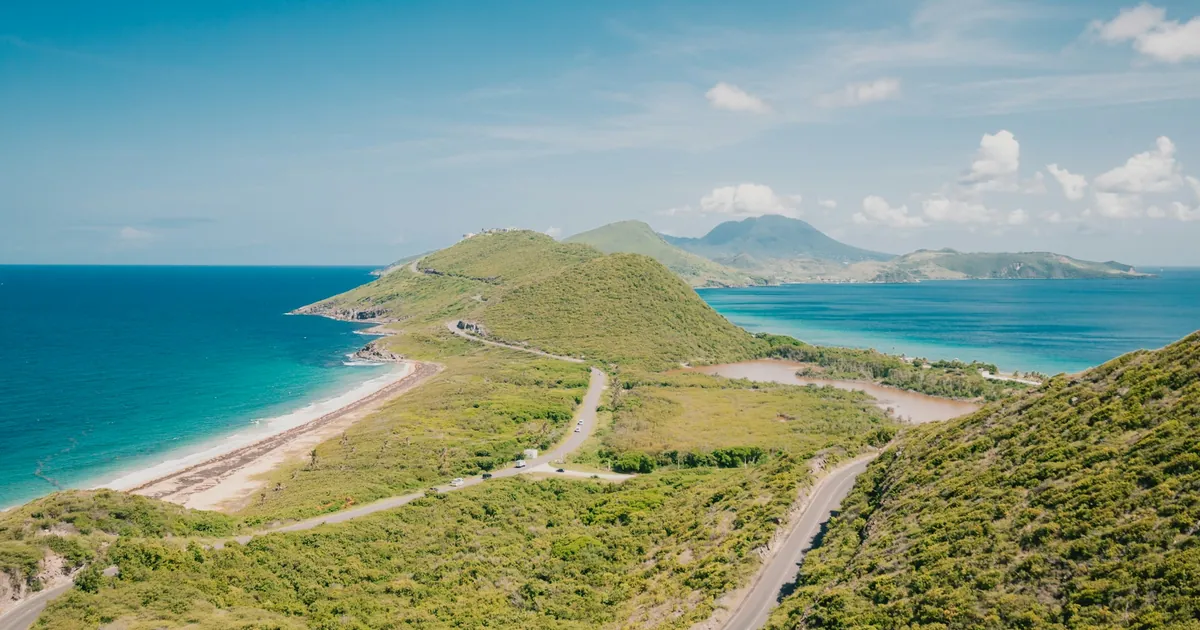
Antigua & Barbuda offered to close its citizenship by investment program by 2030, while St Kitts & Nevis remains open and accepting applications. Here's our read on why the EU won and where Plan B buyers go next.
 St Kitts & Nevis
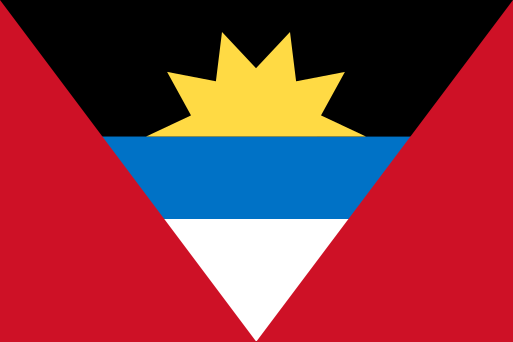 Antigua & Barbuda

Non-Americans can drop their total tax rate to 0% by establishing tax residency in the right jurisdiction; US citizens simply avoid a second tax bill on top of the IRS. Here are all 19 tax-friendly countries across four systems in 2027, from the UAE and the zero-tax island citizenships to Panama's territorial system, Turkey's 20-year exemption, and the Irish and Maltese non-dom regimes, plus the residency or citizenship route into each.

Europe is rearming, Germany is sending military questionnaires to men born in 2008 or later, and from December 18, 2026, the Selective Service registers US men 18 to 25 automatically. Here are 12 countries with no military draft in 2027: Six direct citizenships, including two Caribbean programs heading for the exit, and six residencies that naturalize into a draft-free citizenship, plus the popular programs whose fine print attaches conscription.
Our free Antigua & Barbuda briefing is a PDF covering everything on this page, plus the comparison framework we use internally. Delivered to your inbox.
Answer ten questions in two minutes, and we’ll match you with the residency and citizenship programs that best fit your goals.
What do you want from your Plan B?