
In this article
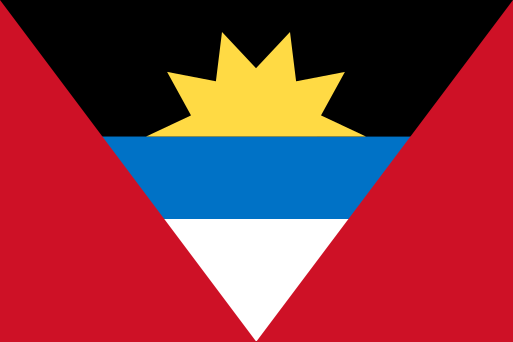
A Caribbean passport used to be one of the safest purchases in the second-citizenship world. That changed in 2026, when the European Commission sent letters to the government leaders of all five Caribbean countries with citizenship by investment programs, Antigua & Barbuda, St Kitts & Nevis, Grenada, Dominica, and St Lucia, with one short message: phase out your citizenship by investment program by June 1, 2028, or risk losing visa-free access to Europe's Schengen Area. By November 2026, St Kitts & Nevis had announced a wind-down of its program, and Antigua & Barbuda had offered to close its program by 2030.
That ultimatum changes what a Caribbean passport is worth, especially for the American investors who make up a large share of the buyers. Below: exactly what the EU demanded, the precedent that proves the threat is real, the two very different buyer profiles a second passport serves, and the three cheaper citizenship by investment programs worth pricing against the Caribbean in 2027.
What the EU Demanded from the Caribbean Citizenship Programs
In 2026, the European Commission wrote to the Prime Minister of Antigua & Barbuda and to the leaders of every Caribbean nation with an active citizenship by investment program. Each country received a 24-month window to wind its program down, with a hard deadline of June 1, 2028, plus a list of vetting and due diligence measures Europe wanted in place by September 2026.
The most important detail is buried in the framing. Under Europe's new visa-suspension rules, simply having a citizenship by investment program is now grounds on its own for suspending a country's visa-free access. Not evidence of abuse. Not weak vetting. The existence of the program itself. However clean, however well-managed, however strengthened the due diligence has become since the price hikes of recent years, the program is the offense.
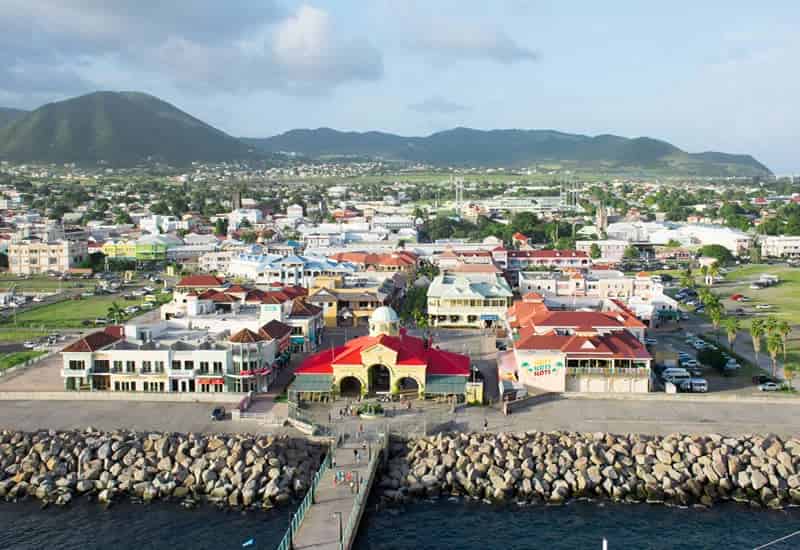
The first answers are in. St Kitts & Nevis announced in November 2026 that it is winding its program down, and Antigua & Barbuda has offered to close its program by 2030, later than the EU's deadline. Neither government gives up the revenue lightly. Citizenship by investment revenue has funded hospitals, schools, disaster recovery, and infrastructure across the Eastern Caribbean for years. But wanting to preserve a program and being allowed to preserve Schengen access at the same time are two different things, and only one of them is within a Caribbean government's control.
Vanuatu Already Proved the EU Is Not Bluffing
If the threat sounds theoretical, look at Vanuatu. The Pacific nation sold the same promise the Caribbean sells today: fast citizenship, under 3 months, with visa-free access to Europe attached. Investors wired money in specifically for that access. Then Europe pulled it. The suspension began in 2022, and by 2025 Vanuatu's visa-free access to the European Union was gone permanently.
Picture the buyer who paid for a Vanuatu citizenship in 2021 because of European travel access. The passport works. The reason they bought it does not exist anymore. That is the structural risk in any citizenship whose value rests on one benefit that a foreign bloc can revoke by decree: the value can swing hard from one year to the next, and you feel it only on the day you go to use it and cannot.
What a Second Citizenship Is Really For
A second citizenship is a 20-year decision, often longer. It is not simply a travel document. You are buying a second place your family can belong to if the first one stops working for you, or if you decide to give it up. The question is not which passport opens the most airport gates this year. The question is what the citizenship does for your family over decades.
With every family we advise, we evaluate five measures, among others:
- Livability: would you want to spend time there, and could you move there quickly if you had to?
- Tax: does the country tax you in a way that helps or hurts your broader position?
- Healthcare and education: what do your children and your parents get access to?
- Descent: do your children inherit the nationality, and does that open opportunities or create problems?
- Family inclusion: who does the program cover? Spouse, children, parents, siblings, even business partners in the case of Sierra Leone.
Notice what is not on that list: visa-free travel. That omission is deliberate, and the reason becomes obvious once you separate the two kinds of buyers.
Buyer One: Replacing Your US Passport (Plan A)
The smaller group of buyers is considering renunciation: done with worldwide taxation, the politics, the direction of the country, or all three. For this buyer, the second citizenship is not a backup. It becomes the plan A, the document handed to every border agent for the rest of their life and inherited by their children.
For a renouncer, travel access and the reputation of the document are the most serious considerations on the list. A weak passport as your only passport is not a plan B. The Caribbean programs are strong here today: St Kitts & Nevis reaches roughly 155 destinations visa-free, including the full Schengen zone and the UK, though the government announced in November 2026 that it is winding the program down.
Which is exactly why the renouncer has the most to lose from Brussels. If Europe pulls the visa waiver in 2028, a plan A built on a Caribbean passport loses its core function overnight, and renunciation is irreversible. You cannot un-renounce your way back to an American passport.
If you are on this path, one citizenship is probably not enough. Pair the Caribbean document with residency in a country you would want to live in anyway, a European residency by investment or relocation being the obvious candidate, so your Schengen access does not depend on a letter from Brussels. Our residency library covers the main routes, and our guide to Europe's 15 special tax regimes maps the tax side of basing yourself there. Before any of it, understand the reasons many American expats choose not to renounce.
Buyer Two: Adding a Plan B While Retaining Your US Passport
The larger group, probably including you, has no intention of renouncing. You want a plan B, and behind it a plan C and a plan D, for yourself, your children, and your assets.
Here is what changes: your American passport is already one of the strongest travel documents on Earth. It reaches most of the world visa-free, including Europe. So a $200,000+ Caribbean citizenship whose headline benefit is European visa-free travel is selling you something you already own. The travel access is redundant. What you are really buying is the other five factors, and none of them require a top-tier travel document.
Once travel drops out of the equation, the price of admission falls to the floor. That is why the cheapest citizenship by investment programs are absorbing so much attention right now:
- São Tomé & Príncipe: $90,000 for a single applicant, around $95,000 for a family of four
- Nauru: in the same neighborhood
- Vanuatu: around $130,000
- Sierra Leone: around $140,000, or $100,000 with proven African descent, with ECOWAS access attached
- Turkey: Asset-backed and pricier, with capital you can recover when you sell
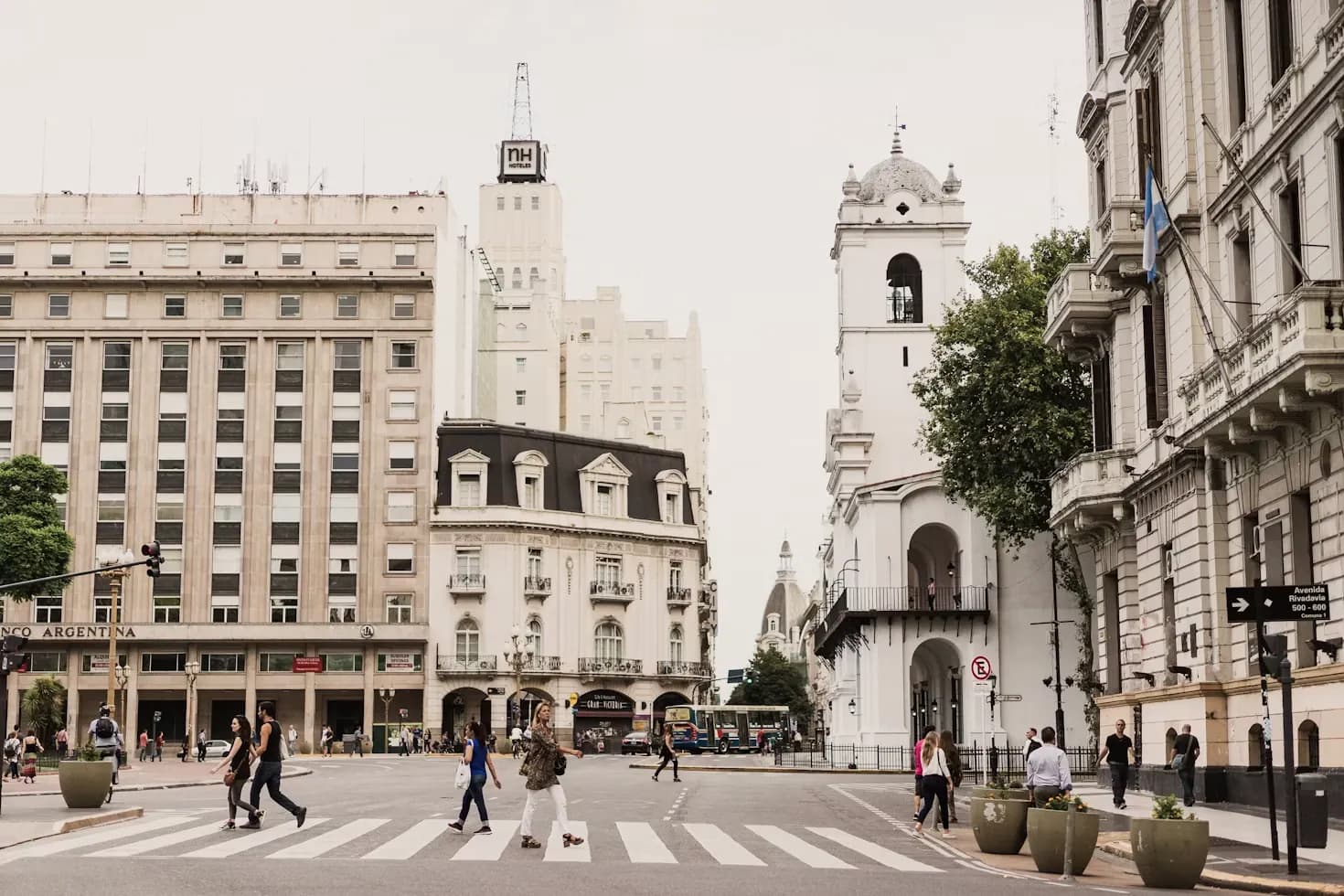
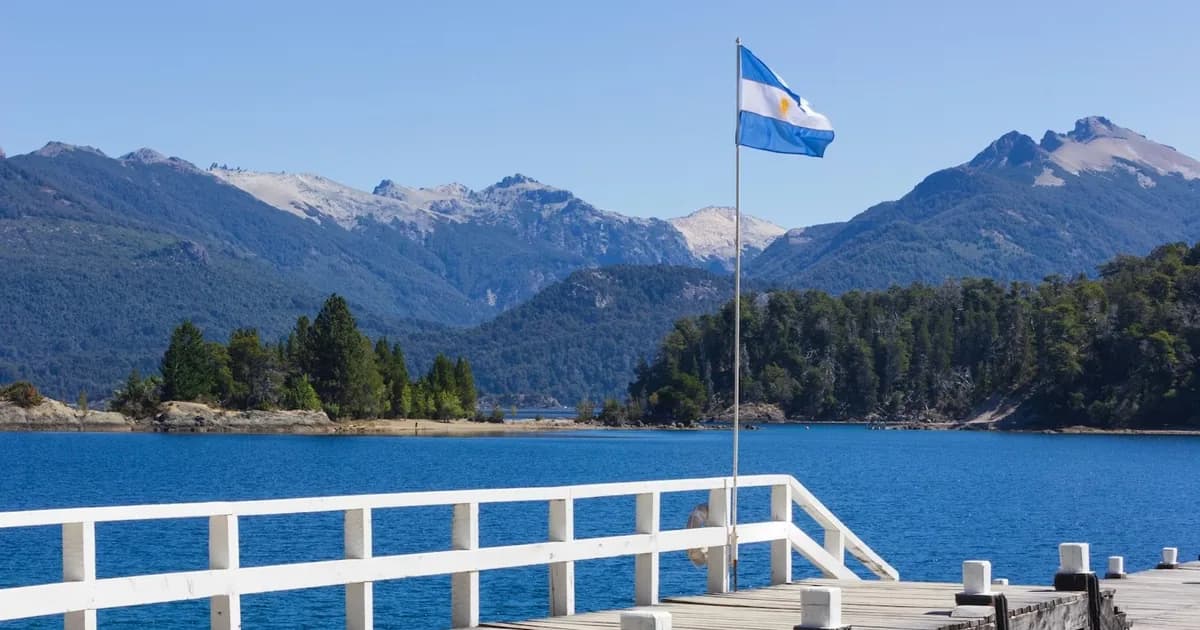
- Argentina: Eventually, though its program isn't live yet and has no launch date
Line the sub-$150K options up against $200,000 to $250,000 in the Caribbean and the difference is $100,000 to $150,000 in savings. None of these are good travel documents. São Tomé reaches roughly 60 destinations; Nauru reaches neither Europe, the UK, the US, nor Canada. The buyers do not care, because they are not buying travel. They are buying the passport for the job it does. Our full ranking of the cheapest citizenships by investment compares these programs line by line.
The Outcome Nobody Is Discussing: The Caribbean Goes Its Own Way
Here is a potentially controversial thought. What if the Caribbean tells Brussels, Washington, and Ottawa to pound sand and governs citizenship by investment on its own terms?
Right now, the five countries price their programs, vet their applicants, and shape their rules substantially to please foreign capitals. They doubled prices a few years ago for exactly that reason, extended and strengthened due diligence, and are weighing residency requirements for new citizens. That is a leash. The moment they stop trying to appease the European Union, the leash is gone. Prices could fall back to competitive levels. Vetting could be set on sovereign terms. The programs could be governed as the sovereign instruments they are.
Yes, Schengen access would go, and that would sting. But a cheaper Caribbean citizenship, free of foreign pressure and priced for what it truly is, a base, a tax position, a family fallback in a region Americans can reach in a few hours, might serve the right buyer better than the Europe-dependent version sold today. Nobody in the industry is framing it that way yet. They should.
So, Is a Caribbean Passport Worth Buying in 2027?
If you are renouncing US citizenship: a Caribbean passport remains one of the strongest travel documents money can buy at this price point, and it is also the precise target Brussels is aiming at. Do not build a plan A on it alone. Pair it with a European residency you would enjoy using, and consider naturalizing there over time.
If you are retaining US citizenship: you already own the travel access. Buy São Tomé, Nauru, or Sierra Leone instead and pocket the $100,000+ difference. That is what a rational plan B, C, and D looks like in 2027.
If you want the Caribbean for the region itself: a base, low taxes, a life your family enjoys, then buy it clear-eyed, knowing the easy travel to Europe may not survive the decade, and that St Kitts & Nevis and Antigua & Barbuda are already heading for the exit. Also read our breakdown of the hidden costs of Caribbean citizenship by investment before you price any of the five programs.
Whatever you choose, choose it for what it does over 20, 50, and 100 years, not for what it does at the airport this year.
Where to Go from Here
If you are weighing several of these programs and not sure which fits, book a Freedom Consult: 60 minutes, your goals, your family structure, and your budget mapped against every program we track, with a written roadmap within 48 hours. If you already know your target and want a plain answer to a specific question, a free 15-minute call may be enough. Either way, we are program agnostic. We simply want the best fit for you and your family.
For the asset-backed alternative at the half-million level, read our Turkey citizenship by investment guide, and pair it with the 20-year foreign-income tax shelter Turkey passed in Law 7582.
Video Transcript
Click to read the full transcript
Video Transcript
Click to read the full transcript
A Caribbean passport used to be a safe buy. That has changed. The EU has asked all five Caribbean citizenship by investment programs to wind down, and if they refuse, Europe can pull the one thing those passports have been sold on for years. In this video, I will show you what is at risk, why most people buy a Caribbean passport for the wrong reason, and what I might buy instead. Let's get into it.
Here's what happened. In 2026, the European Commission sent a letter to the Prime Minister of Antigua & Barbuda, and to the government leaders of every Caribbean country with a citizenship by investment program. The message was short: phase out your citizenship by investment program by June 1, 2028, or risk losing visa-free access to Europe. Each country got a 24-month window and a list of vetting measures Europe wants in place by September 2026. So in a couple of months, all five programs face that deadline.
I left the United States almost 10 years ago, have worked in the residency and citizenship industry since then, and have helped hundreds of mostly American families plant flags around the world in more than 30 jurisdictions.
Under Europe's new rules, simply having a citizenship by investment program in a country is now enough on its own for Europe to suspend your visa-free access. The program itself is the issue, not how clean or how well-managed it is. Many European government leaders believe these Caribbean programs are only processing criminals from Russia, the Middle East, and elsewhere. Antigua's prime minister has said he will not be pushed into shutting his program down. Fair enough. That program has funded hospitals, schools, disaster recovery, and infrastructure across that Caribbean island for years. But wanting to preserve the program and being allowed to preserve visa-free access are two different things.
And if you think this is a bluff, look at Vanuatu in the Pacific. Vanuatu sold the same promise: cheap citizenship, fast, in under 3 months, with visa-free access to Europe attached. Investors bought in for that access. Then Europe pulled it. The suspension started in 2022, and by last year, Vanuatu's visa-free access to the European Union was gone for good.
Picture the person who wired their money in 2021 for a Vanuatu citizenship whose main selling point was European travel access. Today that selling point does not exist. The passport works, but perhaps the reason they bought does not.
That is the whole point of this video. When a citizenship's value rests on one thing, and that one thing can be taken away at a moment's notice by a decree the Caribbean leaders cannot control, the value can swing hard from one year to the next. You will not feel it day to day. You will feel it the day you go to use it and cannot. If any of this surprises you, by the way, drop a comment. I'm curious about your thoughts as well.
So let's back up and ask what you were buying here in the first place. A second citizenship is a 20-year decision, maybe longer. This is not simply a travel document. You're buying a second place your family can belong to if the first one stops working for you, or you decide to give it up. More on that later in this video.
The question is not which passport opens the most airport gates this year. The question is what this citizenship does for you over decades, especially if you have children or intend to. We look at five measures, among others, with every family we work with. Livability: would you want to spend time there, and could you move there quickly if you had to? Tax: does the country tax you in a way that helps or hurts? Healthcare and education: what do your kids and your parents get access to? Descent: do your children inherit this nationality, and if so, will it cause issues or open opportunities for them in the future? And family inclusion: who else does this citizenship by investment program cover? Spouse, children, parents, siblings, even business partners in the case of Sierra Leone.
Notice what is not on that list: visa-free travel. That's on purpose, and I'll show you why in a second.
Now let's talk about you, because the answer here splits hard depending on who you are. Most Americans looking at a Caribbean passport are chasing one thing: visa-free travel, because it is the most enhanced travel access you can buy with an investment. Europe, the UK, a smoother trip through the airport. All five Caribbean programs deliver visa-free access to more than 140 to 150 countries worldwide, including Europe's Schengen Area.
But before you invest, you need to answer one question. Are you retaining your original citizenship? If it's American, are you preserving that American citizenship, or are you planning to give it up? Those are two completely different buyers, and they should be buying two completely different products. Almost nobody in this industry will tell you that, because the same program gets sold to both.
Path one: you're replacing your American passport. This is the smaller group. Say you're considering renunciation. Maybe you're done with worldwide taxation, the politics, the polarization, the lifestyle, the direction of the country, or all of those combined. If that's you, the second citizenship you buy in the Caribbean or elsewhere is not a backup. It becomes your plan A. It's the document you will hand to a border agent for the rest of your life, and the one your kids inherit.
For you, travel access and the reputation of that travel document are serious considerations, probably the most serious ones. You need to move through the world without applying for a visa every time you want to see a client in Frankfurt or a supplier in Hong Kong. A weak passport as your only passport is not a plan B. That is exactly why this industry was first created: helping those with little access to the world get more access, to travel for business, to do business in other countries.
The Caribbean passports are strong travel documents today. St Kitts & Nevis gets you into roughly 155 destinations, including the full Schengen zone and the UK. For a plan A buyer, that access is a significant portion of the whole product. Which means the person with the most to lose from any EU action is precisely the person who is going to renounce and lean on a Caribbean passport for mobility for the rest of their life. If Europe pulls the waiver in 2028, a plan A built around St Kitts & Nevis loses its core function overnight, and you cannot un-renounce. You can't go back to your original citizenship.
So if you're on this path, one citizenship is probably not enough. You likely need to pair it with residency in a country you would want to live in anyway. A European residency, either by investment or relocation, is the obvious move here, so your access to Schengen does not depend on a letter from Brussels. That is a bigger, potentially more expensive structure, and it is also the only version of plan A I would sleep well recommending to clients. Let me know in the comments if renunciation is on your table.
Now path two, for those preserving their original citizenship, which is the group most of you are in. You don't want to renounce. You want a plan B, and behind it a plan C and a plan D, for yourself, your children, your assets, and your children's children.
Here's what changes. Your American passport, whatever you think of the country right now, is one of the strongest travel documents on Earth. It gets you into most of the world visa-free, and close to 100% of the places you will ever want to go in your life. So ask yourself what a second passport with strong visa-free travel is really adding. If you already have visa-free travel to Europe on your US passport, paying $200,000 or more for a document whose headline benefit is European visa-free travel is paying for something you already own. The travel access is redundant.
Which means those five factors I listed earlier are what you're buying, and travel is not one of them. You're buying somewhere to go, somewhere your family is recognized, somewhere the optionality is helpful.
Once travel drops out of the equation, the price of admission falls to the floor. That's why São Tomé & Príncipe, Nauru, Vanuatu, Sierra Leone, and Turkey, and eventually Argentina, are taking so much of the oxygen right now. São Tomé comes in at $90,000 for a single applicant and around $95,000 for a family of four. Nauru is in the same neighborhood. Vanuatu is around $130,000. Sierra Leone is around $140,000, or $100,000 if you can prove African descent, and it hands you ECOWAS access. Turkey, and eventually Argentina, come in around half a million dollars.
Line those more affordable options up against $200,000 to $250,000 in the Caribbean and you're looking at a difference of $100,000 to $150,000 in savings, depending on which two you compare.
Let's be clear: none of these are good travel documents. São Tomé gets you into roughly 60 destinations. Nauru does not give you access to Europe, the UK, the US, or Canada. But the buyers do not care, because they're not buying travel access with those programs. They are preserving their original citizenship. That's the whole thesis of this video. Buy the citizenship for the job it does. Pay for the travel access only if you need it.
This is totally situational, and the right product depends on your goals. If you're not sure which path you're on, that's why we offer the Freedom Consult: a 60-minute working session where we go through your goals, your family situation, and your budget, and you come out the other side with the programs that truly fit you. Most of the time, we surprise our clients with our recommendations, in a good way.
Now, here's a potentially controversial point. What if the Caribbean tells Europe, the US, and Canada to pound sand, and does citizenship by investment its own way, on its own terms? Think about it. Right now these five countries price their programs, vet their applicants, and shape their rules partly to please Washington DC, Ottawa, and Brussels. They doubled their prices a few years ago to do just that. They extended and significantly strengthened their due diligence processes, and may implement residency requirements on new citizens, to do just that. That's a serious leash. The moment they stop trying to appease the European Union, that leash is gone.
They could drop their prices back down and compete again, which is only positive for you, the investor. They could set their own vetting on their own terms. They could govern these programs as the sovereign nations they are, without checking whether the masters approve. Yes, you'd lose Europe. That would sting. But it might be the best thing that ever happened to these programs: a cheaper Caribbean citizenship, free of foreign pressure, and clear-eyed about what it is, instead of what many people see as a Euro travel hack. It could end up more useful to the right buyer than the Europe-dependent version we have today. Nobody is framing it that way yet, but I think they should.
So, is a Caribbean passport worth it in 2026? Here's where I land. If you're renouncing your American citizenship or another strong developed-world citizenship, a Caribbean passport is one of the strongest documents at this price. It is also the one Brussels is aiming at, same with Washington DC and Ottawa. So do not build your plan A on it alone. Pair it with residency in a place you would want to live anyway, and maybe work your way to citizenship in that country as well.
If you're preserving your US passport or another strong developed-world citizenship, you already own the travel access you were about to buy. Put your money in São Tomé or Nauru or Sierra Leone and pocket the difference. That is what a plan B, C, and D looks like.
And if you want a Caribbean passport for the region itself, a base, low taxes, your family, a life there, go in knowing that your easy travel to Europe may not survive the decade. Whatever you choose, choose it for what it does over 20 years, 50 years, 100 years, not what it does at the airport today.
If you're weighing several of these programs and not sure which fits yet, book a Freedom Consult with us and we'll map it out together. If you already know your target and you're stuck between two programs, or want a straight answer to a specific question, grab a free 15 minutes with us instead. Either way, we're program agnostic. We simply want the best fit for you and your family.
One program I didn't cover in depth here, but that deserves mention, is the asset-backed route in Turkey. Watch my full breakdown on that citizenship by investment program next. I'll see you in that one.
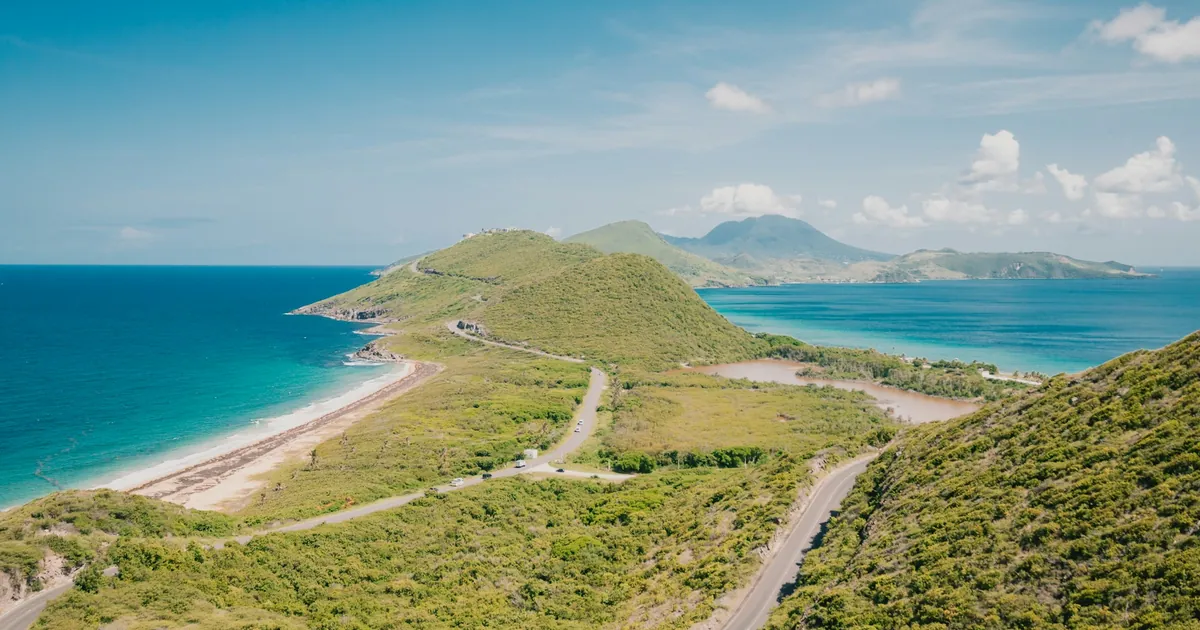
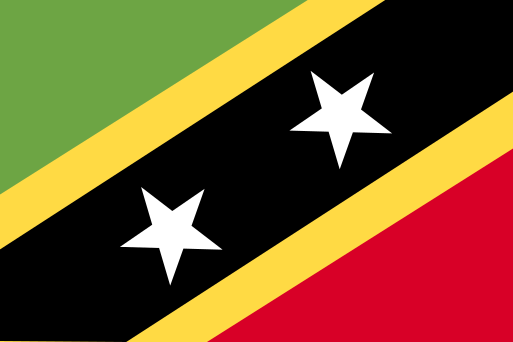 St Kitts & Nevis
 Antigua & Barbuda

 Argentina

 Turkey