In this article
American investors and their families are moving to Latin America faster than to any other region on earth right now. The pull is not sunshine, it is a combination of time zones, proximity, tax structure, upside, and quality of life that no other bloc packages together in the same way. This piece walks through the five structural reasons behind the shift and the eight programs that our US clients are using in 2027, with the plain trade-offs on each.
The Five Reasons Americans Are Picking Latin America
1. Time Zones
The single most underrated reason, and the one that decides whether a Plan B is livable or a vacation. Most of the region, from Mexico all the way down to Tierra del Fuego, aligns with US Eastern or Central time, with no daylight-saving shuffle to track. Your 9 AM stays your 9 AM.
Move to Lisbon, Bangkok, or Istanbul and you live half a day out of sync with your team, your clients, and your family. Move to Panama, Colombia, Mexico, or São Paulo and your workday barely changes. For anyone managing a business or a portfolio of investments from abroad, this single fact does more to decide whether the plan works than any tax rate does.
2. Proximity
From most US cities, Latin America is a few hours by air. Mexico is reachable by car from a lot of US states. Mexico City is three hours from Houston. Medellín is three hours from Miami. A base you can reach for a long weekend is a base you will use. Proximity turns optionality into something you live with day-to-day rather than a hedge you visit twice a year.
3. Tax Structure, Territorial versus Worldwide
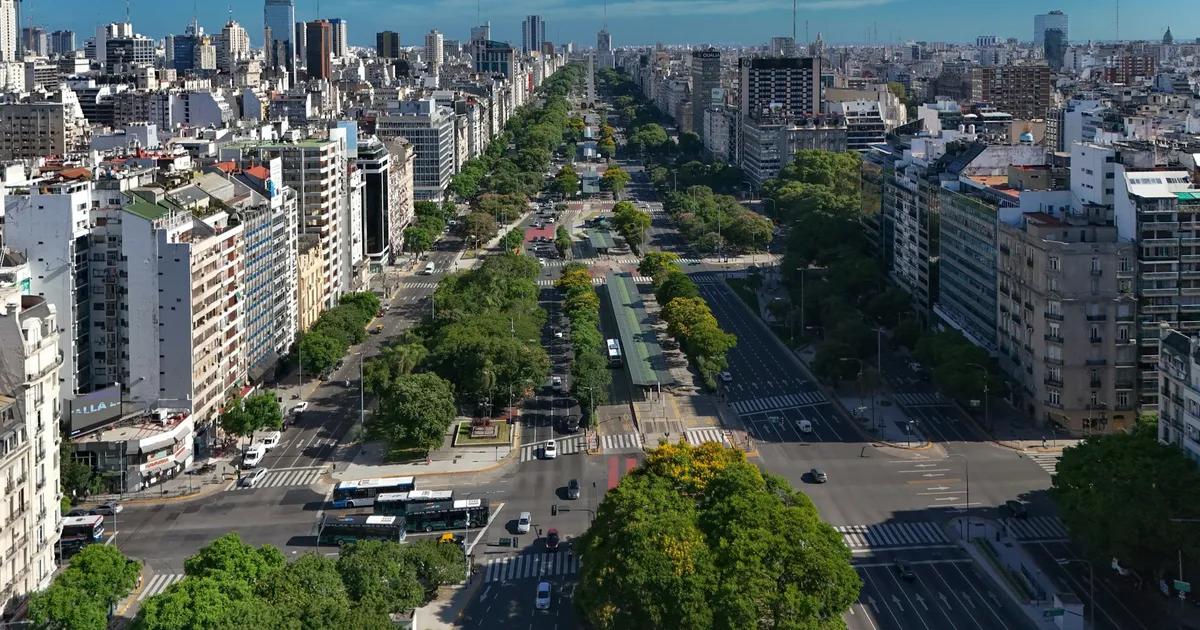
The received wisdom is that Latin America is "cheap." A modest life, yes, but a premium one costs close to US prices. The penthouse in Buenos Aires's Puerto Madero or El Poblado in Medellín, private international schools, top-tier private medicine, the arbitrage most explanations promise mostly evaporates at the high end.
So set cost of living aside. For a client with assets, the real question is how income gets taxed, and the eight jurisdictions split into two camps:
- Territorial tax systems: Panama, Costa Rica, Uruguay, and the Dominican Republic. Foreign-source income is not taxed at home. This is the cleanest overlay with a US tax position.
- Worldwide tax systems: Mexico, Brazil, Colombia, and Argentina. Once you cross local tax-residency thresholds (typically 183 days in a calendar year or a rolling 365-day period), your global income is taxable locally, softened in practice by the US treaty and foreign tax credits, but real.
The one obligation none of these programs removes is your US filing. The United States taxes its citizens on worldwide income regardless of where they live, where they bank, where they earn, or how many passports they own. A second passport delivers mobility and optionality, it does not lower what a US citizen owes the IRS. Read every program below through that lens.
4. Emerging-Market Upside, with Real Volatility
Several of these markets can appreciate in ways a mature US market rarely does anymore. Rental yields in the right neighborhoods can beat US numbers, Colombian property routinely yields near 10% in the well-chosen submarket, and dollars go further in currencies that have already taken a haircut.
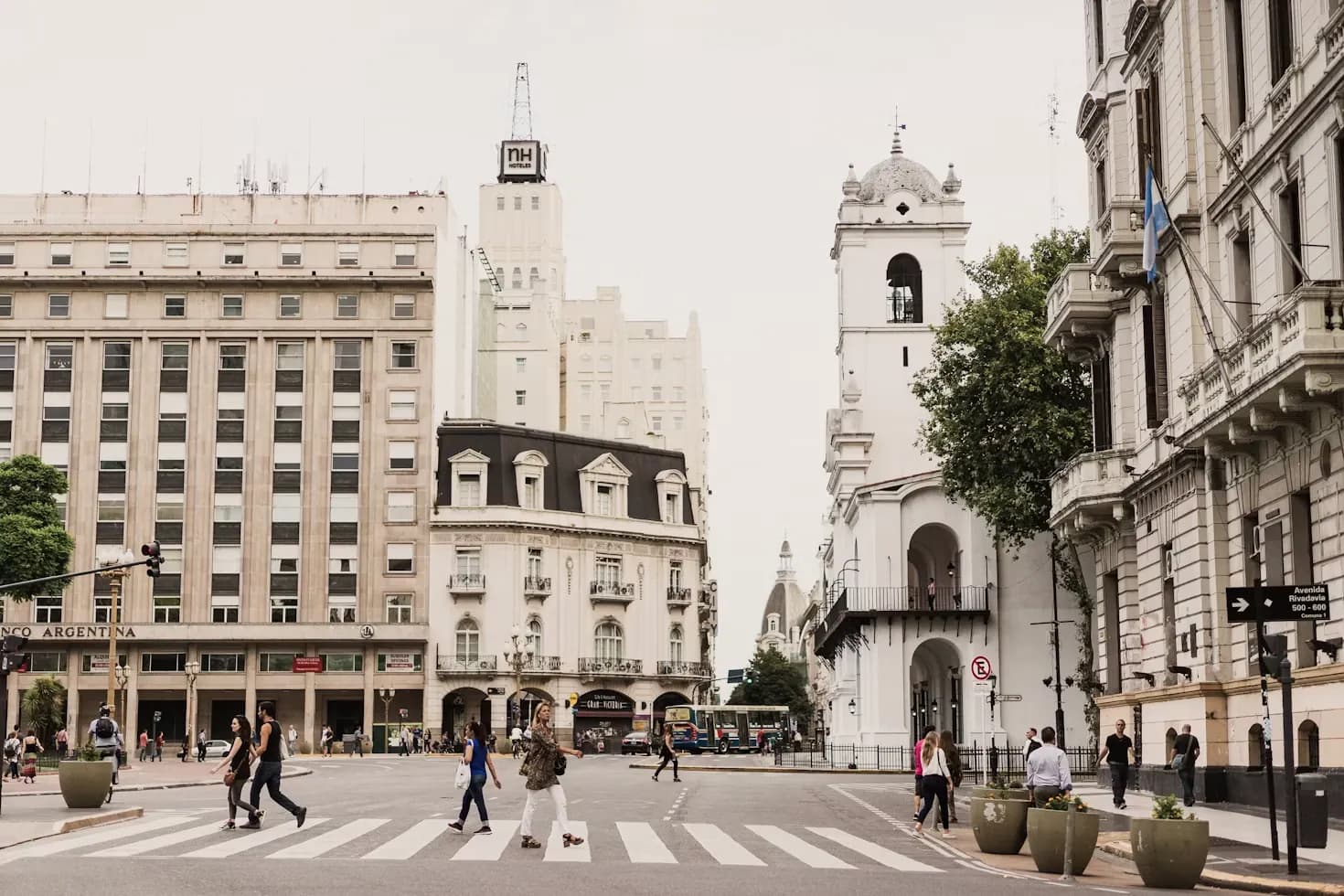
The other side of that trade is that emerging markets swing hard. Argentina has some of the most beautiful cities on earth and a currency history that has wiped people out more than once, not just locals, but expats too. Manage it by deploying capital you can leave parked, and by refusing to over-concentrate in any one fragile currency. That is the whole point of diversification in the first place.
5. Quality of Life
Lands last on the spreadsheet, first in daily life. Costa Rica's Nicoya Peninsula is one of only five documented Blue Zones on earth, where the local population routinely crosses 100 years old. Across the region you get sun most of the year, food grown down the street, and a slower rhythm than the US, plus a sense of community where people know your name. We do not lead with lifestyle in a jurisdiction recommendation because structure has to make sense first. Once it does, though, the lifestyle piece compounds without fanfare. You do not notice it day-to-day, and one day you notice you would never move back.
The Eight Jurisdictions Our US Clients Are Using in Practice
Mexico, Economic Solvency Visa
The closest to home. Mexico has a single program with two practical tracks under the Economic Solvency Visa. Prove monthly income of about $4,400 or savings of about $74,000 and you get immediate temporary residency. If you are of retirement age, a caveat that lives in practice, not in the written rules, income of $7,400 a month or savings of about $300,000 typically unlocks permanent residency from the start.
Most engagements start on temporary residency, convert to permanent at year four, and open the citizenship petition at year five, one of the quicker naturalization clocks in the hemisphere for clients relocating in earnest. The trade is tax. Cross 183 days and you become a Mexican tax resident on worldwide income at rates climbing to 30-35%. US treaty and FTC mechanics typically prevent double taxation, but Mexico lands on the heavier side of the eight. You choose it for proximity, climate variety within a single country, and a surprisingly strong passport.
Costa Rica, Investor Visa (Inversionista)
Costa Rica's Inversionista Visa has three qualifying capital paths: $150,000 in property (home, land, or business), $200,000 in a Costa Rican business, or $100,000 into an approved reforestation project, the last of which locks capital for 10-15 years tied to timber and carbon returns.
Costa Rica has a territorial tax system. Your foreign income while you live in-country (at least six months a year to trigger residency) is not taxed locally. Residency converts to permanent at year three, and the passport opens at year seven for clients living there. The downside is presence and paperwork, Costa Rica is not a bureaucratic paradise, and you will spend meaningful time on the ground and in queues. What you buy is stability: no standing army since 1948, calm politics by regional standards, a climate you can customize by microregion, and Blue Zone community benefits. The premium is real, Costa Rica is not as affordable as its neighbors.
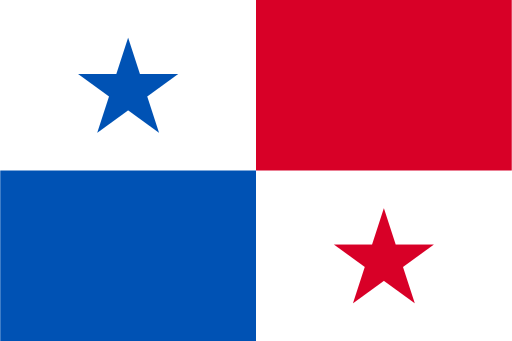
Panama, Qualified Investor, Friendly Nations, and Rentista
Panama has three programs in the same passport family, sized to different budgets.
The Qualified Investor Visa is the premium route. Since Executive Decree 17 took effect in September 2026, a new home bought first-hand from its developer qualifies at the lowest tier. A resale home, Panamanian securities, or a term account at a state bank need a higher minimum, and a term account at a private bank the highest. Each makes you a permanent resident upon approval, about four months after you invest, in a dollar economy on US Eastern time. One in-country visit every two years maintains it. Panama's territorial tax means your foreign income is not taxed locally.
If you signed a property contract in Panama before September 16, 2026, you can file under the old rule, which qualified any home at the lower price, until about mid-March 2027. Our breakdown of Panama's new golden visa rules covers each tier.
The trade-off with Panama is the passport, not the residency. Naturalization is discretionary and politically variable, the president signs off on each grant, which makes citizenship a patient move rather than a foregone conclusion.
For smaller budgets, the Friendly Nations Visa starts near $200,000 in property or bank deposit (or by opening a Panamanian company and employing yourself through it), and the Retirement Visa qualifies you on a lifetime pension or, through its Rentista option, on interest from a term account at a state bank. Treat Panama as an elite residency program with citizenship as an upside that may or may not land.
Dominican Republic, Investor Residency
The overlooked speed play. The Dominican Republic's Investor Visa has three equal-priced $200,000 routes, qualifying business, bank deposit, or local property, and grants permanent residency on day one. From there, a two-year clock to citizenship, among the fastest anywhere on earth.
The Dominican Republic has a territorial tax system and lies two hours from Miami. The trade-offs are two: you have to spend about 183 days per year in-country across the two-year window to naturalize (a deliberate move, not passive optionality), and the passport is modest at about 75 visa-free destinations. As a standalone travel document it is light, but paired with a US passport as a fast, low-cost second nationality, it is one of the more efficient plays on the board.
Colombia, Investor Visa (M-6)
One of our most-recommended residency programs, especially where lifestyle counts. Colombia's Investor Visa has one of the lowest financial bars in the region: about $50,000 into a Colombian business or about $165,000 in property (both pegged to Colombia's minimum wage, so the dollar figure moves with the peso). The presence rule is the lightest in the region, enter Colombia once every six months, roughly two days a year, to maintain the visa.
The price of that lightness is patience. The M-visa converts to permanent residency (R-visa) at year five, and the citizenship petition opens at year 10, the longest clock on this list. That timeline collapses to two years if you marry a Colombian citizen or have a Colombian-born child. The tax overlay to know: cross 183 days in any rolling 365-day period and you become a Colombian tax resident on worldwide income. Walk in knowing the Colombian passport is a marathon, not a sprint.
Brazil, VIPER Investor Visa
The strong-passport, short-clock play. Brazil's VIPER Investor Visa grants permanent residency from day one for about $100,000 into a local business or about $140,000 into local property. That threshold is often recovered in savings within a few years of living there.
The naturalization clock is about four years, and the Brazilian passport opens roughly 170 destinations, compare that to the Dominican Republic's 75 and the strength jumps into view. The four-year clock drops to two with documented Portuguese proficiency, and to one year with a Brazilian-born child (the child is Brazilian at birth, and the fast track applies to both parents, not just the primary applicant). For clients privately weighing a renunciation window, few residency-to-citizenship programs pack this much strength on this short a clock.
Trade-offs: worldwide tax past 183 days, roughly 180 days a year of presence to maintain the visa, and a central-bank registration step on the capital transfer.
Uruguay, Rentista (Independent Means)
The Switzerland of South America. Uruguay's Rentista Visa requires demonstrable passive income of about $1,500 a month, proof, not deployed capital, for permanent residency on day one (with an 8-to-12-month approval window on the front end). Citizenship opens in three years for married applicants living there, five for single ones.
Uruguay tops the region for rule of law and political stability. Waves of European immigration have shaped Montevideo into a city that feels closer to southern Europe than its neighbors, cafe culture, a calm civic rhythm, an unhurried pace that surprises first-time visitors. On tax, Uruguay offers a 10-year holiday on foreign income, then a flat 12% on foreign dividends and interest, with foreign capital gains exempt indefinitely. The tax-holiday-triggering investment is higher than it used to be; we walk clients through the current threshold on the first call.
Argentina, Rentista Now, CBI in the Works
The one to watch. Today's most popular route into Argentina is the Rentista Visa at about $1,500 a month in stable passive income (we recommend closer to $2,000 for a safe application). It leads to citizenship in three to four years, the quickest naturalization clock in the hemisphere alongside the Dominican Republic, and to a passport that opens 170+ destinations plus Mercosur settlement rights across South America.
A small quirk on the Argentine naturalization mechanic: you do not file with a government agency and wait in a queue. You petition the federal courts and argue your case before a judge. It sounds intimidating and moves faster than the administrative grind across most of the region.
The second piece is worth watching in 2027. President Javier Milei, a self-described libertarian on a mandate to drag the country out of decades of inflation and state control, signed a decree in 2025 creating a citizenship by investment program, but it isn't open yet, and Argentina hasn't set a launch date. The move you can make now is the Rentista, with the citizenship by investment program as potential upside. The caveat is the macro picture: world-class cities and a currency with a long history of crisis. If Milei's experiment works, Argentina could be the comeback story of the decade. If it stalls, you will be glad you only deployed capital you could afford to risk.
A Quick Framework for Choosing
There is no single "best" country in Latin America. There is a best country for your structure, your goals, and your family. The rough sorter:
- Fastest passport: Argentina, the Dominican Republic
- Foreign income untaxed locally: Panama, Costa Rica, Uruguay, the Dominican Republic
- Proximity plus a surprisingly strong passport: Mexico
- 170-destination passport on a short clock: Brazil
- Lightest presence rule for maintaining the visa: Panama, Colombia
Most engagements land on two or three of these axes counting more than the others. That is where the plain conversation starts.
How to Start
If you are weighing several of these jurisdictions and don't yet know which one fits your situation, the Freedom Consult is the right next step, a 60-minute working session where we model the tax picture with US-licensed counsel and Latin American counsel together, and we point you toward the right program (or, about a third of the time, tell you the fit is not there yet). We do not earn more if you pick one program over another. If you already know your target country and program and just want to start, the fifteen-minute chat is the fastest way through.
Book a call when you are ready.
Video Transcript
Click to read the full transcript
Video Transcript
Click to read the full transcript
Rich Americans are increasingly moving not only their assets but also their families to Latin America. And the reasons go well beyond sunshine. Heck, I moved here for a slew of reasons and weather was just a benefit.
In this video, you'll learn the five predominant reasons Central and South America are increasingly attracting US citizens and the most popular eight jurisdictions that our clients are either investing in and or relocating to. And the last of which you really need to watch this year. It's going to be a big one.
Let's start with perhaps the most important reason. If you are working, if you are investing, time zones. Most of the region from Mexico all the way down to Tierra del Fuego aligns with US Eastern or Central time. With no daylight savings shuffle to track, your 9 AM stays your 9 AM. If you move to Lisbon or Bangkok or Istanbul, you live half a day out of sync with your team, your clients, and your family. Move to Panama, Colombia, Mexico or São Paulo, and your workday barely changes. For someone managing a business or a portfolio of businesses or investments from abroad, that single fact decides whether this Plan B is livable or a vacation.
Reason two is distance, or the lack of it. From most US cities, you're just a few hours by air, and Mexico you can reach by car from a lot of American states. Mexico City is three hours from Houston. Medellín is about three hours from Miami. That changes the math on a Plan B when it's truly accessible. A base you can reach for a long weekend is a base you'll use. Proximity turns optionality into something you live with day to day. That's an underrated benefit.
Now, reason number three. People assume the region is cheap, right? A modest life, yes, but a premium one, the penthouse in the best neighborhood in Buenos Aires's Puerto Madero or El Poblado in Medellín, private international schools, top-tier private medicine, costs come close to US charges. The arbitrage you've been told about on YouTube, by friends, or just online mostly evaporates at the high end.
So set cost of living aside. For someone with assets, the question becomes how your income gets taxed. And that splits these eight jurisdictions we're going to talk about in a second into two real camps. Territorial tax systems like Panama, Costa Rica, Uruguay, and the Dominican Republic leave your foreign income untouched at home. On the other hand, worldwide tax systems like in Mexico, Brazil, Colombia, and Argentina tax you on global income, and sometimes only when you cross 183 days as a resident, either in a calendar year or in a 365-day period.
And the costly mistake, of course, is assuming that any of this frees you from your obligations and liability with the United States, the IRS. It does not. The US taxes its citizens on worldwide income wherever they live, wherever they bank, wherever they earn, right? Whatever passports you own, the IRS gets its chunk. A second passport gives you mobility and optionality, but it will not lower what you owe the IRS if you're a green card resident or US citizen. So you have to read every program through that lens, and then you'll judge it clearly.
Reason four is a little bit about upside. Several of these emerging markets that we'll talk about in a second, property and local assets can appreciate in ways a mature US market rarely does anymore. Rental yields in the right city can beat US numbers, we're thinking like 10% that we get on property in Colombia. And you're also buying at a currency discount in some of these jurisdictions.
Now, the other side, of course, emerging markets swing hard. Argentina has some of the most beautiful cities on earth with that Parisian architecture and the European way of life, but also a currency history that has wiped people out more than once, not just locals, but expats as well. The upside is there, but also the volatility is there as well. You manage it by either deploying capital you can leave parked or by refusing to overconcentrate in one fragile currency, which is the whole point of diversification in the first place.
Now reason five lands last on the spreadsheet but first in daily life, and that is quality of life. For example, Costa Rica's Nicoya Peninsula is one of only five blue zones on the entire planet, where people routinely pass 100 years in age. Across the region, you get sun most of the year. Food grown down the street. And a little bit slower rhythm definitely than you're accustomed to in the US, but also a sense of community where people know your name, people smile as you walk down the street. And that's something that I've really fallen in love here with. I won't sell it as the reason to move in most cases. But the structure has to make sense first, but once it does, that lifestyle is the dividend that compounds without fanfare because you don't notice it day to day, but it will compound day after day.
Now, a quick note before we get to the eight jurisdictions that I've mentioned before. If you're weighing several of these and you don't yet know which fits your situation perfectly, that's why we designed this Freedom Consult. We work backward from your tax and sovereignty goals, and about a third of the time we point people in a different direction or a different program than they ever imagined, or we tell them to wait. We're a holistic firm with no stake in any single jurisdiction or single program. So you know you're getting candid, unbiased feedback on your strategy and ideas. If you already know the country and program you want though, you can just skip all that and book a free 15 minutes with us instead.
All right, now let's talk about those eight jurisdictions, warts and all, because that's what we do on this channel.
Let's talk about Mexico first, the one being in closest proximity to the United States, through the Economic Solvency Visa lens. And there are two tracks under this one program. There's the temporary residency and the permanent residency, which we'll talk about in just a second. You just have to prove that you make at least $4,400 a month in income, or that you have about $74,000 in savings, in order to get immediate temporary residency. Now, if you're of retirement age, and this is a strange caveat that's not really written into the rules, but in practice, this is how they do it, if you have more than $7,400 a month in income or about $300,000 saved, they will grant you permanent residency from the start.
Now, most people start with temporary residency and then convert to permanent residency at year four, and reach a passport at year five if they have relocated, which is one of the quicker naturalization clocks in the hemisphere. The trade-off, however, is tax. Past 183 days in Mexico, you become a Mexican tax resident on worldwide income, with rates climbing up to 30 to 35%. The US treaty and foreign tax credits usually prevent paying tax twice in two different countries, but Mexico is on the heavier side of the tax rules in these eight jurisdictions we'll talk about. You choose it for proximity, a climate that you can kind of customize by area in Mexico, and a very strong, surprisingly strong passport.
Now, let's talk about Costa Rica through the Investor Visa, which has about three different ways to qualify. You can invest $150,000 in property, buy a home, buy land, or a business, $100,000 in an approved reforestation project, which is the government sets, though that capital locks up for 10 to 15 years and it's tied to timber and carbon returns.
So, it's territorial. Costa Rica has a territorial tax system, which means that your foreign income while you're living in Costa Rica, at least spending six or more months per year there, is untaxed locally in the country. Residency converts to permanent at year three, and the passport opens at year seven again, if you're living there.
The downside is presence and paperwork. Costa Rica is not a bureaucratic paradise. You'll spend meaningful time on the ground, enroll in the public health system, and wait longer than a few neighbors. But what you're buying is stability. Costa Rica has no standing army, and they haven't since the 1940s. Calm politics, relatively speaking, if you're comparing it to the rest of the countries in the region. A climate again that you can kind of customize by the area in which you are in Costa Rica. And some blue zone community, blue zone health benefits. And you're paying a premium, Costa Rica is not as affordable as some of its neighbors.
Now, let's talk about Panama. Speaking of neighbors, through the Qualified Investor Visa, and there are three capital routes here: $300,000 in property, $500,000 in Panamanian listed securities, or a $750,000 bank deposit. Any one of those routes gets you immediate permanent residency in a very fast timeline in usually under 90 days, in a dollar economy on US Eastern time. Also in a very connected society with the United States. Panama has a very close relationship with the United States, and their airport at Tocumen is phenomenal, connected with a lot of major cities in the United States as well.
Panama, like we mentioned before, has a territorial tax system as well. So one visit every two years maintains that Qualified Investor Visa, and also does not require any other tax liability than you have in the United States. The residency is quick, almost maintenance-free, but the passport is a little slow and uncertain. Naturalization in Panama is discretionary and politically variable. So the rules change often, and the president literally has to sign off on your naturalization papers, which makes this a not-a-foregone conclusion that you will naturalize and become a Panamanian citizen.
If your budget is smaller, however, Panama has a whole range of programs that might fit your situation perfectly. The Friendly Nations Visa starts near $200,000 in property or bank deposit, or by opening your own Panamanian company and employing yourself through it. And the Rentista Visa, which is popular with our retiree clients, requires $1,000 a month in passive income, just proof, you don't have to fork that over. So treat Panama as an elite residency program now, citizenship as a patient move maybe in the future.
The Dominican Republic, which is not talked about a whole ton, through the Investor Visa, is a speed play. Three equal-priced routes at $200,000, a qualifying business, a bank deposit, or directly into local property. And all three of those routes grant permanent residency on day one, and put you on a two-year clock to citizenship, which again is among the fastest timelines, not just in Latin America, but anywhere on Earth.
Dominican Republic also has a territorial tax system. It's just two hours from Miami, but there are a couple trade-offs you should weigh. You have to live there about 183 days a year or more across those two years in order to naturalize. So this is a deliberate move, not necessarily a passive optionality move. And the passport is modest, it's not going to be as strong as Brazil or Chile or Argentina. It opens access to about 75 visa-free destinations. But if you're retaining your American passport, great Plan B. The value is the quick citizenship beside your US passport.
Now, Colombia, one of my personal favorites, especially from a lifestyle standpoint. We're going to talk about the Investor Visa here, and the financial bar is among the lowest in the region. You have to invest about $50,000 into a Colombian business or about $165,000 in property. And obviously that those numbers range when you take into consideration the swings in the Colombian peso.
The presence rule for this program is also notably light compared to a lot of these other programs. You just have to visit Colombia one time per six months, roughly two days a year, in order to maintain that visa. And the price is patience. The M-visa converts to permanent residency at year five, and permanent residency to citizenship at year 10, which is the longest clock on this list. That timeline can collapse to just two years if you marry a Colombian or have a child there. And one more thing to weigh that a lot of people don't talk about is that if you spend more than 183 days here in any 365-day window, let's say June to June, not a calendar year, January to January, you become a tax resident on worldwide income. So walk in knowing the Colombian passport is a marathon, not necessarily a sprint in this case.
Brazil, through the VIPER Investor Visa, gives you permanent residency from the first grant for about $100,000 into a local business or about $140,000 into local property. And that threshold is often recovered through savings within a few years. The naturalization clock in Brazil is about four years, and the passport opens roughly 170 destinations. So compare that again to the Dominican Republic, which opens only about 75 destinations.
And this can be a phenomenal Plan B, or if not Plan A for a lot of Americans, especially if you're thinking about renouncing your citizenship. That four-year clock drops to two if you're proficient in Portuguese, and to a single year if you have a child born on Brazilian soil, because that child is Brazilian at birth. And that fast-tracks both parents, not just you, but also your spouse. Now again, the trade-offs: worldwide tax past 183 days, around 180 days a year of presence in order to maintain that visa, and a central bank registration step on the capital. So for a strong passport on a short clock, few places can compete, but again there are trade-offs.
Now, let's talk about Uruguay. Through the Independent Means Visa there, which requires just about $1,500 a month in passive income, proof, not investing, you can get permanent residency on day one. Day one takes a bit. It takes about 8 to 12 months in order to get approved for that program. But you can also qualify for citizenship in three years if you're married and living there, and five years if you're single. People call it the Switzerland of South America, and it tops the region for rule of law, stability, political situation, and so on.
Waves of European immigration have really shaped Uruguay. So Montevideo, the capital of Uruguay, feels closer to southern Europe than its neighbors. Cafe culture, a calm civic rhythm, and a settled, unhurried pace that surprises new arrivals. It very much feels like Europe. Uruguay also offers a 10-year tax holiday on foreign income, then a flat 12% on foreign dividends and interest after that, with foreign capital gains exempt. Now, that requires a higher investment than it did in the past. Reach out and we'll tell you the details.
Now, that brings us to the one I told you to watch at the beginning of this video, and that is Argentina. Today's most popular route into Argentina is the Rentista Visa, which requires just about $1,500 a month, closer to $2,000 if you want to make a safe application, in stable income to move to Argentina. And it leads to citizenship in roughly three to four years. The quickest naturalization time in this hemisphere, kind of up there with the Dominican Republic. And beyond that, a really strong passport that opens not only 170 countries around the world, but also Mercosur settlement rights across South America.
And worth mentioning here is a small quirk in how Argentine naturalization works. You don't file with a government agency or wait in a queue. You must petition the federal courts and argue your case for citizenship before a judge, which sounds intimidating, but moves faster than the administrative grind across most of the region.
The second piece of Argentina is the one to really watch this year. And President Javier Milei came in as a self-described libertarian with a mandate to drag the country out of decades of inflation and state control toward a free market model. And he's been swinging the chainsaw at spending and regulation ever since. And as part of that, he signed a decree in 2025 creating a citizenship-by-investment program which is expected to start sometime in 2026 near $500,000 in either strategic sectors with no residency requirement or donation. So let's temper your excitement right now until that program is official and starting to generate case studies and successful applications.
So the move you can make now if you're in a hurry is that Rentista Visa, with the investment passport, the citizenship-by-investment passport, as upside if it lands in the future. The caveat is also the macro picture. World-class cities and a currency with a long history of crisis most US investors would rather skip. But if Milei's experiment works, Argentina could be the comeback story of the decade in Latin America. If it stalls though, you'll be glad you only deployed what you could afford to risk.
So, how do you choose? Here's a quick framework to summarize everything we've talked about up to this point. Fastest passport: Argentina, the Dominican Republic. Foreign income untaxed locally: you have Panama, Costa Rica, Uruguay. Proximity plus surprisingly strong passport: Mexico. 170-country passport on a short clock: Brazil. And finally, the lightest footprint when it comes to maintaining your visa: Panama or Colombia.
So, as you can see, there's no single best country in Latin America for you. There's a best country for your structure, your goals, and your family. I've watched families agonize between speed and tax treatment and lifestyle in completely different places.
If you're weighing several of these jurisdictions and don't yet know which one fits you best, you can book a Freedom Consult on our website. We've placed clients across more than 20 or 25 countries, and we can model the tax incentives, the tax obligations with your goals with licensed counsel, before you move a single dollar. And we'll tell you plainly when the fit is not there, because we don't earn more by steering you toward one program or another. Now if you already know the perfect country for you, the perfect program for you, you can just grab a free 15 minutes with us instead.
If you like this video, always subscribe. Hit that bell so you get notified the next time we drop a video. Thanks so much. Drop a comment and let me know what you want to hear about next.


 Argentina


 Panama

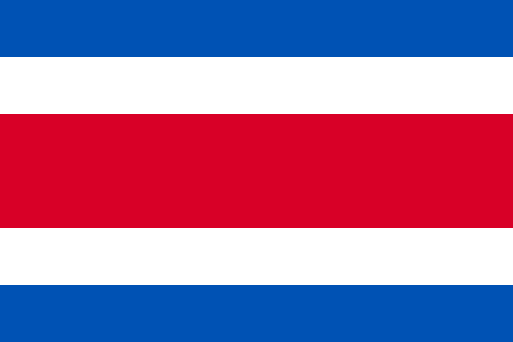 Costa Rica