Freedom FilesFreedom Files
← All destinations
Latin AmericaResidency

Uruguay

The Switzerland of South America: a stable democracy with a ten-year tax holiday on foreign-source income for new residents, a low-friction passive-income path to residency, and one of the highest qualities of life in Latin America.

Population
3.4 million
Language
Spanish (English in business hubs)
Currency
Uruguayan Peso (USD widely accepted)
Time zone
UYT (UTC−3, no DST)
Capital
Montevideo
GDP per capita
~US$22K
  1. The ten-year tax holiday on foreign-source income

    Uruguay's recently extended new-resident tax regime exempts foreign-source income from Uruguayan tax for the first ten years of residency (extended from six in 2024-2026). After the holiday, foreign-source dividends and interest are taxed at a flat 12%, with the option to elect into a foreign-tax-credit system. For Americans with US-sourced earnings, this is among the most efficient inbound regimes in Latin America.

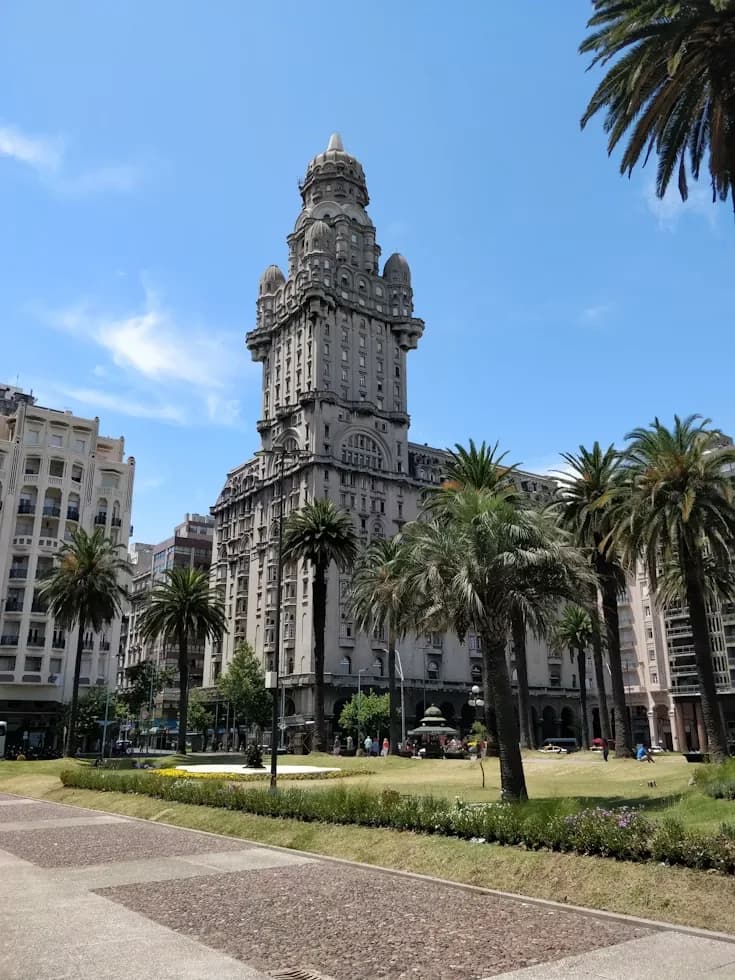
  2. The Switzerland of South America

    Uruguay consistently ranks at the top of Latin American democracy, civil liberties, press freedom, and corruption-perception indices. Same-sex marriage since 2013, recreational cannabis since 2013, abortion rights since 2012, a peaceful political tradition stretching back over a century. The country's politics are calm in a way most of the region is not.

  3. A three-year clock to citizenship

    Uruguayan law allows naturalization after three years of legal residency for married applicants and five years for individuals. The application requires demonstrated Spanish proficiency and basic Uruguayan-civics knowledge. The clock runs through routine renewals and matures into a citizenship petition that typically processes within twelve months.

  4. An established American expat community

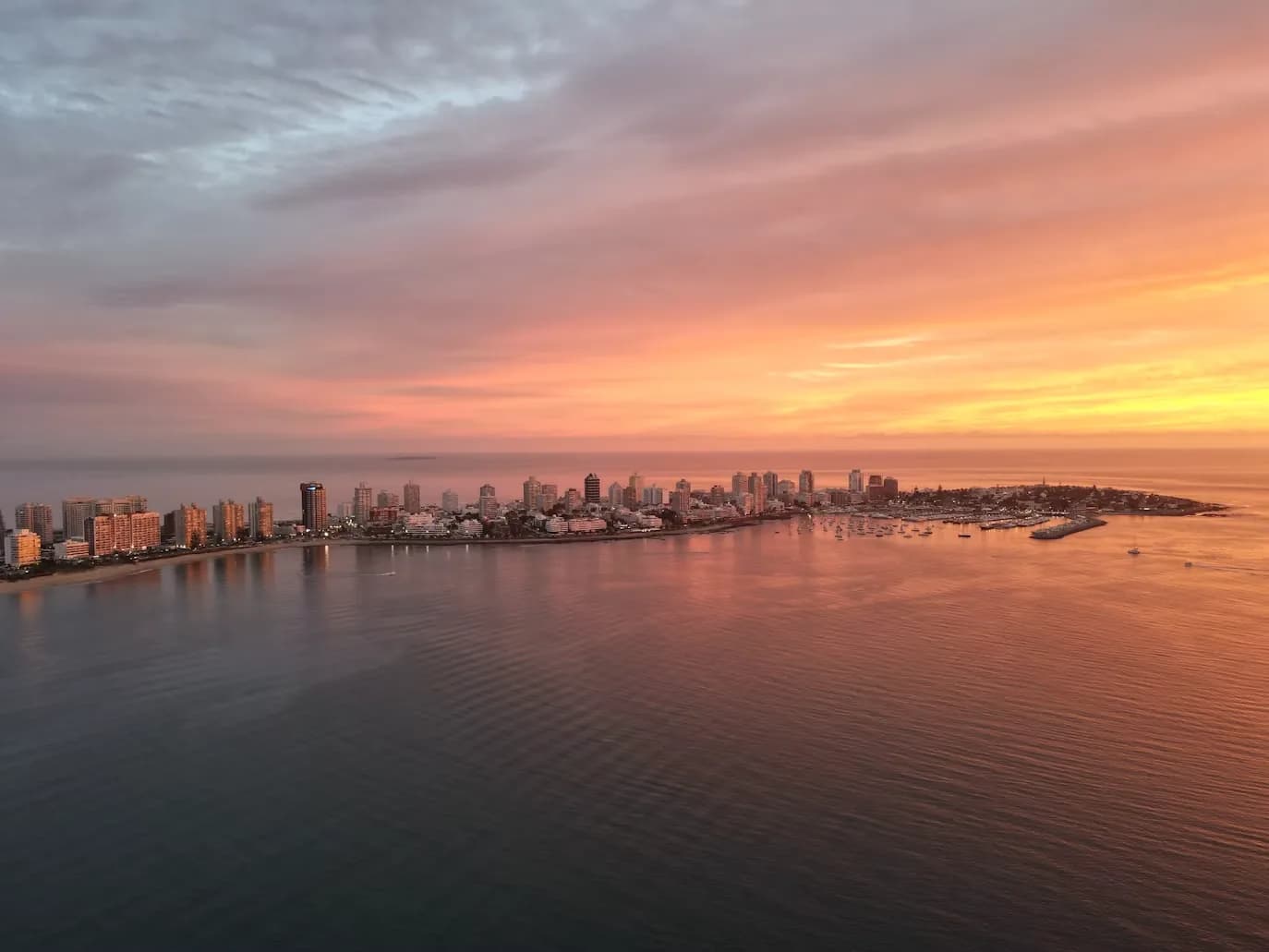
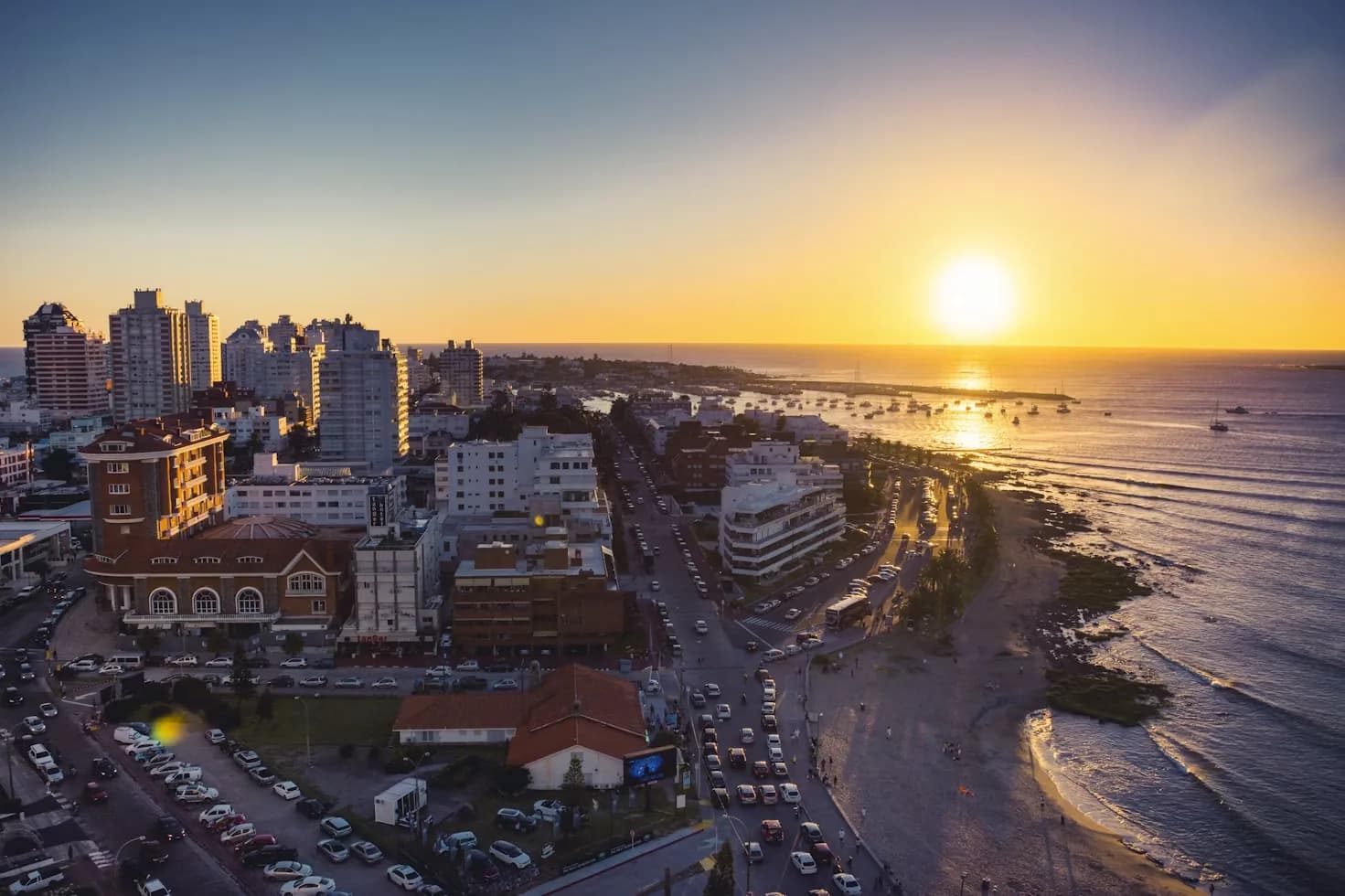
    Montevideo's Pocitos, Carrasco, and Punta Carretas districts, plus Punta del Este and José Ignacio on the coast, host substantial American expat communities. International schools, English-speaking healthcare, and bilingual legal services are all well established. The American community has grown materially since the post-2020 tax-regime updates.

  5. Same time zone as the US East Coast

    Uruguay sits one hour ahead of New York year round, no daylight saving. Remote work, US business operations, and family calls run on a clean schedule with no calendar gymnastics. Two-hour flight to São Paulo; eleven hours from New York.

  6. Quality-of-life metrics at the top of the region

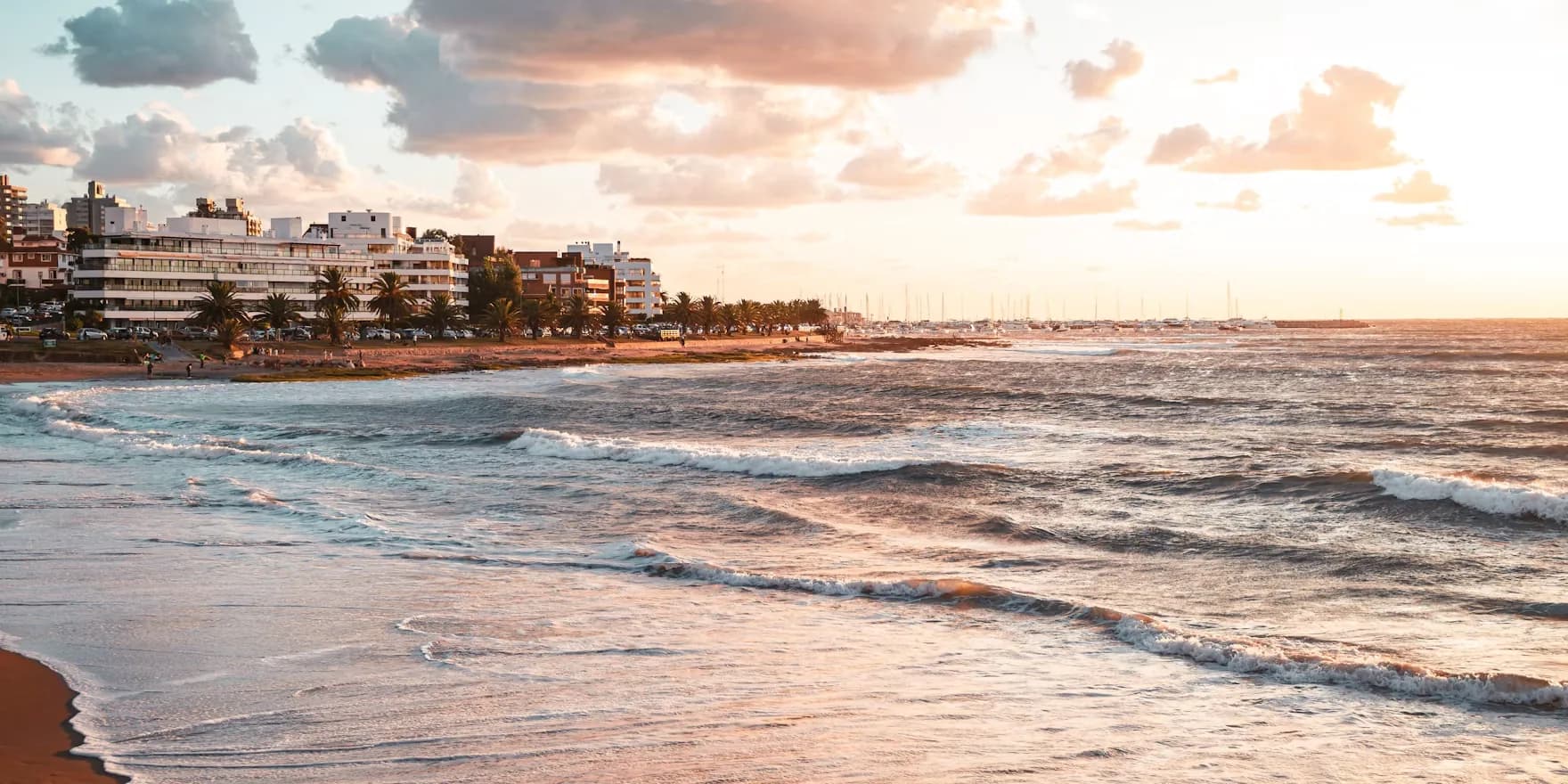
    Long-running social safety net, low violent-crime rates by regional standards, modern infrastructure in Montevideo, world-class beef and wine, and a beach belt (Punta del Este, José Ignacio, La Pedrera) that delivers summer-resort living from December to March. The lifestyle outpaces the GDP figure.

Programs

One route into Uruguay

Each route below is a live client engagement we have advised. Figures and timelines reflect the current state of each program; we update them whenever policy moves.

  • Residency

    Residency

    Permanent residency on initial grant for those with stable foreign-source passive income. The 2024-2026 tax-regime updates extended the foreign-source-income tax holiday to ten years for qualifying new residents. Path to citizenship at three years for married applicants and five for individuals.

    Financial requirement
    $1.5K/mo passive income
    Timeline
    8 to 12 months
  • Uruguay editorial photograph
  • Uruguay editorial photograph

Several routes, several ideal profiles. Which is right for you? The Freedom Consult is where we figure out your ideal path forward – and whether Uruguay is even the right country.

A taste of Uruguay

Uruguay editorial photograph 1
Uruguay editorial photograph 2
Uruguay editorial photograph 3
Uruguay editorial photograph 5Uruguay editorial photograph 6Uruguay editorial photograph 7Uruguay editorial photograph 8

How does the ten-year tax holiday work?

Uruguay's updated new-resident regime, extended in 2024-2026 from a previous six-year window to ten, exempts foreign-source income from Uruguayan tax for the first ten years after becoming a Uruguayan tax resident. After the holiday, foreign-source dividends and interest are taxed at a flat 12% (with foreign-tax-credit elections available). Foreign-source capital gains and most other foreign-sourced earnings remain exempt indefinitely. We coordinate with US-licensed counsel on the structure.

How is the $1.5K/mo income threshold proven?

Applicants submit documentation showing consistent foreign-source income (typically employment, contract, pension, dividend, rental, or interest income) at or above $1,500 per month, demonstrated over a six-to-twelve-month period via bank statements and supporting documents. The threshold is per applicant; family inclusion scales the minimum modestly. We package the documentation during the engagement.

How long until I can hold a Uruguayan passport?

Three years of legal residency for married applicants and five years for individuals. The application requires a Spanish-language assessment and basic Uruguayan-civics exam. Petition-to-decision typically runs nine to twelve months after the clock matures. Uruguay permits dual citizenship, and the United States permits it as a matter of practice.

Do I have to live in Uruguay full-time?

Uruguay requires demonstrated 'effective residency' rather than a fixed day-count rule. In practice, spending at least 183 days per year in Uruguay during the qualifying period establishes a strong residency claim. Some clients structure shorter visits with documented Uruguayan economic ties; the position is fact-specific and we map it during the consult.

Do I have to learn Spanish?

Daily life in Montevideo's Pocitos, Carrasco, and Punta Carretas districts, plus the Punta del Este resort zone, runs comfortably in English at most professional and service contexts. Outside those zones, Spanish becomes essential. The naturalization application requires a Spanish-language assessment, which most clients build during the qualifying residency window.

What happens to my US taxes once I move?

The United States taxes citizens on worldwide income regardless of residency. During Uruguay's ten-year tax holiday, foreign-source income is exempt from Uruguayan tax but remains US-federally taxable. After the holiday, the 12% flat tax on foreign-source dividends and interest interacts with US foreign-tax-credit mechanics. The position is technical; we coordinate with US-licensed counsel.

Will I have to give up my US citizenship?

No. The United States and Uruguay both permit dual citizenship. You can hold both passports indefinitely after Uruguayan naturalization.

How life compares

Eight factors, against the US baseline

The dimensions that decide whether a place is workable once the visa lands.

English

Strong in business and expat zones

Montevideo's expat districts, Punta del Este, and the major business contexts run in English at most professional levels. Outside those zones, Spanish is essential. International schools and major hospitals operate bilingually.

Cost of living

Higher than regional peers, lower than US

Uruguay runs 20-40% below US coastal-city benchmarks but is materially more expensive than Argentina, Paraguay, or rural Brazil. A comfortable Montevideo expat life for a couple costs $3,500 to $5,500 a month including premium housing.

Taxes

Ten-year holiday on foreign income

Foreign-source income is exempt from Uruguayan tax for the first ten years of residency (extended in 2024-2026 from a prior six-year window). After the holiday, 12% flat on foreign-source dividends and interest. US worldwide-income filing continues regardless.

Quality of life

Top-tier in Latin America

Uruguay consistently leads Latin America on democracy, press freedom, and quality-of-life indices. Low political volatility, modern infrastructure in Montevideo, and a calm civic rhythm that surprises clients on their first six months.

Safety

Among the region's safest

Major expat zones (Pocitos, Carrasco, Punta Carretas, Punta del Este, José Ignacio) are statistically safer than many US small cities. Petty theft in central Montevideo requires usual urban discipline; violent crime is rare.

Travel connectivity

Strong to the Americas and Europe

Montevideo's Carrasco International serves direct flights to most US East Coast cities, São Paulo, Buenos Aires, Lima, Panama City, Madrid, and select European capitals. Two hours from São Paulo; eleven from New York.

Infrastructure

Modern, with capital concentration

Montevideo delivers reliable utilities, fast residential internet, well-maintained roads, and modern healthcare. The coastal resort belt operates at international resort-grade standard. Rural and interior infrastructure is functional but materially smaller-scale.

Healthcare

Hybrid public plus strong private

Universal public coverage available to legal residents through the mutualista system. Most expats add private complementary insurance for faster specialist access. Major Montevideo hospitals operate at international standards.

The Uruguay briefing

The facts, programs, and comparison

A four-page PDF covering everything on this page plus the comparison framework we use internally. Delivered to your inbox, and the next briefing every week.

No spam ever! Unsubscribe in one click.

Get your custom Plan B Blueprint

Most people spend 100+ hours researching residency and citizenship options before they realize they were looking at the wrong programs. We compress that into 10 questions, 90 seconds, and a single report.