
In this article
The unspoken assumption behind almost every article about a second residency is that you're going to move. Rent a place, learn the language, become a taxpayer, spend more than half your year on foreign soil. For a lot of American families that is the plan, and it is a good one. For a larger number of American investors, it is not, and pretending otherwise is why people end up in the wrong program for their situation.
Nine golden visa and residency by investment programs let you secure legal residency abroad without relocating. You visit for a few days a year at most, you have EU or Latin American status in your pocket, and you preserve your US life untouched. The trade you accept: an upfront capital commitment. Sometimes recoverable, sometimes not. Below is what each of those nine programs requires, what it delivers, and where the fine print bites.
Why Golden Visas Exist in the First Place
When you deposit meaningful capital into a country, that country has a reason to treat you like an asset. You bring money. Sometimes you bring jobs. You boost the economy and create opportunities for the citizenry. Residency by investment programs and citizenship by investment programs are designed to reward that contribution, and the trade the country offers in return is a light presence obligation. Most non-investment residency programs ask you to live somewhere more than 6 months a year, become a local taxpayer, and take on obligations the investor track never touches. That is why the lane you pick has to match the outcome you want.
9. Portugal Golden Visa
Portugal is the program most Americans picture when they hear "golden visa." The Portugal Golden Visa is alive, though the property route closed in 2023, the non-habitual resident tax regime is closed to new arrivals, and the citizenship timeline extended from 5 to 10 years in May 2026.
Entry options today: €250,000 donation to cultural heritage projects (€200,000 in lower-density areas) or €500,000 into a venture capital or private equity fund. The presence requirement is the sticky part: 7 days in year one, then 14 days per two-year renewal. You preserve your US or Canada life, you have an EU base in Portugal, and you visit Lisbon or Madeira once a year.
Portugal's 2027 budget changes the entry options again. It adds a new social donation route, halves the research donation, and tightens the rules for qualifying funds, but only for applications filed after May 1, 2027. Files submitted by May 1, 2027 follow today's rules. Our read on the Portugal Golden Visa changes covers what Parliament approved.
The wrinkle worth reading carefully: the May 2026 law doubled the citizenship road to 10 years and starts the clock only when your residence card is issued. AIMA backlog can add 2 to 4 years just to receive the card, so the passport is now a 13 to 15 year time horizon. Residency benefits land on day one. Treat Portugal as a residency play, not as a fast passport route. For a full breakdown, see our Portugal guide.
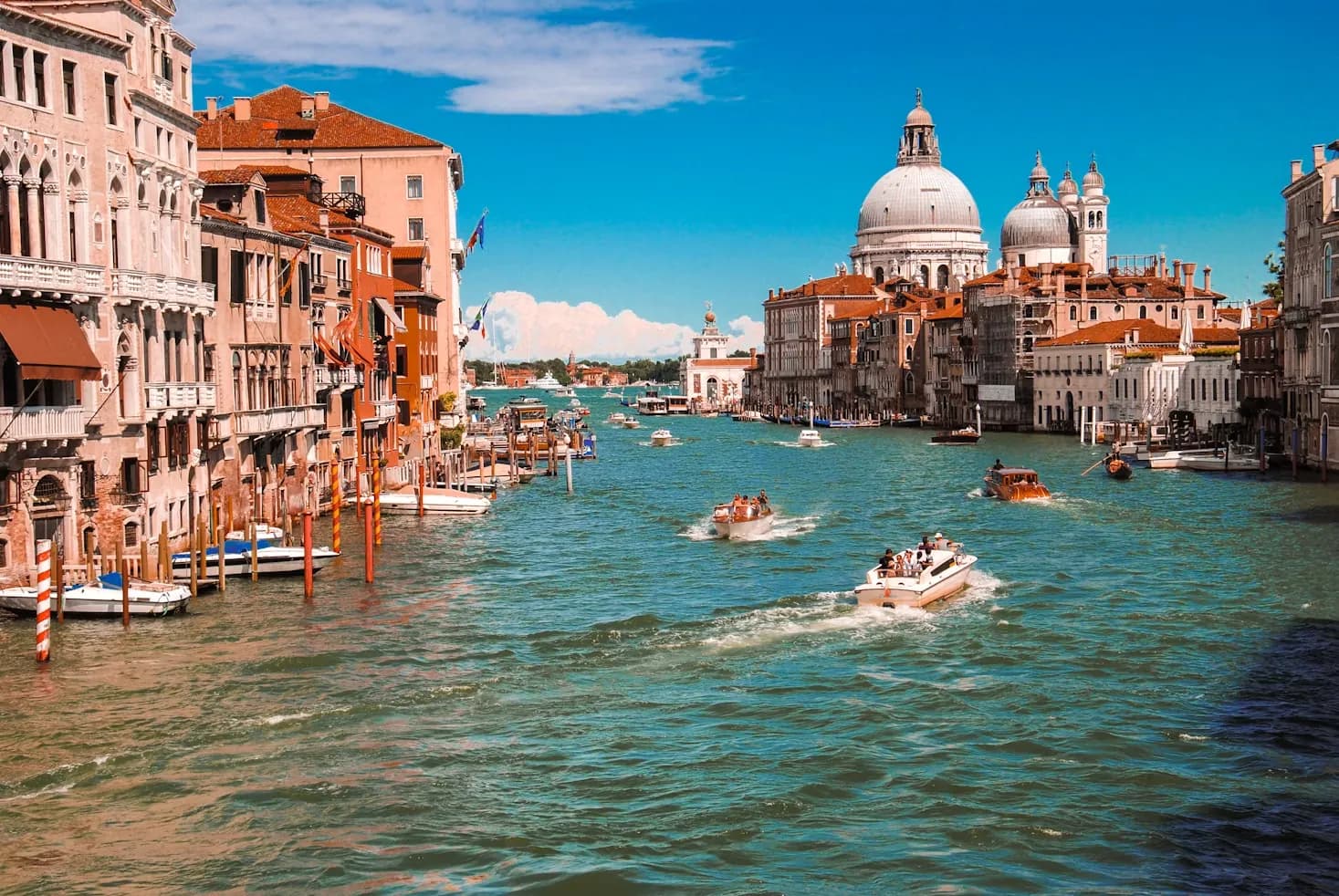
8. Italy Investor Visa
The Italy program has become quite popular since Portugal's citizenship change in 2026. The Italy Investor Visa offers an often overlooked deal for investors with no day-count to renew. The cleanest entry is €250,000 into a qualifying Italian innovative startup on the government's accredited list, with larger routes up to €2 million in government bonds or philanthropy.
Pair the visa with Italy's lump-sum flat tax on foreign income for up to 15 years (raised for new residents in 2024 and again in 2026) and you have the draw for families with serious offshore wealth. That flat tax is a fixed figure, so it only wins above a high income and net worth threshold. Southern Italy's 7% flat tax regime for retirees is a separate lever if you relocate to a town of up to 30,000 residents.
The passport is a 10-year road with a B1 Italian exam, but naturalization requires spending at least eight or nine months a year in the country. Fine if you want a patient EU residency with an eventual passport option, and fine if you want to spend a few months a year without triggering tax residency.
7. Greece Golden Visa
The Greece Golden Visa has a no-day-count structure like Italy's, and it moves faster to a passport (7 years against Italy's 10). But the citizenship play is an uphill battle. You must speak Greek, prove your ties to Greek society, and spend significant time in-country to naturalize.
Investment thresholds by zone: €250,000 for restored property or approved startups; €400,000 for standard property outside prime zones (Athens, Thessaloniki, Mykonos, Santorini); €800,000 anywhere else. Additional routes exist for investment funds and government bonds.
Structural read: the Golden Visa asks for zero presence, but the 7% pensioner tax deal (like Italy's), the €100,000 annual lump-sum foreign-income tax, and the 7-year naturalization path all require you to become a real resident and taxpayer. Have it from afar for pure EU optionality, or move for the tax and the potential citizenship after you really create ties to the country. Rarely both at once.
If you plan to buy, timing now counts. From July 1, 2027, homes bought by people who are tax resident outside the EU pay a 15% transfer tax, up from 3%, under a law Greece passed in November 2026. A national election is also due by mid-2027, and the second-largest party, the Panhellenic Socialist Movement (PASOK), wants to end the property route to the Golden Visa. Our breakdown of the Greek transfer tax shows what buying before July saves.
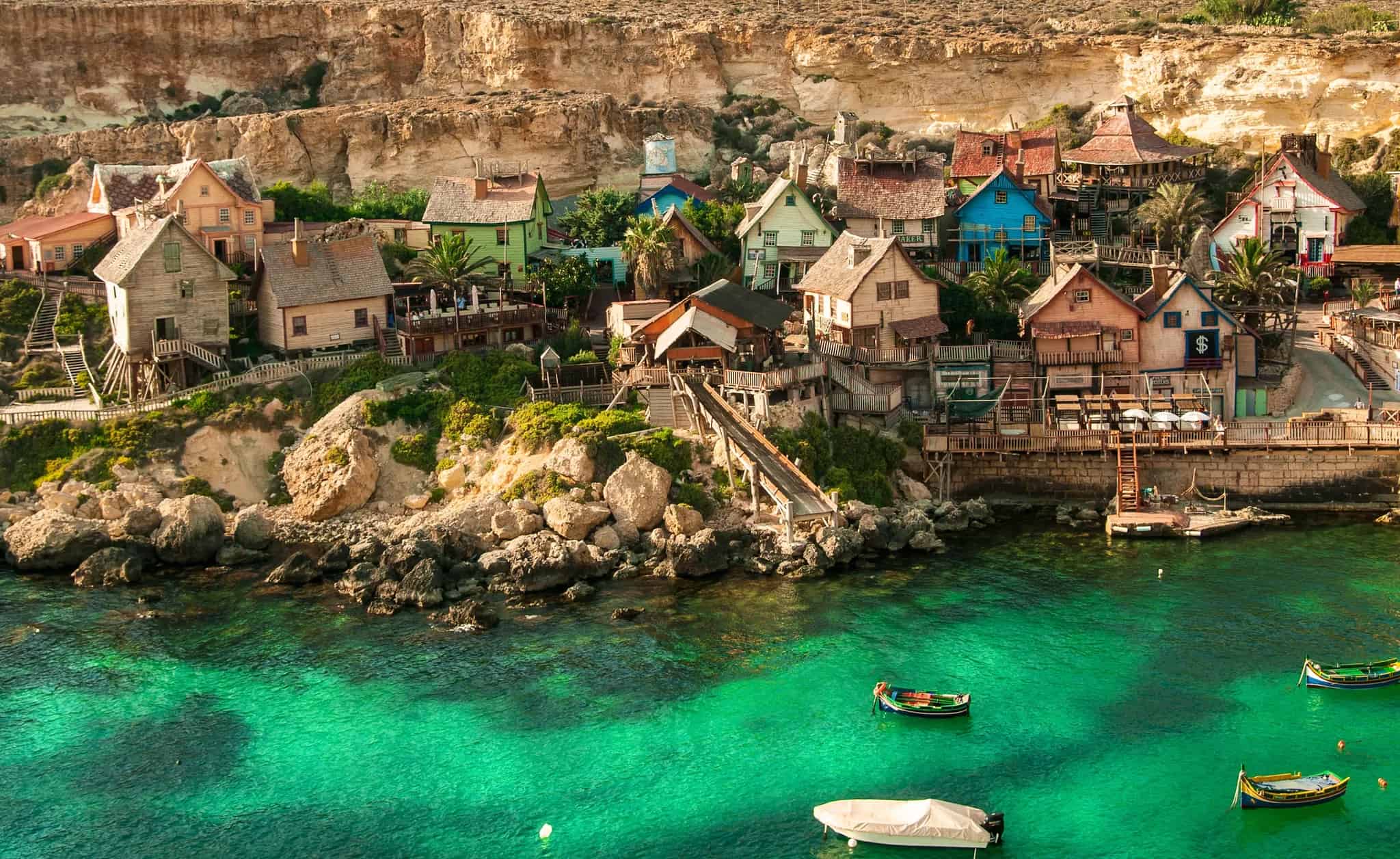
6. Malta Permanent Residence Programme
Malta hands you permanent EU residency on a single grant for life. The headline is €99,000, but the true all-in number is closer to $175,000 to $200,000 once you add the required 5-year lease, administration fees, and donation. Property purchase is an alternative to the lease; few investors choose that route.
Point of clarity: Malta's MPRP is a residency program, direct to permanent residency, not a citizenship program. Malta's separate Citizenship by Merit route (formerly Citizenship by Investment, restructured in 2025) costs seven to nine times more and involves a materially different diligence bar.
If clean EU residency with full Schengen area access is the goal, Malta is among the cleanest routes available. Malta is also perhaps the most tax-friendly EU member country: Its remittance-based setup taxes only the foreign income you bring into the country, with a minimum tax each year.
That tax side changes on January 1, 2027, when Malta's Global Residence Programme folds into a new Individual Tax Programme with a higher minimum. Applications received by December 31, 2026 follow today's terms until the end of 2031. Our guide to Malta tax residency in 2027 compares the old and new rules.
5. Panama Qualified Investor Visa
To Latin America. Panama is probably the fastest golden visa on this list, often inside 90 days. Investors who choose Panama value its connectedness and proximity to the US, the US dollar economy, and the fact that the Qualified Investor Visa grants immediate permanent residence for a property purchase, a bank deposit, or registered securities.
You maintain your status with a single visit every two years if you're not relocating. If you do relocate, Panama's territorial tax system means you won't owe local tax on foreign-sourced income. That combination (fast, permanent, no tax friction) is why Panama appears in more Blueprint reports than any other Latin American program.
The property rules changed in September 2026. Panama's Executive Decree 17 gave property two prices: A new home bought first-hand from its developer qualifies at the lower tier, and a resale home needs the higher tier. If you signed a property contract before September 16, 2026, you can file under the old rule until about mid-March 2027. Our guide to the Panama Golden Visa after Decree 17 lays out which homes qualify.
The decree also opens citizenship to Qualified Investor Visa holders after five consecutive years of residency. Naturalization remains discretionary, so a titled home and other ties to Panama strengthen your application.
4. UAE Golden Visa
The United Arab Emirates Golden Visa gives you 10 years of residency on a $550,000 commitment to property or a regulated fund. Zero personal income tax. Your spouse, your children of any age, and your parents come in under one application.
One important truth: the UAE will likely never grant you a passport unless you are extremely valuable to their image or brand. Citizenship is by decree for Emiratis. Do not treat this program as a citizenship play; do treat it as a zero-tax base residency in a safe, globally connected hub.
Cost-of-living calibration: Dubai is at the very minimum US coastal-city pricing. The tax savings offsets some of that premium, and for high earners who want an English-friendly, well-serviced hub with excellent air connectivity, the math works.
3. Cyprus Golden Visa
Back to the European Union. Cyprus grants permanent residency for investment of at least €300,000 in new local property, with one visit every 2 years to maintain status. Its non-dom special tax regime leaves your foreign dividends, interest, and rental income untaxed for 17 years, one of the longest windows available anywhere in Europe.
Two wrinkles worth noting. The passport can take 8 years, and Cyprus is not in the Schengen area yet (accession is planned for 2027 and needs a unanimous vote of current members first). For EU residency with a very long tax break comparatively, the Cyprus Golden Visa is a great program and worth serious consideration for tax-priority applicants.
2. Paraguay Permanent Residency
Paraguay in South America is the cheapest option on this list. Permanent residency starts near $60,000 down on property with at least $140,000 due over the next 3 years, or a $70,000 business investment. You maintain status with a visit every 2 to 3 years.
On paper the passport comes in 3 years of residency, among the fastest anywhere. In practice, you have to create real ties to the country to apply successfully. Paraguay's courts want to see your local bank account, your local rent, your cell phone bill, the language, and a life on the ground. That's the important gap between what the law allows and what the courts really approve.
1. France Passeport Talent
France has two solid routes for Americans, and people ask us about them constantly. The Passeport Talent for investors starts at €300,000 into a productive French business and does not require any physical presence. The FIP visa (Financially Independent Person) starts at as little as $20,000 in savings, which you're not investing but proving that you have.
The FIP visa requires you to relocate and become a French taxpayer, which typically means taxes on worldwide income at rates near 45% plus social charges. The Passeport Talent does not require presence. But if you do relocate to France, France rewards you with a 5-year path to citizenship, faster than any other European option on this list. For the full breakdown, see our France Passeport Talent guide.
Which Dollars Come Back to You, and Which Do Not
One objection we hear from clients more than any other: "isn't putting $250,000 or $550,000 into a country overseas just setting money on fire?" For most of these programs and investment options, no. The capital returns.
- Portuguese fund subscriptions return at maturity, usually 8 to 10 years depending on the fund.
- Greek, Cypriot, UAE, Panamanian, and Paraguayan property is yours to sell after the mandatory lock-in period, subject to market risk and currency risk.
- Malta's government contribution and Portugal's cultural heritage donation do not come back. Those are true costs.
- France's Passeport Talent investment lives in a productive business for 5 years and comes with business risk; capital return depends on the underlying company.
Through our vetted partners in each of these countries, we structure routes designed so your capital continues working while it also earns you residency. Property in overseas markets comes with the same market and currency risk as property in your home country. Fund positions come with business risk. Nothing is guaranteed. But framing the capital commitment as a total loss is almost never accurate for the recoverable routes.
How to Think about Which One Fits Your Family
Two decision axes count more than the rest.
Presence tolerance. If you refuse to become a taxpayer somewhere else, Portugal, Italy Investor, Greece Golden Visa, Malta MPRP, Panama Qualified Investor, UAE Golden Visa, Cyprus Golden Visa, Paraguay Permanent Residency, and France Passeport Talent (in its investor variant) all work. If you accept relocation for the tax break or the citizenship, the FIP route in France or the D7 in Portugal open up too.
Capital recovery. If you need your principal back, prefer the fund routes (Portugal, Italy under bonds, Greek fund options) or the property routes with clear resale markets (UAE, Panama, Cyprus, Greece). If you're comfortable with the donation model, Malta's MPRP and Portugal's cultural donation offer the cleanest paperwork at the lowest all-in cost.
If you are weighing several of these programs and don't know which fits, book a Freedom Consult. Sixty minutes, a road map customized to your goals, capital, and family structure, and a shortlist of programs that fit anywhere in the world. If you already know your target and you're stuck between two programs in one jurisdiction, a free 15-minute call may be enough. Either way we are program agnostic. Before you commit, contact us for licensed support on the tax and legal side.
For the tax side of the residency and citizenship equation, our US citizenship-based taxation guide covers how the American filing obligation follows you abroad and the four moves that reduce the US bill close to zero without renouncing.
Video Transcript
Click to read the full transcript
Video Transcript
Click to read the full transcript
A second residency does not have to mean moving overseas. In fact, with the right programs, you never do. In this video, we'll cover nine countries that grant residency while you remain living where you are now, how each one works, and whether it fits your situation. Let's break it down.
Here's the thing about these programs. When you put capital into a country, that country has a reason to treat you like an asset. You're bringing money, sometimes jobs, and they want more people like you. You boost their economy. You create more opportunities for their citizenry. So residency by investment programs, golden visas, and citizenship by investment programs are built to reward that type of contribution. And furthermore, the programs we'll cover today ask for almost none of your time in return. I've done this myself and have helped hundreds of families do the same across 30 to 35 jurisdictions worldwide. This is the pattern I see again and again.
The logic flips if you don't invest in these countries. Most countries make you earn residency with your presence. Almost all non-investment programs require you to live there for more than 6 months a year. Residence by residence, which means you become a taxpayer. You take on obligations that an investor never touches. That is the trade. Invest and you have status from a distance. Skip the investment and you move, become a taxpayer, and can owe thousands if not millions depending on the jurisdiction.
If sorting which lane is yours already feels like a lot, this is what our Freedom Consult is for. A 60-minute session to map every jurisdiction and program against your goals, your numbers, and your situation. Let's discuss these nine programs now and then you decide.
First up is Portugal. This is the one most people think of when the term golden visa comes to mind. The program is alive, though the property route closed back in 2023. They eliminated the non-habitual tax regime a few years ago, and they extended the naturalization timeline to 10 years instead of five. More on that in a second.
Today, you're in through a €250,000 donation to cultural heritage projects, €200,000 in lesser populated areas, or the more popular €500,000 venture capital or private equity funds. The draw to Portugal has always been the light presence rules: 7 days in your first year and then 14 days every 2 years after that. You preserve your US life, your Canada base, your European base outside of Portugal, have an EU base in Portugal as well, and vacation once a year in Lisbon or Madeira.
Now, the new wrinkle is time. A May 2026 law doubled the road to citizenship to 10 years from 5 and starts the clock only when your card is issued. AIMA, the immigration authority, has a backlog that can add 2 to 4 years just to get that card. The residency benefits land on day one, but the passport is now a 13 to 15 year time horizon. Treat Portugal as a residency play, as it's always been, not as a fast passport route.
This next country has become quite popular in the wake of Portugal's news this year. Italy offers an often overlooked similar deal for investors with no day count to renew. The cleanest entry is €250,000 into a qualifying Italian innovative startup, and they have an accredited list of those innovative startups, with larger routes up to €2 million in government bonds and philanthropy as well.
Pair it with the €300,000 flat tax in Italy, and the country caps the tax on all your foreign income for up to 15 years, which is the draw for families with serious offshore wealth. That flat tax is a fixed figure, so it only wins above a high income and net worth threshold. That's also in addition to southern Italy's 7% flat tax regime for retirees if you relocate to a town of fewer than 30,000 residents.
The passport here is a 10-year road with a B1 Italian exam at the end, but you must spend at least eight or nine months in the country per year to qualify. You have to create ties to the country. So it's a good EU residency with a patient road to citizenship. Fine if you want to spend a few months a year there, and even if you want to spend more than 6 months and claim tax residency in special cases.
Another potential alternative that many American investors have asked about is Greece. Greece has a no-day-count golden visa just like Italy that also moves faster to a passport, but there's a caveat. 7 years against Italy's 10, but the citizenship play here is an uphill battle. This is not a certain route, and you must speak Greek. You must prove your ties to Greek society and spend significant time there to naturalize and become a taxpayer.
For that reason, the €250,000 tier applies to restored property and approved startups. Standard property is €400,000 outside the prime zones like Athens, Thessaloniki, Mykonos, and Santorini, you get the deal, and €800,000 wherever you would like. There are also a few more routes for investment funds and government bonds.
The Golden Visa here in Greece asks for zero presence, but a 7% retirement tax deal just like in Italy, a €100,000 annual lump-sum tax payment, and the 7-year naturalization all need you to become a real resident and taxpayer. You have to spend more than 6 months a year in the country to take advantage of those.
If you're a US citizen, you're already paying tax in the US. Do you really want to spend more than 6 months a year in any of these European countries and become tax resident there? Have it from afar for pure EU optionality, or move for the tax and the potential citizenship after you really create ties to the country.
Now, Malta hands you permanent EU residency on a single grant for life. The headline here is €99,000, but I priced the true number from the start. Add the required 5-year lease. There's also a property purchase, though few investors choose that route. The administration fee, the donation, and all in, the total investment lands closer to $175,000 to $200,000.
One point to be clear on here: this is a residency program, direct to permanent residency. This is not Malta's citizenship by investment program that they eliminated in 2025. Malta Citizenship by Merit is a separate route that costs seven to nine times as much depending on what you're bringing to the table.
If clean EU residency inside full Schengen area access is the goal, Malta is among the cleanest on the menu. Plus, Malta is perhaps the most tax-friendly European Union member country with its remittance-based setup. You either pay €15,000 a year in tax or pay tax only on what you bring into the country.
Now to Latin America. Panama is probably the fastest golden visa we'll discuss today, often inside 90 days. Most investors who choose this Central American country value its connectedness and proximity to the US, the US dollar economy, and the Qualified Investor Visa requires $300,000 in property and grants immediate permanent residence status.
You maintain your status with a single visit to the country every two years if you're not going to relocate. But even so, if you do relocate, this is not a problem. You likely won't owe any local taxes, as Panama has a territorial tax system that does not levy any taxes on foreign-sourced income.
One time-sensitive caveat here: the $300,000 investment threshold of the Qualified Investor Visa is set to rise to $500,000 after October 2026. And while the passport is a 5-year path, it's discretionary and we rarely see investors get that citizenship. It seems like that's changing, but we'll wait and see.
If breakdowns like this help your family, subscribe and turn on the bell. We cover programs like Panama and Malta in depth, multiple times a week.
Now, the United Arab Emirates Golden Visa gives you 10 years of residency on a $550,000 commitment in property or regulated fund, with no personal income tax at all. Your spouse, your children of any age, and your parents come in under that same application.
Let's be clear on one thing. The UAE will likely never give you a passport, never give you citizenship, unless you're extremely valuable to their image, their brand, or you do something extraordinary to earn it. Citizenship is by decree for Emiratis.
Dubai is at the very minimum US coastal city cost of living. The tax savings is partly offset by that lifestyle premium in Dubai and Abu Dhabi. But for a high earner who wants a zero-tax base residency in a safe place, and a base in a globally connected hub, the math can work depending on your situation.
Back to the European Union, where Cyprus grants permanent residency for those investing at least €300,000 in new local property, with one visit every 2 years to the country. Its non-dom special tax regime also leaves your foreign dividends, your interest, and rent untaxed for 17 years.
Two wrinkles worth knowing about Cyprus: the passport can take 8 years, and Cyprus is not in the Schengen area yet, though accession is in progress. For EU residency with a very long tax break comparatively, it's a great program and stronghold.
Paraguay in South America is the cheapest option we'll cover today. Permanent residency starts near $60,000 down on property with at least $140,000 due in the next 3 years, or a $70,000 business investment, and you maintain it with a visit every 2 to 3 years.
On paper, the passport comes in 3 years of residency, among the fastest anywhere. But you have to create ties to the country to apply successfully. Paraguay's courts want to see you settled there: your local bank account, your local rent, your cell phone bill, and so on, with the language and a life on the ground.
Last but not least, France is also on this list. People ask us about it constantly, so let's dispel the myths here. France has two solid routes. The Passeport Talent for investors at €300,000, which does not require any physical presence, and the FIP visa, the Financially Independent Person visa, on as little as $20,000 in savings, which you're not investing. You're just proving that you have it.
That FIP visa requires that you do relocate and do become a French taxpayer, which generally means taxes on worldwide income at rates near 45% plus social charges. The residency by investment program is not a new option, but the minimal stay has been recently codified into the program. If you do relocate to the country, France rewards you with a 5-year path to citizenship, faster than any other European option on this list, frankly.
One more thing, because it is one of the objections I hear most from our clients. Putting $250,000 or $550,000 or euros, what have you, into a country overseas might sound like you're setting money on fire, but for most of these programs and the investment options, it's not.
Portuguese fund subscriptions return at maturity, usually 8 to 10 years depending on the fund. Greek, Cypriot, UAE, Panamanian, and Paraguayan property is yours to sell after the mandatory lock-in period as well. Through our partners in each of these countries, there are routes designed so your capital continues working for you while it also earns you residency in that country.
Some of it is a true cost though. The Malta government contribution and the Portugal cultural heritage donation do not come back to you. And property of course has market risk and currency risk in some of these jurisdictions, like any property in your home country as well. Go clear-eyed on which dollars return and which do not.
If you're weighing several of these programs, window shopping a few jurisdictions, and you do not know which fits, book a Freedom Consult with us. In 60 minutes, we'll customize a road map based on your goals, your capital, and your family structure, and you'll leave with the programs that fit you anywhere in the world. They usually surprise you.
If you already know your target and you're stuck between two programs in one jurisdiction or want a straight answer to a specific question, grab a free 15-minute call with us instead. We are program agnostic over here. We simply want the best for you and yours. Whatever you land on, verify it with a US tax attorney and local counsel before you commit.
Which program stood out to you? Which investment options grab your attention? Drop it in the comments and learn from others as well.
For the tax side of this relocation and residency and citizenship equation, watch my breakdown on how US citizenship-based taxation works and the options at your disposal to either avoid it entirely or reduce it as much as possible. That's on your screen now. Talk to you soon.
 Italy


 Panama

 France


 Spain



 Greece

 United States