Explore Panama and its Plan B potential, guided by the Freedom Files. See the trip →

Freedom FilesFreedom Files
← All destinations

Colombia

Eternal-spring weather in Medellín, a cost of living a fraction of US coastal cities, and US-aligned time zones that preserve your American business hours intact.

Population
52 million
Language
Spanish (English in expat hubs)
Currency
Colombian Peso (COP)
Time zone
COT (UTC−5, no DST)
Capital
Bogotá
GDP per capita
~US$7K
  1. A climate that needs no apology

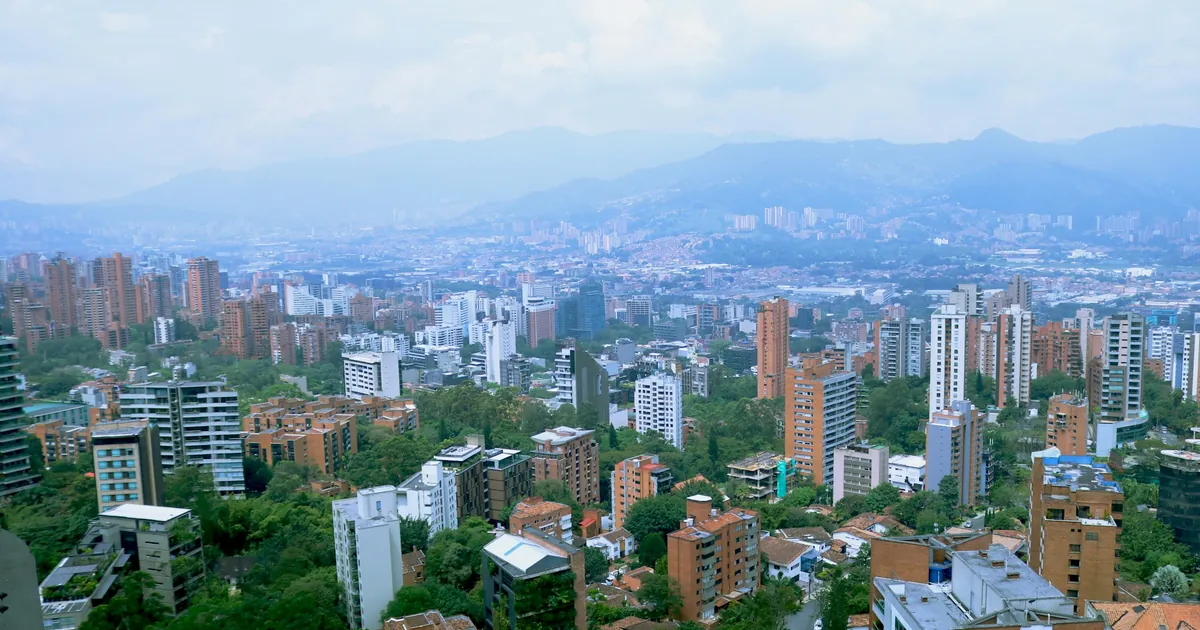
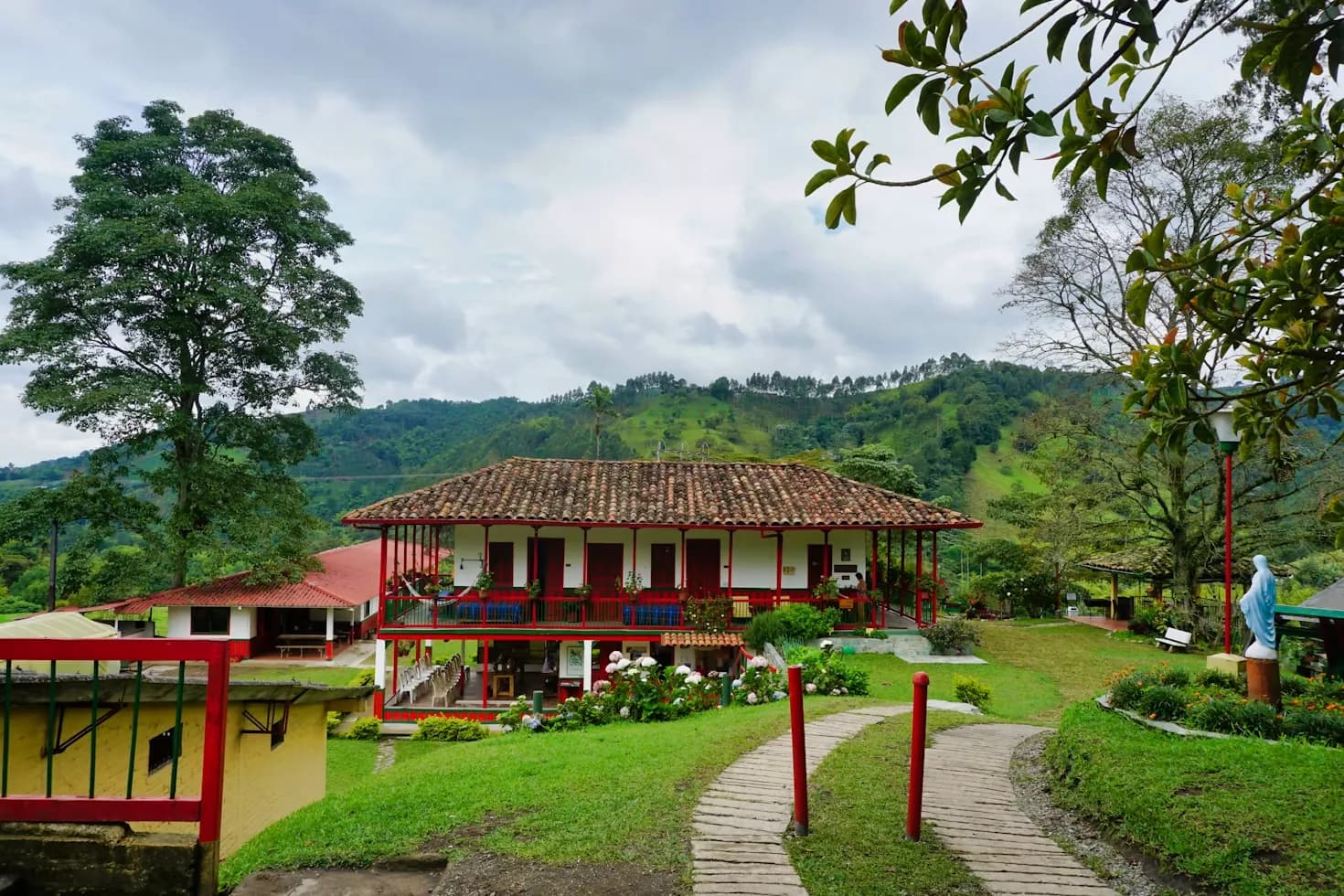
    Medellín is at five thousand feet on the equator. The result is year-round temperatures in the high sixties to mid-seventies. No air conditioning, no heating, no seasonal misery. Bogotá comes in cooler, the coast warmer, pick the climate, then pick the city.

  2. Cost of living that rewires your monthly math

    A comfortable two-bedroom in El Poblado costs $1,200 to $1,800 per month. A long dinner with wine for two is $40. Private health insurance is under $200 a month. Your dollar buys two to three times what it does in the US.

  3. Same time zone as the US East Coast

    Colombia stays on UTC−5 year-round, no daylight saving. Your nine AM is New York's nine AM. Remote work, US business ownership, family calls, none of the cadence breaks that a six-hour Atlantic gap introduces.

  4. A short flight from Miami

    Three hours from Miami, five from New York, six from Houston. Direct daily service means weekend trips home work. The friction of being abroad never quite arrives.

  5. Healthcare that consistently surprises

    Medellín hospitals rank among Latin America's top medical institutions. Procedures cost a fraction of US private rates, and most expats bring private insurance at well under what an Affordable Care Act premium costs back home.

  6. An American community already on the ground

    Medellín, Cartagena, and parts of Bogotá have substantial American expat communities. The schools, the gyms, the co-working spaces, and the visa-savvy attorneys already exist. You are not pioneering.

Three Routes into Colombia

Each route below is a live client engagement we have advised. Figures and timelines reflect the current state of each program; we update them whenever policy moves.

  • Investor Visa

    Residency

    Three-year renewable residency through qualifying business or property investment. Colombia uses tiered thresholds: a lower bar for productive business capital, a higher bar for passive property. Five years on the M-visa converts to permanent residency (R-visa); five more years on the R-visa unlocks the citizenship petition at year ten.

  • Retirement Visa

    Residency

    Long-established retirement residency for those with stable foreign-source pension or annuity income. Three-year renewable visa with the same five-on-M, five-on-R structure: permanent residency at year five, citizenship petition at year ten. The threshold scales to three times Colombia's minimum wage and adjusts annually.

  • Digital Nomad Visa

    Residency

    Two-year visa for remote workers and contractors with foreign-source employment or contract income. Among the most accessible digital-nomad routes in Latin America. A temporary permit only, V-visa time does not count toward Colombian citizenship.

Several routes, several ideal profiles. Which is right for you? The Freedom Consult is where we figure out your ideal path forward, and whether Colombia is even the right country.

Get my Blueprint

A Taste of Colombia

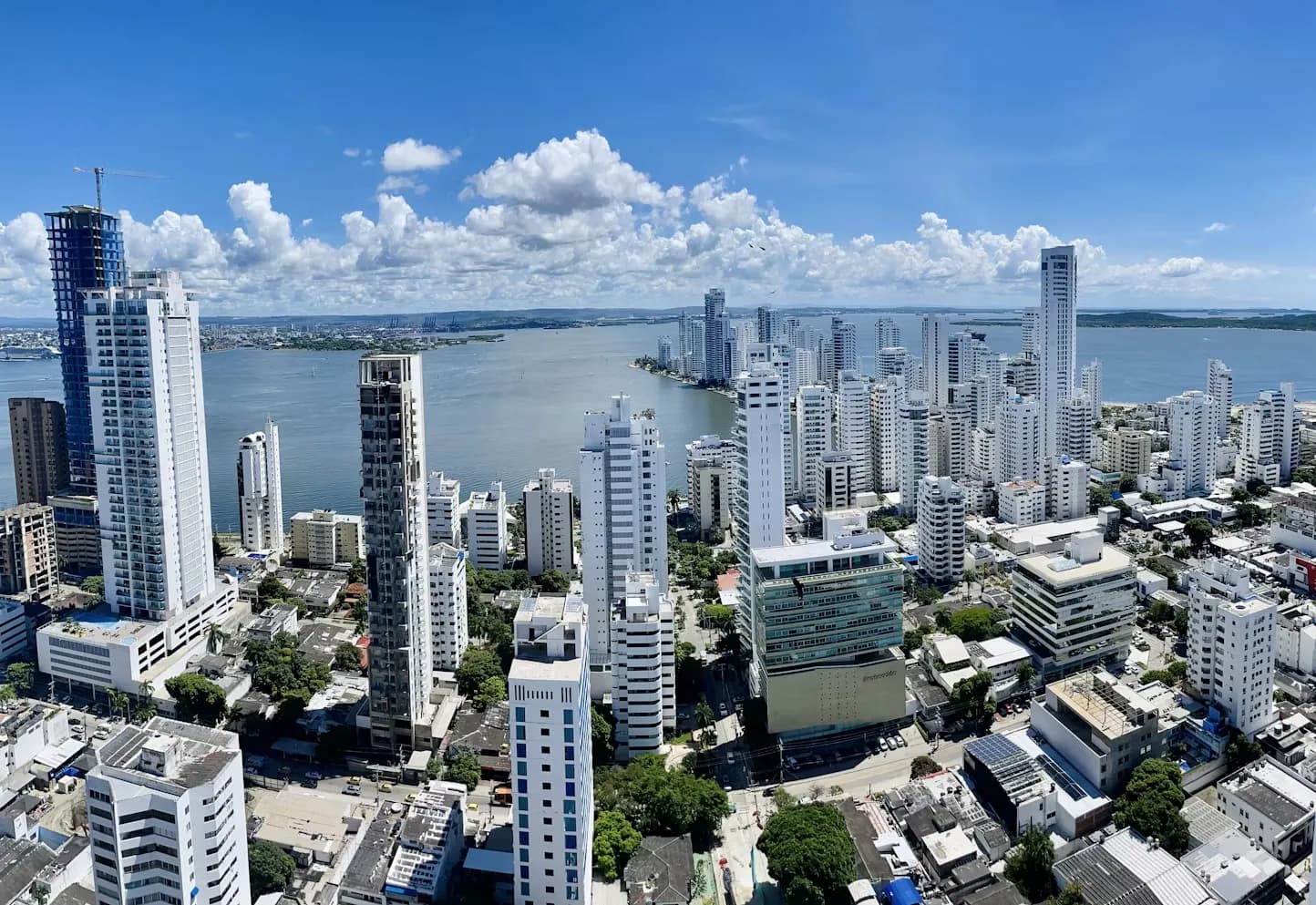
Colombia editorial photograph 1
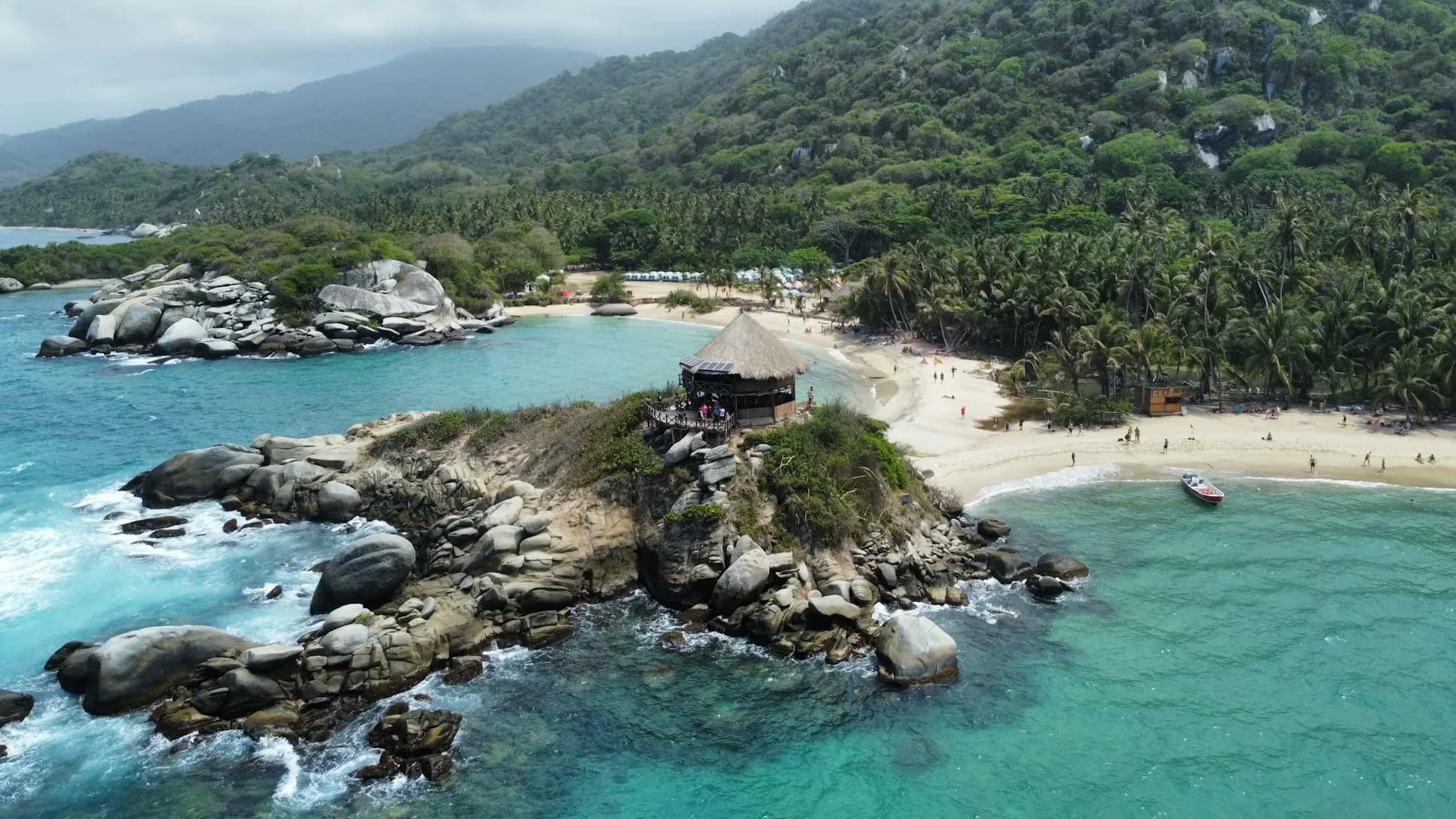
Colombia editorial photograph 2
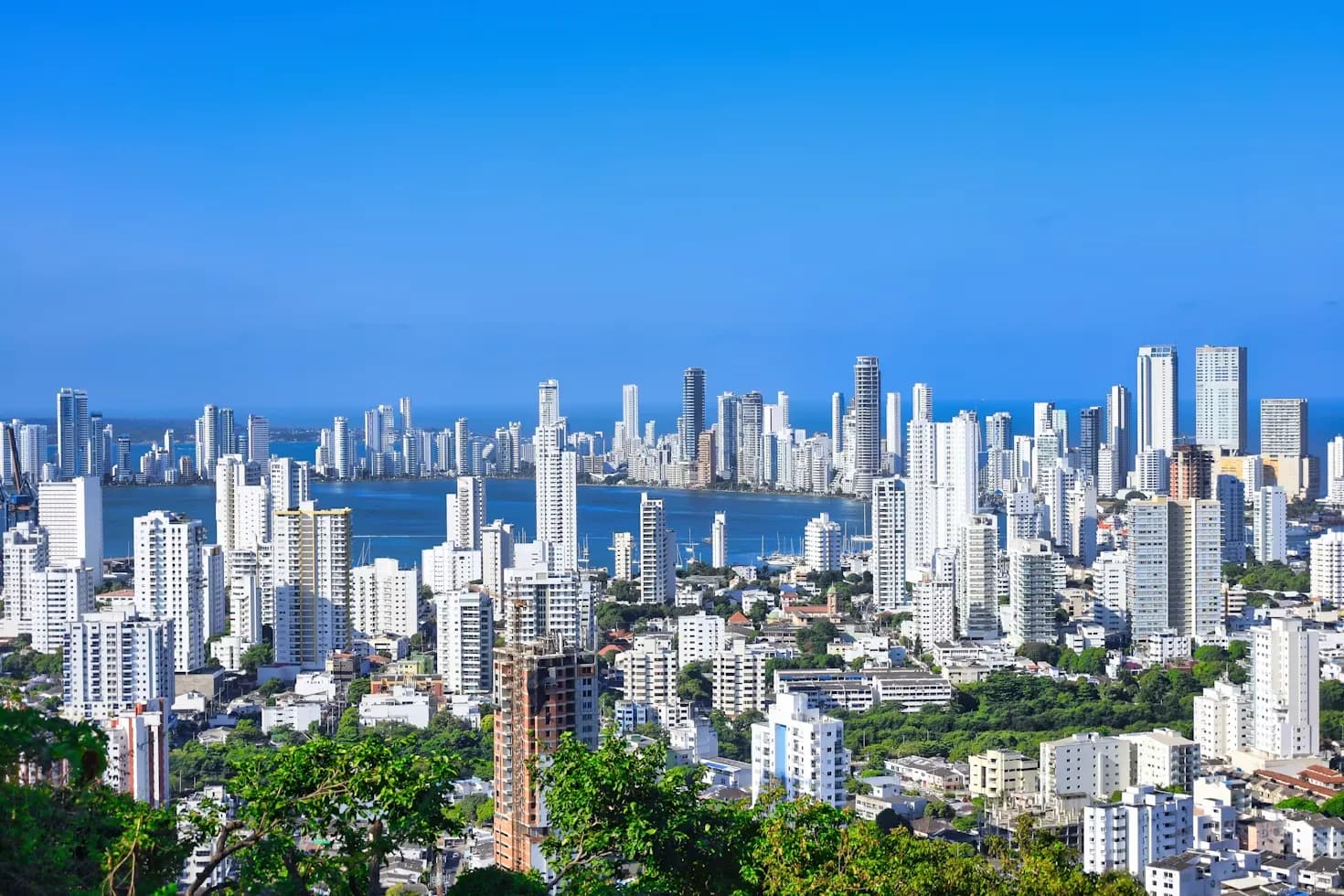
Colombia editorial photograph 3
Colombia editorial photograph 5Colombia editorial photograph 6Colombia editorial photograph 7Colombia editorial photograph 8

Is it safe to live in Colombia?

The Colombia of headlines from twenty years ago is a different country today. Medellín, Bogotá, Cartagena, and Cali each have neighborhoods Americans live in comfortably, El Poblado, Laureles, Chicó, the walled city. Petty theft requires the usual urban sense; violent crime in those neighborhoods is rare. We brief every client on which neighborhoods to consider and which to skip.

How long until I can obtain a Colombian passport?

Ten years of legal residency for most Americans, five years on an M-visa (Investor or Retirement) followed by five years on the R-visa, Colombia's permanent residency. Reduced to two years if you marry a Colombian citizen or have a Colombian-born child. The V-visa (Digital Nomad) is a temporary permit and does not count toward the naturalization clock. A Spanish-language test and a basic Colombian-history exam are part of the application.

Do I have to learn Spanish?

Daily life in Medellín, Bogotá, and Cartagena's expat zones defaults to English more often than you would expect, but Spanish makes everything easier, from leases to doctor visits to administrative filings. The citizenship application requires demonstrated Spanish proficiency, which most clients build through immersion plus formal tutoring.

What happens to my US taxes once I move?

The United States taxes citizens on worldwide income regardless of where they live. Colombia taxes residents on worldwide income after 183 days of presence, with foreign tax credits that mitigate double taxation in most cases. We coordinate with US-licensed counsel to plan the filing overlap.

Can my family come with me?

Yes. Spouses, dependent children, and dependent parents qualify as beneficiaries under a single application. Each family member receives proportionate rights and the same path to permanent residency and citizenship.

Will I have to give up my US citizenship?

No. The United States and Colombia both permit dual citizenship. You can have both passports indefinitely.

Eight Factors, Against the US Baseline

The dimensions that decide whether a place is workable once the visa lands.

English

Strong in expat hubs

El Poblado, Laureles, and central Cartagena default to English at most restaurants, gyms, and co-working spaces. Outside those zones, Spanish becomes essential.

Cost of living

Dramatically lower

Major Colombian cities come in 60-70% below US coastal-city benchmarks. A comfortable middle-class life costs $2,500 to $4,000 a month for a couple.

Taxes

Worldwide after 183 days

Progressive resident rates topping at 39%. Foreign-tax-credit planning typically prevents double taxation. US filing continues regardless.

Quality of life

Surprising on most metrics

Eternal spring in Medellín, walkable urban cores, a food and music culture that punches well above the GDP figure. Colombia ranks consistently well on global happiness indices.

Safety

Improved, neighborhood-specific

Major-city expat neighborhoods are statistically safer than many US urban areas. Outside those zones, situational awareness is required. We brief on geography during onboarding.

Travel connectivity

Excellent to the Americas

Direct flights to roughly 25 US cities including Miami, New York, Houston, LA, and Atlanta. Three hours from Miami. Limited direct service to Europe, most routes connect through Madrid or Panama.

Infrastructure

Strong in cities, uneven outside

Major-metro utilities and internet are reliable and modern. Rural infrastructure is materially weaker, which limits where most Americans choose to base.

Healthcare

High quality in major cities

Medellín, Bogotá, and Cali each host hospitals ranked among Latin America's top fifty. Private insurance costs $100 to $250 per month for comprehensive coverage.

Content on Colombia

Deeper coverage of Colombia from the Freedom Files library: Long-form articles and video deep dives.

Everything You Need to Know About Colombia Residency and Citizenship

Our free Colombia briefing is a PDF covering everything on this page, plus the comparison framework we use internally. Delivered to your inbox.

No spam ever! Unsubscribe in one click.

Click for access to a full Colombia briefing

Get Your Free Plan B Blueprint

Answer ten questions in two minutes, and we’ll match you with the residency and citizenship programs that best fit your goals.

What do you want from your Plan B?