 Costa Rica
 Colombia
 Ecuador
 Brazil
 Paraguay
 Panama
 Dominican Republic
In this article
A home in Latin America can do two jobs for you at once: Earn rent and buy you residency, the first step toward a second citizenship. Seven countries offer residency by investment in Latin America through property, from a $48,000 home in Ecuador to a $300,000 new build in Panama.
I got my own Colombian residency this way, and Panama and the Dominican Republic are my two picks. Let me explain.
Seven Homes That Buy Residency
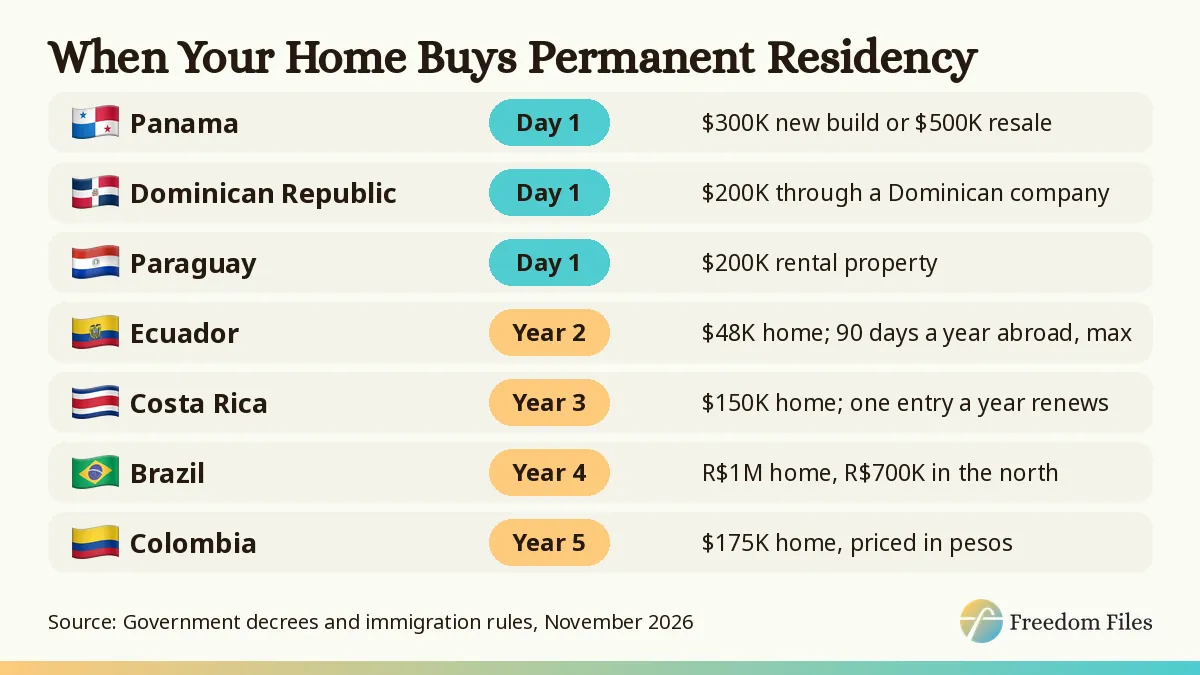
- Lowest entry: Ecuador grants residency for a home worth about $48,200, but you can't spend more than 90 days a year abroad during your first two years.
- Permanent from day one: Panama, the Dominican Republic, and Paraguay make you a permanent resident at the start, while the other four make you wait two to five years.
- Least time required: Brazil asks for 14 days in the country every two years, and Costa Rica for one entry a year.
- Fastest citizenship: The Dominican Republic currently lets you apply for naturalization six months after you get residency.
- Brazil on sale: With the Brazilian currency near a 12-month low, your dollars buy Brazilian property at a discount right now.
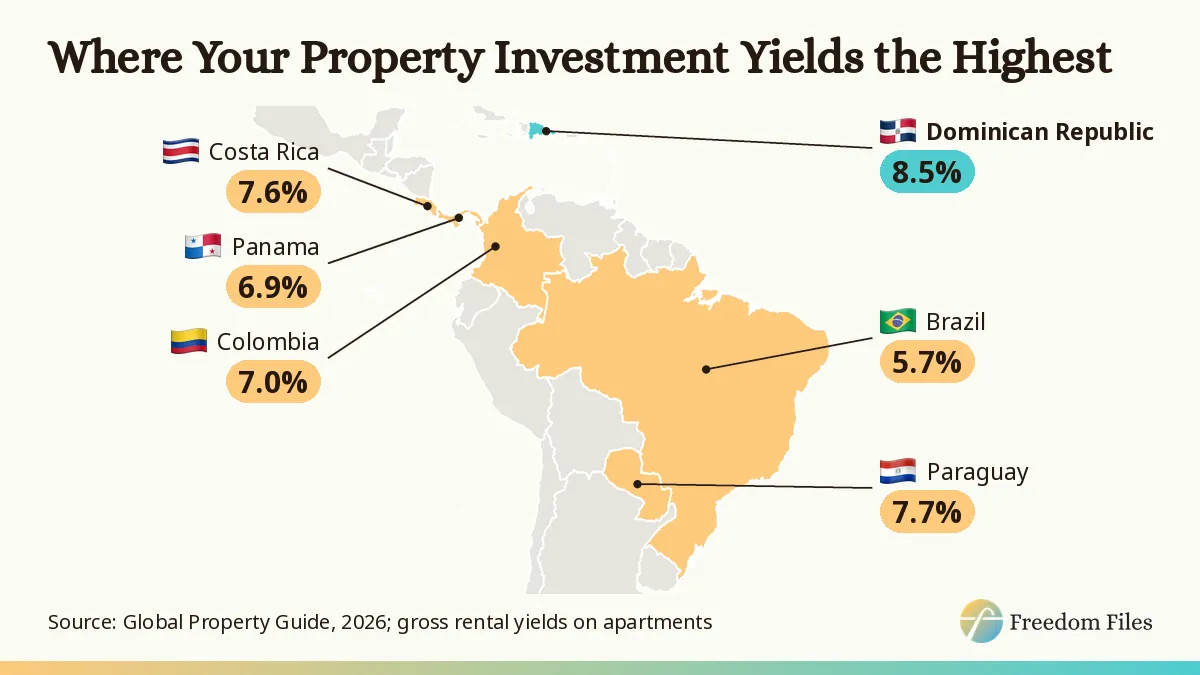
- Rental income: Gross yields range from 5.7% in Brazil to 8.5% in the Dominican Republic.
- Our picks: Panama and the Dominican Republic, while Paraguay waits until its bank crisis clears.
A Home Pays You Twice
A home can earn rent and gain value in the years it takes to become a citizen, and in these seven countries the purchase itself buys the residency.
So I judge these countries by how soon the home makes you a permanent resident and how much of your time each one asks for. A low-priced home with a strict presence rule can tie you to one country for years.
Permanent residency counts most for a Plan B. You can't lose it by missing a renewal deadline, and in most of these countries it starts or speeds up your citizenship clock.
Gross Yields Range from 5.7% to 8.5%
You don't need to live in most of these homes, so the rent becomes part of the return. Gross rental yields across these markets range from 5.7% in Brazil to 8.5% in the Dominican Republic, per Global Property Guide, which doesn't track Ecuador.
For example, a $200,000 condo grossing 7% brings in about $14,000 a year. Gross means before building fees, property tax, management, and empty weeks, which take a bigger bite from a holiday rental than from a long lease.
Costa Rica's Investor Visa Suits a Calm Life
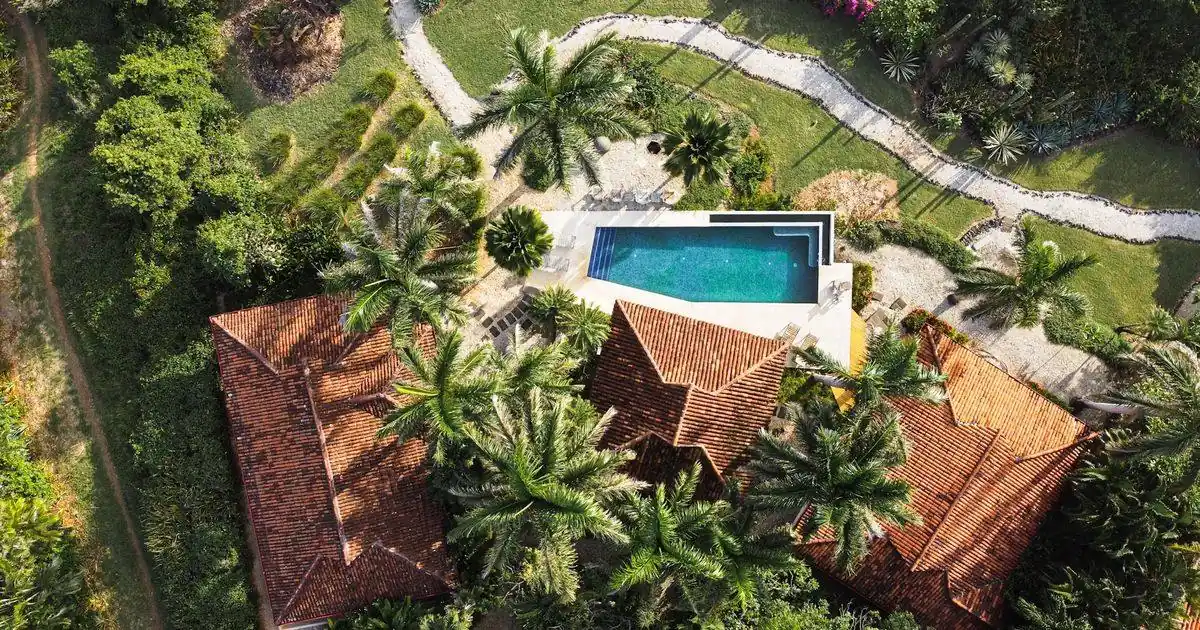
Costa Rica has been an American expat favorite for decades, and it's about as plug-and-play as Latin America gets. A home worth at least $150,000 gets you residency through the Inversionista Visa, the country's investor residency.
To me, it's not the most exciting choice. I had a pretty boring time when I lived there, because it's very Americanized and its culture speaks to me less than Panama's, Colombia's, Brazil's, or Argentina's, but if you want a relaxed, predictable life, especially in the jungle, Costa Rica fits.
You start with temporary residency, renewed every two years, and you can switch to permanent residency after three years. That's a longer wait than the three day-one countries at the end of this list, but after seven years you can apply for citizenship. Processing takes eight to 12 months, closer to 12 once the backlog kicks in.
One Entry a Year Renews It
For a Plan B, Costa Rica asks very little of your time. You don't have to live in the home or in the country, and one entry a year is enough to renew, so you can rent the place out and use it for a few weeks in the dry season.
The rental market is healthy, with gross yields around 7.6%. Most Americans buy in the Central Valley around Escazú and Santa Ana, or on the Guanacaste coast near Tamarindo, and asking prices for houses in San José rose about 12.5% in the year to June 2026, per Global Property Guide.
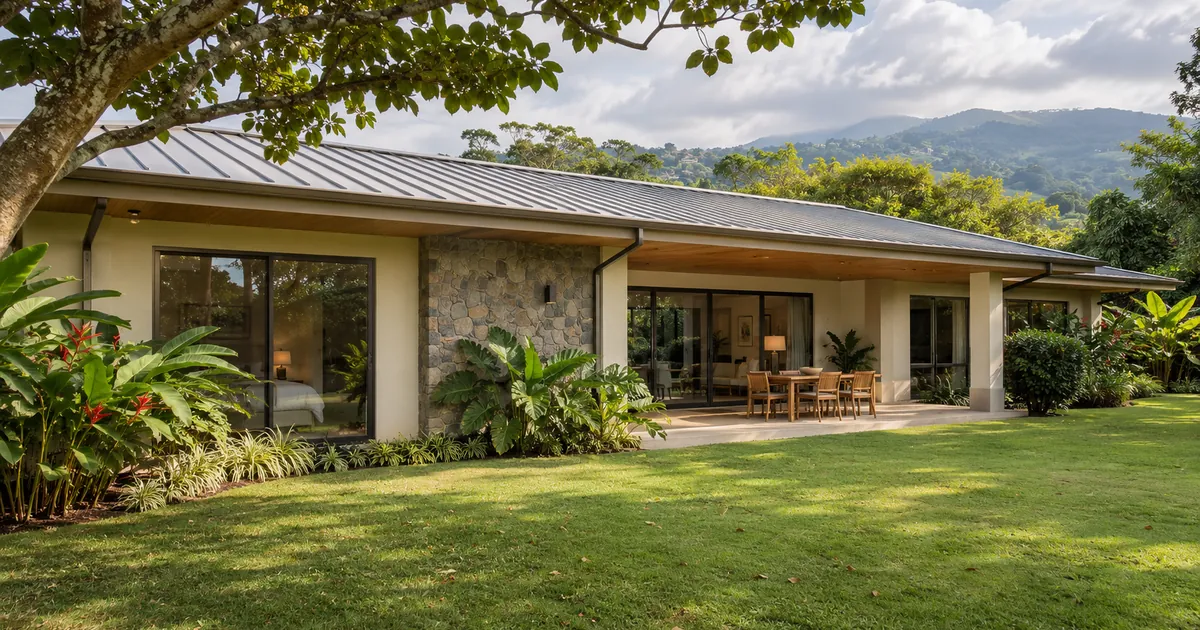
Foreigners own titled property with the same rights as Costa Ricans. The exception is the beach: The first 200 meters from the high-tide line belong to the state, and beyond the 50-meter public strip, the rest is a municipal concession a foreigner generally can't take on without five years of residency.
So before you buy near Tamarindo, confirm the plot is titled.
Is Costa Rica Moving Away from Territorial Tax?
On tax, Costa Rica has long been territorial, taxing only income you earn inside the country. Those territorial benefits are now under threat: The government sent the Legislative Assembly a bill this fall that would tax residents' foreign passive income, such as dividends and interest, at 15%.
So before you buy, get a full analysis of your circumstances from our tax team, then move forward with residency, and tax residency with it. Costa Rica suits you if you want a calm pace and a home you don't have to live in.
Colombia's Investor Visa Rewards a Growing Market
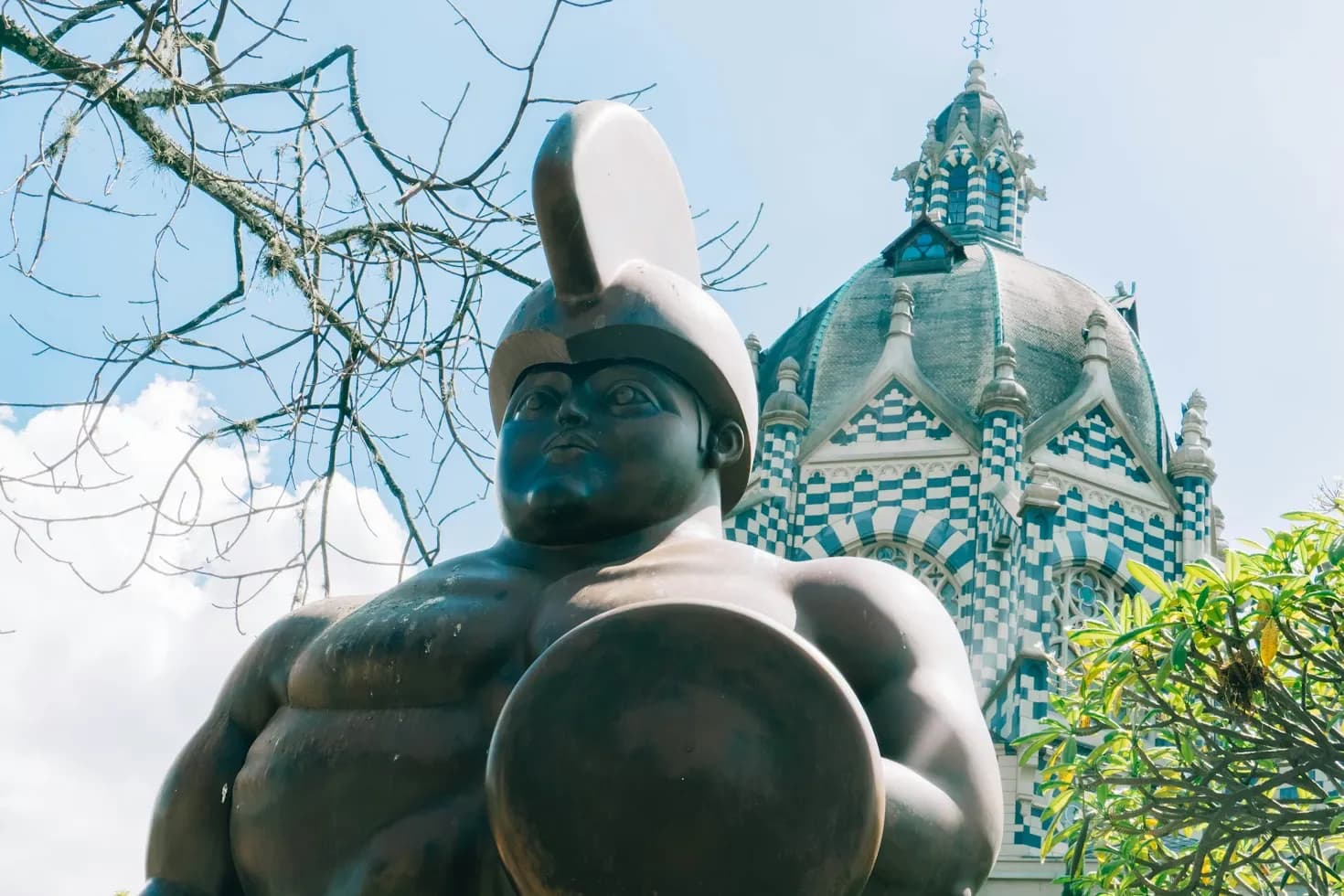
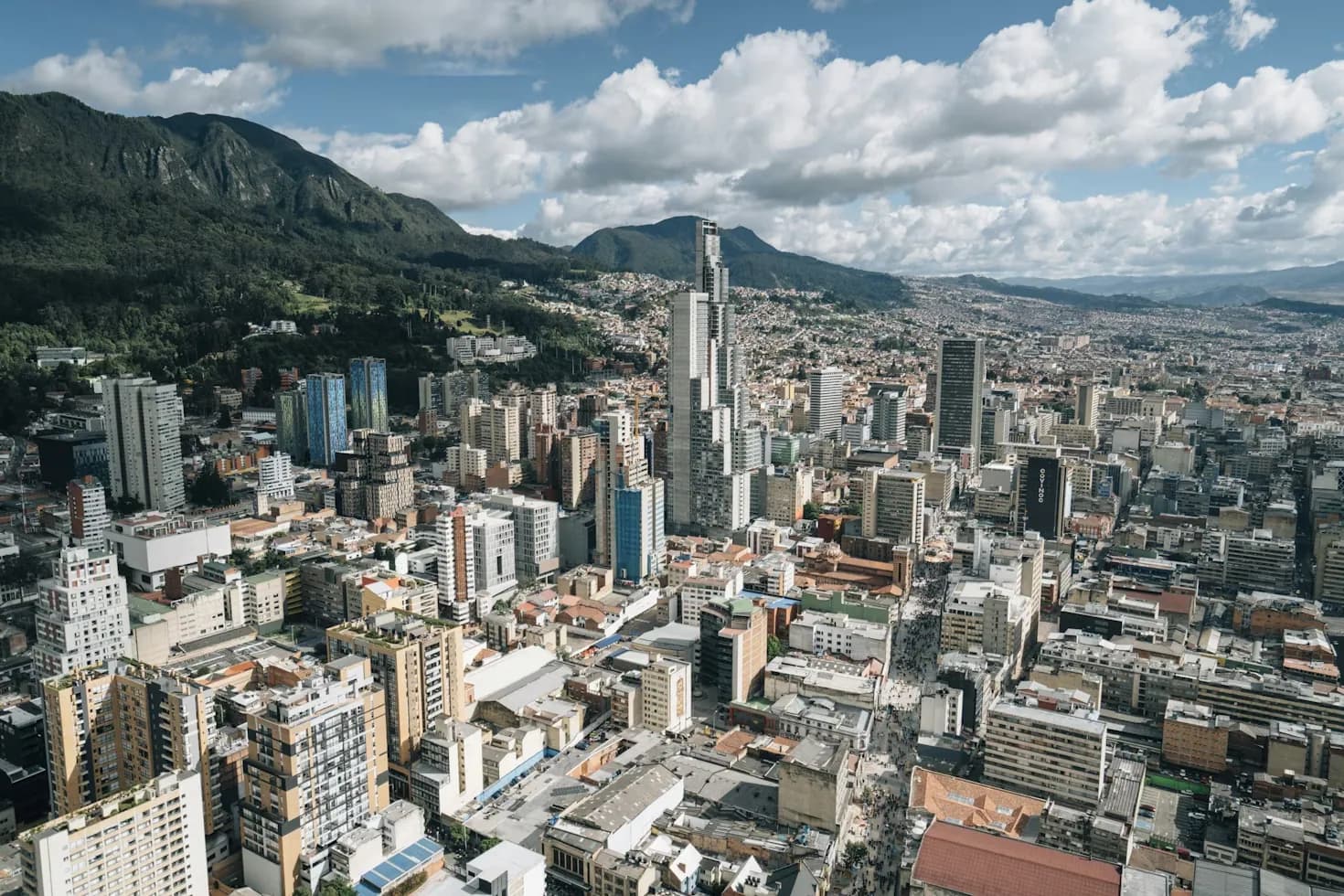
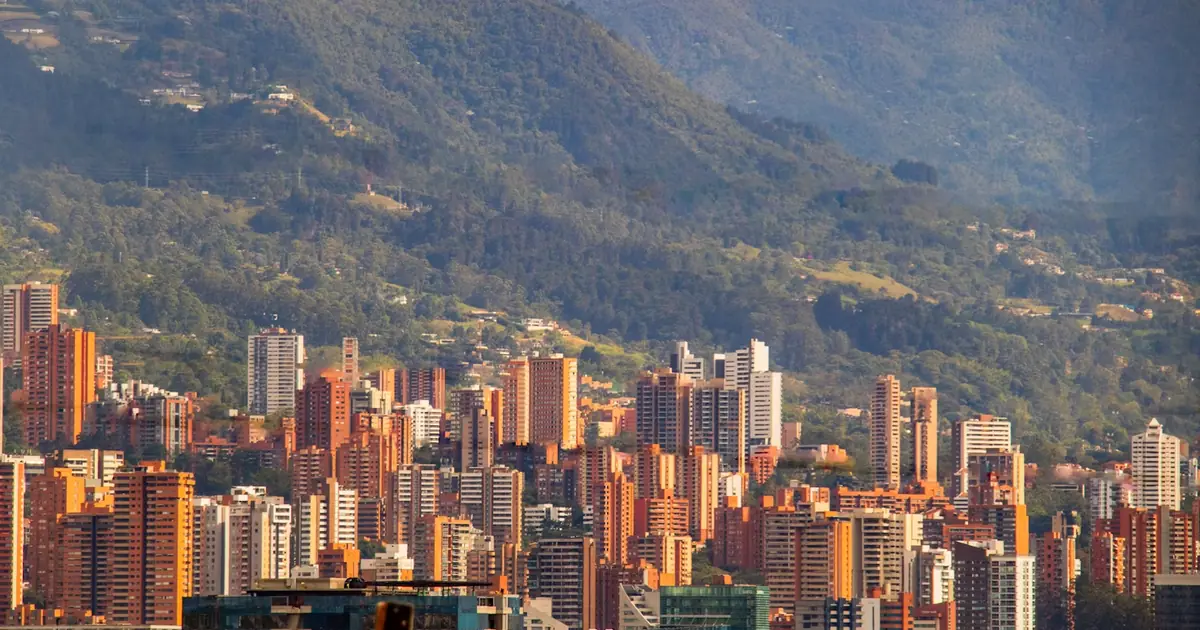
I know Colombia like the back of my hand. A home worth about $175,000 currently gets you residency through the Migrant Investor Visa, and I got mine by buying property in Medellín, Colombia's second-biggest city after Bogotá. That property doubled in value in three years.
Property values in Colombia rarely fall, because most Colombians store their wealth in real estate. On top of that, the Colombian peso has rallied to become one of the world's strongest currencies over the last 12 months, and a big tourism boom helped too, though it has cooled as 2026 ends.
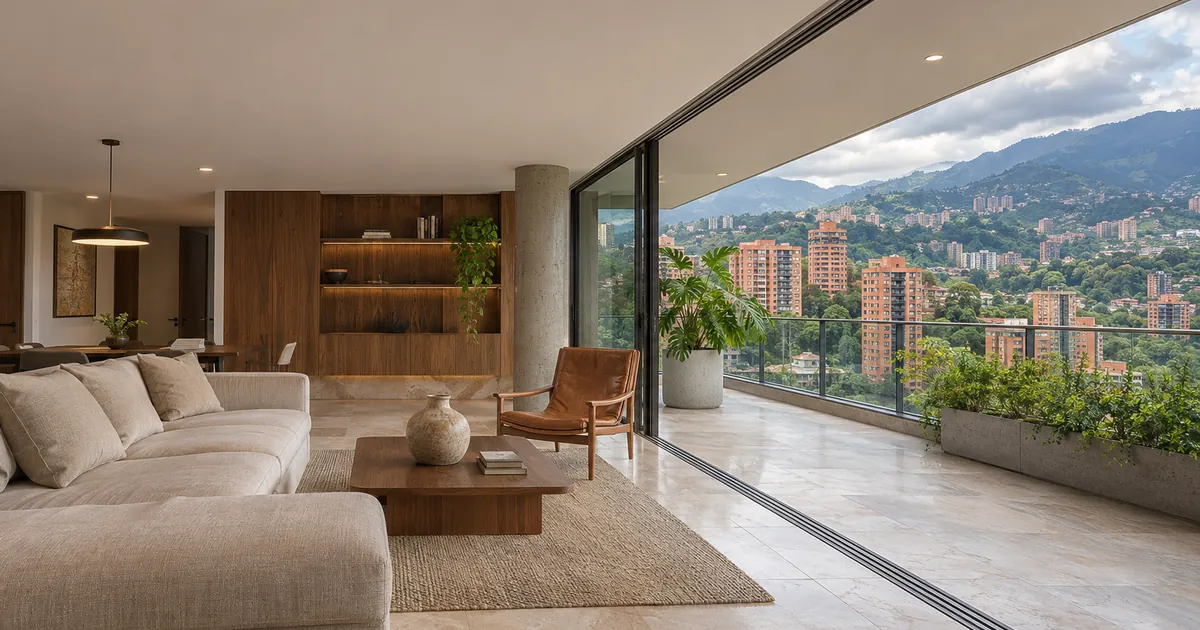
Invest Well above the Minimum
Colombia sets the minimum in pesos, at 350 times the monthly minimum wage, or about 613 million pesos in 2026. As the peso strengthens, that comes to roughly $175,000 to $190,000 depending on the day's exchange rate.
The critical part: Your investment has to be worth more than that minimum each time you renew the visa, and the minimum climbs with the wage. Colombia raised its minimum wage 23% for 2026 alone.
So invest well above the minimum. A home bought right at the line today can fall under it after a few wage increases, and that puts your next renewal at risk.
The official value on your deed has to clear that minimum, even if you paid the seller more, and the title has to be in your name alone. Buyers who close on a low declared value to save on transfer costs can lose the visa that way.
Register the Money Before You Buy
You buy the property and register the investment with Colombia's central bank, the Banco de la República. That step is very important: The funds must enter the country through the right channel, and a correct registration from the start makes every renewal smooth.
We handle that step for clients in year zero, before they invest. The visa lasts up to three years at a time, and after five years you can move up to what Colombia calls the resident visa, which works as permanent residency. Five years after that, you can apply for citizenship.
Presence is easy. You don't need to live in the home, but spending more than six months in a row outside Colombia puts the visa at risk.
Colombian Demand Sets Medellín Prices
Most Americans buy in El Poblado or Laureles, and the spring weather all year is a big bonus. Gross rental yields come in around 7%.
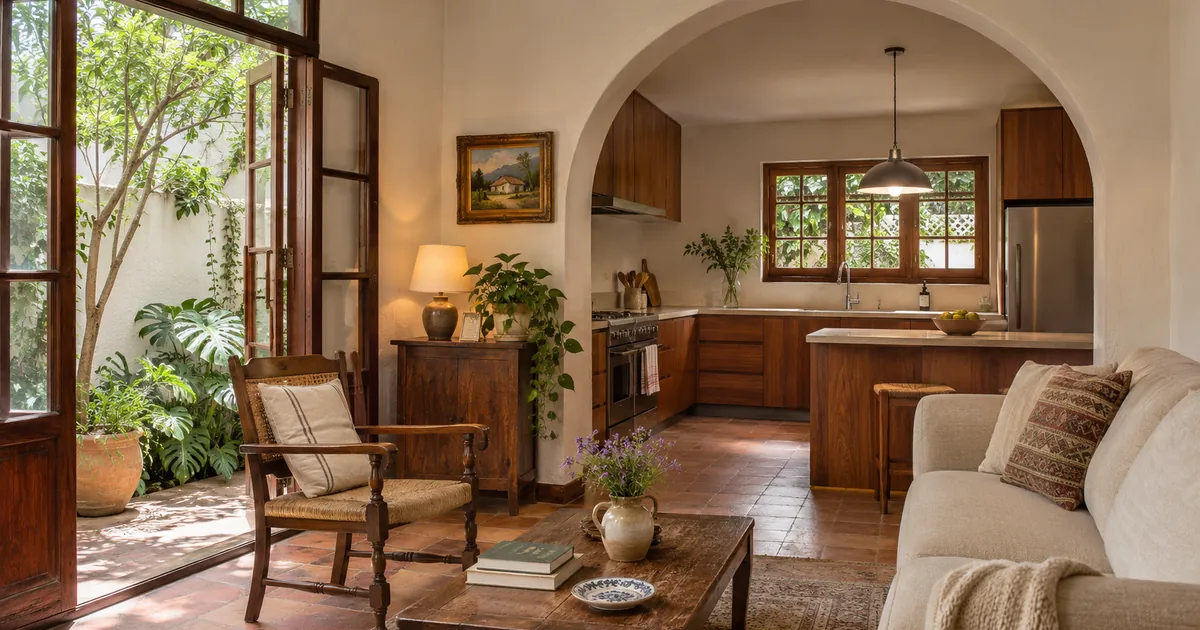
Foreign buyers are a small slice of the market. Non-residents bought 3.28% of the new homes sold in Antioquia, Medellín's department, in Camacol builders' association data from December 2025, so Colombian demand sets prices.
Short-term rentals are legal across Medellín, but the city now checks building rules and tourism registration. If you plan to rent by the night, buy only in a building whose rules allow it. Colombia suits you if you want a market with room to grow and plan to spend a good part of the year there.
Ecuador's Investor Visa Has the Lowest Entry
Ecuador is the lowest entry on this list. Its Investor Visa requires property worth 100 times the monthly basic wage, which is $482 in 2026, so a home worth about $48,200 gets you residency.
Ecuador has long been a good destination for American expats. It uses the US dollar, so your purchase has no currency risk, it shares similar time zones with the US, its tax system is navigable, and the people are extremely kind.
You start with temporary residency for two years, then switch to permanent residency. But there's a big catch: Ecuador has the strictest presence rule on this list, and in those first two years you can't spend more than 90 days a year outside the country.
A Rough Patch Can Mean a Good Price
Ecuador is going through a rough period, with security problems and power cuts over the last two years. The old investor line says the best time to buy is when everyone else is scared, and in my opinion, this market only goes up from here.
You don't have to rush it, either. You have months to watch the market before you invest, and the dollar minimum adjusts each January along with the basic wage.
Most Americans buy in Cuenca or Quito, and since real estate is one of several qualifying investments, you can buy the home you want to live in during those two years.
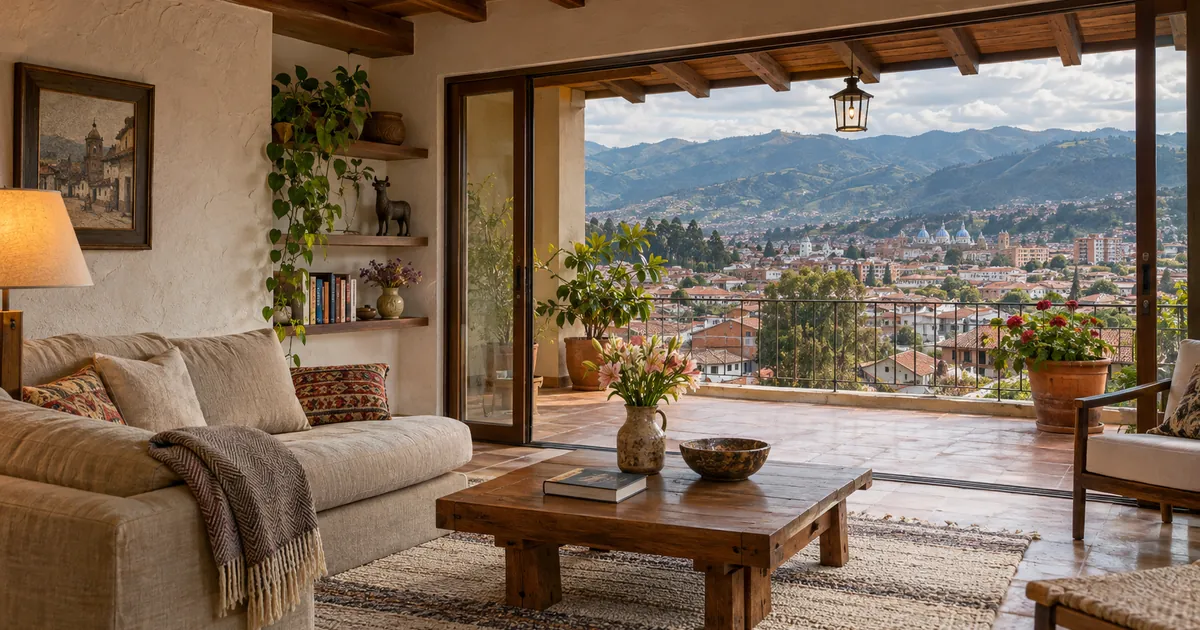
Ecuador suits you if you're ready to make it your home base for two years and want the lowest entry price in Latin America. If you want residency without moving, the three countries at the end of this list make you permanent from day one.
Brazil's Investor Visa Asks for 14 Days
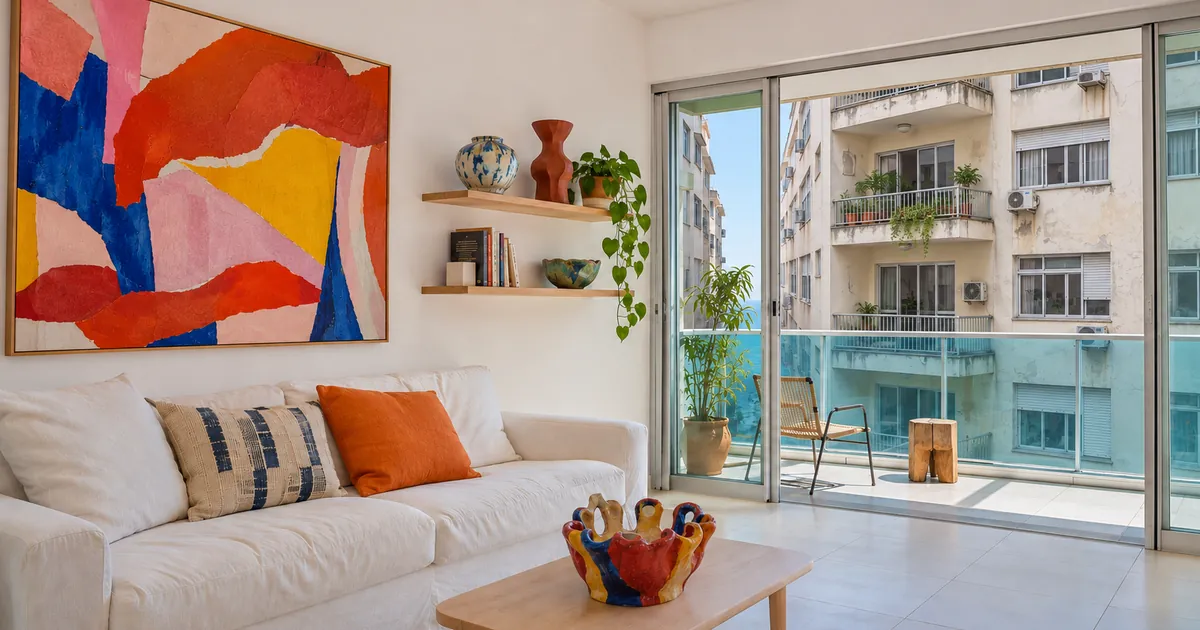
Brazil is the country that wants the least of your time: 14 days in the country every two years is enough to renew your residency. Under its Investor Visa, you buy urban property worth R$1 million, or R$700,000 in the North or Northeast regions.
At mid-November's exchange rate of about R$5.55 to the dollar, that's about $180,000, or about $126,000 in the North and Northeast. You get temporary residency for four years, and it becomes indefinite after that, with citizenship open after four years of residence and a Portuguese test.
Is Now a Great Time to Buy in Brazil?
The Brazilian currency is near a 12-month low against the dollar. President Lula's re-election in October surprised the markets, and the currency dropped hard the day after the election, so a dollar buyer gets Brazilian property at quite a discount.
By mid-November your dollar bought about R$5.55, close to the most it has bought in 12 months, per The Rio Times. Brazil's central bank also left its benchmark Selic rate at 13.75% in November.
High rates make mortgages costly for local buyers, which gives a cash buyer bargaining power. You can spread the R$1 million across more than one urban property, but the money has to come from abroad and be registered with Brazil's central bank.
The South Suits a Slower Life
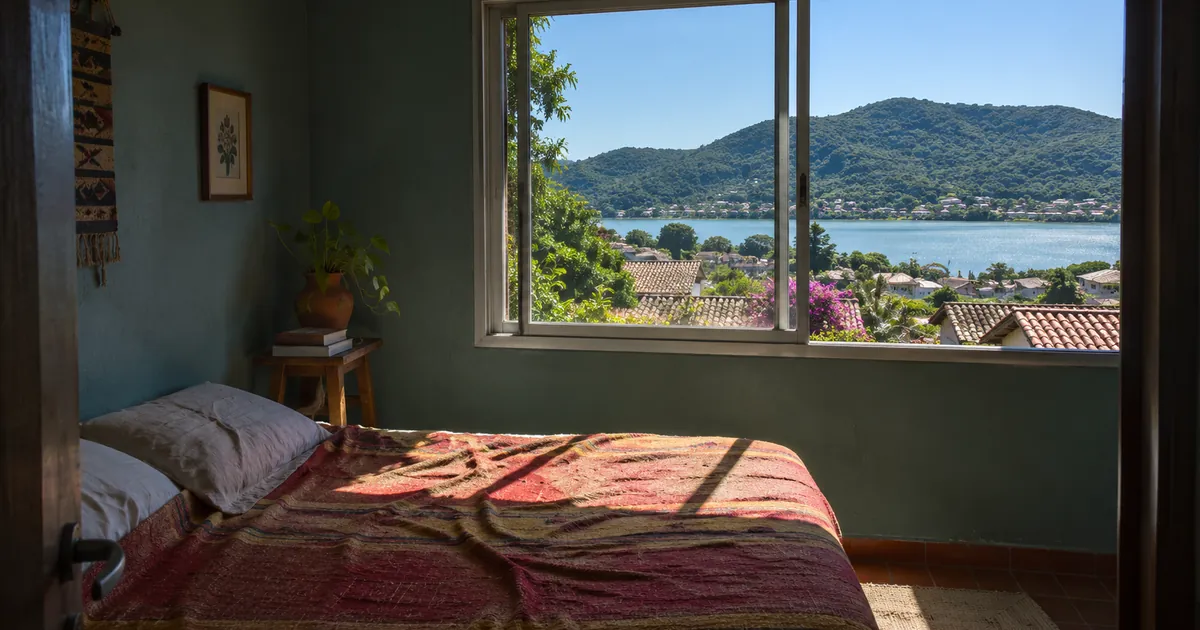
Brazil can be a wonderful place to live, especially the south, around Florianópolis, Curitiba, and Porto Alegre, where you get cooler weather and great food at a slower pace of life.
On tax, Brazil taxes residents on worldwide income, so count your days in the country with care. Gross rental yields are the lowest on this list, about 5.7% in a mature market, but you're buying into Latin America's biggest economy, which has value of its own.
Brazil suits you if you want residency that barely needs your time.
Paraguay's Investor Pass: Wait for the Smoke to Clear
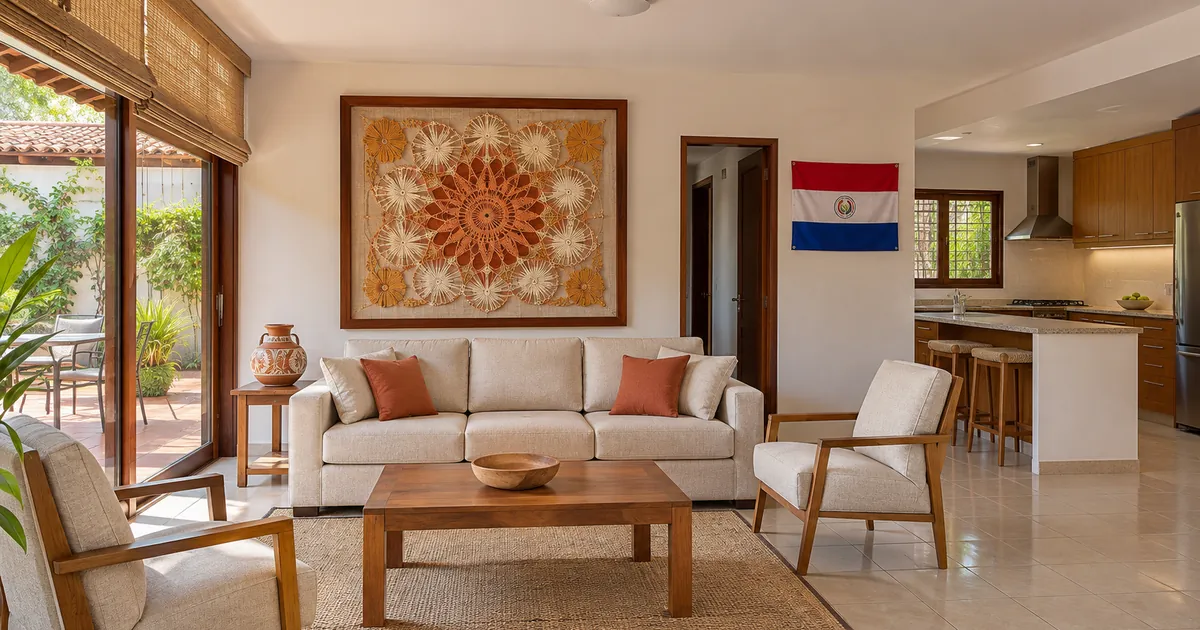
Paraguay is the first of three countries on this list that make you permanent from day one with a property purchase, and it has the lowest tax rates here. The people are extremely friendly, conservative, religious, and traditional, and I like that feel in a Latin American culture.
The program is the Investor Pass, launched this year. A $200,000 property investment skips the entire temporary residency stage and the three-year wait you'd face in Costa Rica, though Costa Rica gives you a bigger American community, which has value of its own.
The Pass asks for property in economic use, such as a rental, so the home you live in doesn't count toward it, though you're free to buy one alongside it.
Paraguay Has the Lowest Taxes Here
Paraguay taxes on a territorial basis, so income from outside Paraguay isn't taxed there, and the top personal rate on local income is just 10%.
Rental yields in Asunción come in around 7.7%, with most foreign buyers in neighborhoods like Villa Morra and Las Carmelitas. After three years of residence you can apply for citizenship, but you do have to live there.
A Bank Collapse Paused Paraguay
There's a big asterisk here. In November, the collapse of Ueno Bank froze millions of Paraguayans' accounts, and the president has left office and is under house arrest.
We don't know yet how this plays out, so we're letting the smoke clear before we recommend Paraguay again as a place to invest and bank. We haven't recommended banking there, and we're glad of that.
There's no rush either. If Paraguay is on your list, you have time to watch how this unfolds before you invest, and an opportunity to buy the dip may come up once prices reset. Paraguay could fit a permanent Plan B with low taxes and low costs once the smoke clears, but for now we're waiting.
Panama's Qualified Investor Visa Wins Clients Over
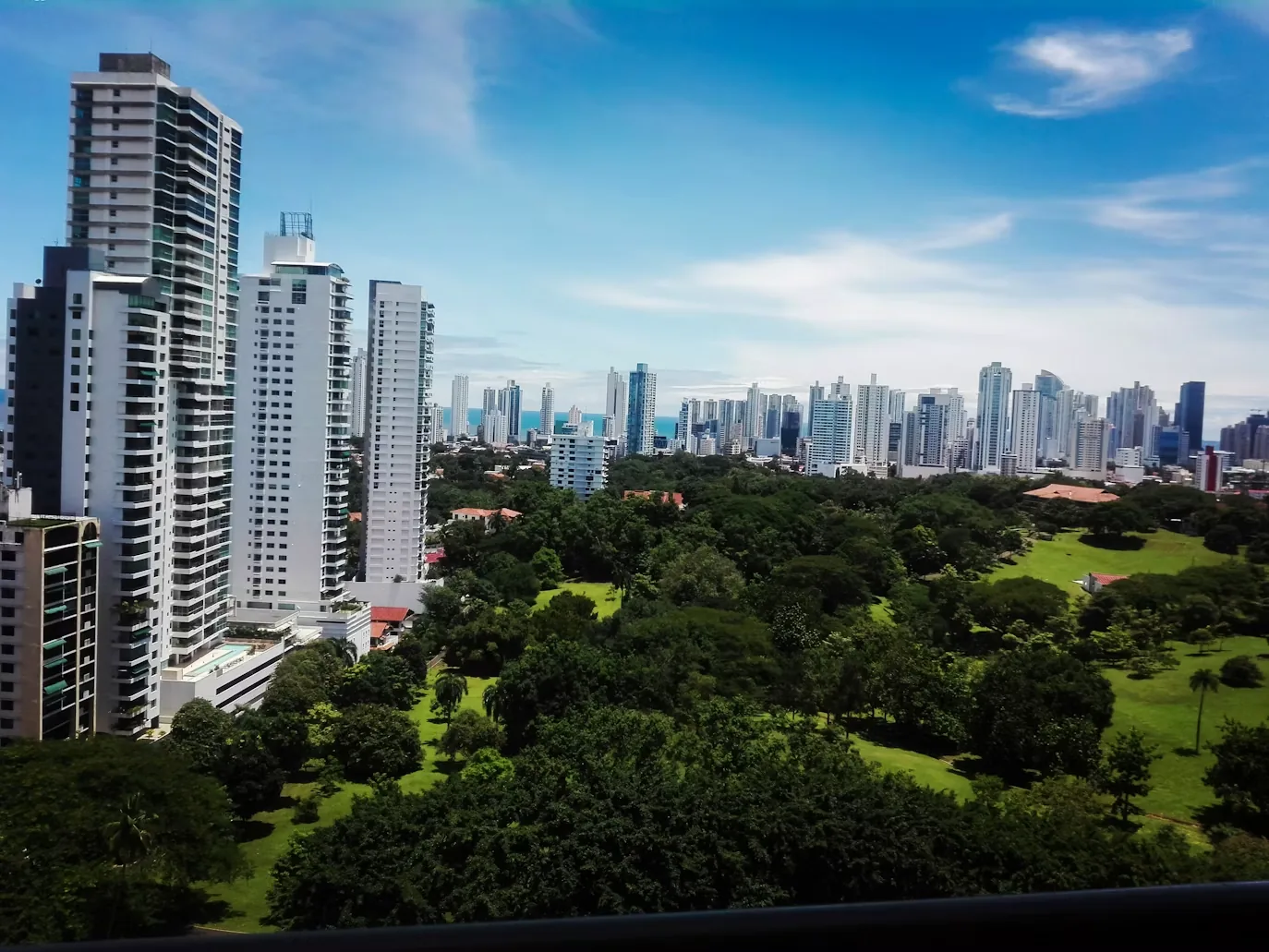
Panama is the first of my two picks and a client favorite, and I'll admit I'm biased: I love this country. When I first came down to Latin America almost a decade ago, I spent much of my time in Panama, living in Boquete, on the beach, and in Panama City for months at a time.
Our clients love Panama's Qualified Investor Visa, which turns a $300,000 home purchase into permanent residency, usually in one to four months and closer to the back end of that range. On paper, the government targets about 30 working days.
Know Every Tier after September's Decree
Panama changed a lot in September, so know every tier. The $300,000 tier now applies only to a new property bought directly from the developer, and a resale home needs $500,000, as our Panama Decree 17 breakdown explains.
A fixed-term account at one of the two state banks, Banco Nacional or Caja de Ahorros, also needs $500,000. A few other routes need more. Under Decree 17, you also confirm your investment every year for five years, and the government can order an independent appraisal of a price that looks off-market.
Contracts signed before the decree took effect can use the old $300,000 tier if the application goes in within six months, by mid-March 2027.
If you watch my channel, you've heard me say it many times: Prices go up over time, and residency programs tend to disappear or add restrictions. So the time to get into these programs is yesterday, if you can swing it.
Panama Pairs Dollars with Territorial Tax
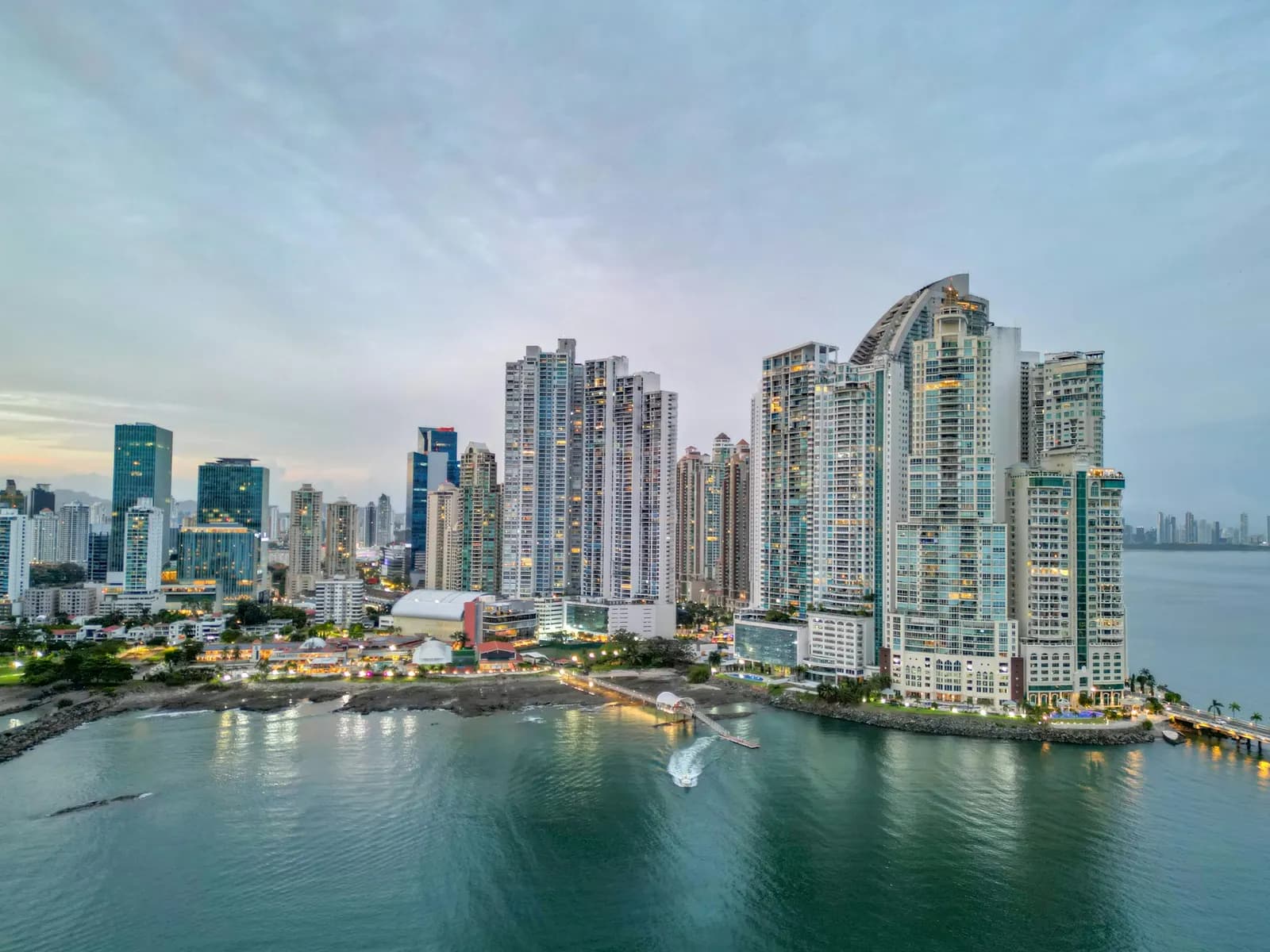
Most Americans buy in Panama City, on the Pacific beaches west of the city, or up in the cooler mountains around Boquete. Panama taxes on a territorial basis, like Paraguay. It uses the US dollar, and most US hubs are a two- to four-hour flight from Tocumen International Airport in Panama City.
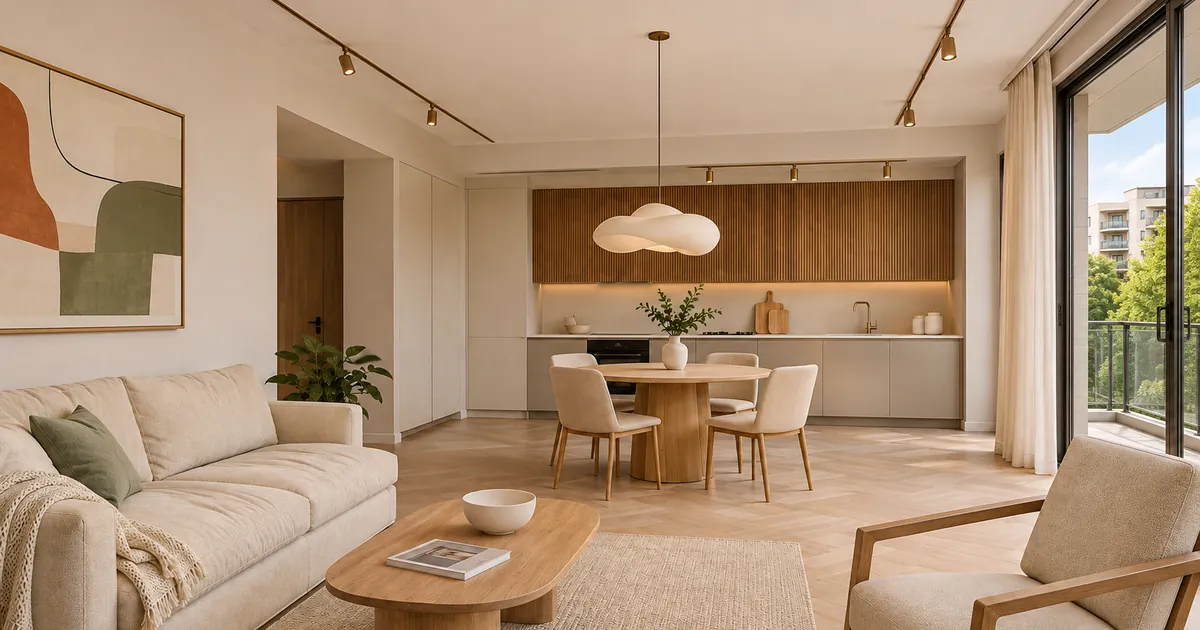
Gross yields come in around 6.9%, which isn't the highest on this list, but Panama can be a phenomenal Plan B residency. Naturalization opens after five years of residence.
Many of our clients pair Panama residency with a second citizenship or a European Union (EU) residency elsewhere. That's how a Plan B grows into a Plan C and D, and we build those plans with clients every day.
Panama suits you if you want permanent residency fast, in dollars, a short flight from home. If you plan to relocate and go for citizenship, it's one of my picks for certain, and our Panama vs Costa Rica comparison helps if you're torn between the two.
Dominican Investor Residency Offers the Fastest Citizenship
This might surprise you, but I'd buy in the Dominican Republic for the fastest citizenship on this list. You open a Dominican company and invest at least $200,000 through it, in property, in a business, or as savings in a Dominican bank.
If you buy property, it has to go through that Dominican company to qualify for the investor residency and for citizenship. That gets you permanent residency from day one.
Most people trip up on the order of the company setup and the investment, and we handle that sequence for our clients every day.
Citizenship Eligibility Six Months after Residency
Currently, you're eligible for citizenship six months after you get residency. The process itself takes a little longer. Granted, the Dominican passport gives visa-free access to fewer than 100 countries, so it won't replace your US passport for travel.
But if you've got an extra $200,000 to put to work and want to live there, even better. The Dominican Republic has a favorable tax system, especially for retirees in their first few years in the country.
It also has one of the fastest-growing economies in the Americas, and short, easy flights connect it to the United States.
Tourism Drives Dominican Rents
Rental yields are the highest on this list, about 8.5% gross, with Punta Cana and Cap Cana leading the way. The country welcomed about 11.6 million tourists in 2025, and Punta Cana handled 53% of air arrivals in the first half of 2026, per Dominican Today.
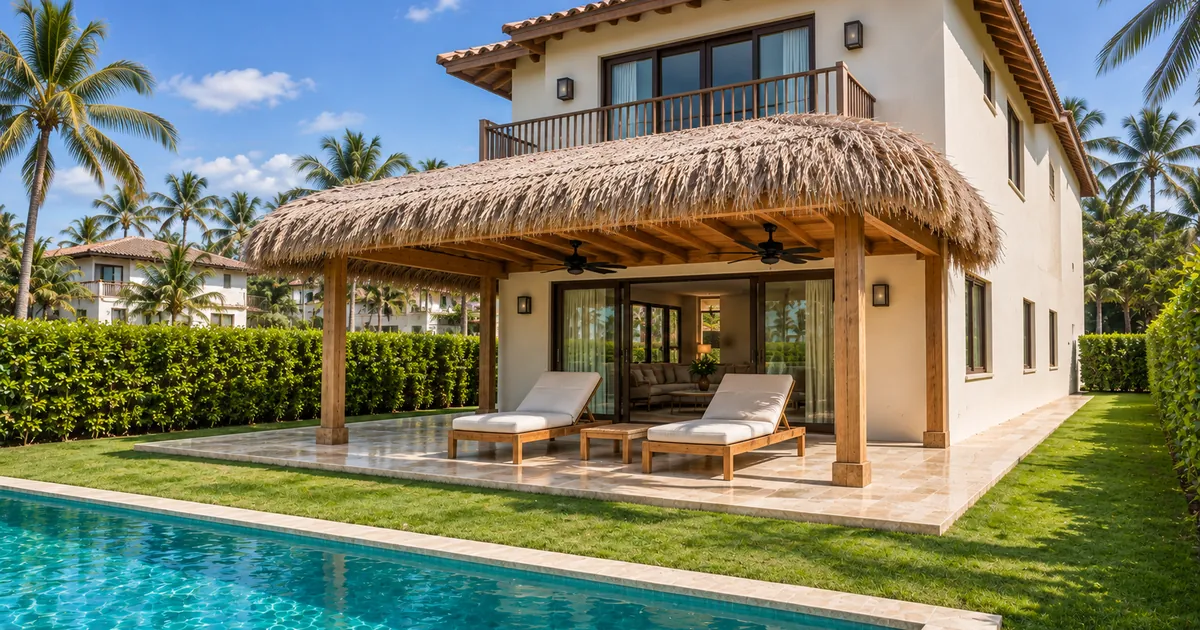
Foreigners can buy without restrictions. Buyers pay a 3% transfer tax unless the project has incentive status from the Tourism Promotion Council (CONFOTUR), which can also waive annual property tax for up to 15 years, so confirm a project's status in writing before you sign.
Punta Cana has a wide choice of off-plan condos, and we'd focus on finished homes in prime areas, where rental demand is deepest.
If you want a Plan B residency for your winters, the Dominican Republic fits that well. And for the fastest road from a home to citizenship, the Dominican Republic is my pick.
The Freedom Files offers more than 70 programs in more than 40 countries, with local licensed teams for tax and legally binding analysis that clients reach only through us. If you're weighing a home in any of these seven countries, contact us for licensed support before you sign anything. This article is general commentary and contains no legal, tax, or investment advice.
FAQ
Which Latin American Countries Give Residency for Buying Property?
Seven do: Costa Rica, Colombia, Ecuador, Brazil, Paraguay, Panama, and the Dominican Republic. Ecuador has the lowest minimum, a home worth about $48,200 in 2026.
Can I Get Permanent Residency in Panama by Buying a House?
Yes. Panama's Qualified Investor Visa grants permanent residency for a $300,000 new build bought from the developer, or a $500,000 resale home, usually within one to four months.
Which Country Gives Citizenship Fastest after Buying Property?
The Dominican Republic. Investors who put $200,000 into property through a Dominican company can apply for naturalization six months after residency, though processing takes longer.
Do I Have to Live There to Renew Investor Residency?
Not in most of them. Costa Rica asks for one entry a year and Brazil for 14 days every two years, but Ecuador limits you to 90 days a year abroad at first.
Can Foreigners Buy Property in Latin America?
Yes, in all seven, with few limits. Costa Rica restricts the coastal zone and Brazil limits rural plots for foreigners, so most investors buy titled urban or resort property.
Video Transcript
Click to read the full transcript
Video Transcript
Click to read the full transcript
Buy a home in paradise and kill two birds with one stone. In seven Latin American countries, that home also buys you residency on the road to a Plan B passport. I got mine that way in Colombia. Numbers six and seven are my picks and certainly our clients favorites.
Number one is Costa Rica, where a $150,000 home gets you residency. It's been an American expat favorite for decades, and it's about as plug-and-play as Latin America gets. To me, it's not the most exciting. I had kind of a boring time there when I used to live there, because it's very Americanized and westernized and the culture doesn't speak to me the way, let's say, Panama or Colombia or Brazil or Argentina do. But if you're looking for a relaxed, cool, calm experience, kind of a predictable experience, especially in the jungle, that could be Costa Rica for sure. The program is called the Inversionista Visa, the investor residency. you buy property worth at least $150,000 and you get temporary residency renewed every two years and after 3 years you can switch to permanent residency in Costa Rica. A longer wait than the three countries at the end of this list which make you permanent on day one but after seven you can apply for citizenship and processing does take a bit of time here in Costa Rica. Let's say 8 to 12 months closer to 12 once the backlog kicks in.
Now here's the good part for a Plan B. You don't have to live in the home. You don't have to live in Costa Rica at all. One entry a year is enough to renew. So, you can rent the place out and use it for a few weeks in the dry season. Let's say the rental market is healthy, too. Uh gross yields in Costa Rica come in around 7.6% according to our friends over at Global Property Guide. Most Americans buy in the central valley around Escazú and Santa Ana or on the Guanacaste coast near Tamarindo. Day-to-day, Costa Rica costs a bit more than half of what New York does, though it has gotten a lot pricier over the last decade and certainly one of the most expensive jurisdictions in Latin America. On tax, Costa Rica, this is interesting, Costa Rica has long been territorial, which means it only taxes income you earn inside of Costa Rica. But as of November 2026, literally as we're filming this, those territorial benefits are disappearing. So before you buy, work with our tax team, get a full analysis of your situation, and then move forward with a residency and of course tax residency. So if you want the famous name, a calm pace, and a home you don't have to live in, Costa Rica is a strong fit.
Now, number two is Colombia, where a home worth about $175,000 currently gets you residency. And I know this country like the back of my hand. I personally got my investor visa here a few years ago by buying property in Medellín, Colombia's second biggest city behind Bogotá. Since then, that property has doubled in value and three things are behind it. One, property values rarely go down in Colombia because most Colombians store their wealth in real estate. Two, the Colombian peso has rallied to become one of the strongest currencies in the world over the last 12 months. And finally, three, not probably the most impactful, a huge tourism boom which has settled down a bit now in at the end of 2026. So the program, how does it work? It's the Visa M Inversionista, the migrant investor visa. You buy the property, you register the investment with Colombia's central bank. That is very important. The funds must enter the country very carefully and you get a visa for up to 3 years at a time. After 5 years, you can move up to the resident visa. what Colombia calls the resident visa but is actually permanent residency and 5 years after that you can apply for citizenship. Presence is easy. You don't need to live in the home. Just don't spend more than 6 months in a row outside of Colombia or you put that visa at risk. Registering the investment correctly from the start is what makes every renewal smooth and it's a step we handle for clients in obviously year one, year zero actually before you invest.
Now, tax. If you watch this channel regularly, you know what I'm about to say. As an American, if you're an American, you're taxed on your worldwide income wherever you live. And if you spend 183 days a year in Colombia, Colombia taxes your worldwide income, too. And that's not a calendar year. It's a rolling 365-day period. If you spend more than 183 days, you're at Colombian tax resident. A Canadian or a European who cuts tax residency at home can end up paying only in Colombia. And honestly, maybe it could be more. Americans file with the IRS. Either way, this is a good moment to say it plainly. This video is information, not immigration, legal, tax, or financial advice. If you need help with that, we can offer it with licensed advisors in all 42 countries we serve. And if you're weighing a few of these countries, by the way, take the Plan B blueprint at freedomfiles.co/begin. It's just 10 questions in 90 seconds, and you get a custom report based on your answers for the residency and citizenship programs that fit your goals. Additionally, qualified applicants get a free 60-minute one-on-one with yours truly.
All right, back to Colombia. In Medellín, most Americans buy in El Poblado or Laureles, and the spring weather all year round is a big bonus. Gross rental yields come in around 7% and the cost of living is about a third of New York's, but again, it has risen precipitously over the last couple years. So, Colombia fits if you want a market with room to grow and you plan to spend a good part of the year there.
Number three is Ecuador, the lowest entry on this list. A home worth about $48,000 gets you residency. Ecuador has always been a good destination for American expats. It uses the US dollar, so there's no currency risk on your purchase. similar time zones. The tax system is navigable and the people are extremely kind. The investor residency requires property worth 100 times Ecuador's monthly basic wage, which comes to again $48,000 in 2026. You start with temporary residency for 2 years and then you switch to permanent. But there's a big but here. Ecuador has the strictest presence rule on this list. In those first two years, you can't spend more than 90 days a year outside the country. Ecuador is also going through a bit of a rough period right now. There's an old investor line that says the best time to buy is when there's blood in the streets. And in my opinion, this market only goes up from here. You don't have to rush it either. I think you have months to watch the market before you invest. Most Americans buy in Cuenca or Quito. And day-to-day, Ecuador costs about 30% of what New York does. So Ecuador fits your situation if you're ready to make it your home base for 2 years and you want the lowest entry price in Latin America. And if you want residency without moving, the three countries at the end of the list make you permanent from day one.
Remember, number four is Brazil. The country that wants the least of your time. 14 days every 2 years is enough to renew your residency. Here's how it works. You buy property worth 1 million reais, a bit under $200,000 at today's exchange rate or 700,000, which is about 135,000 in the north or northeast regions. Everywhere else is at that million mark. You get temporary residency for four years and then it becomes indefinite thereafter. Citizenship comes after four years of residence and a Portuguese test.
And right now could be a good time to buy. When President Lula won re-election in October, the results surprised the markets. And the Brazilian currency and the stock market both dropped hard literally the next day after the election. For a dollar buyer that buys Brazilian property at quite the discount right now. It also can be a wonderful place to live, especially the south of Brazil, Florianópolis, Curitiba, Porto Alegre, and so on and so forth. Cooler weather, great food, and a slower pace of life. On tax, Brazil taxes residents on worldwide income. So, count your days with the same care as you would in Colombia. Gross rental yields are the lowest on this list. It's a It's a mature market, about 5.7%, though you're buying into Latin America's biggest economy, which is valuable in its own. By the way, let me know in the comments which of these countries interests you most. I'm curious. And if breakdowns like this are useful, subscribe, like the video. We release about two to three of these every single week. So, enjoy.
Number five is Paraguay, the first of three countries that make you permanent from day one with that property purchase. And also, Paraguay has the lowest tax rates on this list. The people are extremely friendly, very conservative, religious, and traditional, and I like that feel in a Latin American culture. The program is the Investor Pass, launched in 2026. You just have to make a $200,000 property investment, and you skip the entire temporary residency stage and the three-year wait you'd have in Costa Rica. Though, Costa Rica gives you a bigger American community, which it which is valuable in and of itself.
Tax is where Paraguay really shines. It's it's territorial. So income from outside of Paraguay is not taxed here. And the top personal rate on local income is just 10%. Rental yields in Asunción come in around 7.7% with most foreign buyers in neighborhoods like Villa Morra and Carmelitas. And after 3 years of residence, you can apply for citizenship. But you do have to live there.
But, and I know you've probably you're you're probably thinking this, there's a big asterisk here. As of November 2026, Paraguay is in the middle of a banking crisis right now, and its president resigned before he could be impeached and has now been arrested. We don't know yet how this plays out, so we're letting the smoke clear before we can recommend Paraguay again as a place to invest and bank. We've never recommended banking there, and we're glad we didn't. Uh, but there's no rush either. So, if Paraguay is on your list, you have time to watch how this kind of unfolds before you invest again. There might be an opportunity to buy the dip coming up here. So, Paraguay could fit a permanent Plan B with low taxes, low costs once that smoke clears, but for now, we're waiting before we recommend it again.
Number six is Panama. The first of my two picks and again, a client favorite. And I'll admit, I'm biased. I love this country. When I first came down to Latin America almost a decade ago, I spent a lot of my time in Panama. I've lived in the central valley in Boquete on the beach and in the city Panama City for months at a time.
Here's why our clients love it. One is Panama's qualified investor visa which turns a $300,000 home purchase into permanent residency usually in 1 to 4 months close closer to the back end of that spectrum. On paper, the government targets about 30 working days. And you should know every tier because they changed a lot of things in September of 2026. 300,000 gets you in only if the property is new and bought from a developer directly. A resale property needs an investment of $500,000 deposit at one of the two state banks needs an investment of $500,000 too. And there are a few other higher threshold for investment. If you watch this channel, you've heard me say it many times before. Prices only go up, programs only disappear, and restrictions only get stricter. So, the time to buy, the time to get in on these residency programs is yesterday if you can swing it. Most Americans buy in Panama City on the Pacific beaches west of the city or up in the cooler highlands around Boquete, Panama taxes just like Paraguay on a territorial basis. It uses the US dollar and most US hubs are a two to 4-hour flight away from Tocumen airport in Panama City. Gross yields come in around 6.9%, which isn't the highest on this list, but this can be a phenomenal Plan B residency. A lot of our clients pair Panama residency with a stronger passport or an EU residency somewhere else. That's how a Plan B becomes a Plan B, a C and D, and building that is what the Freedom Files does every day. I have a full Panama breakdown, too, linked at the end. So, hang on for that one as well. We're also hosting an event in Panama in early 2027. Heads up, you want to join us. The link is in the description. You're going to learn about residency, banking, tax, and obviously tour quite a few properties. So, if that interests you, you can sign up at the description below. So, Panama fits if you want permanent residency fast in dollars, a short flight from home. If you plan to relocate and go for citizenship, Panama is one of my picks for certain.
Number seven is the Dominican Republic. This might surprise you, where I'd buy for citizenship and a passport as fast as possible.
Here's how it works. You open a Dominican company and invest at least $200,000 through it in property, in a business, or leave it in the bank as a as a bank deposit. If you buy property, it has to go through that Dominican company to qualify for the investor visa and citizenship. That gets you permanent residency from day one. Setting up the company and the investment in the right order is where most people trip up and it's what we handle for our clients on a daily basis. Currently 6 months after you get residency, you're eligible for citizenship. Though the process itself takes a little bit longer. Granted, it's not the strongest passport in the world. It gets you visa-free access to fewer than 100 countries. Uh but if you've got an extra $200,000 laying around and you want to live there, even better. The Dominican Republic has a favorable tax system, especially for retirees in their first few years in the country. It has a very fast growing economy. In fact, the fastest growing economy in all of the Americas, and it's very well connected to the United States. Getting there is easy and flying home is easy. Rental yields are the best on this list, too. About 8.5% gross with Punta Cana and Cap Cana leading the way. If this is a Plan B residency where you spend your winters, fantastic. So, if you want the fastest road from a home to a passport, the Dominican Republic is my pick.
So, which one of these seven fits you? If you want the lowest entry and you're ready to move, look at Ecuador. If you want residency that barely needs your time, maybe Brazil fits your goals. If you want permanent residency and low taxes, watch Paraguay once the smoke clears and Panama as well. And if you want a passport as fast as possible, the Dominican Republic is my pick. But everybody's metrics and preferences are different. To see our Dominican Republic program or any others, you can follow the same pattern. Go to freedomfiles.co/dominican-republic. The links in the description, too. Next, watch my full Panama breakdown for every route in and the tax side or my Panama vs Costa Rica comparison if you're torn between the two. Thanks so much for watching and talk to you very soon.
 Mexico