
 Colombia
In this article
"How do I move to Colombia?"
The common question we get from people like you (future clients) who fall in love with the biodiversity, the kind and welcoming people, the Andes mountains, the sandy beaches, and of course, the emerging economy, all that Colombia has to offer.
For Americans looking for an incredibly affordable cost of living, great year-round weather, quality healthcare, and a new adventure, Colombia checks all the boxes. But how do you move to Colombia, that is the question.
- How do you stay in Colombia legally?
- Can you buy a condo and stay forever?
- Do you need to speak Spanish?
- What if you’re only semi-retired?
- Which visa gives you the easiest path to permanent residency and citizenship?
Let’s break it down, step by step, so you can stop guessing and start planning for your move to South America’s northernmost country Colombia.
A Colombian Tourist Visa Isn’t a Long-Term Solution
A lot of Americans start their Colombian journey with a tourist visa. It’s the path of least resistance. Just show up in Bogotá, Medellín, or Cartagena with a valid U.S. passport, and you’ll be granted 90 days of visa-free travel right at the airport.
If you leave the country and return, customs agents will give you 90 more days. But if you want to remain in the country throughout, you can extend this 90-day tourist visa once for another 90 days through an online application or, god forbid, an in-person visit to Migración Colombia.
So, in total, a Colombian tourist visa gives U.S. passport owners 180 days maximum per calendar year. If you overstay your tourist visa, you’ll have to pay a fine upon leaving the country and risk a re-entry ban. The Freedom Files immigration experts do not recommend this approach.
This 180-day annual limit does not roll over and resets every January 1. For example, if you spend July to December in Bogotá, you can simply stay and leave the country the following June. While your tourist visa never reached its limit of 180 days per year, you will become a tax resident in Colombia, which requires a separate article.
With this “perpetual tourist” approach, you also won’t build residency or eligibility for long-term benefits in Colombia. You cannot access the public healthcare system. You cannot obtain a local identity card. You cannot acquire citizenship in a span of years.
Bottom line? The tourist visa is fine for testing Colombian waters (literally), not for building a life there.
Of course, if you’re retiring and want to move to Colombia, not just visit, you need a longer-term, more permanent solution. That’s where these next immigration pathways come into play.
Let’s talk about the most common legal immigration paths for U.S. retirees in Colombia both under the “Migrant Visa” route, the Retirement Visa and the Investor Visa.
The Colombian Retirement Visa
The Retirement (Pensionado) Visa is designed for individuals with a guaranteed pension, like Social Security, a military or state pension, or a private annuity. To qualify, you need to show income of at least 3x the Colombian monthly minimum wage, which as of 2025, comes out to around US$1,000 per month.
Yes, that’s it.
Your pension must be for life - rental income or investment dividends don’t count toward the required income. But Social Security benefits qualify, and so do some other fixed retirement incomes. This visa can be issued for a maximum of three years and is renewable.
After five years of residency in Colombia (you don’t have to live here permanently to qualify), you can apply for permanent residency. This is when your countdown to Colombian citizenship can begin, which requires five more years of residency. You must pass a Colombian civics exam in Spanish to naturalize as a Colombian citizen.
This Retirement Visa permits you to live in Colombia year-round or as little as one day a year if you’d like. To remain eligible for visa renewal and permanent residency, you must meet those physical presence requirements and maintain a private healthcare plan.
A recent change to Colombian immigration law prohibited those on the Retirement Visa from accessing the public healthcare system. Trust us, This is not an issue. Private healthcare in Colombia is:
- Wildly affordable: US$40-80 per month for a basic plan and US$150-300 for a premium plan
- Top quality: Far better healthcare access, facilities, instruments, and doctors than the public healthcare system
So what’s the Investor Visa?
The Colombian Investor Visa
Now, the Investor Visa is for those who’d either like to own a home in Colombia or invest in a rental property.
If you invest at least US$100,000 (350x the Colombian monthly minimum wage) into Colombian real estate and can prove your investment with a deed and Central Bank proof of foreign direct investment, you qualify for immediate residency.
What’s great about property in Colombia is that thanks to the strength of the US dollar and economy, US$100,000 can buy a beachfront property or nice 2-bedroom apartment in a Colombian city.
This is just a minimum investment. So, if an investor wants to invest US$200,000 or more, they are able to do so.
The process is slightly more technical, but we help clients do it all the time.
One word of advice, Do not do this alone. This process is highly technical. In fact, our founder James obtained residency in Colombia via this visa. But unfortunately, we’ve met countless individuals who’ve worked with misinformed lawyers and invested in Colombian property, just to learn the Central Bank never verified the funds transfer and they lost the opportunity to obtain residency.
You’ll need to wire funds from the United States, record the transaction with the Banco de la República (Colombia’s Central Bank), and buy the property in-full once the funds are in Colombia. Only when you have the property deed and verification of ownership can you apply for the visa.
Once approved, your visa is valid for up to three years and can be renewed. After five years (just as in the case of the Retirement Visa), you may be eligible for permanent residency in Colombia.
Many retirees use this option when they want to buy their dream home in Colombia outright and skip the renting process. It’s also ideal if you don’t qualify for a retirement visa based on income.
But also, the Freedom Files recommends the Investor Visa in cases where the individuals have visited Colombia and experienced life here. We don’t recommend investing blindly into any countries.
Niche Options: Colombian Citizenship by Descent or Spouse Visa
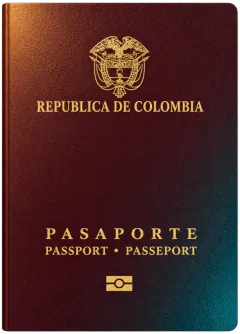
Some retirees qualify for residency or citizenship through family ties. If you have Colombian parents or grandparents or in some cases even great-grandparents, you might be eligible for Citizenship by Descent. The process to obtain citizenship via your ancestry requires documentation and some paperwork, yes, but it avoids the visa process entirely.
If you or your family is Colombian, we highly recommend this route. A second or third citizenship is rarely a negative addition to your portfolio.
If you’re married to a Colombian citizen or in a legally recognized common-law union (civil unions are valid), you can apply for a Spouse Visa. Contrasting with the Retirement Visa and the Investor Visa, this immigration route leads to permanent residency in just two years and a path to citizenship just two years later, assuming you live together in Colombia and maintain the relationship.
To qualify, you’ll need proof of the relationship:
- Shared housing
- Joint financial accounts
- Utility bills
- Photo timelines
Interviews are common. The government wants to ensure it’s not a fake marriage (e.g. “green card marriage”) just for immigration purposes.
Not everyone qualifies for these routes, but if you do, they’re faster than other routes and come with fewer physical presence requirements in Colombia.
The Digital Nomad Visa: Not the Right Fit
Colombia recently launched a Digital Nomad Visa, and many retirees ask if they can use it.
Technically, no. The nomad visa is for remote workers who can prove their employment and earn at least US$900 per month from outside Colombia. Also, it’s intended for actively working people with clients or companies outside of Colombia. If you’re retired and not working, your Social Security check won’t count as proof of income.
It’s a one-year visa with the possibility to renew, but it doesn’t create a path to permanent residency or citizenship. So, similar to a tourist visa, it’s a short-term solution for a long-term problem.
Some semi-retired people even so try to apply for the Digital Nomad Visa, but if your goal is to settle down, buy property, and enjoy legal stability in Colombia, this isn’t the visa for you.
The Digital Nomad Visa is far better suited for freelancers or remote workers who only plan to stay a year or two in Colombia and move onto another country, in true nomadic spirit.
Where to Live in Colombia
Colombia is an extremely diverse country, including dozens of different lifestyles rolled into one country. Here are the top places to consider:
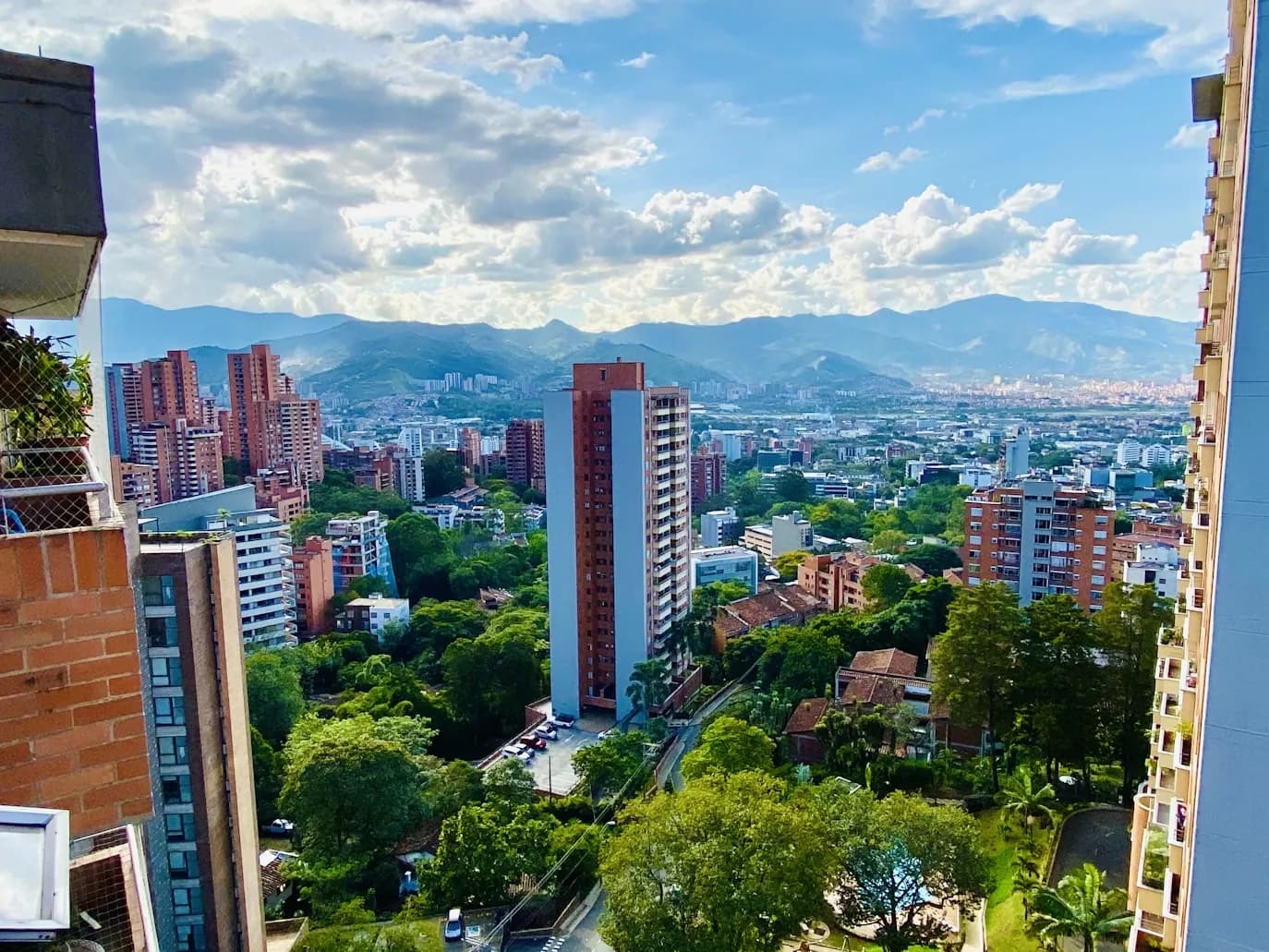
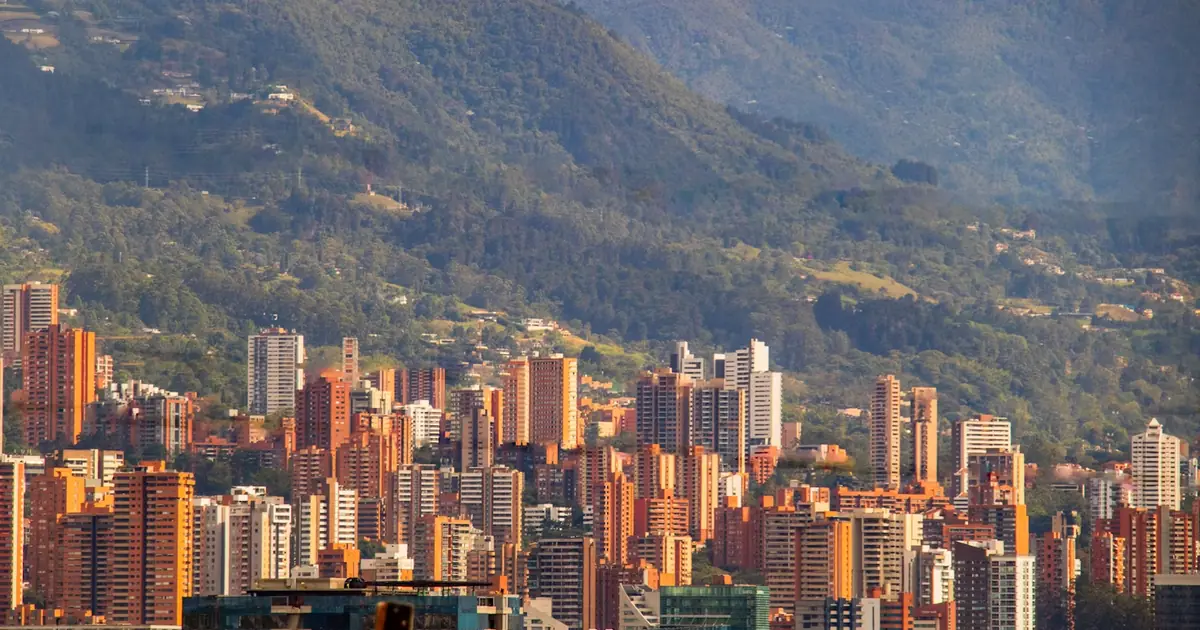
- Medellín: Year-round spring weather, fast internet, strong expat community, and some of the best hospitals in Latin America. Safe neighborhoods like El Poblado (one of the most expensive districts in Latin America) and Laureles (a globally-recognized must-see neighborhood) make it a favorite for retirees. The Freedom Files was born here and owns a special place in our hearts.
- Cartagena: Colorful, historic, and right on the Caribbean Sea. It’s hot and humid but visually stunning with both colonial and contemporary architecture. Beach lifestyle and a good mix of locals and expats. Often called the “Little Miami.”
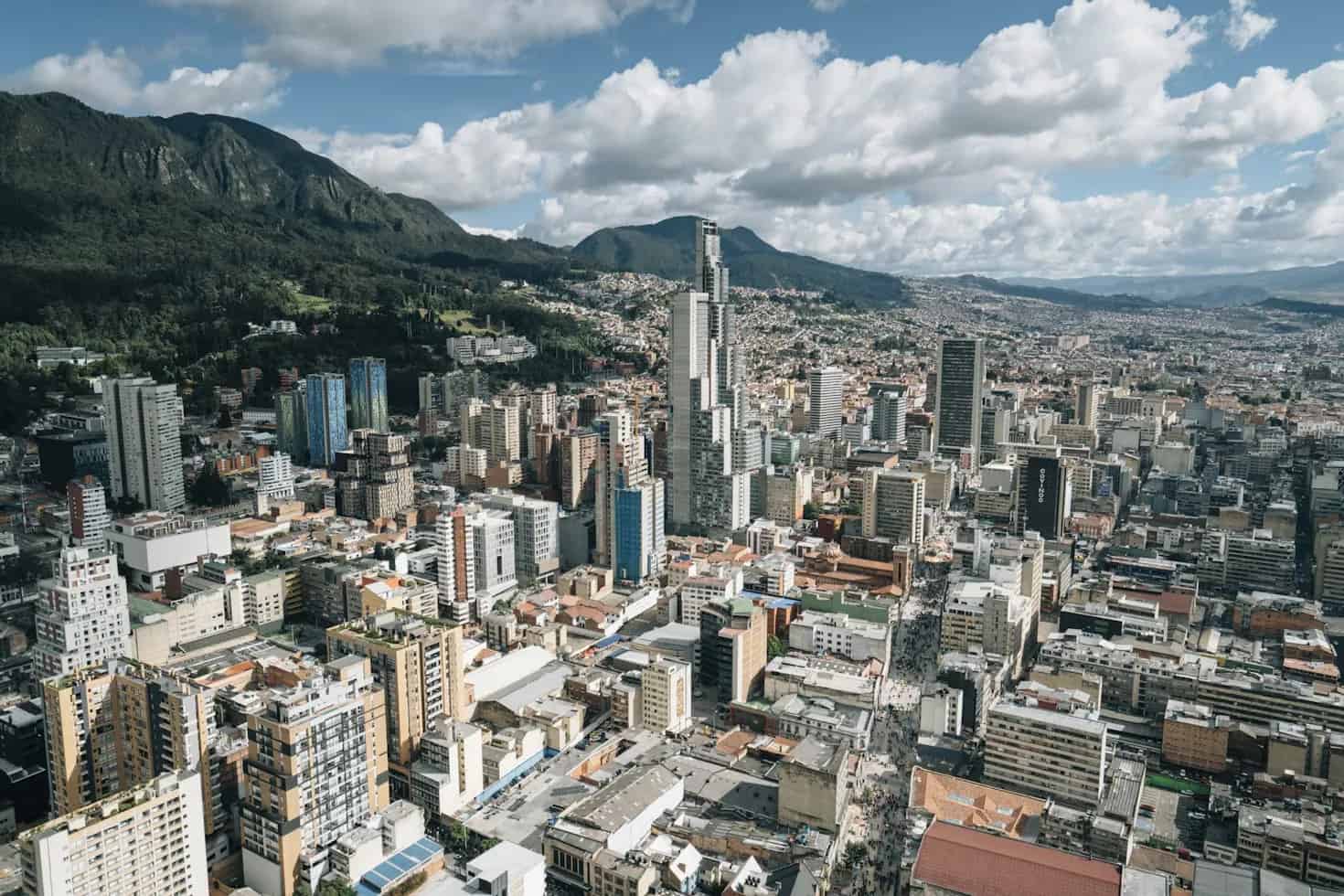
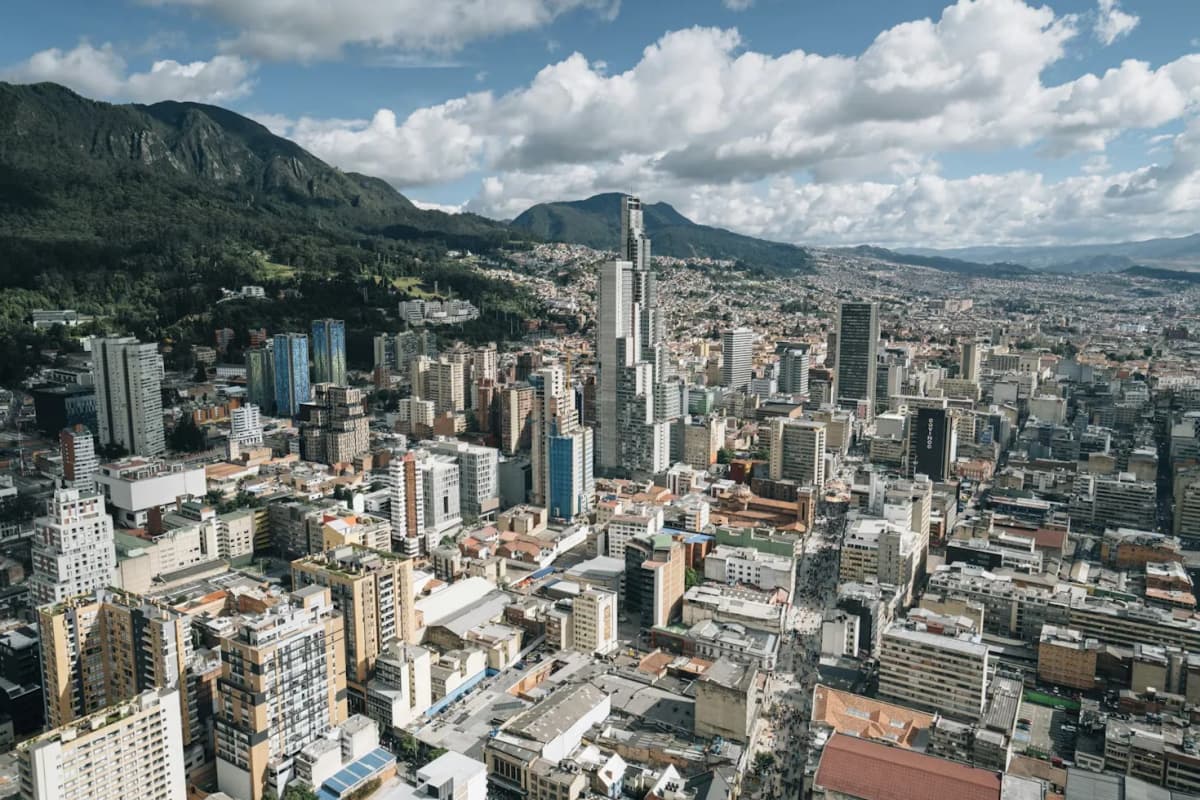
- Bogotá: Big, cosmopolitan, international capital with cooler weather due to altitude. Great food scene, art, culture, and nightlife and a more sophisticated and educated population. A bit chaotic, but if you like cities, Bogotá delivers.
- Cali: Known for salsa music and dancing. Warm weather, low cost of living, and a more local feel. Not as polished or connected as Medellín but full of culture.
- Barranquilla: Industrial port city with growing infrastructure and the famous Carnaval. Up-and-coming for expats. Yet very local. Very hot and humid like Cartagena.
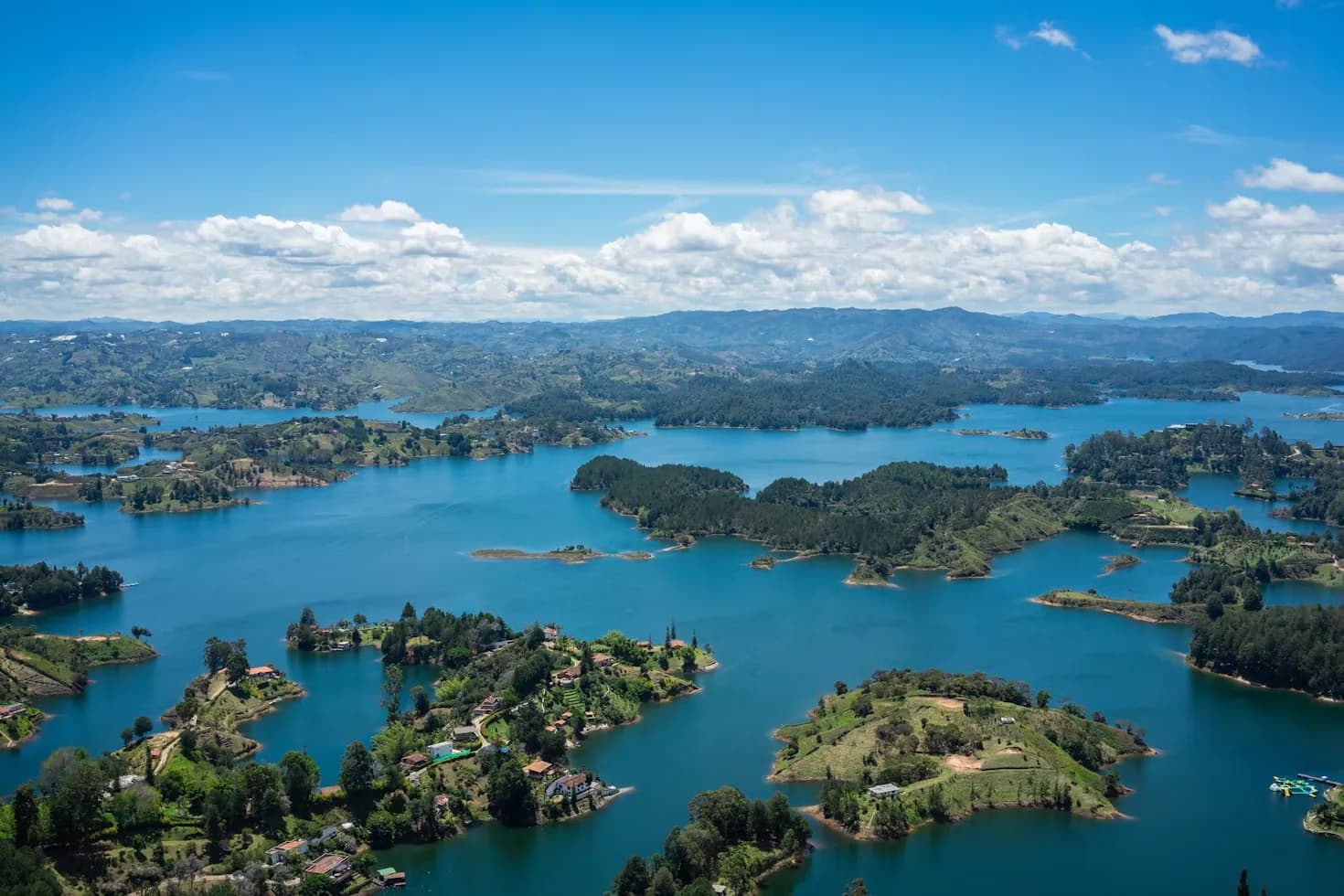
- Pueblos: Want peace and calm? Towns like Guatapé, Salento, Jardín, and Santa Fe de Antioquia around Medellín offer tranquility, fresh air, and authentic Colombian life. You’ll need more Spanish, but the cost of living is lower and life is more peaceful.
Where you settle depends on your lifestyle, goals, comfort with Spanish, and tolerance for heat, crowds, or elevation.
Again, this is why we always recommend Freedom Files clients test out their dream retirement before committing. We’re sure you’d love it! But it doesn’t hurt to experiment first.
How Do I Move to Colombia? The Easy Way
Colombia offers incredible value, but you can’t wing it.
The answer to the initial question of "How do I move to Colombia?": With the Freedom Files.
We’ve seen too many retirees overstay visas, get scammed by shady realtors and lawyers, or waste months trying to figure things out on their own. That’s why we built Freedom Files: To help Americans retire abroad easily and seamlessly, without stress, guesswork, or legal messes.
We walk you through every step of the relocation process:
- We identify the best Colombian immigration route for your income, goals, and timeline and file your application.
- If applicable, we help you invest in the right property through trusted channels and partners.
- We choose the best Colombian city for your lifestyle.
- We help you understand the tax implications involved in moving out of the United States and to Colombia.
- We take care of other banking and healthcare logistics to set your dream retirement up without stress.
You don’t have to figure this out alone, and you shouldn’t! We’ve done the hard work of finding the correct information, the right partners, and the up-to-date policies that will (or will not) affect you.
Start with a Freedom Consult. We’ll look at your personal situation and map out a real plan to retire in Colombia, legally, safely, and with zero hiccups.
Video Transcript
Click to read the full transcript
Video Transcript
Click to read the full transcript
What if I told you that $2,000 a month, just 2,000, could buy you a high-rise apartment, worldclass healthcare, and perfect spring weather year round. And what if that life was just a 3-hour flight from Miami? Welcome to Colombia, the retirement haven 60,000 Americans have already discovered, and you probably haven't even considered. In this video, I'll show you exactly how to move here legally, affordably, and stress-free because I've done it myself. This is the Freedom Files guide to retiring earlier, affordably, and stress-free in Colombia. We're covering everything from the visa you'll need to the cities or pueblo where you'll want to live, how much you'll spend each month, what to expect with health care, and what it actually feels like to live here, having lived here myself for 5 years, and even purchase property here. But first things first, why would you even move here in the first place? In short, Colombia is not the country it used to be. Yes, the 80s and 90s were rough thanks to a a little character we all know, but we'll refuse to mention on this channel out of respect for the Colombian people. They don't like it when we talk about it. But fast forward to today, and Colombia is one of Latin America's fastest growing economies with modern infrastructure, a a thriving and big expat community, especially in Medigene, where I've been based for the last four years, and some of the best healthc care in the region. In fact, 58,914 US citizens have already made the move. So the question is, out of the 196 other options, why are they choosing Colombia? I'll give you four reasons. And number four, cost of living. So your retirement income goes much farther here. In top tier cities like Medigene, which is the city of eternal spring, or Bogotaa, which is an Indian mega city, $2,000 to $3,000 a month covers rent in a modern furnished apartment with mountain views, groceries from local markets, really high quality private health care, dining out weekly, transportation, and even a maid or gardener if you want it. Number three, healthc care. Now, here's where it gets wild. Healthcare. Colombia consistently ranks among the top health care systems in Latin America and famous for its cosmetic surgery and medical tourism industry. Medigene specifically has worldclass private clinics and hospitals, many with English-speaking doctors and costs 50% lower than in the US. All right. Number two, climate. Because the country is located on the equator, Colombian cities don't really have seasons, just rainy and dry times throughout the year. Medigene isn't called La Prima, a city of eternal spring for nothing. You can expect 70 to 80° F all year long. No AC, no heating bills, just sunshine and moderately fresh air. If you enjoy fall weather more, the capital city of roughly 12 million people, Bogotaa has you covered. And if you're more of a beachgoer and enjoy an ocean swim every day, Kartahena, Barancija, Santa Marta, they're all affordable and really hot and humid year round. Now, last, culture and community. So, Colombians are a very, very warm, friendly, and proud people. Whether you're learning salsa in Kali, sipping coffee in Sento, or joining expat meetups in Medigene, you'll feel welcomed. With almost 60,000 US citizens now and plenty of other foreigners in the country, there's never an expat gathering far from where you are. But on the other hand, if you come to Colombia to escape Western attitudes, you certainly can. And I feel this way sometimes, too. All right, so let's get practical and talk about three ways you can move to Colombia legally. Good news, you have several different options, but one I do not recommend. Let's get into it. First, the pensioner visa. This is by far the most popular visa for a pensioned retiree. The pensioner visa is an M migrant visa. If you have a monthly pension or social security income of about $1,000 or more, you can qualify. This visa is valid for up to 3 years, renewable, provided you maintain that visa and continue meeting the same requirements that you qualified for in the first place. Plus, it leads to permanent residency in just 5 years, citizenship 5 years thereafter. In order to apply, you'll just need to prove your income with some documentation translated in a field. Provide a clean FBI background check if you're from the United States, and get private healthcare insurance. Local and international policies are generally accepted. A new stipulation of this visa though is that you don't drain the government's coffers. So you can no longer qualify with a public health insurance policy in Colombia. But again, this is not an issue for most people. Private healthcare plans in the country are extremely affordable. We'll talk about this later in the video. And really high quality. This visa does not require you to buy property or make a local investment. It's just designed for people like you, retirees with reliable monthly income. Okay. Number two, the investor visa. What if you want to invest in the country or buy a home? Well, you can obtain residency at the same time. Kill two birds with one stone, right? If you invest at least $90,000, all cash in Colombian real estate, you can apply for an investor visa. Again, this is an M migrant visa, which can also lead to permanent residency and citizenship on the same path as that pensioner visa. I myself got this visa after I bought a 3-bedroom, 1,200 ft² brand new apartment in a high-rise here in Medigene for roughly 110,000. I told you life is really affordable here. Here's the trick, though. One stipulation of this visa is that you get those funds legally certified when they enter the country. Otherwise, you'll buy a property and not qualify for residency. That's just a complete nightmare situation and I've heard it a lot. So, let us know if you're interested and the Freedom Files can guide you through the process. All right. If you're not quite ready to retire, or maybe you still have remote income from freelance work, online businesses, or even rental properties, Colombia's digital nomad visa is worth a look, too. Here's how this visa differs. The income requirement is just $900 a month, one of the lowest thresholds in the entire world. You heard that right. If you're making even a modest online income, you can qualify. is valid for up to 2 years, but does not currently have a path to permanent residency or citizenship like the two visas that I mentioned before. Here's what nobody tells you. This is absolutely a temporary solution and not what the Freedom Files recommends for Americans trying to establish a life abroad. I know people who get this visa just to see if they like life in Medigene or Bogotaa and Cartahena before committing to something more permanent. And for $900 a month, it's one of the most accessible pathways in Latin America. But permanently, you're out of luck after 2 years and have to upgrade your visa to one of the earlier options. Let us know if you're interested and we can walk you through the application process, help you avoid the common mistakes, and make sure it's the right fit for your goals. All right, let's talk about health care, the thing that most retirees worry about overseas. More good news. You don't have to worry. and Colombia. Their health care system is ranked number 22 in the world, which is higher than the US by many measures. Many clinics operate on a pay as you go system. And there are insurance companies that do not deny coverage based on age. And with a premium private health care plan that costs about $1 to $120 a month, you have access to private hospitals, bilingual specialists, and cuttingedge treatment at obviously a fraction of the price that you would pay in the US. So, let's talk about cost of living. Here's what a typical monthly budget looks like in Medigene, which is one of the most expensive cities here in Colombia. Rent for a one-bedroom apartment in a gray area, I would say about $600 to $1,000 a month, depending on how luxurious it is. Groceries on a monthly basis is about $150 to maybe $250. Utilities and internet, $50 to $100. healthcare and that includes insurance or just cash visits. I would say about $50 to $200 a month and that's the premium premium plans. Dining out maybe three times a week you can expect to pay about $150. Transportation that's considering the Ubers, the DDS which is a Chinese Uber metro systems in the more advanced cities in Colombia about $50 extremely affordable transportation. And then finally, miscellaneous. I would budget maybe another hundred to maybe $300 a month, which brings you to about $1,500 a month all in. Your monthly budget is about $1,500 in Colombia for everything you need. Obviously, you can go way above that. You can go way below that. But if you're talking about getting access to a life that you desire, that you earned for so many years in the United States, $1,500 to $2,500 is really what you're looking at there. So, where to live? Let's break down a few cities you'll want to consider. Bogotaa. If you love big city life with an international feel, Bogotaa is for you. Great museums, fine dining, major cultural events make Bogotaa a really dynamic place to live. Definitely Columbia's most cosmopolitan, most sophisticated city. Similar to like a Washington DC type city, almost two miles in the sky. All right. Medigene, expat favorite. I'm not sure what I would compare this to in the United States. Maybe Austin or Los Angeles with kind of a Midwest vibe. Perfect climate, safe neighborhoods like El Pao and what Kandas called the world's top neighborhood to see. Lales excellent healthcare, lots of social life and the Pises are a beautiful welcoming industrious people compared to the rest of the country. All right. Pereira, Armenia, Manisales. This area is called the Ehe Cafeo, the coffee triangle. Smaller cities with a a slower pace, great scenery, mountainous scenery, and really affordable living. Perfect for nature lovers. And it's becoming a bigger draw with expats lately. Santa Marta, Barancija, Cartahena. These are all beach towns for retirees who want a coastal life. Hotter, way more humid weather, but stunning views and a lively Costeno culture is what they call it. Let me know in the comments which Colombian city you would live in. Medigene, Cartahena, Ehe Cafeo, that coffee triangle. I read every reply and I'll answer your questions there. All right, taxes. But there's one catch I need to warn you about. Colombia taxes residents on worldwide income only if they spend more than 183 days per 365day period in the country. And the tax rates are not friendly. They're a flat 35% for foreigners. The US does not have a tax treaty with Colombia, but based on your finances and your setup, you may qualify for the foreign earned income exclusion in the United States or the foreign housing credit, which can knock off cumulatively about $126,000 per person per year. Don't wing this. Talk to a Freedom Files tax advisor who understands international living, global tax planning, all that kind of stuff. So, let's recap. Why retire in Colombia? $1,500 a month is more than enough. Legal visa options and pathways to permanent residency and citizenship are pretty straightforward. Colombia has worldclass affordable health care, similar weather year round, spring in Medigene, fall in Bogotaa, summer in Kartahena, a vibrant culture, a huge variety of fruits, welcoming people, and you can finally stop stressing about money. Look, you don't have to keep grinding in the US just to maybe afford retirement one day. You don't have to accept that aging means downsizing your dreams. Why? Because there's a better life waiting for you and it's not some fantasy. It's in Colombia. So, the real question is, are you ready to live better sooner? If you're even thinking about retiring abroad in the next 5 to 10 years, Colombia should be on your radar. And not just for the lifestyle, but because the visa laws and costs are changing fast. We help Americans like you every day build their dream life overseas, both much earlier and more easily than they ever expected. You can schedule a freedom consult and we'll show you how to move to Colombia without stress or confusion. Or you can take the Plan B Blueprint at freedomfiles.co/begin to find the residency or citizenship program and destination that fit your situation and goals. Talk to you next time. [Music]


 Mexico



 Argentina
 Panama