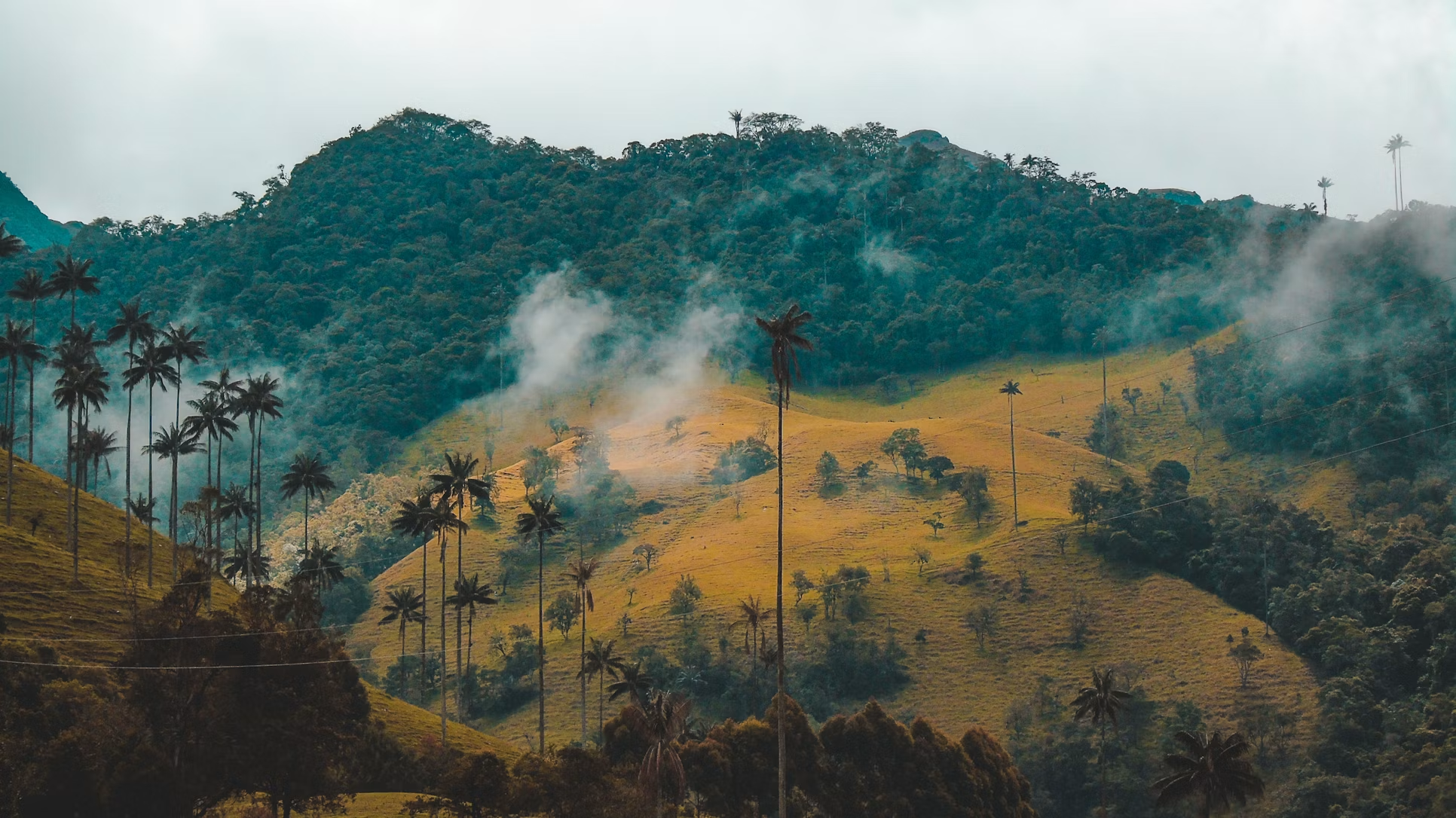
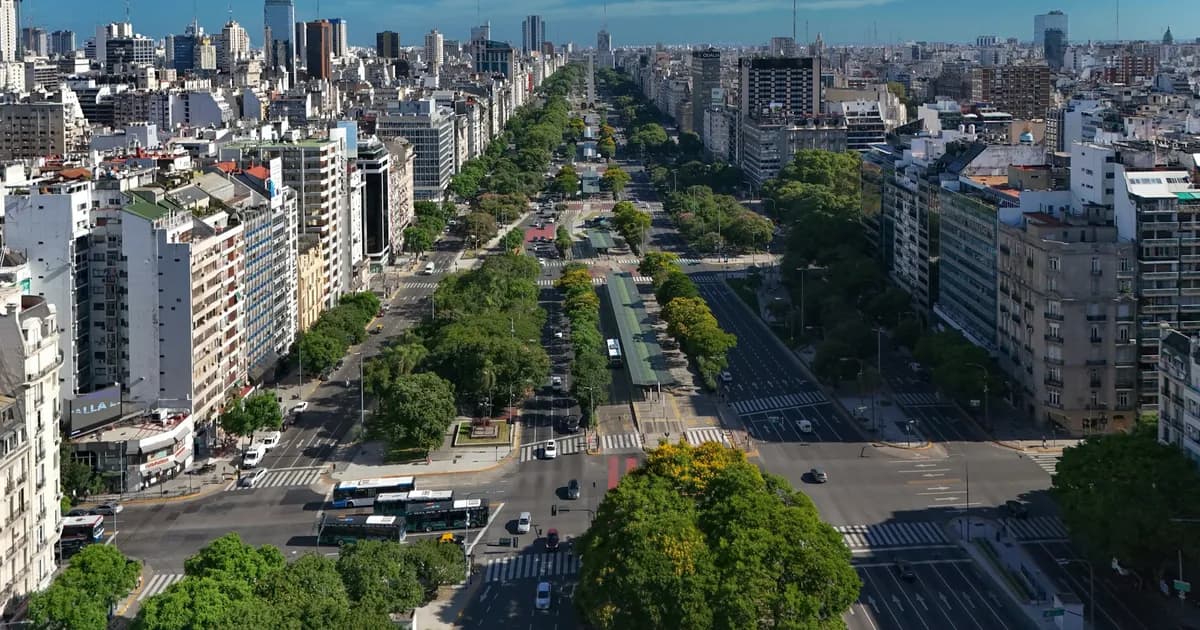
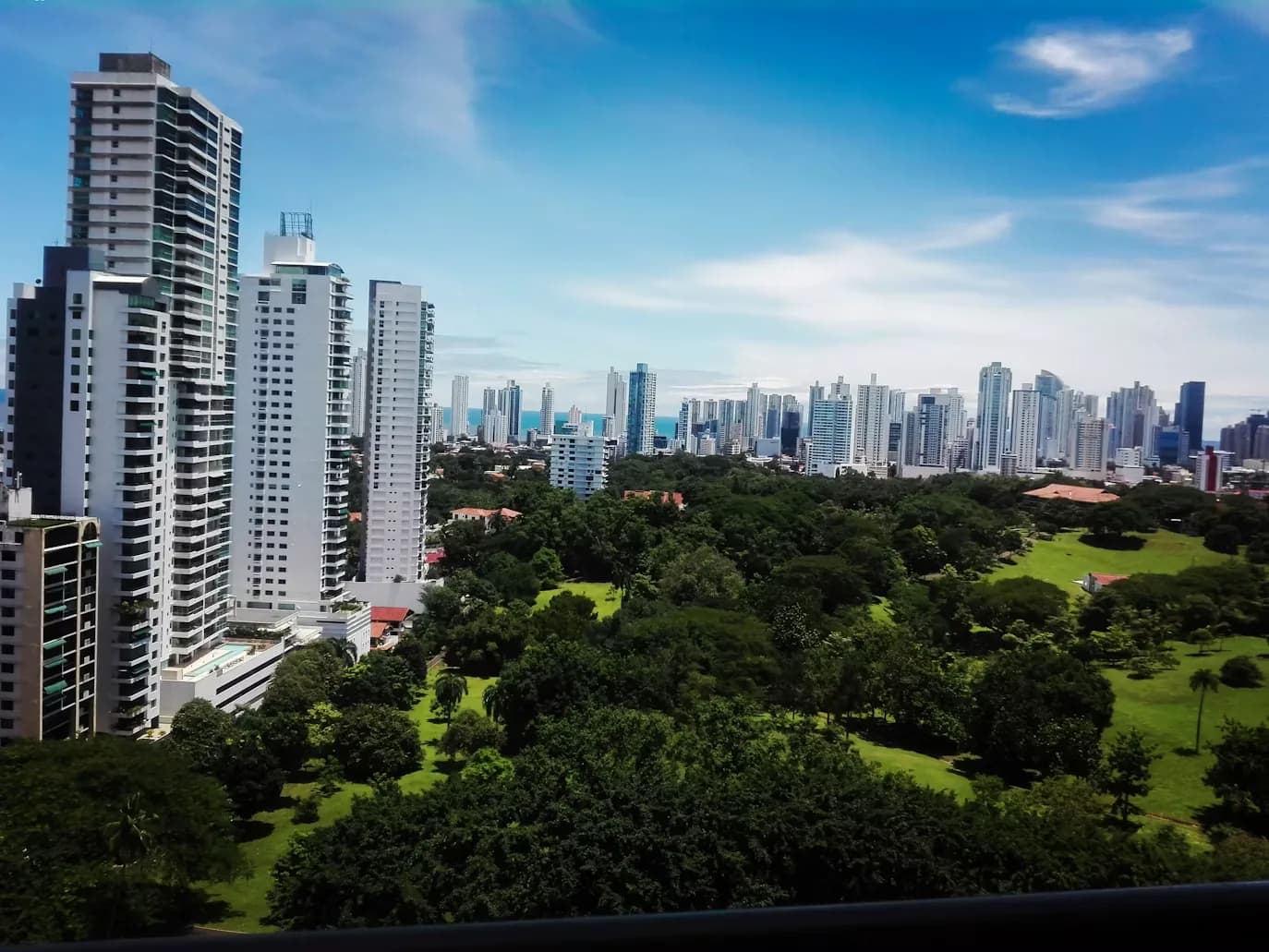
Now, you might think Mexico and Colombia are basically the same for retirement. Cheap living, warm tropical weather, close to home. But here's what you may not know. One country will hit you with tax rates of up to 35%. While the other may in fact give you a tax break. I've lived in both of these countries and helped many of our clients choose between them. And in this video, I'm going to walk through the pros and cons of retiring to Colombia and Mexico, including how you can move there and my personal opinion for your goals. Starting with Colombia. All right, let me be brutally candid about Colombia first. For those who don't know, I have a home in Medigene. When I first spent time here 5 years ago, I expected decent weather and cheap food, right? But what I didn't expect was waking up every morning in eternal spring. It's one of the few places on Earth where you can live in any climate you'd like without ever leaving the country. Bogota feels like fall year round at 60 to 70°. Medigene has perfect spring weather in my opinion, 70 to 80° every single day. And the Caribbean and Atlantic coasts of Colombia are a perpetual tropical and humid summer. You're never more than a 2-hour flight from any climate you're craving. The cost of living, yes, is quite affordable. I'm talking $3 menu dia meals, which is like a lunch that would cost $25 in Miami, $20 monthly gym memberships at nice places like Smart Feet and Body Tech with better equipment than most US chains, to be candid. And rent for a two-bedroom apartment in a safe neighborhood for $500 to $600 to $700 a month. My expenses dropped from roughly $3,000 on a shoestring budget in an American Midwest city to maybe 60 to 75% of that while living large here in Colombia. This really surprised me about South America's northernmost country as well. Columbia ranks number 22 globally for healthcare, a few spots higher than the US. I pay $80 a month for private insurance that would cost, I don't know, $1,000 or more back home. The facilities are modern. The doctors speak English, although I now speak Spanish and don't really ever use English here. And you don't wait 3 months for an appointment. This is the exact reason why medical tourism has exploded into a quarter billion dollar industry here in Cordomia. Sure, it's often cosmetic procedures like boobs, butts, and bellies that attract foreigners, but private care for whatever you need can be really exceptional here. The expat community is huge and growing. This is another plus. Over 60,000 Americans now live in Colombia. In Medigene alone, the city with the fastest growing tourism industry and foreign population here. You'll find Facebook groups with thousands of members, weekly meetups, and established social communities. I play soccer with foreigners and locals. I go to networking events here with both of those communities. It's really quite amazing how simple integration can be here. That is to say, if you want to integrate. And last but not least, travel connectivity from Colombia is pretty good. and improving. Bogota is now the highest traffic airport in Latin America. You can fly direct to a lot of US cities and it can also be your gateway to explore the rest of Latin America. This is a new development and likely to just enrich the Colombian economy even more. So, how does all this sound so far? Sounds appealing, right? Leave a comment below and and let me know if you'd consider moving to Colombia. All right, here's where it gets interesting for retirees. You have three main visa options in Colombia and the requirements are surprisingly low. The pensioner visa requires just $1,000 per month in pension or retirement income and that's it. No massive bank account requirements or investment minimums in Colombia. Nothing. Just proof of that $1,000 monthly from social security, a pension or retirement account distributions. And the visa puts you on the path to permanent residency in just 5 years and then citizenship in another five. If you don't have a pension but want to invest, the investor visa requires about $110,000 in Colombian real estate or $40,000 in a local business. I myself bought a 3-bedroom, 1,000 foot apartment in a brand new high-rise in Medigene for about $115,000 a few years ago, and that's how I got my investor visa here in Colombia. Now, Colombia also has a digital nomad visa that'll give you at least 2 years in the country. However, I warn people about this all the time. It does not lead to permanent residency or citizenship. So, it's more like a temporary solution if you want to test drive Colombia before committing long-term, but you also have 180 days on your tourist visa as well. So, if you want to learn more about your options in Colombia, you can download the how to retire Colombia guide linked below or check out our website for more info. Now, let's talk about the downsides nobody mentions in the travel blogs. It's not all rosy, folks. Living in Colombia can get expensive, and it's the reason why many expats end up leaving. If you become a tax resident here, meaning if you spend more than 183 days in any 365day period, not a calendar year, so be careful. Colombia will tax your worldwide income at rates of up to 35%. your social security, your pension distributions, your investment income, everything gets taxed by Colombia. Plus, Colombia has a wealth tax that kicks in if you have assets totaling more than about $600,000. So, as you can see, these taxes can quickly wipe out most of the cost of living savings you might have come for. Additionally, the US Colombia tax tree, well, it doesn't exist. So there is no protection against double taxation if you're a tax resident in the United States and a tax resident in Colombia. All right, let's move on from the numbers. Bureaucracy in Colombia can be hit or miss. If you work with the right folks, you can get things done rather quickly. But if you don't, getting a bank account could take three separate visits, a bunch of different documents, and a whole lot of miscommunication. Simple tasks that take maybe 20 minutes in the US can take all day in Colombia. And if paperwork frustrates you, Colombia will really test your patience. And remember this, this is coming from someone who's lived this experience for the last few years. Now, English proficiency is also pretty low outside of expat bubbles. In Medishachines and and Bogotaas upper class neighborhoods, you'll find English speakers, but step outside those bubbles and you're on your own. You've got to learn at least a little Spanish to get by. A little basic Spanish. And safety, this is often the concern when it comes to Colombia. Safety is better than it was 10 years ago. But you need to be aware, right? I consider myself to be pretty lucky, having lived in Colombia for so long without a single security issue. Petty crime is pretty common. You can't walk around flashing expensive jewelry or phones. And certain neighborhoods are off limits after dark. It's manageable if you use common sense and take precautions, but it's not Argentina level safe as far as Latin America goes. Infrastructure is improving, but inconsistent. Internet can go out during storms. Power outages happen. The roads are surprisingly great, though. But if you need everything to work perfectly all the time, Colombia will frustrate you, as I noted before. Now, let's talk about Mexico and why it's the easy button for American retirees. Proximity to the US is probably Mexico's biggest advantage in my opinion. If there's an emergency back home, if you want to visit family, or if you have business take care of state side, you can be there in hours, not days. That peace of mind is worth a lot in my opinion. The cost of living in Mexico can be excellent, especially outside major tourist zones like Cancun, Portoyarta. In cities like Merida, San Miguel de Aende, Guadalajara, you can live really well on $2,000, $3,000 a month. Rent, food, healthcare. Eh, on that last one, everything costs less than the US. And on that note, healthcare in Mexico is outstanding and more affordable than the US, yes, but don't expect Colombian costs. One thing I really appreciate about Latin America is also this accessibility of certain pharmaceutical goods. You can walk into either a Mexican orian pharmacy and you'll likely walk out with stuff that typically requires three doctors signoffs and a prescription in the US. The expat community in Mexico is also massive. 1.6 million US citizens live there. Obviously, that counts a lot of Mexicans with US dual citizenship, but the point stands. That includes huge retirement communities with established infrastructure, social groups, and support networks in places like San Miguel de Aende, Guadalajara, Wajaka, Kintanaroo, Mexico City, Cabo San Lucas, and the Pacific coast. You'll find English-speaking services, familiar comforts, and American grocery stores, even Walmart in these places. And for such a large country with almost three times the population, Mexico's infrastructure is pretty comparable to Columbia's. Decent roads, reliable internet, consistent power in cities, and if you're looking for a familiar environment, Mexico will definitely feel more like the US than Colombia would. Now, here's where Mexico can be Colombia for American retirees. Thanks to the US Mexico tax treaty, your social security income may not be taxed in Mexico at all. The rest of your retirement income, pension distributions, and retirement account withdrawals are typically only taxed where you live. Even if you become a Mexican tax resident and spend more than 6 months per calendar year in the country, Mexico's tax rates on retirement income are generally lower than Columbia's punitive rates. All right, so all this sounds great, right? But how do you move to Mexico? If you want a detailed deep dive, check out our how to retire to Mexico guide on the website. It's 100% free. but we'll go through some options here. Mexico's visa system is pretty straightforward and retirey friendly. The temporary resident economic solveny visa requires either $4,500 in monthly income or about $75,000 in savings, just proof, no investment. After one year, you have to renew your temporary residency. And after four years of essentially zero required physical presence in the country, you can apply for permanent residency. The income requirement is higher than Colombia, yes, but it's achievable for some American retirees, especially that savings route. But if you have $250,000 in your savings account, and if you're of retirement age, again, this is kind of subjective, let's say 50 or older, you can skip that temporary residency phase and apply directly for permanent residency. This is perfect if you don't want to mess with the requirements of the temporary residency program, right? Mexico also has an investor visa which requires $300,000 in Mexican real estate or a business investment of the same value. But we'd only recommend this route in the case that you're thinking about buying property in the country. Otherwise, the bureaucracy lists and quick economic solveny visas fit most of our clients needs. All these visas lead to Mexican citizenship after 5 years of legal residency in the country. And this often surprises our clients, but the Mexican passport is strong. Often ranked in the top 20 worldwide. Did you know that? Drop a comment below and and let me know. Okay, Mexico isn't perfect, right? We all know that. Let's be candid about the downsides as we always are on this channel. Remember, the Freedom Files is jurisdiction agnostics, so we just want the right fit for you and your goals. So, we always talk about the pros and the cons. Safety will vary dramatically by location in Mexico. Border cities like Tijuana or Huarez and states like Sinoa can have some serious crime issues. Even some popular tourist destinations most expats should avoid. Drug cartel violence doesn't typically target expats, but it's a reality you need to acknowledge. And this surprised me. English proficiency in Mexico is in fact lower than Colombia. You'd think because of the proximity with the US and its ties to the country, proficiency would be much higher. But outside of major expat communities, you'll really need functional Spanish for daily life. Another downside, some popular expat areas are getting expensive pretty fast. San Miguel deende property prices have doubled in the last decade. Puerto Vayart is approaching US coastal prices. Mexico cities, Polano, Romanorte, Condesa are as expensive for rent and food as major US cities. Bargain destinations in Mexico are becoming harder to find. Okay, so after living in both of these countries and helping lots of clients choose between them, here's my candid assessment of retirement in Colombia versus Mexico. Choose Mexico if proximity to the US is important to you. If you have grandkids or kids you want to visit regularly, if you have US business ties, or if you just want the comfort of being able to drive home, Mexico wins, right? I think Mexico also wins on a few tax advantages as well. and the established expat infrastructure makes the transition, I think, a little bit easier, as well as the the occasional Walmart. Mexico is also better if you want permanent residency and eventual citizenship with minimal hassle. The visa process is more straightforward and you won't get destroyed by taxes, especially if you don't even live there during the temporary residency period, which is permitted. Additionally, if you have Mexican citizen parents, don't forget this. you qualify for citizenship today without even ever having lived in Mexico at all. On the other hand, I would choose Colombia if you're a true adventure seeker who values biodiversity, nature, and wants to live somewhere that feels authentically Latin American. In a lot of parts of Mexico, I just feel a little too Americanized. If you can handle Colombian bureaucracy and don't mind the tax implications, Colombia can offer an incredible quality of life at rock bottom prices, including for private healthcare, which is what we'd recommend here over the public system. Colombia is perfect for people who want to experience something completely different from their US life. It's more exotic and offers that sense of living somewhere truly foreign. But I'm curious, which country appeals to you more? Mexico's convenience or Colombia's adventure? We help Americans everyday navigate these exact decisions. Our freedom consult is designed to walk you through your current circumstances and your goals overseas and match you with the country and the immigration routes that fit your goals. If you want more detail about my experience in Colombia, check out this video on the channel. I walk through my real budget, reasons I moved here, and how you can, too. Thanks for watching. We'll see you in the next one.