Freedom FilesFreedom Files
← All destinations
CaribbeanResidency

Puerto Rico

A 0% capital gains and 4% business income regime on qualifying Puerto-Rico-sourced earnings, available to American citizens who establish bona fide residency on the island. Same US passport, same federal residency, materially different tax math.

Population
3.2 million
Language
Spanish and English (both official)
Currency
US Dollar
Time zone
AST (UTC−4, no DST)
Capital
San Juan
GDP per capita
~US$36K
  1. 0% capital gains for qualifying residents

    Act 60's individual-investor decree exempts Puerto-Rico-sourced capital gains accrued after you become a bona fide PR resident from both Puerto Rican and US federal capital gains tax. Dividends and interest from Puerto-Rico-sourced investments are similarly exempt. For Americans with material investment portfolios, the planning math is among the most aggressive legal structures available under US law.
  2. 4% on qualifying export-services business income

    Act 60's export-services decree taxes qualifying business income from Puerto Rico-based operations serving non-PR clients at a flat 4% Puerto Rican corporate rate, with a 100% exemption from local dividends tax on distributions to bona fide residents. The structure is designed for service businesses (consulting, software, asset management, professional services) that can credibly relocate operations to the island.

  3. No passport change, no visa, no new citizenship

    Puerto Rico is US territory. American citizens move to PR the same way they move from Texas to Florida. There is no immigration filing, no visa process, no language test, no naturalization clock. You stay a US citizen with a US passport. The entire program is a tax structure, not an immigration structure.

  4. A Caribbean lifestyle in US territory

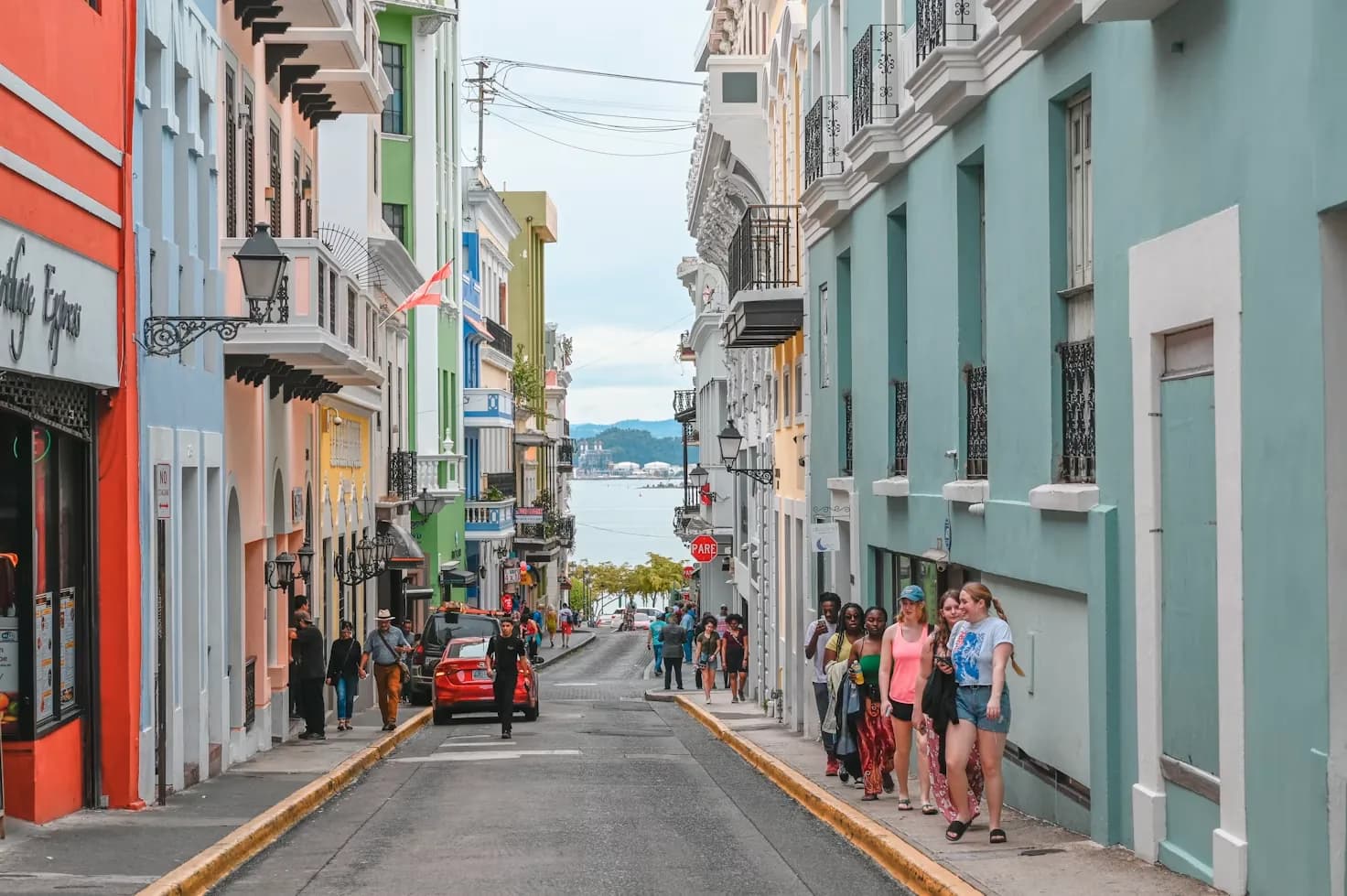
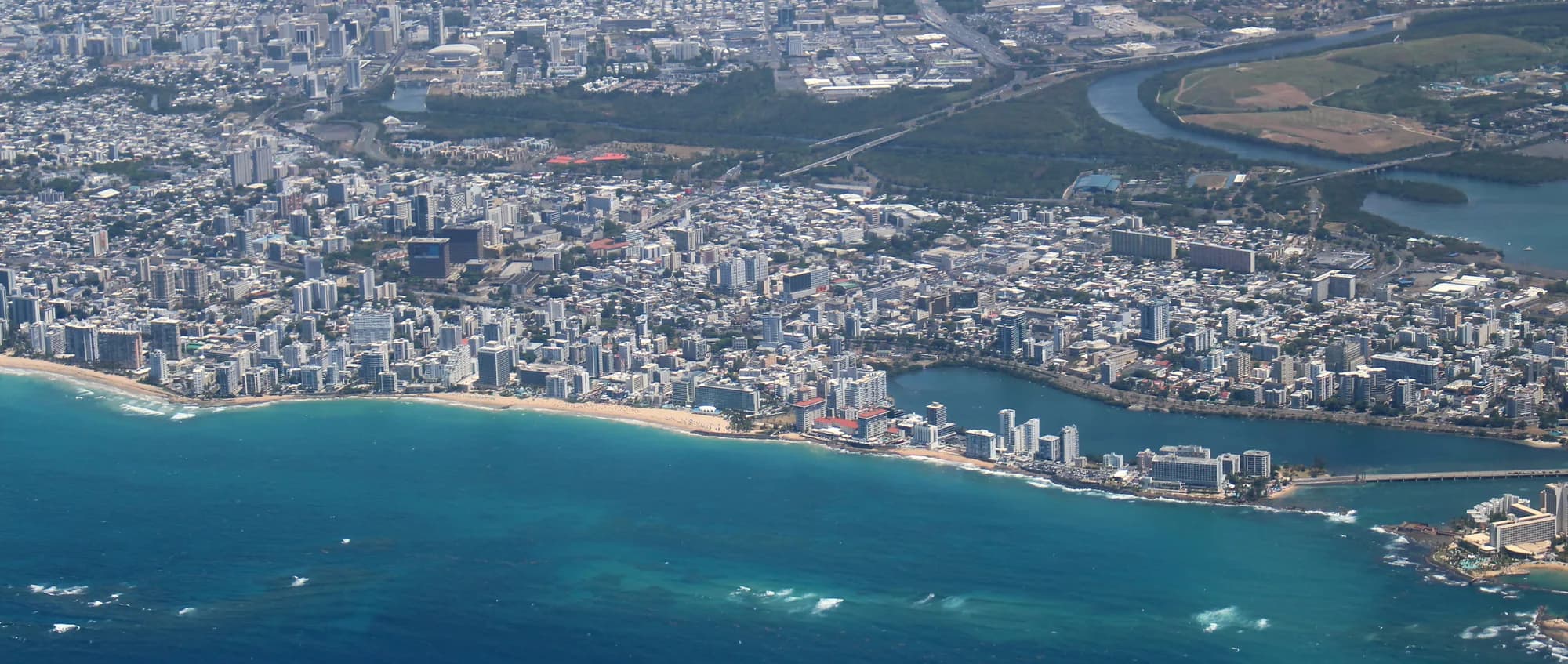
    PR delivers tropical climate, world-class beaches, deep Spanish-Caribbean culture, and rapidly developing food and creative scenes in San Juan's Condado, Old San Juan, and Santurce. The Act-60 community concentrates around Dorado, Condado, and select gated communities on the east coast. The lifestyle is materially different from mainland US, in ways most clients enjoy.

  5. Short flight from the US East Coast

    San Juan's Luis Muñoz Marín International runs daily direct service to most major US cities. Two and a half hours from Miami, four from New York, four and a half from DC. Family visits, board meetings, and US travel stay easy. Maintaining mainland US business relationships is materially simpler than from any non-US Caribbean base.

  6. An established Act-60 community already on the ground

    The Act 60 community in Dorado, Condado, and the eastern gated communities has grown materially since 2012. The professional-services infrastructure (tax counsel, structuring attorneys, accountants, real estate brokers familiar with the property requirement) is well-established. Most engagements arrive into an existing professional ecosystem.

Programs

One route into Puerto Rico

Each route below is a live client engagement we have advised. Figures and timelines reflect the current state of each program; we update them whenever policy moves.

  • Act 60

    Residency

    A US-territory tax structure offering 0% on qualifying PR-sourced capital gains, dividends, and interest, plus 4% on qualifying export-services business income. Requires bona fide PR residency, a $10K annual charitable donation, and a $300K residential property purchase within two years. Not a residency or citizenship program.

    Financial requirement
    $10K annual donation, $300K property within 2 years, bona fide residency
    Timeline
    Decree application within first tax year of relocation
  • Puerto Rico editorial photograph
  • Puerto Rico editorial photograph

Several routes, several ideal profiles. Which is right for you? The Freedom Consult is where we figure out your ideal path forward – and whether Puerto Rico is even the right country.

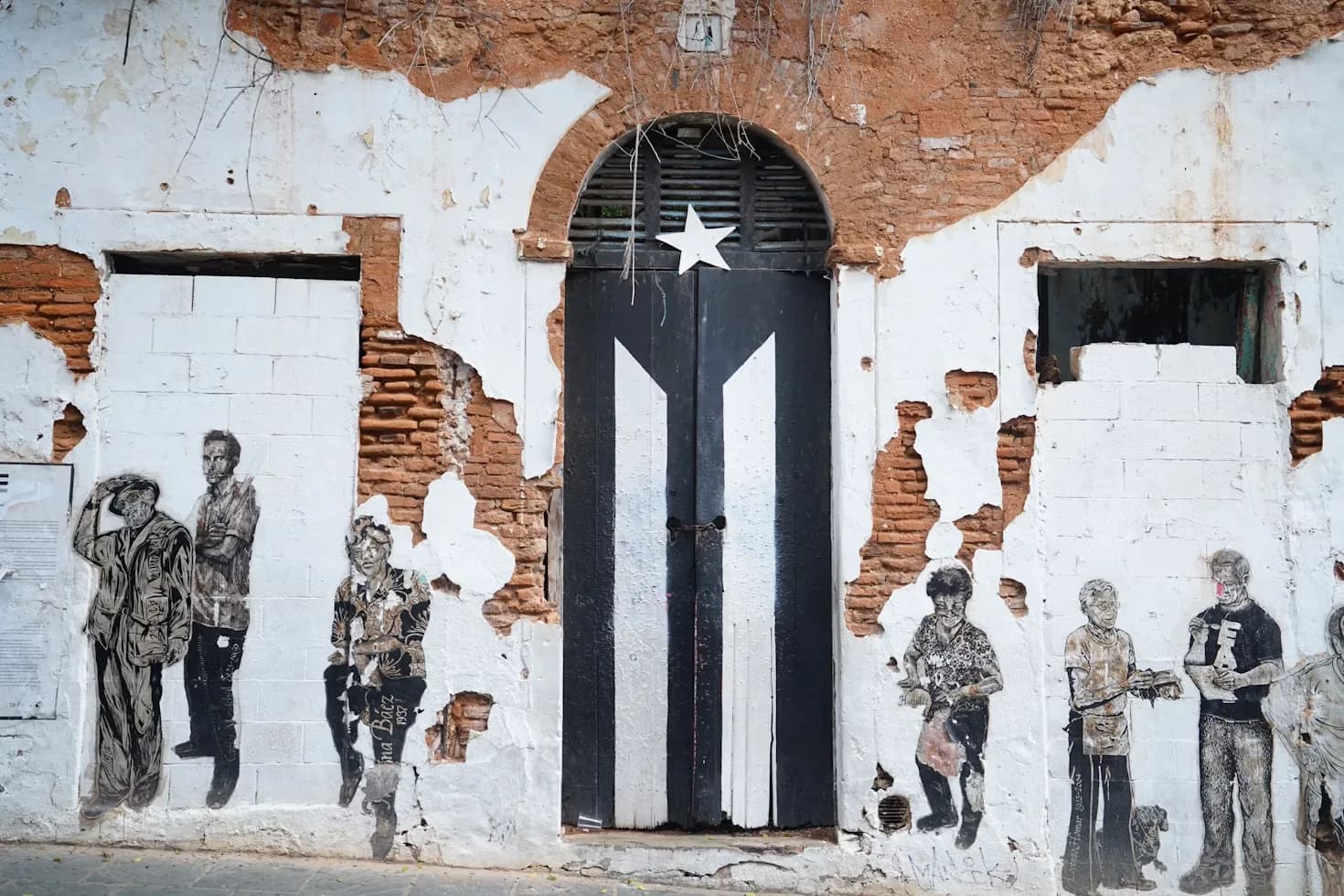
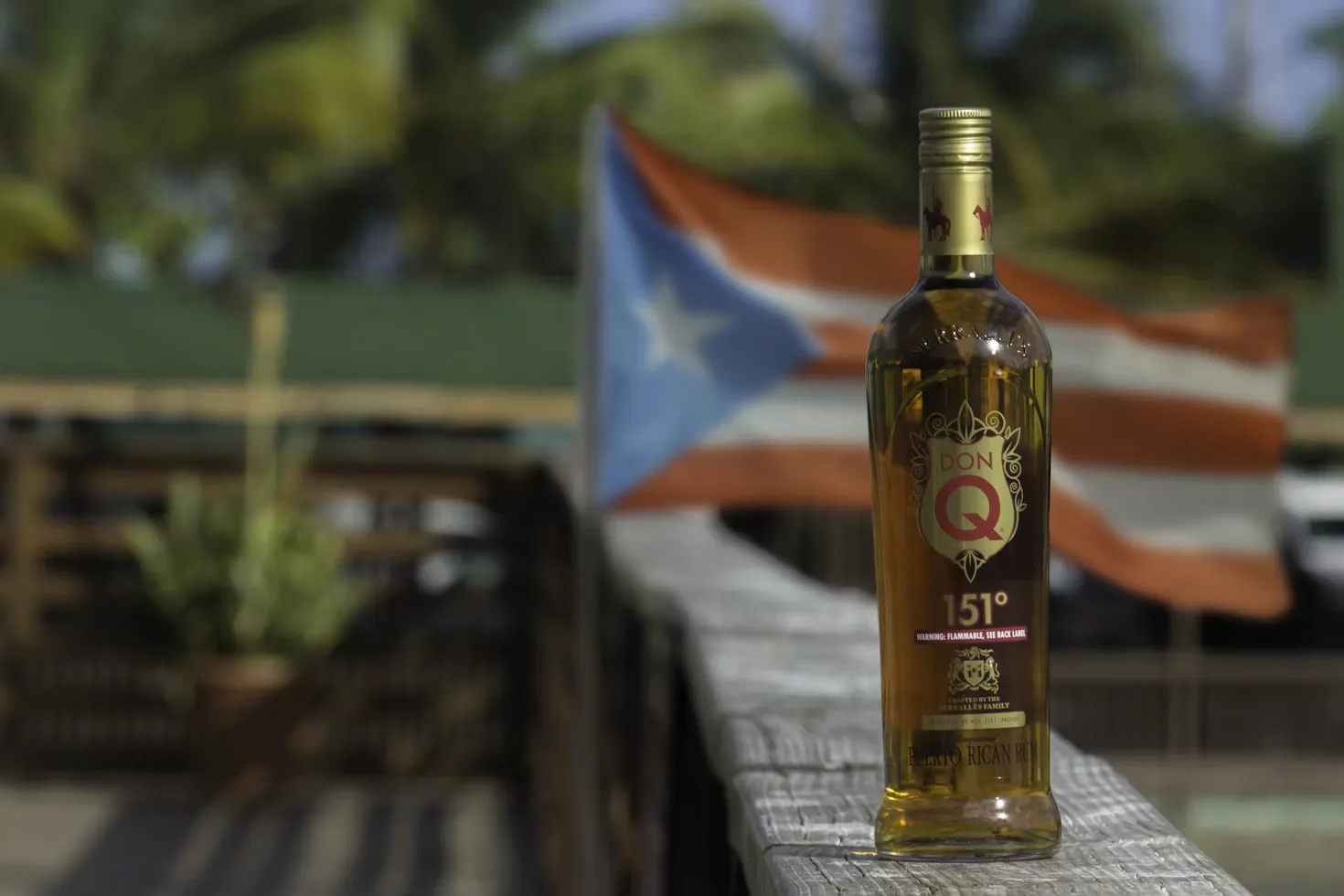
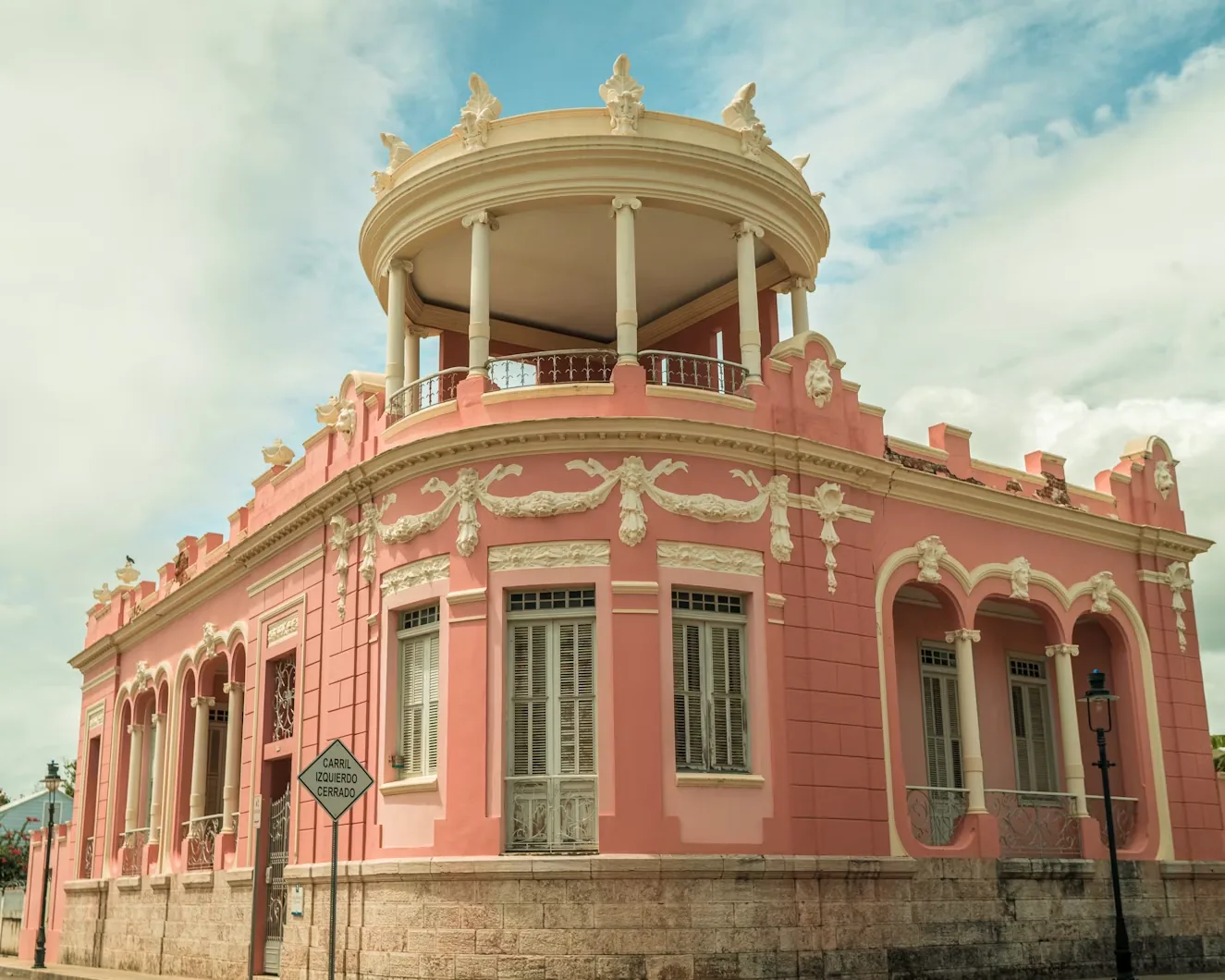
A taste of Puerto Rico

Puerto Rico editorial photograph 1
Puerto Rico editorial photograph 2
Puerto Rico editorial photograph 3
Puerto Rico editorial photograph 4Puerto Rico editorial photograph 5Puerto Rico editorial photograph 6

How does Act 60 actually work?

Act 60 is a Puerto Rican law that consolidates and codifies the prior Act 20 and Act 22 incentive regimes. It offers two principal decrees: an individual-investor decree exempting qualifying Puerto-Rico-sourced capital gains, dividends, and interest from PR and US federal tax for bona fide residents; and an export-services decree taxing qualifying business income at 4% with a 0% rate on dividends paid to bona fide residents. Both decrees require establishing bona fide Puerto Rican residency and filing the appropriate decree application during your first PR tax year. We coordinate with US-licensed tax counsel and Puerto Rican counsel together.

What does bona fide Puerto Rican residency mean?

Bona fide PR residency is a three-part test under the Internal Revenue Code: (1) the 183-day presence test, requiring you to spend at least 183 days in PR per tax year; (2) the closer-connection test, requiring your social and economic center of life to be in PR rather than the mainland; and (3) the tax-home test, requiring your principal place of business to be in PR. Failing any one of the three voids the regime for that year and triggers US federal taxation on the prior year's PR-sourced gains. Most Act-60 audits center on closer-connection facts.

What about IRS scrutiny?

Act 60 has been a focus of IRS audit programs since 2021, with the IRS and DOJ collectively investigating prior filers for substantive bona fide residency failures and aggressive PR-source attribution. The regime itself is legal and operating; what gets audited is the facts pattern: where you actually live, where your business actually operates, when the qualifying assets were acquired, and where the gains were actually sourced. We do not place engagements where the facts cannot support the structure, and we work with US-licensed counsel who has handled Act-60 audits directly.

Does the 0% rate apply to all my capital gains?

Only gains accrued after you become a bona fide PR resident on qualifying assets sourced to PR. Gains accrued on assets held before you moved are partially taxed at federal rates based on a time-of-holding allocation. Gains on US-sourced investments (US stocks held in US accounts, US real estate, etc.) remain US federal taxable. The structure works best for clients who can plan acquisition or sale of qualifying positions around the residency transition. We map the asset-level analyzis during the consult.

Can I keep my mainland US business?

Yes, but the income from a mainland US business remains taxed at federal rates regardless of your PR residency. To get the 4% export-services rate, you need to actually relocate substantive business operations to PR and serve non-PR clients from a PR-based entity. The structure is designed for service businesses with relocatable operations, not for shifting income from an unchanged mainland operation.

What are the property and donation requirements?

Within two years of acquiring your decree, you must purchase a $300K (or greater) residential property in Puerto Rico and use it as your primary residence. You must make a $10K annual donation to a qualifying Puerto Rican charity each year the decree is active. Both are conditions to maintaining the decree; failure to comply triggers decree termination and potential clawback.

Is Act 60 sustainable politically?

Act 60 has been politically debated within Puerto Rico (whose tax base it reduces) and in Washington (which views it as an aggressive structure). The 2019 consolidation extended decrees to 2035. Future legislative changes are possible but typically include grandfathering for existing decree-holders. We track every public consultation and brief active clients on material movement.

How life compares

Eight factors, against the US baseline

The dimensions that decide whether a place is workable once the visa lands.

English

Official, universal

English and Spanish are both official. San Juan's Act-60 districts (Condado, Old San Juan, Dorado) run primarily in English at most professional and service contexts. Spanish is widely spoken; basic fluency materially improves daily life.

Cost of living

Comparable to mainland US coastal

Premium Act-60 zones (Dorado, Condado) run at coastal-US prices for housing and groceries; imported goods are 10-20% above mainland. The tax savings are typically the financial benefit, not the cost-of-living delta.

Taxes

The structural reason to be here

0% on qualifying Puerto-Rico-sourced capital gains, dividends, and interest for bona fide residents under the individual-investor decree. 4% on qualifying export-services income, 0% on dividends paid to bona fide residents under the export-services decree. US worldwide-income obligations otherwise unchanged for non-qualifying income.

Quality of life

Caribbean within US territory

Tropical climate, world-class beaches, deep Caribbean culture. San Juan delivers a working capital with restaurants, music, and an emerging food scene. Dorado and Palmas del Mar deliver gated-community resort living. The lifestyle is genuinely Caribbean, not mainland US in the tropics.

Safety

Neighbourhood-specific

The Act-60 communities (Dorado, Condado, gated coastal compounds) are statistically safer than many US small cities. Other parts of San Juan and PR require situational awareness. We brief on geography during onboarding.

Travel connectivity

Excellent to the US

San Juan's Luis Muñoz Marín hosts daily direct service to most major US cities. Two and a half hours from Miami, four from New York. Maintaining mainland US business and family relationships from PR is materially simpler than from any non-US Caribbean base.

Infrastructure

Functional, with island constraints

Utilities and internet are reliable in the major Act-60 communities. Hurricane preparedness is a real consideration; the 2017 Maria response remains a reference point. Power-grid reliability has improved meaningfully since 2020 but remains an island consideration.

Healthcare

Strong private system

Major hospitals in San Juan and Dorado are US-accredited and serve as referral centers across the Caribbean. Healthcare quality and access are materially better than the broader Caribbean. Most Act-60 residents carry US-mainland insurance with broad PR coverage.

The Puerto Rico briefing

The facts, programs, and comparison

A four-page PDF covering everything on this page plus the comparison framework we use internally. Delivered to your inbox, and the next briefing every week.

No spam ever! Unsubscribe in one click.

Get your custom Plan B Blueprint

Most people spend 100+ hours researching residency and citizenship options before they realize they were looking at the wrong programs. We compress that into 10 questions, 90 seconds, and a single report.