

Residence with no end date
The SRRV and the SIRV both let you live in the Philippines indefinitely, with multiple entries and no minimum days, for as long as you're in the program.

More than 7,000 islands, English in daily life, and residence with no end date, on a retirement deposit from $15K or a $75K investment in Philippine companies.

The SRRV and the SIRV both let you live in the Philippines indefinitely, with multiple entries and no minimum days, for as long as you're in the program.
The Special Resident Retiree's Visa starts at 40, on a deposit from $15K that's returned when you leave. Your pension is exempt from Philippine tax.
Foreign nationals, resident or not, are taxed only on Philippine income, so your income from abroad is outside Philippine tax. If you're a US citizen, you file US taxes too.
English is an official language, used in business, government, schools, and hospitals, so settling in is easier than almost anywhere else in Asia.
Centuries of Spanish rule and decades of American ties left stone churches, fiestas, and a warmth toward visitors that many newcomers notice on their first day.
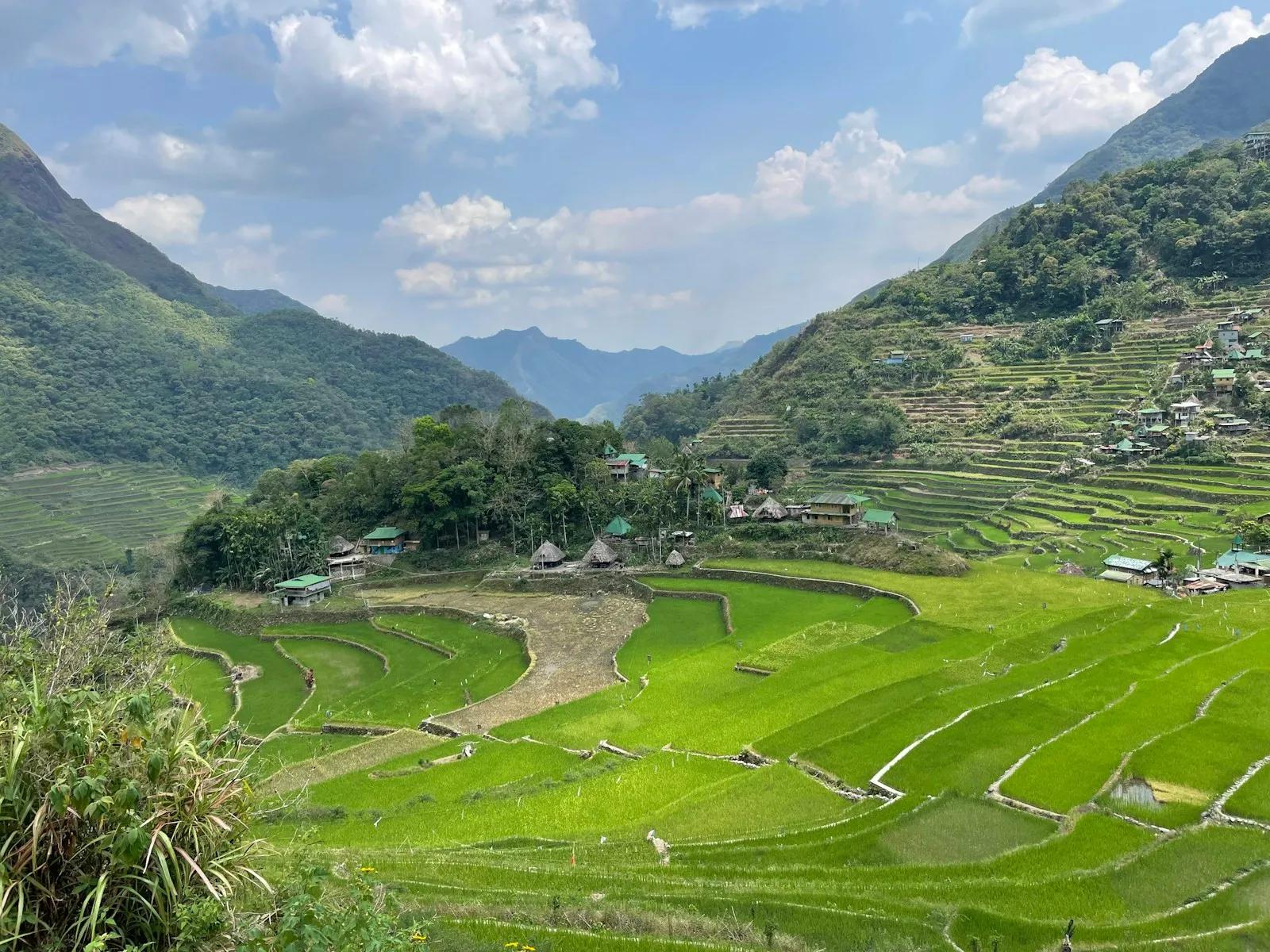
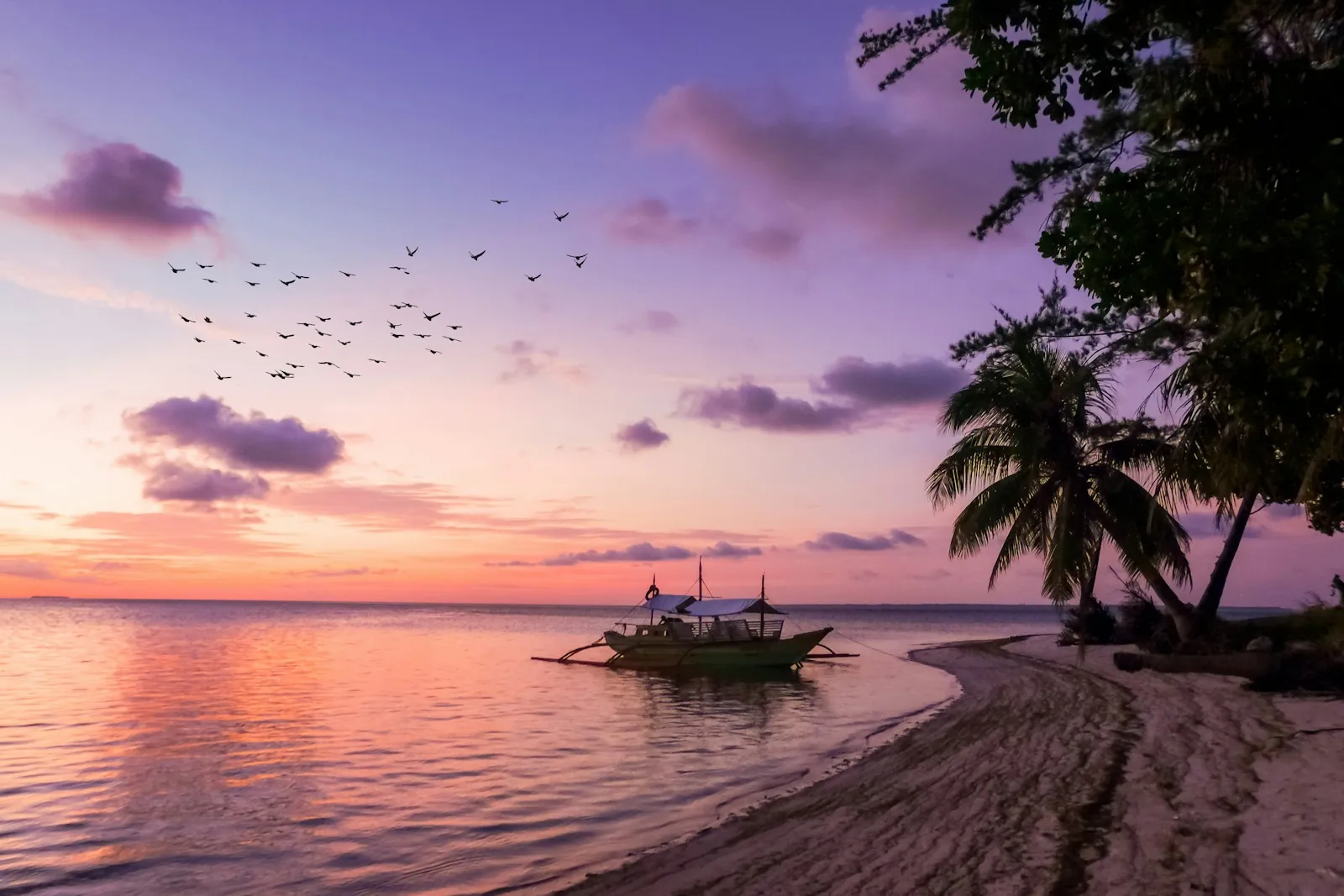
The limestone lagoons of Palawan, the beaches of the Visayas, the Chocolate Hills of Bohol, and the cool rice terraces of the Cordillera.
Each route below is a live client engagement we have advised. Figures and timelines reflect the current state of each program; we update them whenever policy moves.
Permanent residence for a $75K investment in a government-approved project in the Freeport Area of Bataan (FAB), returned in full after 5 years. Open to every nationality, with one trip of 5 business days.
The Special Resident Retiree's Visa, from the Philippine Retirement Authority: residence with no end date from age 40, on a deposit of $15K to $50K by age and pension. The deposit is returned when you leave the program.
The Special Investor's Resident Visa, from the Board of Investments: residence with no end date from age 21, for as long as you own at least $75K in shares of Philippine companies. Real estate doesn't qualify.
Several routes, several ideal profiles. Which is right for you? The Freedom Consult is where we figure out your ideal path forward, and whether Philippines is even the right country.
Get my Blueprint


Most of our clients use the SRRV, a retirement visa from age 40 on a deposit from $15K, or the SIRV, which needs $75K in Philippine company shares. The FAB Investor Visa gives permanent residence for $75K in an approved project in the Freeport Area of Bataan.
Not on its own. Foreigners can own condo units, but property isn't a qualifying route. The SRRV deposit can go toward a condo or long-term lease where the program allows it.
No. The SRRV, the SIRV, and the FAB Investor Visa have no minimum days. You travel there to file and to receive your visa.
Foreign nationals are taxed only on Philippine income, and SRRV pensions are exempt. The US and the Philippines have an income tax treaty. If you're a US citizen, you file US taxes too. We review your position before you move.
Yes. Your spouse and unmarried children under 21 can join you on each of the 3 visas.
Naturalization is a court petition after 10 years of residence, and it means giving up your other citizenship. Most of our clients use Philippine residency on its own.
The dimensions that decide whether a place is workable once the visa lands.
English
Official and everywhere
English is an official language, used in business, government, courts, schools, and hospitals across the country.
Cost of living
Well below US cities
Housing, help at home, eating out, and private healthcare cost a fraction of what they do in major US cities.
Taxes
Philippine income only
Foreign nationals are taxed only on Philippine income. SRRV pensions are exempt.
Quality of life
Warm and easygoing
A tropical climate, a slower pace outside Manila, and a culture known for its hospitality, with beaches and islands within easy reach.
Safety
Varies by area
Expat neighborhoods in Makati, Bonifacio Global City, Cebu, and the resort islands are generally safe. Situational awareness pays in busy parts of the cities.
Travel connectivity
Good regional links
Manila and Cebu connect across Asia, with nonstop flights to several US cities.
Infrastructure
Strong in the cities
Business districts have modern towers, malls, and fast internet. Traffic in Metro Manila is heavy, and rural areas are more basic.
Healthcare
Good private hospitals
Private hospitals in Manila and Cebu offer care in English, at prices well below the US.
Most people spend 100+ hours researching residency and citizenship options before they realize they were looking at the wrong programs. We compress that into 10 questions, 90 seconds, and a single report.
“You come across as very genuine, authentic, and easy to deal with. Most experiences I've had with others are like, 'Send me money and I'll tell you what to do.'”