 Panama
In this article
What makes Panama so attractive for US expats and retirees in 2027?
In this comprehensive guide, I’ll cover 9 reasons our Freedom Files clients and tens of thousands of American citizens have chosen to retire in Panama, and how you can too:
- Cost of living
- Geography and natural diversity
- Healthcare
- Travel connectivity
- Lifestyle
- Residency options
- Safety and stability
- Banking
- Taxes
Cost to Retire in Panama
Typically, a significant drop in your cost of living would mean an equally significant drop in your quality of life. Retirement in Panama can unlock savings of up to 50% without sacrificing your comfort. The prices in this guide are from 2025, when I first wrote it.
While millions of US retirees are forced to downsize into tiny condos in Florida, push off retirement 5 or 10 more years, and give up the things they love in order to earn just a bit more before retirement, thousands already retired and are living better in Panama for less.
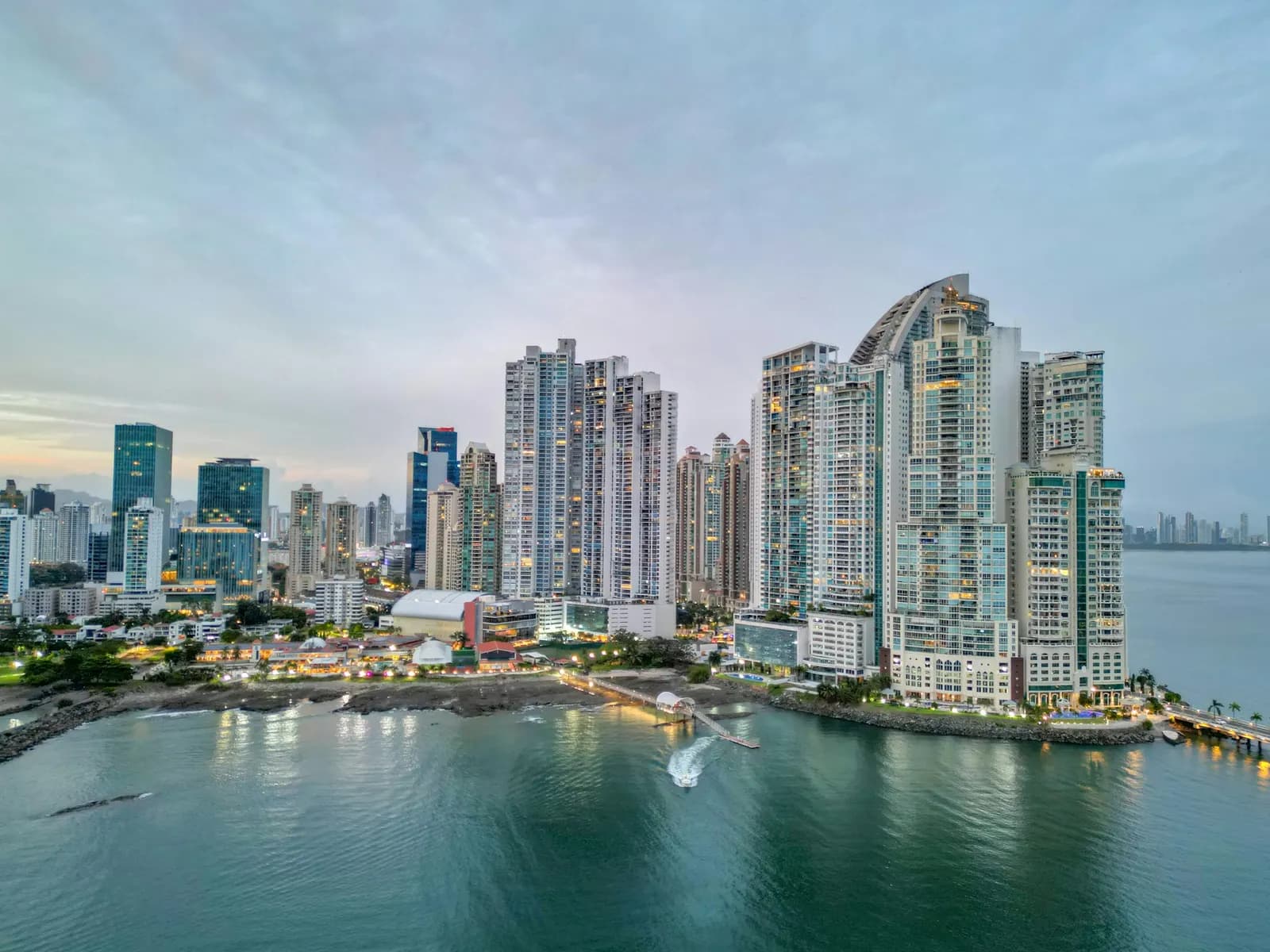
In 2025, a couple of Freedom Files clients from Georgia moved into a two-bedroom, ocean-view apartment in downtown Panama City, on Avenida Balboa, the main drag. Modern kitchen, doorman security, pool on the roof, concierge, fully-outfitted gym. They paid US$1,500 per month.
Compare that to Miami, where a similar apartment with amenities can cost US$5,000 or more. I used to live just a few blocks away from that same building in Panama City’s Punta Paitilla. Each morning, I’d walk the waterfront promenade past parked yachts that cost more than most American retirement accounts.
And that’s just housing.
You can eat lunch at a beachside café (I prefer fresh ceviche and a cold beer) for US$4.50. Full-time maid service? Less than what you’d pay for a nice lunch in Manhattan.
Rent, groceries, transportation, healthcare, Nearly every line item on your budget can drop by 30-70% when you retire in Panama. If you’re looking for hard data, Numbeo says Panama’s overall cost of living is 35-50% lower than most US cities.
That means more left over every month for travel, for your grandkids, for enjoying the life you spent decades working for.
And we’re not talking about a severe drop in quality of life either. Panama City offers a modern center, with fiber internet, top restaurants, high-rises, and international brands, not roughing it in the jungle.
For a lot of our American clients, moving to Panama feels like escaping a system that punishes you for retiring and entering one that rewards you each and every day.
Next, let’s look at why Panama’s geography gives you options most countries can’t.
Geography & Natural Diversity in Panama
If you retire in Panama, you don’t have to pick between the beach, the mountains, or the city. You can get all three just a few hours apart.
I’ve traveled the world and lived in over ten countries. I promise you that that diversity is rare. Most countries make you choose.
But in Panama, you can surf warm Pacific waves in the morning, have coffee in a cool mountain town by lunch, and enjoy rooftop drinks in the world-class, major capital city by dinner.
Love the ocean? Panama gives you two coastlines, Pacific and Atlantic, with year-round warm water. Try Bocas del Toro or the Azuero Peninsula if you want beach towns that are more relaxed, friendly, and still affordable.
If you prefer mountain living, you can head to Boquete (major retiree destination) or El Valle de Antón. These aren’t dusty hill towns. They have cool 70°F weather, clean air, world-class hiking, and coffee farms.
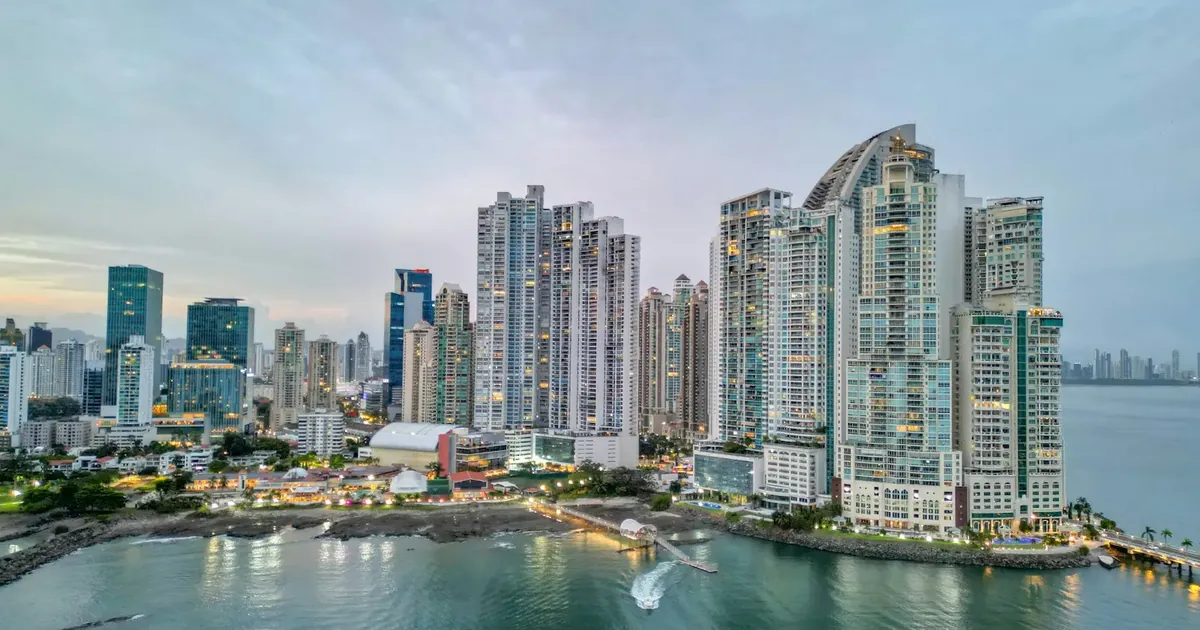
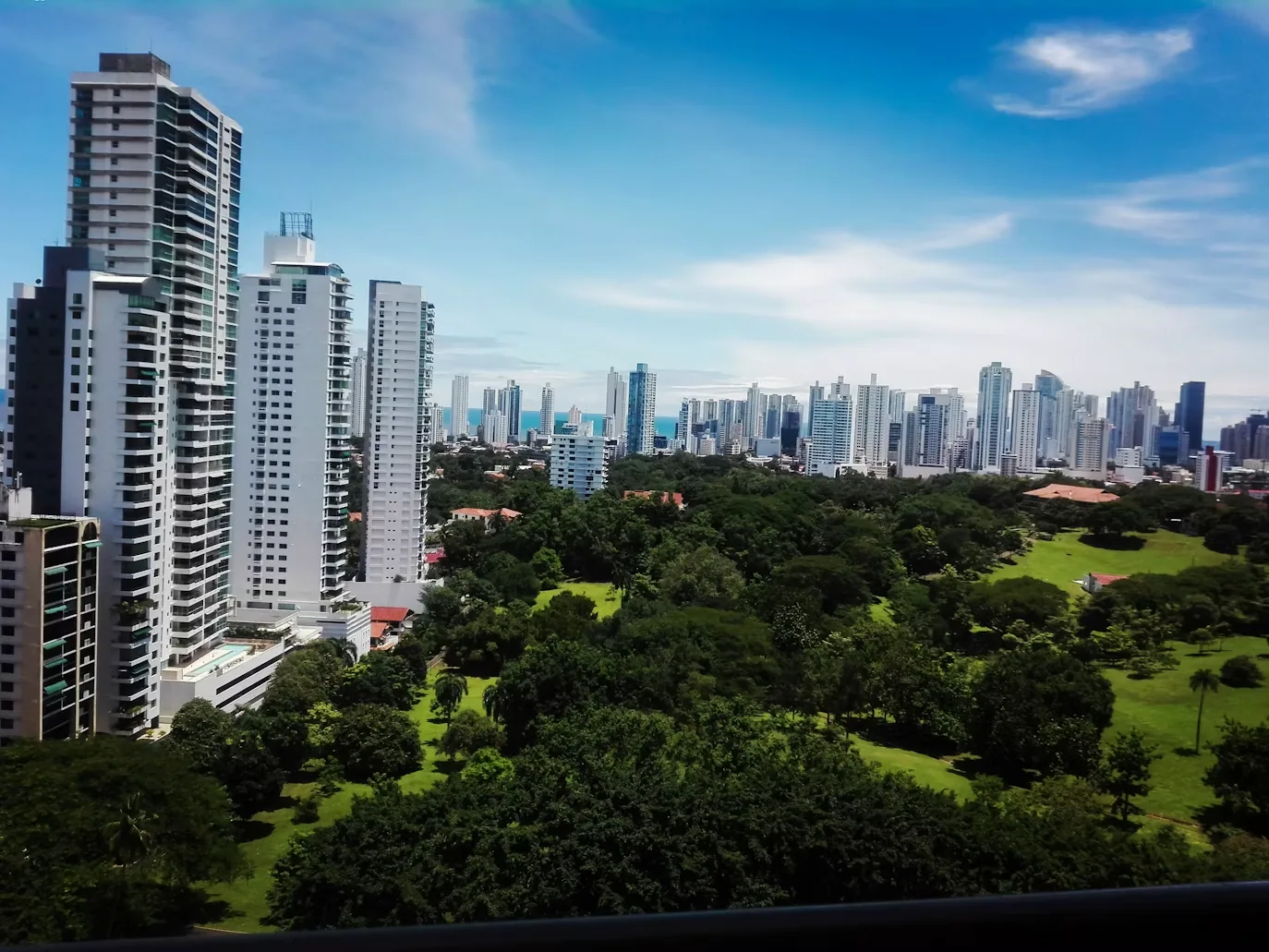
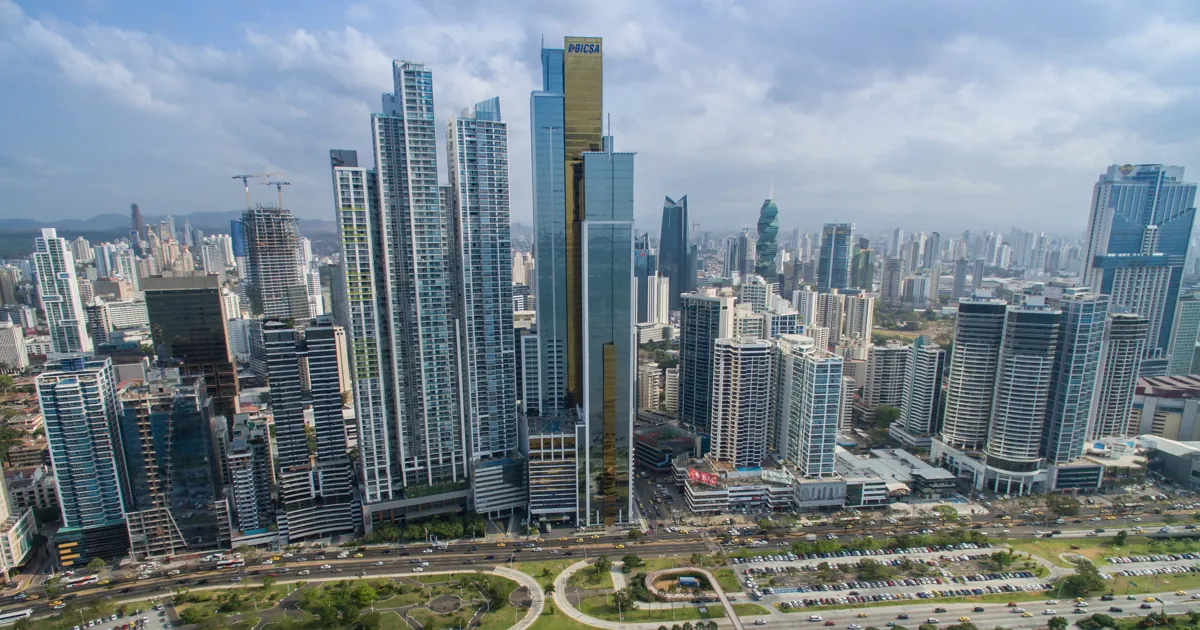
Want international city life? Panama City is as modern as it gets. Skyscrapers, rooftop bars, sushi restaurants, private hospitals, Whole-Foods-style markets, yoga studios, waterfront views - Really anything you could want in a cosmopolitan home-away-from-home that runs on the US dollar.
I spent nearly a year bouncing between all three: Surfing in Playa Venao, hiking through the cloud forests in Boquete, then back to my high-rise apartment overlooking the Panama City skyline. I never felt like I had to choose one lifestyle over another. Each vibe has its pros and cons.
Retirees love Panama because here, you can shape your retirement around your lifestyle. The country doesn’t dictate how you live, like it would in so many other places.
Healthcare in Panama
Let’s talk about something that keeps a lot of Americans up at night: healthcare. In the US, even with “good insurance,” one hospital visit can wreck your finances. In Panama, healthcare is reasonable.
You’ll find top-tier hospitals, many affiliated with American institutions like Johns Hopkins and the Cleveland Clinic. The most advanced facility in the country, Hospital Punta Pacífica, is located right in Panama City and is considered one of the most technologically advanced private hospitals in Latin America.
So what does it cost to use these services? Here are 2025 prices:
- A specialist visit: Around US$50
- Emergency room: Anywhere from US$30-$200
- Lab work, imaging, surgery: A fraction of what you’d pay in the US
If you retire in Panama, you can buy private insurance plans starting at just a few hundred dollars per year. Many expats also pay out of pocket because it’s that affordable.
And here’s something else worth knowing: Retirees in Panama, especially those on a Pensionado visa and permanent residency, receive up to 25% discounts on healthcare expenses. That’s on top of already lower prices.
It’s true that Medicare doesn’t cover you abroad. But with costs this low, most Americans in Panama don’t miss it.
So far, we’ve covered the cost savings, the natural beauty, and the healthcare. But none of that matters if getting to Panama is a hassle in the first place.
Travel Connectivity in Panama
What’s the point of retiring abroad if visiting family means a 22-hour, 4-stop travel day with a neck pillow and sleeping pills?
One of the best aspects of retiring in Panama is how close it keeps you to the US, without feeling like you’re still there.
Panama is a major air hub. Thanks to Tocumen International Airport (nicknamed the “Hub of the Americas”), you have direct flights to 18 major US cities, plus Canada, Europe, and the rest of Latin America. Miami? 3 hours. Houston? 4.5. New York? Under 6. You can leave in the morning and enjoy dinner with your grandkids that night.
And this convenience isn’t just for you. Friends and family can visit without spending thousands or hopping planes like a backpacker. For business travelers, investors, or part-time retirees who want flexibility, Panama makes bouncing between two places easier than almost anywhere else in Latin America.
Lifestyle for Retirees in Panama
Forget the stereotype of a sleepy beach town with only a fruit stand (although Panama can offer that if it’s what you’re looking for). In terms of lifestyle, Panama City is the real deal.
This is not just the capital of Panama. It’s one of the most modern, connected cities in the Western Hemisphere. A place where you can find rooftop cocktail bars, Whole-Foods-style supermarkets, Michelin-caliber restaurants, world-class gyms, international schools, and yes, even your favorite organic almond milk.
While Panama City won’t win awards for being the most fun, lively, cultural city in the world, it gets the job done for those you don’t want to give up any conveniences they enjoy in the US. You’ll have access to Uber, high-speed fiber internet, English-speaking doctors, Amazon deliveries, and every comfort you’ve grown used to, without the price tag or pressure of US city life.
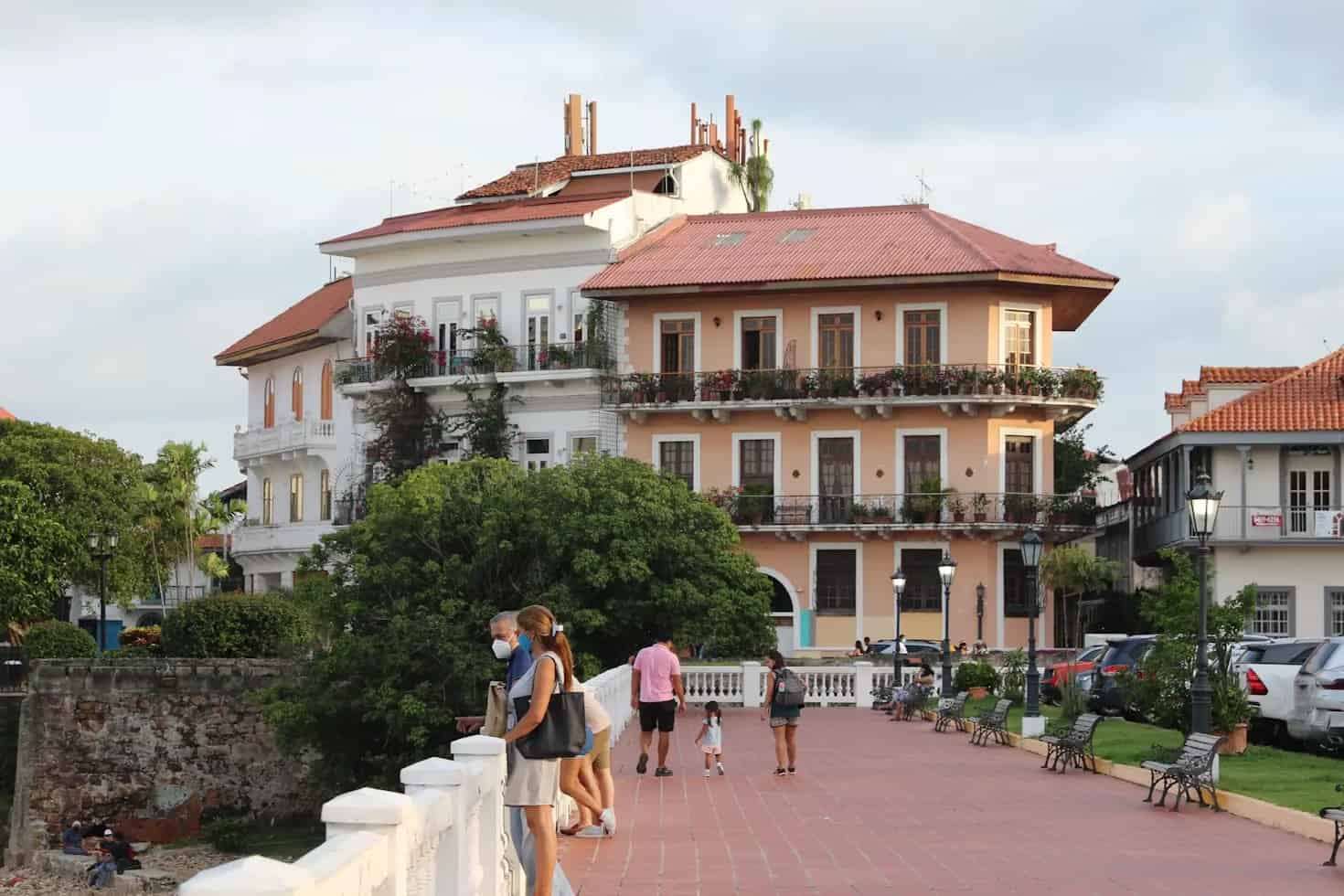
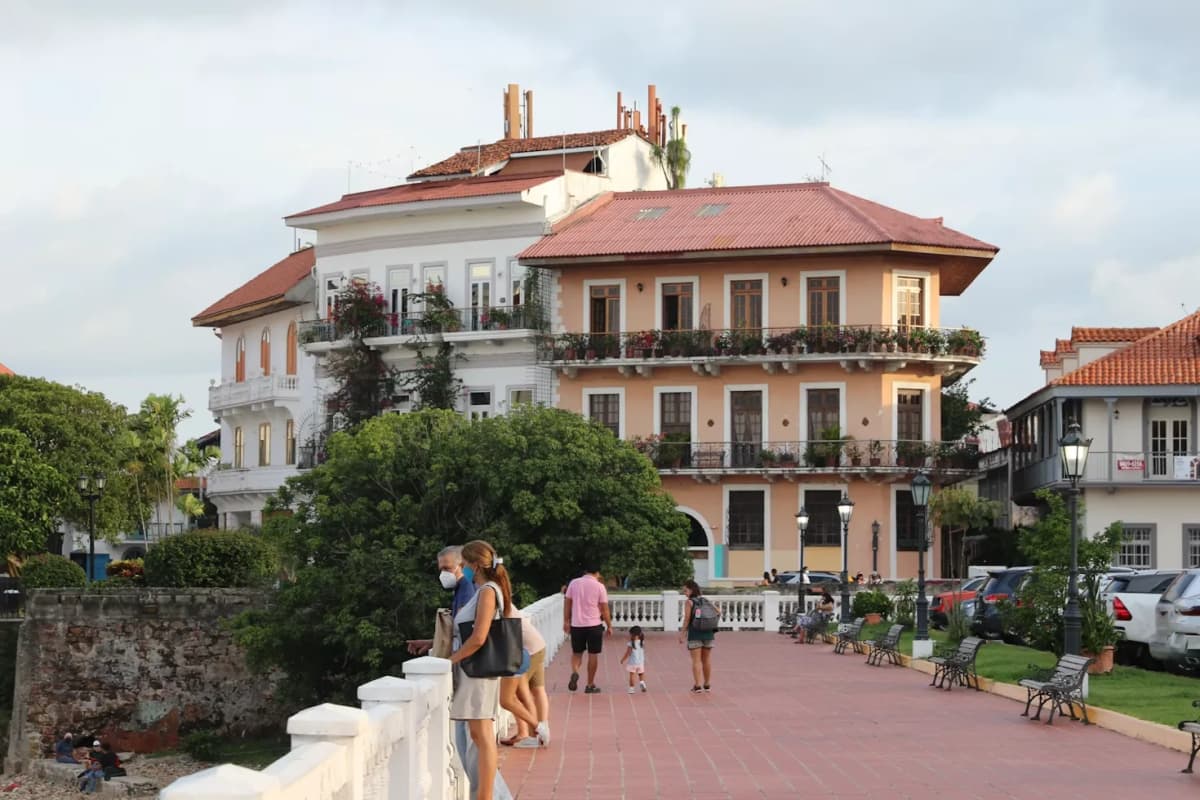
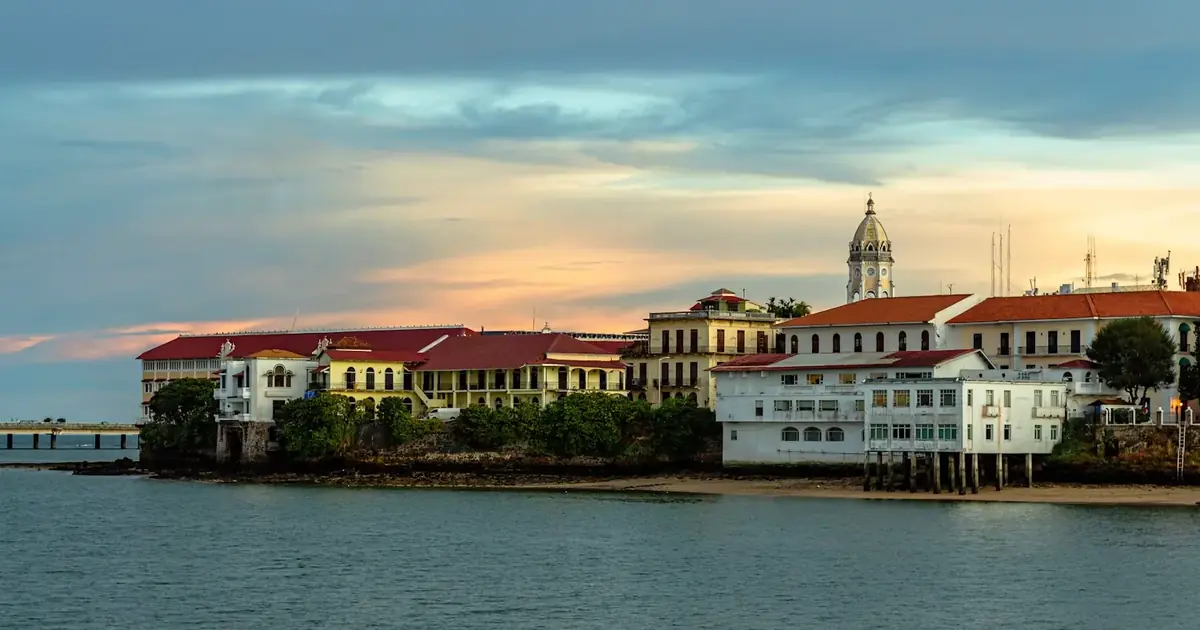
The skyline rivals Miami. Avenida Balboa, the main waterfront strip in downtown Panama City, is lined with skyscrapers, designer condos, bike lanes, and green parks. Walk through the historic district of Casco Viejo, and you’ll find restored colonial architecture, cool street life, and some of the best international food scenes in Latin America.
On that note, Panama City is incredibly international. You’ll meet Venezuelans, Colombians, Canadians, Spaniards, Arabs, Germans, Chinese, and yes, plenty of Americans who’ve made the leap and never looked back.
When I lived in Panama City, I had rooftop dinners, US$9 Uber rides, and a fully equipped gym in my building. It didn’t feel like a downgrade from the US.
If you want a non-isolated retirement with culture, community, and comfort, Panama City might be exactly what you’re looking for.
Residency Options & How to Retire in Panama
For most people looking to retire abroad, the hardest part is just staying legally in the destination they’ve chosen. Visas can feel like a maze with proof of income, investments, language tests, renewals, red tape.
But not in Panama.
If you want to retire in Panama, the country makes it refreshingly easy.
Let’s start with the Pensionado Visa, one of the best retirement visas in the world. If you have US$1,000 per month in retirement or passive income, you qualify. That’s it.
This visa gives you permanent residency, plus discounts of up to 50% on things like medical care, flights, hotel stays, restaurants, and utilities. There’s no minimum time in-country required, just one entry every two years to protect your status. And yes, this visa can lead to citizenship after five years. But this can be a little complicated because naturalization requires the president’s sign-off. Yes, they take citizenship seriously here.
Then there’s the Friendly Nations Visa. If you’re not quite retired or don’t have a fixed monthly income, this is the better option, especially if you plan to purchase a home in Panama regardless. To qualify, you just need to meet one of these three criteria:
- Start a business and employ yourself
- Invest US$200,000 in Panamanian real estate
- Deposit US$200,000 in a local bank account
Each path starts with two years of provisional residency, a temporary permit, and then converts to permanent residency. You can apply for citizenship after five years of permanent residency.
If you'd prefer to buy a home and become a permanent resident upon approval, look at the Qualified Investor Visa, Panama's golden visa. Since Decree 17 took effect in September 2026, a new home bought first-hand from its developer qualifies at a lower tier, and a resale home needs a higher minimum. If you signed a property contract in Panama before September 16, 2026, you can file under the old rule until about mid-March 2027. Our guide to Panama's golden visa covers each tier and how the three routes compare.
Compared to Spain, Portugal, or even Costa Rica, Panama’s immigration process is cleaner, faster, and designed for Americans.
We help clients through this process every week. If you want help choosing the right path, setting it up legally, and handling the paperwork, book a Freedom Consult. We’ll walk you through every step and all your available options.
Safety & Stability in Panama
Let’s be honest: Poor safety during retirement is a dealbreaker. You can have the best beaches, the lowest taxes, and the prettiest sunsets, but if you don’t have peace of mind, what’s the point at the end of the day?
When you retire in Panama, you’re moving to one of the safest and most stable countries in Latin America.
Panama isn’t on the daily news for riots, coups, or crime waves. It doesn’t have the volatility of Venezuela or the political cycles of Peru. It’s a quiet, neutral country with a dollarized economy, strong ties to the US, and a government that’s heavily focused on tourism, trade, finance, and corporate business.
In fact, Panama has one of the highest credit ratings in the region and a legal system modeled on the US judiciary. The energy on the ground reflects that.
Whether I was walking around Casco Viejo at night or catching an early run along the Cinta Costera, I never once felt unsafe while living here. That’s not something I could say about every city in Latin America. And that matters.
When clients ask us where they can enjoy a peaceful, financially secure retirement without looking over their shoulder, Panama is typically one of the few countries we recommend in Latin America.
Banking in Panama
If you’ve ever tried calling your bank in the US, waited on hold for 40 minutes, gotten transferred four times, and still didn’t get an answer, you’ll love banking in Panama.
Because here? Things just work.
When you retire in Panama as a resident, you can open a local bank account, pay bills online, make international transfers, wire money to and from the States, and even talk to a human if you need help.
Panama’s financial system is built for international business. It’s dollarized (you’ll use US dollars for everything), has little currency risk (especially if you too earn dollars), and is home to dozens of reputable banks, from large regional players to global institutions.
The setup process can require a little paperwork and time. But once you're in, you’re in. Most expats who bank here describe it as what US banking used to feel like before the apps and algorithms took over.
If you work with the Freedom Files team during your residency process, we can help you set up a proper account along the way.
Taxes for Retirees in Panama
This may be the one you’ve been waiting for. And we may have saved the best for last: When you retire in Panama, your foreign income, whether from retirement, investments, rental properties, or business, is not taxed.
Panama runs on a territorial tax system, which means the government only taxes income generated inside the country. So if you live in Panama, but your money comes from outside, you pay zero Panamanian tax on that income.
Let’s break that down clearly:
- Earn dividends from US stocks? Not taxed in Panama
- Receive a US pension? Not taxed in Panama
- Get Social Security? Not taxed in Panama
- Have rental income from a Florida condo? Still not taxed in Panama
Note: Don’t forget that if you’re a US national, you must file and pay taxes annually to the IRS until you’re no longer a resident or citizen.
Because of Panama’s tax setup and with the help of credits and exclusions like the Foreign Earned Income Exclusion in the US (up to $137,300 of earned income for tax year 2027), you can often cut your global tax bill close to zero.
And if you do start earning income in Panama (say, from a local business or property), personal tax rates are still modest, much lower than US federal rates.
One change arrives in 2027: Panama's Law 526 taxes foreign passive income, such as dividends and interest, at 15% in companies without economic substance in Panama. The tax falls on companies, so if you plan to own foreign investments through a Panamanian company, give it substance, such as an office and business activity in Panama.
Bottom line? Panama isn’t trying to take your money. In fact, the system is structured to let you keep more of it. What a refreshing dynamic.
When our clients retire in Panama, many tell us the same thing: They feel like the game finally changed. Like they stopped playing defense and started winning.
If you want to explore your retirement dreams in Panama or any other location, the Freedom Files can help you identify the right jurisdiction for your goals, find the right immigration pathway for your circumstances, and help you relocate easier and more seamlessly than you can imagine. To get started, check out more information about how to retire in Panama or book your Freedom Consult to get started.
Video Transcript
Click to read the full transcript
Video Transcript
Click to read the full transcript
Why have 24,881 Americans retired to this small Latin American country? Because here, your money stretches way farther. Healthcare won't bankrupt you, and you could legally pay zero in taxes. It's not Costa Rica. It's not Mexico. It's not even Uruguay. But it might be the smartest move you'll ever make. Today I'm walking you through nine reasons tens of thousands of US retirees are subtly moving to Panama. Let's start with the number one reason retirees are ditching the US for Panama. Your dollars just go way further here. US retirees are being forced to downsize into bland suburbs or postpone retirement 5 10 years entirely. Why? Because basic living has become a luxury. In Panama, you could cut your monthly expenses in half and upgrade your lifestyle in the process. Full-time monthly maid service for less than what you'd pay for lunch in New York City. Walk into a beachside cafe and get fresh ceviche, a cold beer, and a bill for $450. 50 to 75% cheaper rent if you're comparing American cities with Panama City. No, you don't have to live in the jungle to get these prices. In fact, we just helped a couple find a two-bedroom ocean view apartment in Panama City with a modern kitchen, a pool, a gym, doorman, and concierge for $1,400 a month. I live just down the street from that apartment in Punta Padija, and I'd walk the prominade every morning past some flashy multi-million dollar yachts for free. Good luck finding an equally beautiful apartment for triple that in Miami. More cash left over means more travel, grandkids, hobbies, or just not worrying about money every time you open your banking app. A lot of our clients see this move as an escape from the rigged system and into one that rewards you for playing smart. But cost is just one reason Americans are moving here. It gets even better when you see where you're truly living. Let's talk about Panama's stunning geography and why you don't have to choose between mountain views and beach sunsets. Let's be candid, most places make you choose either the beach or the mountains, right? The peaceful countryside or the buzzing city. But Panama is a rare country that gives you all of it within a few hours of each other. Love the ocean and water sports? You have two coasts, Pacific and Atlantic, with warm water year round and beach towns where locals truly say hello and $2 fresh ceviche is the norm. Prefer the mountain environment? Move to Bokeet there. Alv temperatures hover around 70° F. The air is clean and the views look like my computer's desktop background. Or maybe you're a city person who wants an international cosmopolitan vibe. Rooftop cocktails, quasi Michelin dining. We're waiting on those stars. Private hospitals and monstrous ships crossing the Panama Canal. Yep, Panama City delivers that and then some. What makes this setup so rare is how connected it all is. One country, three completely different lifestyles. I spent nearly a year bouncing between all three. Surfing in Pao, hiking the cloud forest of Bokeete, and in a high-rise overlooking the Panama City skyline. And I'll tell you this, it never felt like I had to choose between them. Panama lets you design your retirement around your circumstances and goals. If you're curious which region of Panama fits your lifestyle best, we included a few top expat destinations in our how to retire to Panama guide linked below. Now, let's talk about another potential upgrade. Health care that won't bankrupt you. I know this leaves a lot of Americans up at night. Health care. In the US, even with good insurance, you're one hospital visit away from a second mortgage. In Panama, health care feels reasonable. You'll find worldclass hospitals, many of them affiliated with US institutions like John's Hopkins or the Puna Pacifica Hospital, which is considered the most technologically advanced in Latin America. Of course, you want to know the cost because world-class care doesn't sound cheap, right? But good news, it is. A private consultation with a specialist might cost you $50. Emergency room visits are anywhere from $30 to $200. Labs, imaging, even surgery, all dramatically cheaper than in the states. And if all these statistics weren't enough, private providers, who also have plans starting at just a few hundred bucks a year, a year, not a month, offer retirees discounts of up to 25% on healthcare expenses. No, Medicare doesn't cover you abroad, but you might not miss it. Okay, so you've got an affordable lifestyle, beautiful geography, and good affordable healthcare, but none of that counts if you can't get here easily, right? Let's talk about how connected Panama really is. What good is paradise if it's 22 hours and four layovers away? I'm looking at you, Thailand. Panama is one of the most connected countries in the Western Hemisphere thanks to the hub of the Americas and direct flights to Canada, Europe, Latin America, 18 major cities in the US and as far as Istanbul. Whether you're flying in friends, grandkids, or just popping back to the US for a visit or on business, Panama is not some remote island where getting home needs a 17-hour ordeal, sleeping pills, and a neck brace. Now, let's talk about what life truly feels like once you're here. Especially if you land in the beating heart of it all, Panama City. Panama City is not a sleepy flip-flop beach town. It's a cosmopolitan capital often described as the Miami of Central America. You've got skyscrapers on Aita Baloa and colonial charm in Costco Viejo. rooftop bars and rainforest hikes, private hospitals, international schools, craft cocktails, five-star dining and worldclass gyms, old food style supermarkets in the upscale and newly designed SA dee and a sushi scene that's truly shockingly good. Panama City is an international melting pot. You'll meet Venezuelans, Colombians, Spaniards, Chinese, Arabs from the Middle East, Canadians, Germans, and yes, a whole lot of Americans. English is widely spoken and the city caters well to newcomers, business people, and seasoned expats. So, if you're worried about missing conveniences like Amazon deliveries, Uber, or your go-to organic almond milk, almonds don't have utters, don't. It's all here. You get the vibrancy of a global city without the crime rates or drug crises, the cost of San Francisco, or let's say, the flavor of American politics. When I lived in Panama City, it didn't feel like I was giving anything up like it can in many other parts of the world. I had fiber internet, rooftop dinners, Uber rides under $10, and a modern complete gym in my building. Rarely did I feel as if I was in a life downgrade here. And none of this counts if you can't legally stay in Panama for more than 180 days. So, let's talk about residency in Panama and why it's one of the easiest countries to relocate to in the entire region, especially for retirees. Okay, get ready for this. I'm not making this up. I've spent significant time in the country, and the polls back me up, too. Gallup Global Well-being Index ranked Panama the happiest country in the world. Panama isn't just beautiful and affordable, it's welcoming, too, of foreigners. Panama rolls out the red carpet specifically for Americans. And here's how. The Pension Now visa is a favorite among retirees. If you have a monthly income of just $1,000, like social security, retirement income, investment dividends, etc., you qualify. And Panameanian Retirement comes with perks like discounts of up to 50% on health care, hotel stays, flights, entertainment, and utilities. You must only visit the country once a year to maintain your visa status. That's flexibility. Then there's the friendly nations visa designed for citizens of 50 plus countries, including the US. You're eligible if you start a local business in Panama and employee yourself, make a $200,000 bank account deposit in the country, or make a $200,000 investment in local real estate. Both options give you immediate permanent residency and start your pathway to citizenship in just 5 years, although your naturalization needs the president's sign off. In short, if you're financially self-sufficient and not trying to overthrow the government, Panama makes it really easy to stay. Plus, the process is far less painful than say Spain, Portugal, or even Costa Rica these days. The Freedom Files is here to help you through this process as well. finding the right pathway for you and your loved ones, legalizing your residency in Panama, sorting through tax implications, all of it. If you want a cheat sheet to retirement in Panama, remember it's linked below. Now, the question becomes, what kind of country are you signing up to live in? Let's talk about Panama's reputation and why that counts more than you think. Let's get one thing out of the way. Nobody hates Panameanians. Seriously, when was the last time Panama showed up in a negative headline? This is one of Latin America's most politically, economically, and socially stable countries. Very little civil unrest or daily drama. Just a country that minds its own business, plays host to international banking and trade, and doesn't try to reinvent the wheel every election cycle. Panama uses the US dollar, has a long-standing democratic system and close ties to the United States, and has one of Latam's highest credit ratings. When you walk around, you feel it. The energy is calm, respectful, and pragmatic. Is it perfect? Of course not. But remember, Panama's built around commerce, trade, and international relations, which means it has every incentive to remain safe, neutral, and open. I've lived in many parts of Latin America and Europe, where I'd think twice before pulling out my phone on the street. In Panama, whether I was walking through Costco VJO at night or along the beach in Benau, I never felt unsafe, and that counts. We've covered visas, safety, cities, and savings, but there's one more reason Panama has subtly become a retirement haven, and that's the way they do banking and taxes. Let's wrap with the two things Americans love to hate the most. Banking in Panama is what US banking used to feel like before everything required a password, two-factor authentication, a 2-hour phone call, invasive data collection, and a three-day pending period on transfers. This frustrates me thinking about it. Panama's financial system is robust, stable, and wait for it, not all up in your business. You can open a local bank account as a resident, pay bills online with ease, wire money internationally, and call customer service that truly helps. No, we're not talking about any shady offshore accounts or bond villain vaults. Panama has strong banking regulations, legitimate international banks, a good reputation, and most importantly, a US dollar-based system that avoids the currency risk that other Latin American countries have. The onboarding process takes a bit of paperwork, but once you're in, you're in. The Freedom Files can hook you up with a local account through your immigration process. Now, if Bano's banking system makes life easier, its tax system might just make you rethink everything you've ever known about retirement. You know what's better than a tax deduction? Not owing tax in the first place. Panama has a territorial tax system, which means if your income comes from outside of the country, Panama doesn't touch it. Now, let me say that again so you understand me clearly. If you earn retirement income, rental income, dividends, interest, employment income, capital gains, or any other income outside of Panama, but live here, you do not pay tax on it here in Panama. foreign earned income, regardless of how much is not taxed here. Compare that to the US, where you're taxed on everything, regardless of where you live. If you do earn income in Panama, local personal income tax rates are reasonable. This country has dozens of legal strategies to optimize your tax footprint even further. To be clear, as long as you're a US citizen, the IRS will want its cut every year. But Panama is not going to double dip. With proper planning, you can legally minimize your total global tax bill. In Panama, you live well, spend less, and retain more of what you earn. We broke taxes down a bit further in the how to retire to Panama guide linked below. But if you're serious about moving to Panama or retiring abroad more generally, book a freedom consult with us and we'll walk you through all your immigration, tax, banking, and citizenship options across the globe. This is what we do and we love it. We take on just five new clients per week. So, book while availability lasts. Thanks for watching these nine reasons 24,000 Americans have moved to Panama. If you're interested in Latin America, you might want to know more about the booming South American country of Colombia, where almost 60,000 US citizens live today. Enjoy. [Music]
 Costa Rica
 Colombia
 Mexico
 Greece
 Italy