Expats rarely regret moving to Italy or Greece. When they do, it's because they picked the wrong one for their life. Both offer the Mediterranean retirement people dream about, and both offer a 7% flat tax on foreign retirement income, but the fine print on that 7% is where the two split.
I've lived in both countries, and our team has helped dozens of Americans relocate to each. Here's what draws people to each one, what sends some of them home, and how to pick the right one for you.
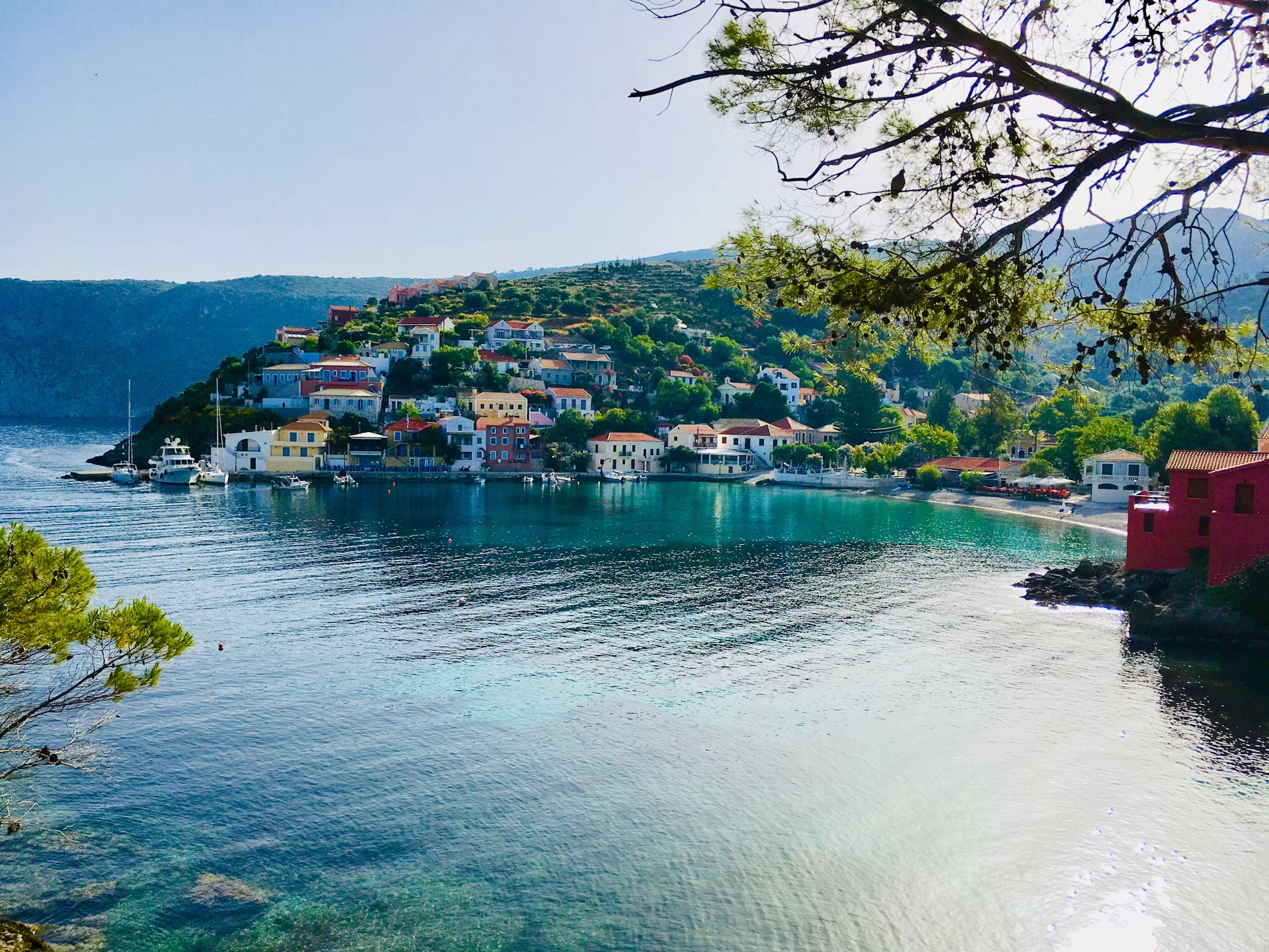
Why Americans Retire to Greece
More than 25,000 Americans call Greece home. Start with the big draw: Taxes.
Greece offers foreign retirees a flat 7% on foreign-source income for 15 years. That's not a typo. Your Social Security, your pension, your 401(k) distributions, all at 7%, wherever you live in the country. On $80,000 a year of retirement withdrawals, Greece's share is about $5,600, against Greek standard rates that top out at 44%. One piece of fine print for Americans: You file with the IRS regardless, and the Greek tax generally credits against your US bill. So the 7% caps what Greece takes. It doesn't replace what Uncle Sam takes.
The cost of living will shock you in a good way. Clients tell us they live better on $3,000 a month in Greece than they did on $6,000 in Arizona. A nice two-bedroom in Thessaloniki rents for $600 to $700 a month. Fresh fish at the market costs about $8 a pound, a 3-course taverna dinner with wine about $15, a teeth cleaning about $30. One client who moved from Denver saw her grocery bill drop from $150 a week to about $60, and she was eating better food.
The lifestyle gets people hooked. Greece is home to one of the world's blue zones, with the Mediterranean diet as daily life, not a trend, and a slower pace of long lunches and evening walks.
Safety is another plus. Greece ranks among Europe's safest countries, and I've walked around Athens at midnight feeling completely comfortable.
And Greek residency lets you live in Greece year-round, free of the 90-day shot clock there, while moving across the Schengen Area.
How to Move to Greece
You have 2 main paths.
The FIP visa, for financially independent persons, needs about €3,500 a month (around $3,800) in foreign income, from sources like pensions, Social Security, dividends, or rent. You can't take a Greek job. No investment is required. The trade-off is presence: You need at least 183 days a year in Greece. For most retirees, that's no problem.
The Golden Visa is the investment route. €250,000 buys in through a restored or converted property, €400,000 through a standard home outside the prime zones, and €800,000 if you want Athens, Thessaloniki, Mykonos, or Santorini. Here's the kicker: You get a 5-year residence permit, renewable indefinitely, with no minimum stay. That's ideal if you want flexibility and don't want Greek tax residency.
One client, Jim from Texas, took the Golden Visa route. He bought a €400,000 house on Crete with a sea view, spends his winters there and his summers in Texas, and his property has appreciated 15% in 2 years on the back of Greece's boom. He's getting paid to have European residency.
The Downsides of Living in Greece
Greek bureaucracy is legendary, and not in a good way. Plan on 3 trips to different offices for your tax number, and bring a translator to open a bank account. One client waited 6 months for home internet. Six months.
English drops off fast outside Athens and the islands. In a smaller town, you'll need some Greek, and Greek is tough: A different alphabet, and grammar nothing like English.
Infrastructure can frustrate, especially on the islands. Power outages happen, water pressure can be weak, internet can be spotty. One client's hardest adjustment was accepting island time.
Healthcare is a mixed bag. Private care is excellent and cheap, about $50 for a specialist and $100 for an MRI. The public system is overwhelmed and slow, so most expats buy private insurance at roughly $100 to $300 a month.
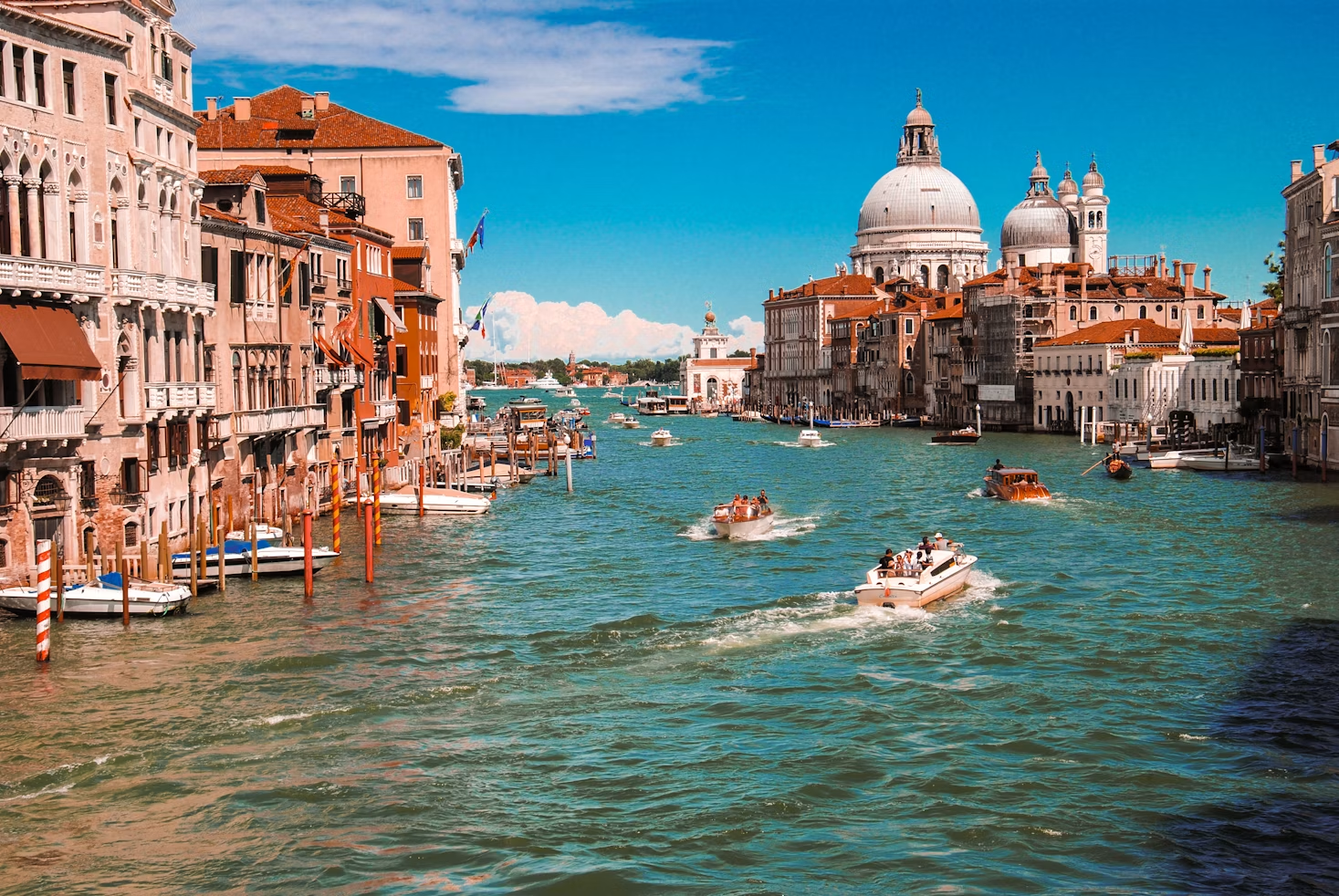
Why Americans Retire to Italy
More than 15,000 Americans have chosen Italy for retirement. I've spent a few months there over the last few years, southern Italy included, and I get it.
The lifestyle hooks people first: A morning market where vendors know your name, 2-hour lunches, dinner from 8 p.m. to midnight, and a slowdown from 1 to 4 p.m. for riposo. The pace forces you to enjoy life instead of rushing through it.
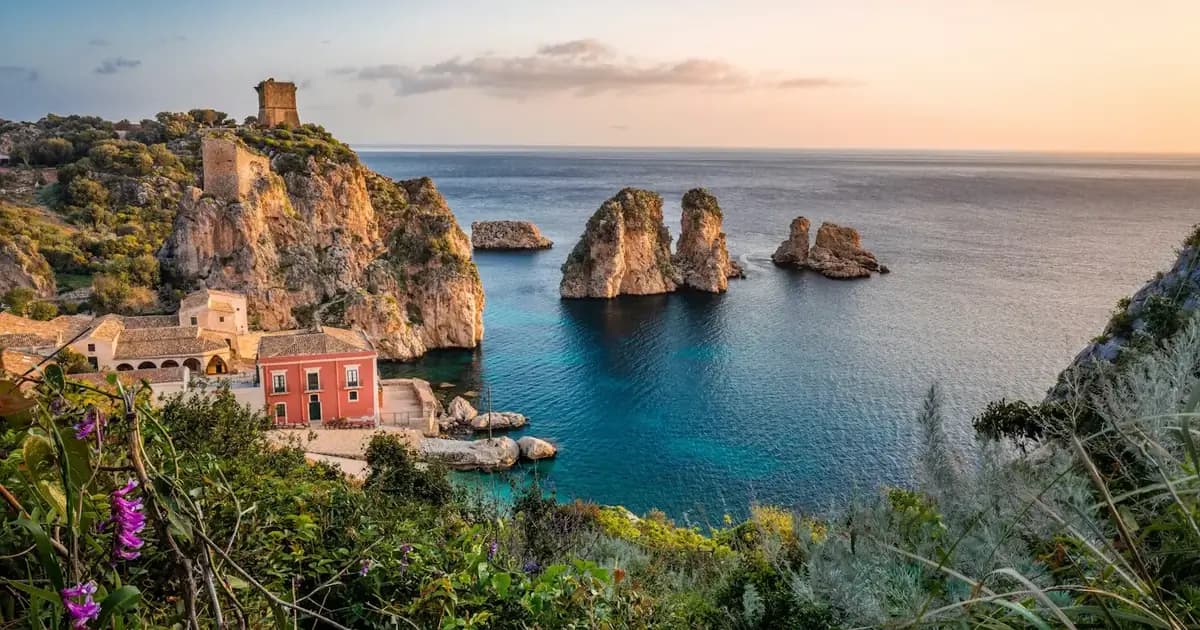
Now the numbers. Italy has a 7% flat tax regime too, with a catch: You have to live in a qualifying southern Italian town of up to 30,000 people. Think Calabria or Sicily, not Rome or Milan. It applies to your foreign pension income for 10 tax years (the year you move plus the 9 after), 5 fewer than Greece's, but it's a massive saving.
Housing in the south is the next surprise, with decent homes under $50,000. One client, Robert, bought a 3-bedroom, 200-square-meter house in Abruzzo for $35,000, and even after renovations his total came in under $100,000.
Healthcare is good and inexpensive. Italy's public system ranks in the WHO's top ten, most expats add private cover from about €40 to €80 a month, and heart surgery can cost around $50,000 instead of $150,000 in the US.
And then there's citizenship. After 10 years of legal residency, spending at least 183 days a year in Italy, you can petition for an Italian passport. If you have a parent or grandparent born in Italy, you may qualify by descent without setting foot in the country. If you read that a great-grandparent works, that's outdated: Italy's recent reform capped descent claims at 2 generations.
How to Move to Italy
The Elective Residency Visa is built for retirees. You need €32,000 a year in passive income per applicant, about $35,000, plus about 20% for a spouse, so a couple needs about €38,400. Some consulates want more. The income must come from pensions, Social Security, or investments, not a job, and you can't work in Italy on this visa. You'll secure housing before you apply, show health insurance, and prove your income is stable. Permanent residency comes at year 5.
The Investor Visa takes €250,000 in an Italian innovative startup or €500,000 in an established company. It's a 2-year permit that renews for 3 years, with permanent residency available at year 5. The upside: You don't have to relocate or spend any days in Italy, so no forced tax residency, and you can go on working. And you commit the money only after approval, a feature almost no other European golden visa offers.
One client, Lisa from Oregon, put €250,000 into an innovative wine startup in Tuscany. She got her residency, earns about 8% a year, and gets cases of wine shipped to Oregon, because she never moved. I can't argue with that.
The Downsides of Living in Italy
Italian bureaucracy makes Greek bureaucracy look efficient. Your codice fiscale, the tax ID, should take an hour and might take 3 trips. Opening a bank account can require a translator. Immigration, oddly, moves fast: Consulates process complete elective residency files in 30 to 60 days.
The 7% regime is restrictive. Want Rome, Florence, or Milan for more than 6 months a year? You'll pay standard Italian rates, which top out at 43%. For anyone dreaming of Tuscan vineyards or Lake Como, that's a dealbreaker.
Language is a bigger barrier than most people expect. In my experience, Italians are less patient with foreigners than Greeks are, though Italian is far easier to learn than Greek.
Costs vary wildly by region. Northern Italy can rival Switzerland. A one-bedroom in Milan costs about $2,000 a month, against $400 in Calabria or Puglia. And in the south, infrastructure can test you: Power outages, slower internet, unreliable public transport. One client said moving from Boston to Basilicata felt like stepping back 20 years.
Greece or Italy: Which One Fits You
Choose Greece if you want maximum tax savings and flexibility. The 15-year, 7% flat tax works anywhere in the country, Athens and the islands included. The Golden Visa needs zero days a year, which is perfect if you split time between the US and Europe. Greece is also slightly cheaper overall, with the laid-back island life many of our retiree clients crave.
Choose Italy if citizenship counts for you and you don't mind geographic limits. For a retiree who moves on a passive-income visa, Italy's clock is 10 years, against 12 on Greece's FIP. (The Greek Golden Visa reaches the petition at year 7, but you'll need B1 Greek to get through it.) And the food is arguably better.
For pure financial optimization, Greece wins. For long-term EU integration and citizenship, Italy takes it. And both beat retiring in Florida on cost of living and lifestyle.
Video Transcript
Click to read the full transcript
Video Transcript
Click to read the full transcript
I'm not going to lie to you. Expats rarely regret moving to Italy or Greece. But when they do, it's because they picked the wrong one for their situation. I've lived in both of these countries. I've helped dozens of Americans relocate to each. And I've seen what draws people to each destination. Why they pack their bags and leave. Both offer that romantic Mediterranean retirement straight out of a dream. But here's how to pick the right one for you. Let's break down Greece first. So, why are over 25,000 Americans calling Greece home? Let me break down what makes the country so attractive and what might drive you absolutely crazy. Let me start with the big one, taxes. When I first learned about Greece's tax deal, I thought it was too good to be true. Candidly, Greece offers a flat 7% tax rate on your foreign retirement income for 15 years. That's not the typo. Your social security, your pension, your 401k distributions, all taxed at just 7% regardless of where you live in the country. Think about this for a second. If you're pulling $80,000 a year from retirement accounts and paying 22% in the United States, that's about $17,000 in taxes. In Greece, just $5,000 in taxes. The cost of living in Greece will shock you in a good way. I've had clients tell me they're living better on $3,000 a month in Greece than they were on $6,000 a month in Arizona. Here's what I mean. A nice two-bedroom apartment in Teslaniki goes for about $600 a month, $700 a month. Fresh fish at the market, maybe eight dollar a pound. A three course dinner at a local Terma with wine, 15 bucks. Getting her teeth clean, 30 bucks. When her client Sarah moved from Denver to CIT, she said her grocery bill dropped from $150 per week to about $60. And she was eating way better food as well. The lifestyle is what really gets people hooked. Greece is one of those blue zone places where people live longer and healthier lives. The Mediterranean diet isn't just trendy here. It's how everyone truly eats. Fresh olive oil, fish, vegetables, minimal processed food. Plus, the pace is slower. People take time for long lunches, afternoon naps, socialization, evening walks. Safety is another huge plus. Greece ranks as one of the safest countries in Eastern Europe. and and Europe in general. I've walked around Athens at midnight and felt completely comfortable. Violent crime is rare. You're more likely to get invited to someone's house for dinner than being robbed. And here's a perk most people don't think about. With Greek residency, you get access to all 27 Shenhen countries visa-free. If you want to spend a month in Italy, no problem. Week in Germany, go for it. So, how do you move to Greece? Cuz this all sounds great, right? You've got two main paths here, and they're pretty straightforward, candidly. Option one is the FIP visa. That stands for financially independent person. You need about €3,500 per month in passive income. That's around 3,800 bucks. And it has to come from pensions, social security, investment dividends, rental income, not a job. The upside is that there is no investment required. The downside is that you must spend at least 183 days per year in Greece to maintain the visa. For most retirees, that's not a problem. Option two is the golden visa. Invest €250,000 in a property that needs renovation or €400,000 in a regular residential property in low density areas. If you want to live in Athens or on popular islands like Muconos, you're looking at €800,000 for the threshold. But here's the kicker. With the Golden Visa, you get immediate permanent residency with zero stay requirements. You can spend 10 days a year in Greece and retain your residency. This is perfect if you want flexibility and you don't want tax residency in the country. One of our clients, Jim from from Texas went the Golden Visa route. He bought a a 400,000 euro house on Cree with a C view and he spends winters there and summer's back in Texas. His property has appreciated 15% in just 2 years because of the boom Greece is going through. So, he's basically getting paid to have European residency. Now for the stuff that drives people crazy about Greece. Bureaucracy is legendary and not in a good way. Simple tasks that should take an hour can take all day. Getting your tax number, plan for three trips to different offices, opening a bank account, bring a translator, and and some patience. One client told me it took 6 months to get internet installed at her house. 6 months. She was using her phone's hotspot to work from home for half a year because the bureaucracy moved so slowly. English proficiency also drops pretty fast outside tourist zones. In Athens and the islands, you'll get by fine, but move to a smaller town and you're going to need some Greek, and that language is tough. It's got a completely different alphabet, and grammar structure that's nothing like English. The infrastructure can also be a a little frustrating, especially on the islands. Power outages happen, water pressure can be weak, internet can be spotty. Don't expect everything to work like it does back home. Our client Maria uh said the hardest adjustment for her was accepting that island time meant things happen when they happen, not when you want them to like they might in the US. Healthcare is also kind of a mixed bag. Private healthcare is excellent and cheap. You'll pay $50 to see a specialist, $100 for an MRI, but the public system is overwhelmed and slow. Most expats get private insurance, which costs about a hundred to to $300 per month and gives you access to good doctors and and hospitals. Now, let's flip over to Italy and see how it compares. Okay, now a country that over 15,000 Americans have chosen as their retirement home. And candidly, I get it. I've spent a few months in the country the last few years and really enjoyed my time there, even in the fabled southern Italy. But Italy offers something that Greece doesn't. And we'll get into that in a second. So, let me start with the lifestyle because I think that's what hooks most people. Imagine walking to the local market every morning, chatting with the vendors who who know your name, buying tomatoes that taste like what tomatoes should taste like. Our clients consistently tell us the quality of life in Italy feels more intentional, more connected than they had ever even expected. The food culture alone changes how you live. Italians don't grab fast food for lunch. They settle in for 2 hours. They enjoy organic meals. They talk with friends. Dinner starts at 8:00 p.m. and goes late until midnight. And everything slows down between 1 and 4:00 p.m. for Reposo. The pace forces you to enjoy life instead of rushing through it. I I personally love this model for our expat retirey clients. But let's talk tangible numbers as well. Italy has a 7% flat tax regime. Same as in Greece, but with a catch. You have to live in a southern Italy town with fewer than 20,000 people. Think Calabria or Sicily, not Rome or Milan. The tax rate applies to retirement income for 10 years, which is five years shorter than Greece's special tax regime, but it's massive savings and together with the US Italy double tax treaty could reduce your taxes to minuscule amounts. Here's what really surprised me about southern Italy. You can buy decent homes for under $50,000 and fixer uppers for even far less. Not kidding. Our client Robert bought a a three-bedroom 200 square meter house in Abbruto for $35,000. I think it needed work, but even after renovations, his total investment came in under $100,000. Try finding that anywhere in the US. Healthcare in Italy is good and cheap. Private insurance costs about $150 to to $300 per month and gives you access to top tier doctors. An MRI costs 200 250 bucks. heart surgery, maybe $50,000 here in Italy instead of $150,000 like what it would cost in the US. Plus, the preventive care mindset means doctors truly spend time with you. But don't expect this universally throughout the country. The big advantage Italy has over Greece, in my opinion, citizenship. After 10 years of legal residency in the country, meaning 270 or or more days a year, which is different than most countries, 180 days a year, you can become an Italian citizen. That's an EU passport that opens doors everywhere in the region. And if you have Italian parents, you might qualify for citizenship by descent without even setting foot in the country. And just a heads up here, if you read somewhere on the internet or hear through a friend that this law permits descent from even farther back, that's outdated information after Parliament passed a new law earlier this year. If all this sounds great, how do you move to Italy? Well, Italy gives you two main paths, and both are pretty achievable. We've broken this down in another video, and we'll link that at the end of today's as well. The elective residence visa is perfect for retirees. You need €32,000 per year per applicant, although this varies from consulate to consulate in passive income. That's about $35,000. For couples, it's roughly €62,000. This has to come from pensions, social security, investments, not active employment. But you can't work on this visa, which is candidly perfect for retirees. The process is straightforward, but requires planning. You need to secure housing before you apply, show health insurance in the country, prove your income is stable, etc. All requirements the Freedom Files team can help you with. But once you're approved, you get a renewable residence permit that leads to permanent residency after 5 years. Okay. Option two is the Italian investor visa. You must invest €250,000 in an Italian startup or €500,000 in an existing business. This gives you a 2-year visa that renews for another 3 years. And after 5 years, you can apply for permanent residency just like the elective residence visa. The upside here, one, you're not restricted to just passive income. Two, you do not need to relocate to Italy nor spend any time there to maintain your visa, which means no required tax residency. Three, you can continue working if you so please. And finally, four, you don't even have to make the investment until you're approved for the residency, which reduces major risk. No other European Golden Visa program offers this feature. So, I think it's pretty it's pretty cool. One of our clients, Lisa from Argon, took the investor visa route. She put $250,000 into a innovative wine startup in Tuscanyany. Not only did she get residency for her investment, but she's also earning about 8% returns annually and gets cases of amazing wine delivered to her door in Oregon because she didn't move. She jokes that the wine alone makes the investment worth it. And I I I can't disagree. Okay, so now you know the pros and the legal paths of moving to Italy, but what about the downsides? Because we're jurisdiction agnostic over here. We always report the cons as well. No place is perfect, and Italy is no exception. Italian bureaucracy makes Greek bureaucracy look efficient. I'm I'm not exaggerating here. Simple tasks can take months. Getting your kodise fiscal, I definitely did not pronounce that right. Your your tax ID should take an hour but might take three trips to different offices. Opening a bank account can require a translator. But surprisingly, Italian immigration offices move very quickly. You can get approved for either the elective residence visa or the investor visa in just 4 to 12 weeks. The 7% flat tax has major restrictions. This is another con. You must live in southern Italy in small towns. If you want to live in Rome, Florence, or Milan, and spend more than 6 months here, you're going to pay regular Italian tax rates, which can hit 45% or higher. This geographical restriction can be a dealbreaker for many people who dream of Tuscan vineyards or or Lake Ko. Another downside, language is a bigger barrier than most people, I think, expect. Italians are not as patient with foreigners as Greeks are, at least in my experience. So, you'll struggle in daily life without a little basic Italian, but it's much easier to learn the Greek. Cost of living varies also dramatically by the region. Northern Italy can rival Switzerland in expenses. A one-bedroom apartment in Milan will cost you 2,000 bucks u a month. Compare that to $400 a month in Kaia or Pulia in the south. And if you relocate to southern Italy for the tax and cost savings, understand that infrastructure can be a little bit frustrating as well. Power outages are common, internet speeds are a little bit slower, public transportation is a little bit more unreliable. One client told us uh moving from Boston to Basilicata felt like stepping back 20 years in terms of basic services. Now, here's my personal take on which country might be right for you. Before I share my candid opinion after living in both countries and helping hundreds of Americans make this choice as well, drop a comment down below. I'm I'm curious what you guys think of both of these options. Which which grabs your attention more? Choose Greece if you want maximum tax savings and flexibility. That 15-year, 7% flat tax rate is unbeatable in my opinion, and you can live anywhere in the country, Athens, the islands, wherever. The Golden Visa gives you permanent residency with zero stay requirements. Perfect if you want to split time between the US and Europe or slow travel the world for all that counts. Greece is also slightly cheaper overall, at least in my opinion, and has that laid-back, organic island lifestyle that many of our retirey clients crave. On the other hand, choose Italy if citizenship counts for you and you don't mind geographic restrictions. That EU passport after 10 years opens doors worldwide. You'll have the ability to live, work, study, and get treatment in not only Italy, but also 27 member states of the European Union. The culture feels a little bit more sophisticated. The the food is arguably better and you're closer to the rest of Western Europe and your home in the US. But here's the catch. Italy forces you into those small southern Italian towns for the tax benefits. If you're dreaming of Tuscan vineyards or Lake Ko, like I said before, you'll pay regular tax rates which can hit 50%. Greece lets you live wherever and retain that 7% rate on your retirement income. So, if you're an American citizen, you'll you'll be stuck paying your US taxes, but with a small foreign tax credit on top. For pure financial optimization, Greece wins in my opinion. For long-term EU integration, and potential citizenship, Italy takes it. But both beat retiring in Florida on taxes, cost of living, and lifestyle, and probably whatever else you're thinking about. Give us a holler if you're considering a move abroad, and we'll get you started down the right path. It's simpler and less stressful than you think. We promise if Italy's citizenship path caught your attention, check out our complete breakdown of Italy's immigration options on your screen. We cover the elective residence visa and the investor visa in more detail.