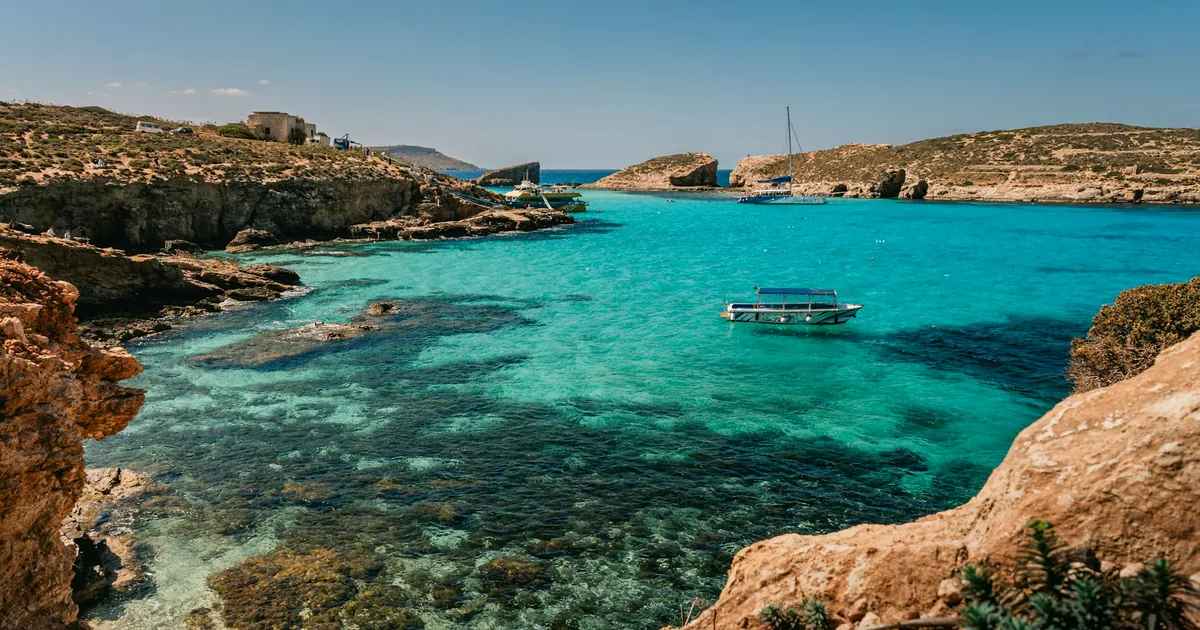
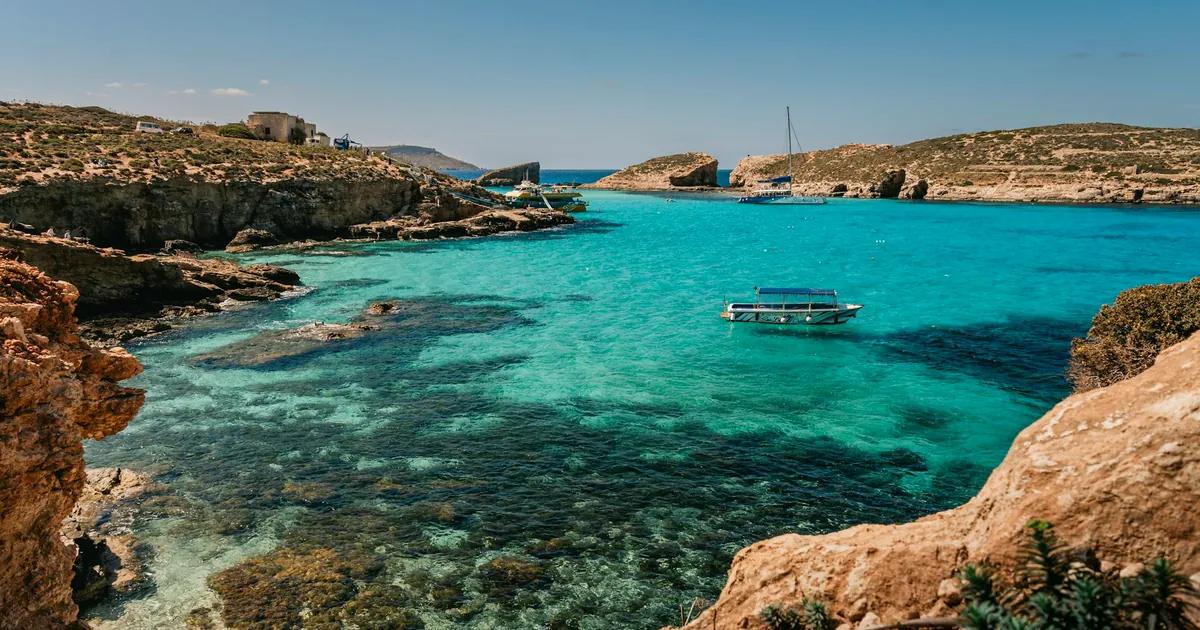
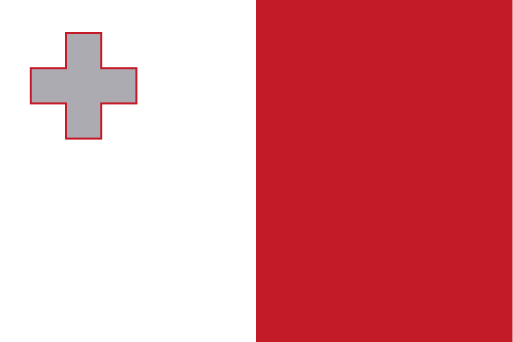
 Malta
In this article
If you want a home base in Europe that asks nothing of your calendar and a tax system you can opt into later, Malta is one of the few countries that grants permanent residency for renting an apartment. Rent a home there for €14,000 a year, show the government you have the means, and you get residency for life with no minimum number of days in the country.
For anyone who wants to move to Malta from the US, or simply wants the option to, I think Malta's permanent residency is one of the cleanest Plan Bs in Europe, and it's one of four doors. Malta offers permanent residency, a discretionary route to European Union (EU) citizenship, a citizenship claim by descent, and a tax system that rewards new residents who plan. Let me explain.
- Residency for Life: The Malta Permanent Residence Programme (MPRP) gives you permanent EU residency for a €14,000-a-year lease or a €375,000 home, plus about €99,000 in government payments you don't get back.
- No Move Required: You don't have to spend a single day a year in Malta to maintain your residency, and one application can cover four generations of your family.
- Citizenship by Merit: Malta grants EU citizenship at its discretion to people with something exceptional to offer, usually within 18-24 months and with two trips to Malta.
- Citizenship by Descent: If you descend from someone born in Malta whose parent was also born there, you may be able to register as a citizen without living there, but the rules tighten on August 1, 2028.
- Taxes Only If You Move: Residency alone doesn't make you a Maltese tax resident, and if you do move, Malta taxes most foreign residents only on the money they bring in.
An English-Speaking Corner of the EU
Most people we speak with couldn't point to Malta on a map. It lies in the middle of the Mediterranean, about 60 miles south of Sicily, with North Africa farther south. The country is three inhabited islands with nearly 590,000 people, and at about 122 square miles, the whole of it is smaller than the city of Philadelphia.
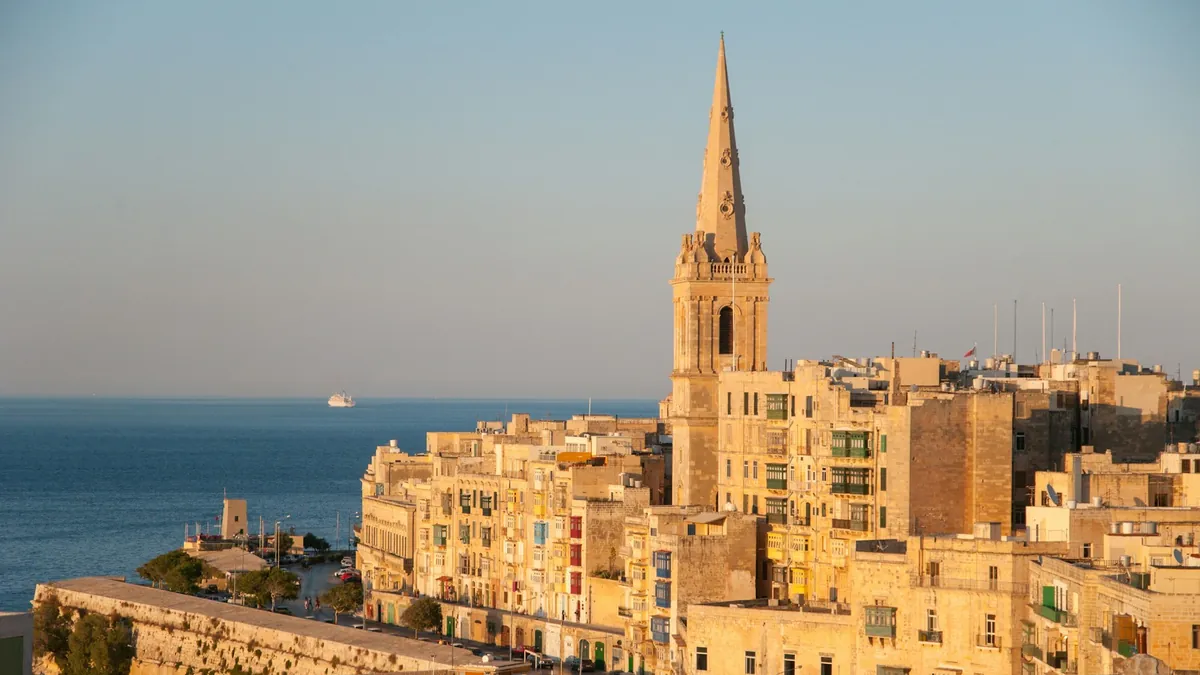
The main island, also called Malta, is where most people live and work, with Valletta as the capital. Gozo, the second island, is about 25 minutes away by ferry. It's greener and slower, with more farmhouses than office towers, and a home on Gozo qualifies for permanent residency on the same terms as a home on the main island.
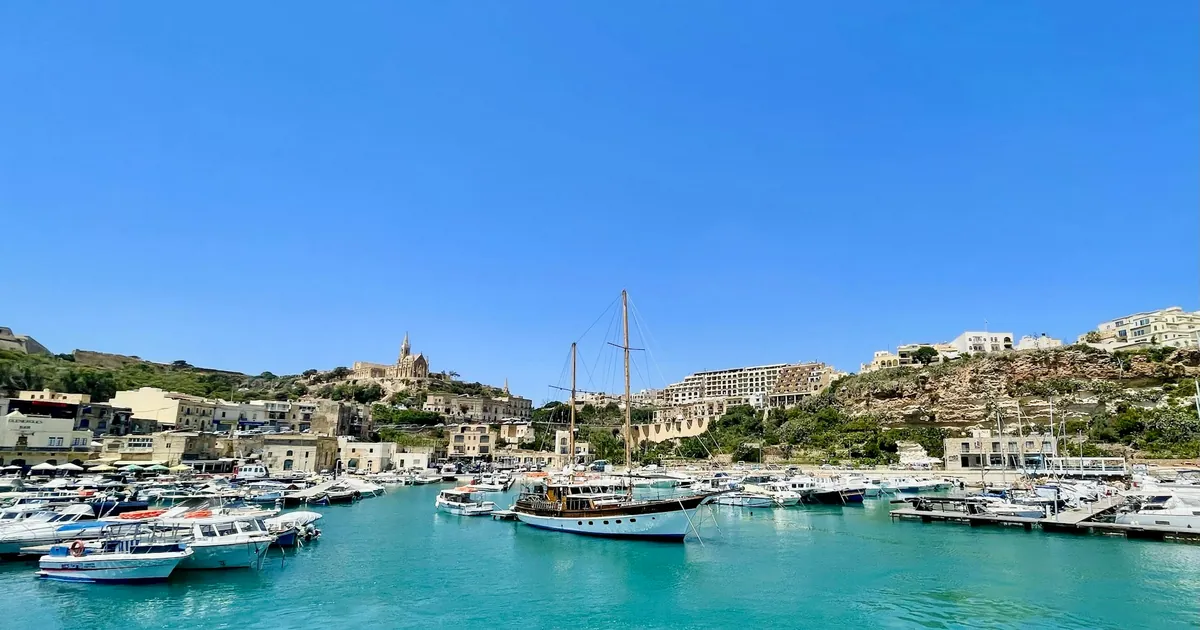
Malta's history explains why it works so well for foreigners today. The Knights of Saint John governed the islands for more than 250 years and built Valletta from the ground up. Then the British governed Malta for more than 150 years, until independence in 1964.
The British chapter left four things you'll notice: English as an official language, a legal system with British roots, a business culture that feels familiar to Americans, and cars on the left side of the road. Malta then joined the EU in 2004, the Schengen Area by 2008, and the euro in 2008.
So you get a European country where contracts, banks, doctors, and schools work in English. When we scored destinations for our Expat Almanac, Malta outranked Italy, Greece, Spain, Portugal, and France, the favorites of most expats.
Our clients also point to the pull factors you'd expect from the Mediterranean: About 3,000 hours of sunshine a year, mild winters, fresh fish from the harbor at Marsaxlokk, and the sea a short drive from anywhere on either island.
Flights from Malta reach most European capitals in two to three hours, and Delta began a seasonal nonstop from New York's John F. Kennedy International Airport (JFK) in 2026, about 10 hours each way. The rest of the year, plan on a connection in Rome, Frankfurt, London, or Paris.
Families with children will find English-language schooling across the private system, including two International Baccalaureate (IB) schools and the Quality Schools International (QSI) school in Malta, which teaches a US curriculum. Children of permanent residents don't get free places in state schools unless a parent has a Maltese work permit.
Many Clients Want Malta as a Plan B
Four kinds of people make up most of the Malta interest we see on the blog and the YouTube channel. Investors who care about tax efficiency like the remittance basis, and high-net-worth families want a permanent base in Europe. A smaller group has something exceptional to offer and wants EU citizenship sooner than the five to 10 years most countries ask you to live there first.
The fourth group is the most common among our clients. For many of them, Maltese residency is a Plan B: A home in Europe they may not need, in English, with a tax system they can opt into later if they move. Most won't need it, and that's the best outcome.
The Malta Permanent Residence Programme Lasts for Life
Residency is the legal right to live in a country without being a citizen, and permanent residency means that right doesn't expire. Malta's version is among the cleanest in Europe. You become a permanent resident upon approval, with a certificate that doesn't expire, and only your residence card renews, once each five years.
Permanent residency gives you the right to live in Malta and to travel in the rest of the Schengen Area for up to 90 days in any 180, which your US passport already gives you. To work for a Maltese employer you need a separate work permit, but you can set up a company of your own.
There's no minimum number of days you have to spend in Malta, and no temporary stage to graduate from. The program comes down to four things: A capital test, a home, the government payments, and the process, and most of the confusion online starts with these four.
The Capital Test Is Proof of Means
Before you invest or donate anything, Malta wants proof that you can afford it. You show €500,000 in total assets with at least €150,000 of it in financial assets (cash, stocks, bonds, or funds), or €650,000 in assets with at least €75,000 in financial assets.
Your home can count toward the total, but crypto doesn't count at all. You maintain that level for the first five years of your residency. The money remains yours: Malta only needs to see it.
Buy a Home from €375,000
On the purchase route, you buy a home in Malta or Gozo for at least €375,000 and own it for at least five years. You can rent it out from the day you buy it, so it can earn income while you live somewhere else.
Rent from a Maltese property is Maltese income, so Malta taxes it, and owners can elect a flat 15% final tax on the gross rent.
Budget for purchase costs on top of the price, mainly a 5% stamp duty paid by the buyer, plus the cost of the deed. After year five you can sell, for more or less than you paid, as long as you maintain an address in Malta.
Americans and other buyers from outside the EU need a government permit to buy most property in Malta, with a minimum price set for apartments and houses. The exception is a Special Designated Area (SDA), a group of approved developments, often with a marina, a pool, or a waterfront, where a foreign buyer needs no permit and can buy more than one home and rent it out.

Rent a Home from €14,000 a Year
On the rental route, you lease a home in Malta or Gozo for at least €14,000 a year, which works out to about €1,170 a month. Malta's Housing Authority has to approve the lease, and our Malta team arranges that approval. You maintain the lease for five years, at least €70,000 in rent in all.
Most guides skip one condition. During those first five years, you can't sublet the home. Think of it as your own apartment in Europe, yours to use whenever you're in Malta.
After year five, you have options. You can end the lease and move to a smaller, cheaper place, or sublet the home to someone outside the permanent residency program. The one thing you can't do is give up an address in Malta, because you need one, rented or owned, for as long as you want permanent residency.
Many guides online quote €300,000 for a purchase or €10,000 a year in rent for homes in the south of Malta and on Gozo. That discount ended in 2025. If you see those numbers, close the tab.
Four Generations on One File
The family rules make this program rare in Europe. One application can cover your spouse or partner and your unmarried children up to age 28 who depend on you financially, plus dependent parents and grandparents, yours or your spouse's, at any age.
Compare that to Portugal's Golden Visa, which covers children up to 26 and parents over 65 or dependent on you, or Greece, which covers children under 21. Very few programs anywhere let you put a grandparent on the file.
Your spouse or partner and your children under 18 add no administrative fee. Each other adult dependent adds €7,500, and each person pays for a five-year residence card. You can also add family members later with a separate application.
Where the €99,000 Goes
The government's €99,000 comes in three parts, and the same amount applies whether you rent or buy. A €60,000 administrative fee is paid in two parts, €15,000 within a month of filing and €45,000 within two months of approval in principle (the government's conditional yes). A €37,000 government contribution and a €2,000 donation to a registered Maltese charity are due within eight months of approval in principle.
None of that €99,000 comes back, whether you're approved or refused. The administrative fee was €40,000, then €50,000, and now it's €60,000. Fees in residency and citizenship move in one direction, so a family that has decided on Malta loses nothing by filing sooner.
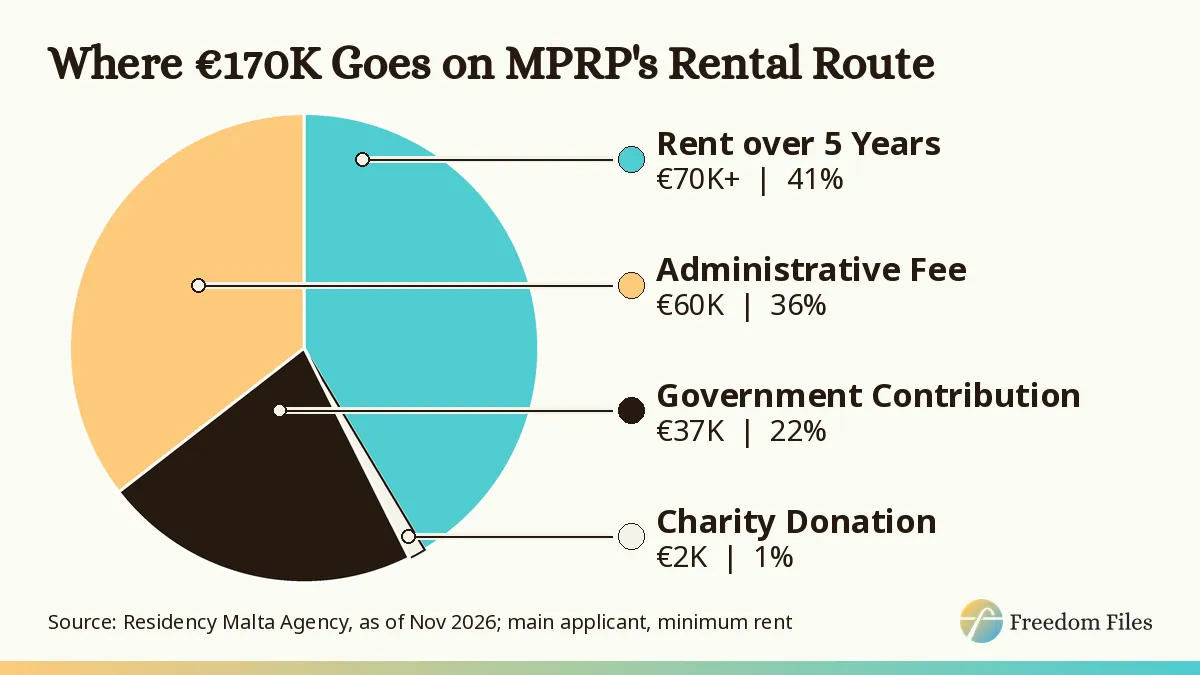
So a main applicant on the MPRP rental route pays about €170,000 over five years in rent and government payments. For a couple with two children under 18, it's about €171,000 once you add a residence card for each of the four of you. On the purchase route, it's the home plus the same €99,000 in government payments, plus purchase costs, and the difference is that the home is yours to sell after five years.
Add private health insurance for each family member for the five years. The Freedom Files has professional fees to help clients, as affordably as it can, through processes that are complicated, intricate, and strict, and we give you a fixed quote in writing before you commit.
Approval in About Three Months
The process is faster than most people expect, with approval about three months from filing. After a consultation and a fixed quote, we build your file and check your assets against the capital test. Our licensed Malta team then files the application with Residency Malta Agency.
The agency conducts a four-tier due diligence review of each applicant 14 and older, and we answer each of its queries with you. If you want to live in Malta during the review, you can apply for a one-year temporary residence permit once your application is filed, and it's usually approved quickly.
Once you receive approval in principle, you have up to eight months to pay the balance of the fee, make the contribution and the donation, secure the home by lease or purchase, and buy health insurance, so you set the pace from there.
Then you fly to Malta once to give your fingerprints and photo for the card, and cards valid for five years usually arrive in under a month. After that, you file a short declaration each year for five years.
A Slow Road to Maltese Citizenship
The question we get most often is whether permanent residency leads to Maltese citizenship. On paper, Malta's Citizenship Act lets the minister grant you citizenship through residence (naturalization) after five of the last seven years of residence in Malta, with the last 12 months in full, plus proficiency in English or Maltese.
In practice, it's a different story: Residence for naturalization means living in Malta and building ties to the country year after year, and the decision is at the minister's discretion. We tell clients to plan on 15 years or more, if it happens at all, and your permanent residency doesn't count toward citizenship by merit.
If EU citizenship is the goal, Malta has a separate route built for a very different applicant.
Citizenship by Merit Is Malta's Speakeasy
I describe Malta citizenship by merit to clients as a speakeasy: There's no sign above it and no price on the glass, and the owner decides who comes through.
Malta used to offer a citizenship by investment program. In April 2025, the Court of Justice of the European Union, the EU's top court, struck it down, and that July Malta repealed it. Merit is a separate route written into Malta's citizenship law.
Community Malta Agency, which handles citizenship, has said publicly that merit isn't a program, a scheme, a pathway, or a continuation of the old one. Malta grants citizenship at its own discretion to people whose service, achievements, or contribution to the country are exceptional, and it weighs each file on its merits.
Malta names three grounds for merit, and you don't need to be famous for any of them.
Exceptional Service
This ground covers skills, knowledge, or work that give a clear benefit to Malta or to humanity, endorsed by the competent body in that field. Work in research or medicine fits here, and so does creating jobs on the islands.
Exceptional Interest
This ground covers people Malta wants to attract: Leading scientists, researchers, athletes, artists, technologists, and founders. Malta assesses each case on its own merits, and recent approvals have come mostly from sport and medicine.
Exceptional Contribution
This ground covers a commitment to a government-approved project in Malta, in fields such as research, technology, sport, culture, or philanthropy. The body that receives it endorses your proposal, and the contribution is non-refundable.

How a Merit File Comes Together
When clients come to us, we start with a proposal letter: Who you are, what you've built, what you'll contribute, and how you'll contribute after you become a citizen. The ongoing part counts most, because Malta checks it.
You file a compliance form each year for five years after the oath, and Malta can revoke your citizenship if you miss a material commitment, so promise only what you plan to deliver.
From there, plan on 18-24 months to citizenship. You lease a home in Malta and get a Maltese residence card, which means one trip for your fingerprints and photo. Then we file your proposal with a full source of wealth and source of funds file, an independent board reviews it, and the minister decides.
Once you're approved and your residence card is at least eight months old, you fly back for the oath, and we go with you. That's two trips and no full-time move, though you maintain a home in Malta throughout.
A Refusal Is Final
The minister doesn't have to give a reason for a refusal, and the fees don't come back. That's why we give you an early read before you commit money, and we tell you plainly when a file isn't a candidate.
What Maltese Citizenship Gives You
If it's a yes, you become a citizen of Malta and of the EU. That means the right to live, work, study, bank, invest, and use public healthcare in all 27 EU countries, plus Iceland, Liechtenstein, Norway, and Switzerland. Maltese citizens can travel to about 185 destinations without a visa arranged in advance.
Malta has no military service, and your children can inherit Maltese citizenship. Your spouse or partner and your children can apply with you. Malta allows dual citizenship, and so does the US, so you remain a US citizen.
The Caribbean citizenship programs are under heavy pressure from Brussels and Washington, and St Kitts & Nevis is winding its program down in 2029. If access to Europe is the goal, merit is one of the quickest ways to get it for the right applicant.
Citizenship by Descent Starts with a Birth Certificate
A small group of readers may not need either route. If you descend in a direct line from someone born in Malta, whose parent was also born in Malta, you can register as a Maltese citizen with no residence in Malta required.
A 2025 amendment set the key date at August 1, 2028. If the parent who links you to Malta is alive on that date, you can register only if that parent has already acquired Maltese citizenship, so a living, eligible parent should register first, and soon. A parent in the line who dies before that date is treated as having acquired citizenship.
We trace family trees for descent claims across Europe, and if there's a Maltese grandparent anywhere in yours, find that birth certificate first.
Malta Taxes Where You Live
If you take the merit route or the permanent residency program and don't move to Malta, Maltese taxes barely affect you. Residency and citizenship alone don't make you a Maltese tax resident, because Malta taxes by residence and domicile.
Tax residency generally starts once you live in Malta for 183 days or more in a year. So most of our permanent residency clients, who don't move or who spend three or four months a year in Malta, don't become Maltese tax residents. The exception is rent from a Maltese property, which Malta taxes either way.
If you do make Malta home, it's perhaps the most tax-friendly country in the EU. Malta's income tax starts at 0% on the first €12,000 for a single filer and reaches its top rate of 35% above €60,000.
Malta has no wealth tax, gift tax, inheritance tax, or tax on the annual value of your property, though heirs pay a 5% duty on Maltese property they inherit. The big draw is how Malta treats foreign income.
The Remittance Basis Rewards Planning
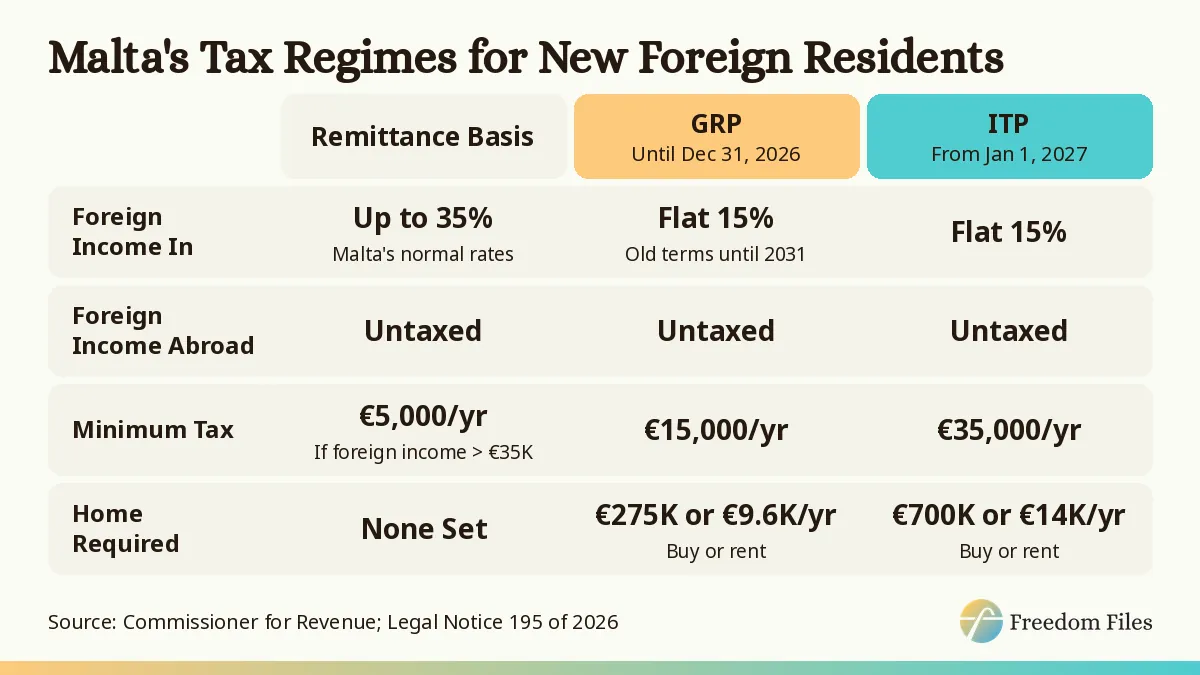
Malta taxes most foreign residents only on the money they bring into Malta. The key word is domicile, your permanent home in the legal sense. If you move to Malta from abroad, you generally become a Maltese resident, but your domicile generally remains in the country you came from.
A resident who isn't domiciled in Malta pays Maltese tax on two things: Income earned in Malta and foreign income brought into Malta. Leave your dividends in an account in Zurich or Boston, and Malta doesn't tax them.
Foreign Capital Gains Arrive Tax-Free
Foreign capital gains are generally untaxed in Malta, even when you bring the money in. Sell a portfolio abroad, wire the proceeds to Valletta, and Malta generally takes nothing, which is rare in Europe.
There's a floor. Once your foreign income passes €35,000 a year, you pay at least €5,000 in Maltese tax, whether you bring anything into Malta or not.
Your citizenship decides how much this is worth. If you're Canadian, British, South African, or from the Gulf or Asia, anywhere that taxes you based on where you live, you get the full value. For a non-American with a large portfolio abroad, Malta can bring the yearly bill down to the €5,000 floor, as long as you plan what you bring in.
The Individual Tax Programme Replaces the Global Residence Programme
If you'd like one flat rate you can plan around, Malta has one, and from January 1, 2027, it costs a lot more. The Individual Tax Programme (ITP) replaces the Global Residence Programme (GRP). You pay a flat 15% on foreign income you bring into Malta, but foreign income you leave abroad goes untaxed.
From 2027, the minimum tax is €35,000 a year. You buy a home for at least €700,000 or rent one for at least €14,000 a year anywhere in Malta, and Malta has to be your main home, with no more than 183 days a year in any other single country.
Under the GRP, the minimum tax was €15,000 and the home was €275,000, so both more than doubled. If your complete application is in by December 31, 2026, the old terms apply to you until 2031, and later applicants pay the new terms. Our Malta tax residency breakdown works through what the change adds up to over five years.
A 5% Effective Company Tax for Founders
If you own a business through a Maltese company, the headline corporate tax rate is 35%, but the owners can claim back six-sevenths of the tax on most trading profits when the company pays a dividend. That brings the effective rate to about 5%.
Since 2025, a Maltese company can also elect a flat 15% final tax with no refunds, locked in for at least five years. Founders who'd sooner skip the refund paperwork tend to like it.
A 15% Rate for Senior Hires
If a Maltese employer hires you into a senior role, the Highly Skilled Individuals Rules, in force since the start of 2026, tax your salary at a flat 15% on up to €7 million a year. You need to earn at least €65,000 a year, and the rate can apply for up to 15 years.
Americans Get Residency Without a Second Tax Bill
Malta won't cut your US tax bill, but for most Americans, it won't add a second one either. If you have permanent residency and don't move, Malta only taxes your Maltese income, such as rent from a Maltese home.
If you do move, the Maltese tax you pay on what you bring in generally counts as a credit against your US tax on the same income. So you can build a second base in Europe without a second large tax bill, and perhaps a better structure for a life across several countries.
The US and Malta also have a tax treaty. Under it, US Social Security is taxable only in the US, and private pensions are taxed only where you live. The treaty also caps Malta's tax on US dividends at 15%.
Be wary of Maltese personal retirement schemes pitched to Americans as a way to shelter gains. The US and Malta agreed in 2021 that these schemes don't qualify as pension funds under the treaty, and the Internal Revenue Service (IRS) has proposed listing them as tax avoidance transactions.
Malta vs Portugal: Malta Suits Part-Time Retirees
Malta and Portugal are the two countries Americans compare most for a European retirement. Portugal fits a retiree who'll live there full-time on an average pension, while Malta's appeal is permanent residency without a move, or a lower tax bill on foreign income for those who do move.
| Malta | Portugal | |
|---|---|---|
| Residency route | Permanent Residence Programme: Rent from €14,000 a year or buy from €375,000, plus €99,000 in government payments | Golden Visa from €200,000; D7 visa from €920 a month in passive income |
| Time in the country | None | Golden Visa: An average of seven days a year; D7: Most of the year |
| Permanent from day one | Yes | No, after five years |
| Citizenship | Naturalization: 15 years or more in practice (merit: 18-24 months for exceptional profiles) | 10 years from your first residence card |
| Tax break for new retirees | Remittance basis, or a flat 15% on your pension under the Individual Tax Programme | The non-habitual resident regime closed in 2024 |
| Language | English is official | Portuguese |
Portugal's citizenship clock is now 10 years, counted from the day your first residence card is issued, and a pensioner who moves there today gets no flat rate on foreign pensions. For a retiree who'll live there full-time, Portugal's D7 visa asks far less money up front.
The Malta Retirement Programme Doubles Its Minimum Tax
If you'll move to Malta on a pension, the Malta Retirement Programme taxes the foreign pension you bring in at a flat 15%. Until December 31, 2026, the minimum tax is €7,500 a year plus €500 for each dependent, and you buy a home for at least €275,000 (€220,000 in the south of Malta or on Gozo) or rent one from €9,600 a year (€8,750 in the south or on Gozo).
From January 1, 2027, the programme becomes retired pensioner status under the Individual Tax Programme. The rate remains 15%, but the minimum tax doubles to €15,000 a year, and the home rises to €700,000 to buy or €14,000 a year to rent, anywhere in Malta. Pensioners granted status, or whose applications are in by December 31, 2026, remain on the old terms until 2031.
On either set of terms, your pension has to make up at least 75% of your taxable income in Malta, and you can't take a job there. You also can't spend more than 183 days a year in any other single country.
Pick Your Door Before You Sign a Lease
Malta has four doors, and each suits a different reader. The Permanent Residence Programme fits anyone who wants EU residency in English as a Plan B without moving, while merit is for people who've built something exceptional and want EU citizenship.
A Maltese-born grandparent makes descent the first thing to check, before you spend anything. Non-Americans who'll make Malta home can shrink their tax bill a great deal with the remittance basis or the flat 15% under the Individual Tax Programme.
Say a couple in their 50s from Texas has about $1 million in assets, $220,000 of it in a brokerage account. They clear the capital test, rent a two-bedroom flat in Sliema for €14,000 a year, and spend a few weeks there each summer.
Over five years, they pay about €169,000 plus residence cards and insurance, and in return they have permanent EU residency that doesn't expire, with no Maltese tax on their US income.
If Malta is on your list, contact us for licensed support before you sign a lease or pay a fee. This article is general commentary on Malta's programs and tax rules and contains no legal or tax advice.
FAQ
How Can an American Move to Malta?
Most Americans move to Malta through the Malta Permanent Residence Programme, which grants permanent residency for a lease from €14,000 a year or a home from €375,000. Pensioners who move to Malta can also apply for the Malta Retirement Programme, and senior hires can use Malta's 15% rate for highly skilled workers.
How Much Does Malta Permanent Residency Cost?
The rental route costs a main applicant about €170,000 over five years: At least €70,000 in rent and €99,000 in government payments that don't come back. The purchase route is a home from €375,000 plus the same €99,000, and you can sell the home after five years.
Do I Have to Live in Malta to Maintain Permanent Residency?
No. Malta's permanent residency has no minimum number of days, but you need to maintain an address in Malta, rented or owned, for as long as you want the status.
Does Malta Permanent Residency Lead to Citizenship?
Not directly. Naturalization needs five of the last seven years of residence in Malta and is at the minister's discretion, so plan on 15 years or more, and permanent residency doesn't count toward citizenship by merit.
Is Malta Citizenship by Investment Over?
Yes. The EU's top court struck down Malta's citizenship by investment program in April 2025, and Malta repealed it that July. Citizenship by merit is a separate, discretionary route for people whose service, achievements, or contribution are exceptional.
How Long Does It Take to Get Maltese Citizenship?
Citizenship by merit usually takes 18-24 months, with two trips to Malta. Naturalization through residence takes far longer, and a descent claim depends on how quickly you can document your family line.
Can I Get Maltese Citizenship Through a Grandparent?
Often, yes. If you descend in a direct line from someone born in Malta whose parent was also born there, you can register as a citizen without living in Malta, though a living parent in your line should register first, before August 1, 2028.
Is Malta a Tax Haven?
Malta is a full EU member with a top income tax rate of 35%, but it has no wealth tax, gift tax, inheritance tax, or tax on the annual value of property. Foreign residents who aren't domiciled there generally pay tax only on income earned in Malta and foreign income they bring in.
Does Malta Tax Foreign Capital Gains?
Generally not, for a resident domiciled outside Malta, even when you bring the money into Malta. A minimum tax of €5,000 applies once your foreign income passes €35,000 a year.
Does Malta Allow Dual Citizenship?
Yes. Malta allows dual citizenship, and so does the US, so an American who becomes a Maltese citizen remains a US citizen.
Is Malta or Portugal Better for Retirement?
It depends on whether you'll move. Malta suits retirees who want permanent residency without moving or a lower tax bill on foreign income, and Portugal suits retirees who'll live there full-time on an average pension.
Video Transcript
Click to read the full transcript
Video Transcript
Click to read the full transcript
Rent a home in this beautiful European country for €14,000 a year and you get permanent EU residency without ever having to move there. We help families move and invest in 42 countries, and this is one of our most popular destinations. Today you're going to learn what it costs, every route to citizenship, and who each one fits. And near the end, the tax rule that lets residents bring foreign capital gains in tax-free. Let's get into it.
So here's the deal. You rent a home anywhere in the country for at least €14,000 a year. That works out to about €1,200 a month. Or if you'd rather own, you can buy one for €375,000 or more. However, the rent is only part of the bill. On top of it, you pay the government about €99,000, and none of that comes back. It's non-refundable. Then add health insurance, residence cards, documents, and professional fees. So on the rental route, the floor is about €170,000 over 5 years before insurance and our fees. I'll break down every euro in a few minutes. But in return, you get a permanent residence certificate. Only the card renews every 5 years, and there's no minimum number of days you have to spend in the country. None.
So which country is it? It's Malta. And if your first thought is where the heck is that, you're in good company. Most people we speak with couldn't point to it on a map. Malta is in the middle of the Mediterranean, about 60 miles south of Sicily, with North Africa further south. It's a small country, three inhabited islands, and a bit over half a million people. The whole thing is smaller than the city of Philadelphia, which is where my dad is from. The main island is Malta, where most people live and work, with Valletta as the capital. Then there's Gozo, the second island, about a 25-minute ferry ride away. Gozo is greener, calmer, and slower, with more farmhouses than office towers. For this program, a home on Gozo, if you're buying, qualifies the same way a home on Malta does.
Now Malta's history is the reason it works so well for foreigners today. The Knights of Saint John governed it for more than 250 years and built Valletta from the ground up. Then the British governed it for more than 150 years until independence in 1964. That British chapter left three things you'll care about. One, English as an official language. Two, a legal system with British roots. And three, a business culture that feels pretty familiar. They even drive on the left in Malta. Then Malta joined the EU in 2004, the Schengen area by 2008, and the euro in 2008 as well. So you get a European country where contracts, banks, doctors, and schools all work in English. Big difference. In fact, when we score destinations for our Expat Almanac, Malta outranked Italy, Greece, Spain, Portugal, and France, the expat destination favorites.
So who's choosing Malta? Mostly three kinds of people we talk to. It's investors who care about tax efficiency, high net worth individuals who want a foothold, want residency in Europe, and people with something exceptional to offer who want EU citizenship faster than the usual 5 to 10 years of living and naturalizing somewhere. More on that last group soon, because it's very different from what most people think.
There's also a simpler reason. Maltese residency is a plan B. That's what this program is for a lot of our clients anyway, and most will never need it. But that's the best case, right? So if you want a home base in Europe that needs nothing from your calendar, in English, with a tax system you can opt into later, Malta is one of the strongest options on the menu. And if you're weighing a foothold like this, a base like Malta, you can go to freedomfiles.co/begin. 10 questions, 90 seconds, and you get a custom report on the residency and citizenship routes that fit your goals, your money, your family, your timeline, all that kind of stuff.
All right, back to Malta. So Malta's permanent residency comes down to four things: a capital test, a home, the fees, and the process. Most of the confusion online starts here, so let's take them one at a time.
First, the capital test. Before you invest, before you donate, Malta wants to see that you have the means. So you show €500,000 in total assets, with at least €150,000 of that in financial assets, meaning cash, stocks, bonds, or funds. Or you show €650,000 in assets with at least €75,000 in financial assets. Your home can count toward that total, but crypto doesn't count at all. Just be aware. And you maintain that level for the first five years of your residency. You don't pay this money to anyone. You just have to show it. It's proof.
Second is the home, and you have two different routes here. This is a home for sale in Sliema, one of the most popular areas on the main island of Malta. On the purchase route, you buy a home in Malta or Gozo for at least €375,000, and you own it for at least five years. From the day you buy it, you can rent it out, so it can earn income while you live somewhere else. Just know that rent is Maltese income, so Malta will tax that income. And on top of the price, you'll budget for purchase costs like stamp duty and the notary. And after year five, you can sell, for more or less than you paid. Hopefully more.
And this is an apartment for rent in Gżira. On the rental route, you lease a home in Malta or Gozo for at least €14,000 a year, and Malta's housing authority has to approve the lease. Our Malta team arranges that approval for you, so don't worry about that part. You maintain the lease for five years, so that's €70,000 in rent over those five years. Now, here's the part most guides on YouTube or blogs skip. During those first five years, you cannot sublet that place. So think of it as your own apartment in Europe. It could be your base. You could live in it. You use it when you're there, and it waits for you when you're not. Then after year five, you have options. You can end the lease, you can sublet it as long as it's to someone outside the Maltese permanent residency program, or you can move to a smaller, cheaper place. The one thing you cannot do is give up an address in Malta, because you need one, rented or owned, for as long as you want that permanent residency status.
And by the way, a lot of guides online quote €300,000, or €10,000 a year in rent, for the south of Malta and Gozo. That discount ended in 2025. So if you see those numbers, close the tab.
Here's what makes this program pretty unique and rare on the European landscape. One application can cover four generations: your spouse or partner, unmarried children up to age 28 who depend on you, and dependent parents and grandparents, yours or your spouse's, at any age. Compare that to Portugal's Golden Visa, which covers children up to 26 and parents over 65, or Greece, which covers children under 21. Very few programs anywhere let you put a grandparent on the file. And if it's just you, or just the two of you, a spouse or partner adds no fee at all.
Third, the fees. The government's €99,000 comes in three different places. A €60,000 administrative fee paid in two parts, €15,000 within a month of filing and then €45,000 within two months of approval. A €37,000 government contribution, the same whether you rent or buy. And a €2,000 donation to a registered Maltese charity. And that €99,000 does not come back. Remember, it's non-refundable whether you're approved or refused. So what does that come to for a couple with two kids under 18 on the rental route? The rent and government fees come to about €171,000 before the extra stuff. On the purchase route, it's the home plus about €100,000 in fees plus purchase costs. So the difference is that the home is yours to sell after five years. And that administrative fee was €40,000, then €50,000, and now it's €60,000. Fees in this business, in residency and citizenship, move in one direction, and I always say this.
Fourth is the process, and it's faster than most people expect. Approval takes about three months from filing. After a Freedom Consult and a fixed quote from yours truly, we build your file and check your assets against the capital test. Then our licensed Malta team provides the support and files the application with Residency Malta Agency. Next, the agency checks every applicant 14 and older in a four-tier review, and we answer every query with you. Meanwhile, if you want to live in Malta during the review, you can apply for a one-year temporary permit, and it's usually approved pretty quickly. Once you get that letter of approval in principle, you have up to eight months to pay the balance, sign the lease or buy the home, and buy health insurance. So you set the pace from there. Then you fly to Malta once for biometrics, and cards valid for five years typically show up in under a month. After that, you file a short declaration each year for five years, and that's pretty much it.
And by the way, if breakdowns like this are useful, subscribe, like this video, and tell me in the comments what you want to hear next, because we cover everything. And if "no move required" is really what got your attention about this Malta permanent residency program, I'll link our breakdown of nine golden visas that don't make you relocate at the very end of this video. Check that one out too.
So does permanent residency lead to a Maltese passport? That is the question we get all the time. On paper, Malta can naturalize you after you spend five of the last seven years in Malta, with the last 12 months in full, plus proficiency in English or Maltese. In practice, it's a very different story. On paper and in practice are always very different stories. Residence means living in Malta and building ties to the country year after year. And the decision is at the minister's discretion. Realistically, we tell clients to plan on 15 years or more, if it happens at all. And your permanent residency does not count toward citizenship by merit, which is a separate process we'll talk about in a second. So permanent residency is a plan B you have for life.
However, if a European passport is the goal, if EU citizenship is the goal, Malta has a separate route built for a very different applicant. Here's how I describe citizenship by merit to clients. It's a speakeasy. There's no sign above it and no price on the glass, and the owner decides who comes through.
Some background first. Malta used to have a citizenship by investment program. In April 2025, the EU's top court struck it down, and that July Malta repealed it. Merit is a separate route written into Malta's citizenship law. And Malta's citizenship agency has said publicly that merit is not a program. It's not a scheme, it's not a pathway, it's not a continuation or alternative of the old program. So Malta does not sell citizenship. Malta grants it at its own discretion to people whose service, achievements, or contribution to the country are exceptional. That's Malta's sovereign right, and every file is weighed on its merits because of it.
Malta names three grounds, three categories by which you could qualify. One is exceptional service: skills, knowledge, or work that give a clear benefit to Malta or to humanity, endorsed by the competent body in that field, like research, medicine, or job creation on the islands of Malta. Two, exceptional interest: people Malta wants to attract, leading scientists, researchers, athletes, artists, technologists, founders. And three, exceptional contribution: a commitment to a government-approved project in Malta in fields like research, tech, sport, culture, or philanthropy. The body that receives it endorses your proposal, and the contribution is non-refundable. And no, you don't need to be famous for that route.
When clients come to us, we typically start with a proposal letter. We understand who you are, what you've built, what you'll contribute, and how you'll contribute after you become a citizen. That last part, the ongoing contribution, is super important, because Malta actually checks it. You file a compliance form every year for five years after the oath, and citizenship can be taken away if you miss a material commitment. So promise only what you plan to actually deliver.
From there, plan on about 18 months or more, usually 18 to 24, to the actual granting of citizenship. You also have to lease a home in Malta and get a Maltese residence card, which means one trip for biometrics. Then we file your proposal and a full source of wealth and source of funds file, an independent board reviews it, and the minister decides, just like the permanent residency program. Once you're approved and your card is at least eight months old, you fly back for the oath, and we go with you. So that's two trips and no full-time move, though you do maintain a home in Malta throughout the process. So you have to get residency first and then go through the process.
Now the hard part. A refusal is final, and the minister does not have to give a reason. The fees don't come back either. That's why we give you an early read before you commit money, and we tell you plainly when a file isn't a candidate or if your situation is not a good fit.
If it's a yes, though, you become a citizen of Malta and of an EU member country. That means the right to live, work, study, get healthcare, bank, and invest in 30 countries in Europe, more than 180 visa-free destinations, no military service, and citizenship that your children can inherit. Your spouse or partner and your children can apply with you, and Malta allows dual citizenship, as does the United States. So you don't give up your American passport, and if you're not from the US and your country allows dual citizenship, you don't have to give up yours either. Compare that to the Caribbean passports: those programs are under heavy pressure from the EU and Washington DC right now, and some may not survive. So if access to Europe is the goal, merit is one of the quickest ways to get it for the right applicant.
Now, a small group of you may not need either of the two routes we've just explained. If you descend in a direct line from someone born in Malta, whose parent was also born in Malta, you can register as a Maltese citizen with no residence needed. One deadline to know: if the parent in your line was alive in August 2007 and has since passed away, your claim closes in 2028, so you've got to do this quickly. And if you don't have a claim like this, welcome to my boat. I've got nothing in the family tree that helps me either, unfortunately. We trace family trees for descent claims across Europe all the time. So if there's a Maltese grandparent anywhere in yours, find that birth certificate first and come knocking.
Now, taxes. If you're going the citizenship by merit route and never plan to move to Malta, taxes don't affect you. Citizenship doesn't make you a Maltese tax resident. And while you can live there in Malta, you don't have to. The same goes for the permanent residency program. Why? Because Malta taxes by residence and domicile. Tax residency generally kicks in once you live there 183 days or more in a year, which is about six months. That means most of our permanent residency clients in Malta, who don't move or who only spend three or four months there a year, never become Maltese tax residents. The one exception, again, is rent from a Maltese property, which Malta will tax either way.
However, if you ever do make Malta home, it's perhaps the most tax-friendly country in the European Union. The top income tax rate is 35%, but there's no wealth tax, no inheritance or gift tax, and no annual property tax. And the big draw is how Malta treats foreign income, which is obviously relevant to a lot of our clients.
The remittance basis, let's talk about this first. Malta taxes most foreign residents only on the money they bring into Malta. The key word here is domicile, your permanent home in the legal sense. If you move to Malta from abroad, you're generally resident there, but your domicile generally remains abroad, in the country you came from. Therefore, a resident who is not domiciled in Malta pays Malta on just two things: one, income earned in Malta, and two, foreign income brought into Malta. Leave your dividends in an account in Zurich or Singapore or Boston, and Malta does not tax them.
Now, the rule I teased at the top: foreign capital gains are generally untaxed in Malta, even when you bring the money in. Sell a portfolio abroad, wire the proceeds to Valletta, and Malta generally takes nothing, which is very rare in Europe. Have your own case reviewed before you move. Of course, I'm not a tax advisor or financial advisor; this is just information. But there is a floor here. Once your foreign income passes €35,000 a year, you pay a minimum of €5,000 in Maltese tax, whether you bring anything into the country or not.
And this is where your passport makes a really big difference. If you're Canadian, British, South African, or from the Gulf or Asia, anywhere that taxes you based on where you live, you get the full value. Americans, hang on, you're two sections away. So for a non-American with a large portfolio abroad, Malta can bring the yearly bill down to a €5,000 floor, as long as you plan what you bring in.
On the other hand, if you want one flat rate you can plan around, Malta has one, and as of the first of the year in 2027, depending on when you watch this video, it costs a lot more. It's now called the Individual Tax Programme, replacing the Global Residence Programme. You pay a flat 15% on foreign income you bring into Malta, and foreign income you leave abroad goes untaxed. The minimum tax is €35,000 a year. You buy a home for at least €700,000 or rent one for at least €14,000 a year anywhere in Malta. And Malta has to be your main home, with no more than 183 days a year in any other single country. Under the old program, the minimum tax was €15,000 and the home was €275,000: more than double in both cases. Prices only go up, programs only disappear, and restrictions only get stricter. So if your complete application was or is in by December 31, 2026, the old terms apply to you until 2031. Everyone else is on the new numbers.
Now, I told the Americans you had to wait just a second. So if you're American, here is the short version. Malta will not cut your US tax bill, but for most of you, it won't add a second one either, and that's actually the point. If you have permanent residency and do not move, Malta only taxes your Maltese income, like rent from a Maltese home. If you do move, however, the Malta tax you pay on what you bring in generally counts as a credit against your US bill. So you can build a second base in Europe without a second big tax bill, and maybe a better structure for life across countries.
Now, the US and Malta also have a tax treaty, and three parts of it are worth knowing if you're a US citizen. US Social Security is taxable only in the US. Private pensions are taxed only where you live. And Malta's tax on US dividends is capped at 15%. So for Americans, Malta's value is the EU residency and the plan B, with a tax system that mostly leaves you alone. Plan the rest with our US and Maltese tax advisors.
So, summarizing all of this, who is Malta for? If you want permanent EU plan B residency in English without moving, look at the permanent residency program. If you built something exceptional and want citizenship in the European Union, I would look at that merit route pretty seriously. If a grandparent was born in Malta, start with descent. And if you're not American and you'll make Malta home, that remittance basis, or the flat 15% until December 31, can shrink your tax bill a ton.
We work with clients in two different ways: a single program in a single country, or our Private Client Engagement, where we quarterback your whole global plan B strategy across many different borders and many different goals. And we're jurisdiction agnostic. We don't care where you end up, just as long as you're happier, healthier, wealthier, and freer there than you are right now. You can take the Plan B Blueprint at freedomfiles.co/begin and get a free 60-minute consult with yours truly. And if "no move required" is the part that you really liked about this video, watch our breakdown of nine golden visas that do not make you relocate. It puts Malta's program side by side with eight others around the world that let you skip the move too. Talk to you soon, and thanks for watching.

 Colombia
 France

 Italy
 Argentina
 Panama

 Greece

 United States