A lot of buyers assume a second citizenship costs millions or years of their time. In 2026, the cheapest legal citizenship-by-investment program on earth costs under $100,000, less than a nice new vehicle, and several more land just above that threshold. Here is the plain ranking of the seven cheapest CBIs you can act on today, plus one program on the way that could reshape the list once it opens.
One caveat before we start: the ranking below is not by sticker price. It is by real cost, what the passport in fact costs after you account for capital you get back (asset investments, refundable bonds) and capital you never see again (donations, currency devaluation on the exit). That is why this order may surprise you.
Two more housekeeping notes: for US citizens and green-card owners, none of these programs change your US tax obligations. The US taxes worldwide income on citizenship, not residency. What you are buying here is a way out and a second option, not a way around the IRS. And the tags on each program describe the specific document you receive, a full second nationality, not a residency permit. If you want an EU-focused residency route with a naturalization horizon rather than a direct passport, a European golden visa is a different tool and a different piece; the closest comparison in this piece is the honorable mention below.
Or watch the full ranking here:
Honorable Mention, Argentina's Forthcoming Route
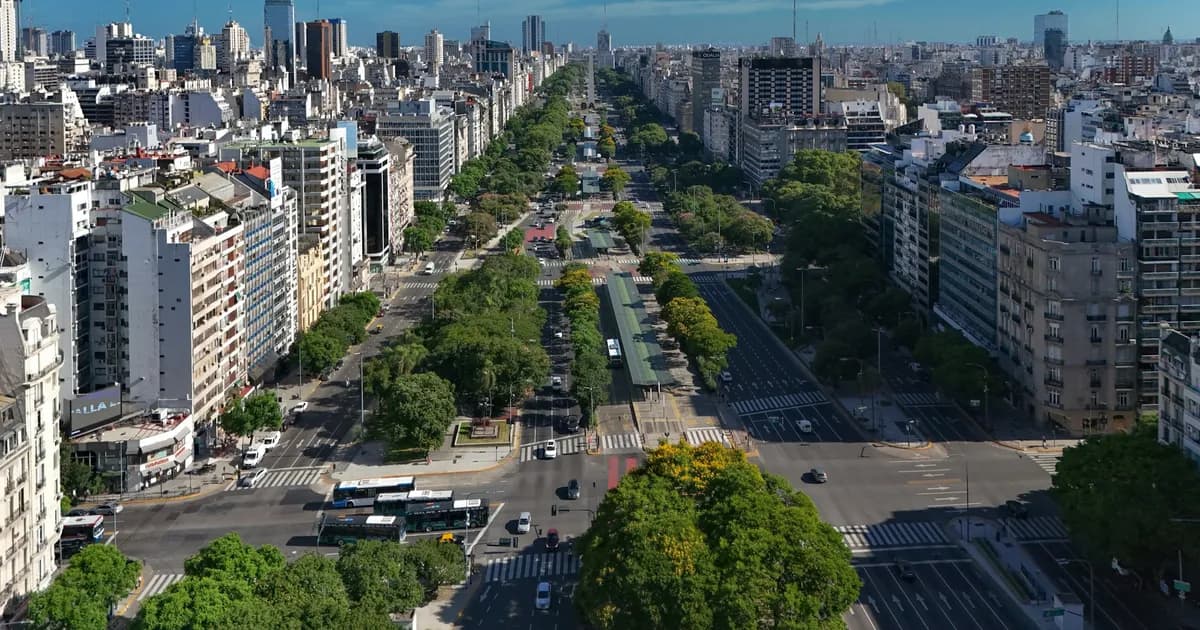
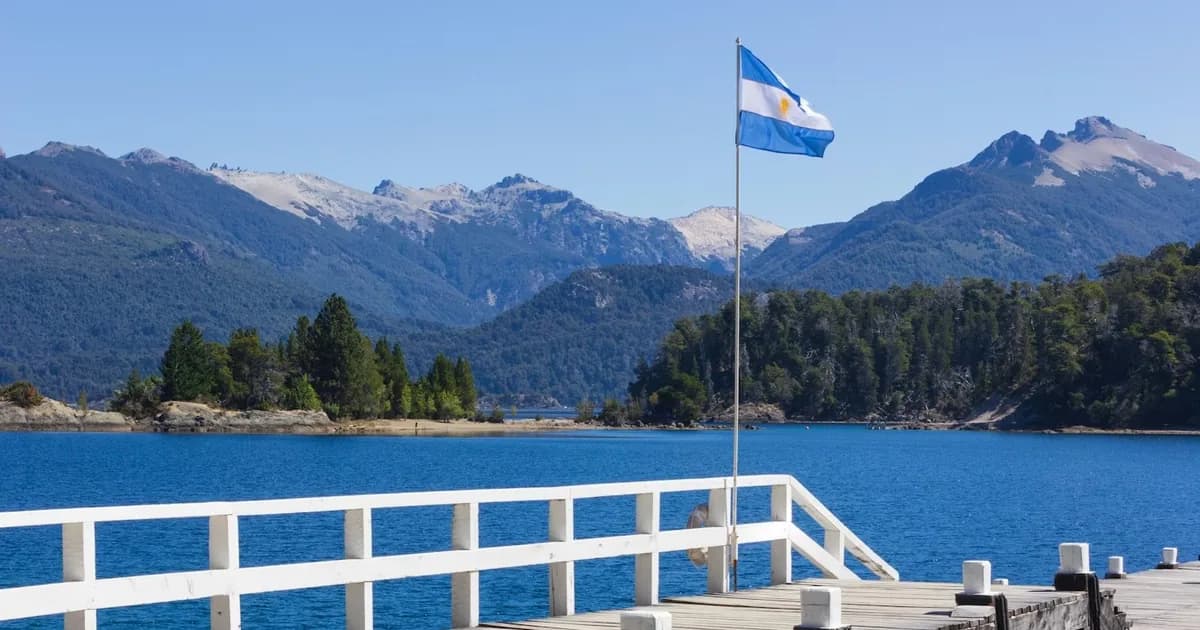
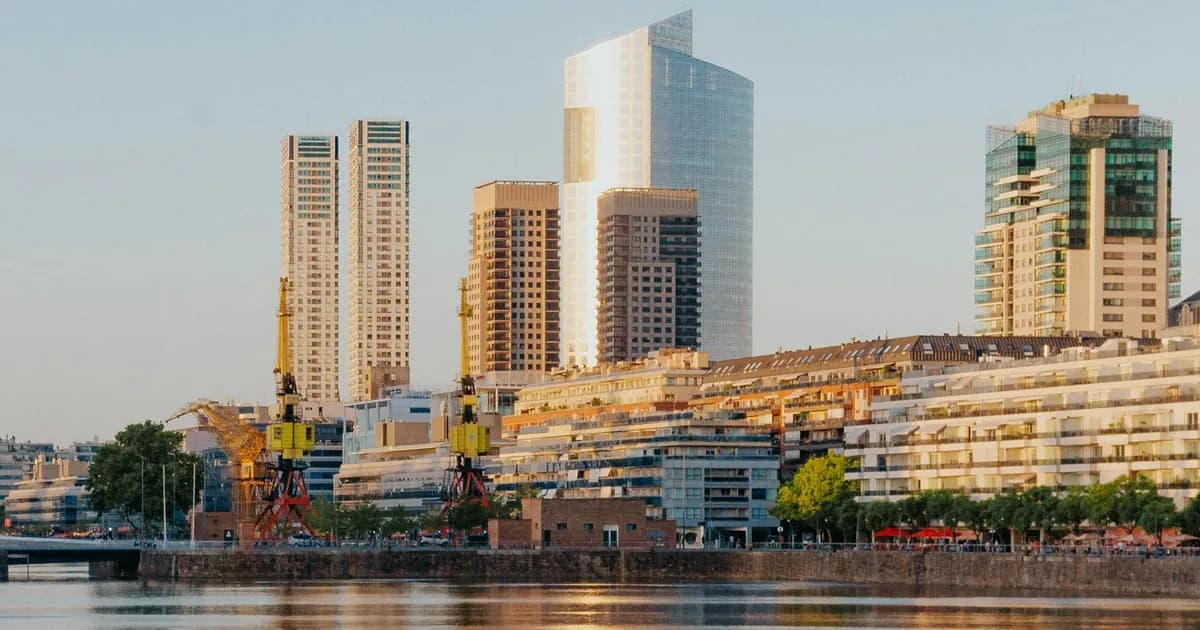
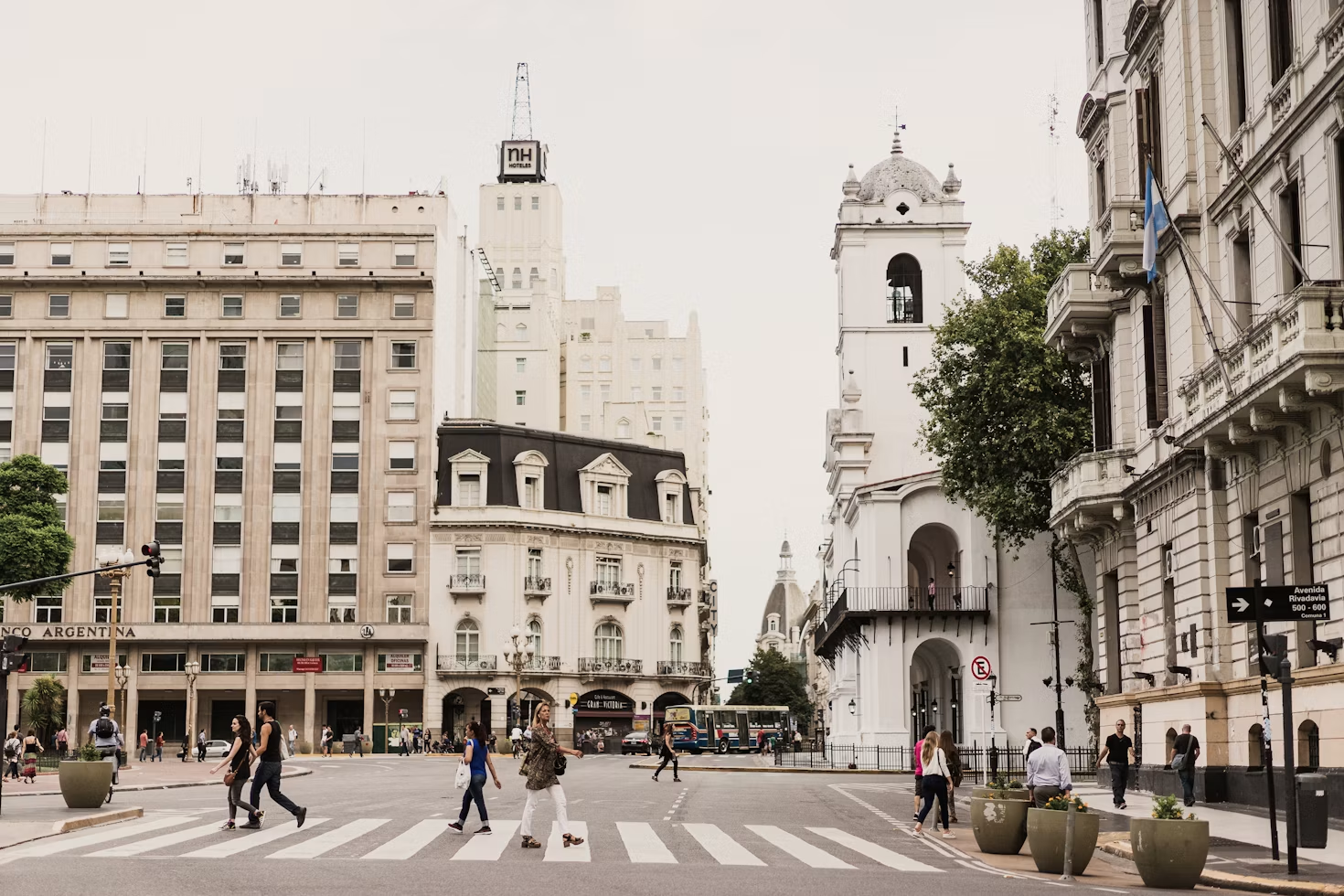
One program deserves an honorable mention because, if the terms land where they are drafted, it could be the strongest passport ever sold through investment. Under a decree President Milei signed in 2025, Argentina is building South America's first real investor-citizenship route since the 1990s, with no requirement to relocate. The expected price is in the neighborhood of $500,000, as yet unconfirmed, and the likely routes are an outright donation (unrecoverable) or a refundable government bond at a higher threshold.
The draw is the passport itself. Argentine citizens travel visa-free to more than 170 destinations including the Schengen Area, plus they have settlement rights across the Mercosur bloc, the right to request residency in any other member country simply by producing the passport. A full opening is now expected in late 2026 or early 2027. It is on the watch list, not the shortlist yet.
#7, the Caribbean Five (~$200K to $250K)
Number seven is not one country, it is five. The Caribbean citizenship-by-investment programs from Antigua and Barbuda, Dominica, Grenada, St Kitts and Nevis, and St Lucia. These are the strongest passports on this list for visa-free travel, opening 140 to 155 destinations depending on the country.
The numbers. Donation floor slightly above $200,000 regardless of program, Dominica at the bottom, St Kitts near the top around $250,000. Real estate routes start above $230,000 across the bloc. St Lucia offers a $300,000 government-bond route that is refundable at maturity. Processing takes 4 to 12 months depending on jurisdiction, typically landing in the middle of that range. Family inclusion is generous.
Why they rank #7 despite being the second-cheapest sticker. The donation is a sunk cost, gone the moment it clears. The real estate route looks like a way to retain the capital, but the fine print is important. You can only buy into government-approved projects, usually at a premium above open-market comps. And when you sell, you often sell to the next citizenship applicant rather than the open market, which makes exits slow and prices hard to defend. So the Caribbean's headline number is low, but the true cost can climb meaningfully higher on both the donation and the real-estate route. That is why the next program, with double the sticker price, ranks cheaper on a real-cost basis.
#6, Turkey, $400K in Recoverable Real Estate
Turkey costs $400,000 on paper while the Caribbean starts at about $200,000. The reason it ranks cheaper here is that Turkey's main route is a productive asset that can appreciate, pay rent, and be sold on the open market after the three-year lockup. The Caribbean takes your money for good; Turkey lends it to the deal and, if you buy the asset well, gives it back when you sell.
How it works. Buy at least $400,000 of Turkish property (one or several properties totaling the threshold), registered at a state-verified valuation, locked in for three years. This is open-market real estate that you own outright, not a locked government-approved project. After three years you can sell to anyone, recover capital, and retain gains and rental income. The other qualifying routes cost $500,000 each (bank deposit, government bonds, or foreign direct investment), also for three years, but most engagements choose the property route because it costs less and can generate returns across the lockup period.
The speed and the family angle. The whole process closes in under six months. Spouse and children under 18 are included on the single investment with no per-dependent fee, one of the most family-efficient CBIs in absolute dollars.
The plain risk. The lira. The property is priced in local currency, and the exit depends on both Turkish property values and the lira-to-dollar rate on the day you sell. On the strong end, you recover capital plus rent and get citizenship effectively for free. On the weak end, principal takes a haircut. A Turkish passport can pay for itself, but only if you buy the property like an investment, with the resale market modeled conservatively. We cover the full Turkey CBI program details here and the twenty-year foreign-income tax exemption Turkey layered on top in June 2026 in a separate deep-dive on Law No. 7582.
#5, Egypt, $260K, and Probably Skip
On paper, Egypt reads fine. A $250,000 donation to the Treasury plus a $10,000 fee, none of it refundable. There is also a bank-deposit route at $500,000 with refund after three years, though the refund comes back in Egyptian pounds, which is its own gamble. No residency requirement, dual citizenship allowed, approval in 6 to 12 months. See the Egypt CBI program page for the full mechanics.
Why we usually recommend against it for Americans. The donation is gone the second it lands, just like the Caribbean. The passport is materially weaker than the Caribbean at roughly 50 visa-free destinations, and there is no European access. You are paying a quarter-million dollars, never getting it back, for a passport that opens fewer doors than the Caribbean does. And relocation is rare among the clients we see in the program. Unless you have real business interests in Egypt or elsewhere in Africa, most Americans skip this program.
#4, Sierra Leone, $100K to $140K "Go for Gold"
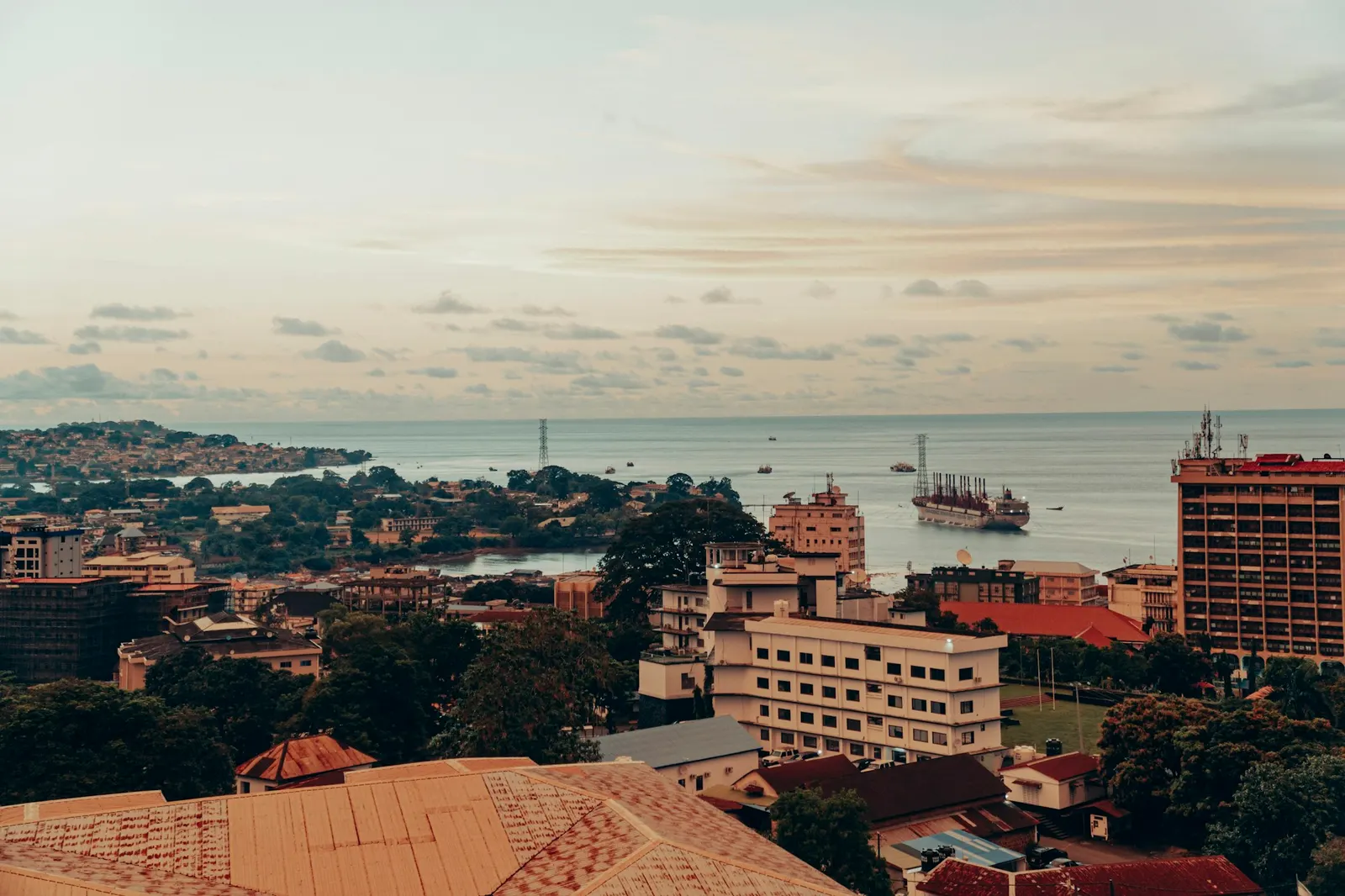
The newest face on this list after number one. Sierra Leone's "Go For Gold" program comes in at $140,000 all-in for fast-track citizenship, fees and due diligence included. A heritage route is available at $100,000 for applicants who can prove African ancestry via DNA test. Timeline is roughly 90 days to passport, fully remote, no visit required. Dependents cost $10,000 each, so families scale cheaply. In a truly unique twist, you can add a business partner or co-investor for $30,000, no other program on this list allows that.
What makes it interesting. Sierra Leone is a member of ECOWAS, the Economic Community of West African States, which gives citizens the right to live and work across 15 West African countries including Ghana, Nigeria, and Côte d'Ivoire. If a foothold in West Africa or a reconnection to African roots is your goal, this is a fast, cheap, direct route, especially with a business partner. If EU access or global mobility is the goal, you need to move higher up this list.
#3, Vanuatu, $130K, the Fastest Passport Anywhere
The fastest citizenship program on earth. $130,000 for one applicant under the Development Support Program, closer to $140,000 with fees, and about $180,000 for a family of four. You must prove at least $250,000 in net assets. Approval in as little as 30 to 60 days. Vanuatu also offers zero local income tax if you ever relocate to the Pacific-island country. See the Vanuatu DSP program for the fuller picture.
The catch. In December 2024, the European Union permanently cut Vanuatu's visa-free access to the Schengen Area. The passport does open Asia, the Middle East, and parts of the Americas cleanly, most of which a US passport already covers. So investors who want both speed and Europe typically pair Vanuatu with a separate European residency or golden-visa program. On its own, this is the quickest passport you can buy.
#2, Nauru, $90K to $115K
Nauru is the smallest island nation on earth, out in the Pacific with direct flights from Australia. The Economic and Climate Resilience Citizenship (ECRC) program is built on a base donation around $115,000, though a promotional rate of $90,000 is currently open. Approval takes three to four months, typically at the back end of that range.
The country calls this a climate-resilience program, the proceeds fund defense against rising seas, since Nauru is one of the most climate-exposed places on earth. The passport is not the draw here; the low sticker plus the clean donation route are, especially for a portfolio hedge buyer who wants a low-friction second nationality without a real estate transaction to manage.
#1, São Tomé and Príncipe, ~$95K All-in
Number one, the cheapest citizenship-by-investment program on earth: São Tomé and Príncipe, a dual-island nation off the west coast of central Africa. Most Americans need a map for this one. That is candidly part of the appeal.
The numbers. A $90,000 donation plus a $5,000 processing fee, about $95,000 all-in. Family of four lands near the same total with roughly $5,000 per extra dependent, so it is a strong family deal on a nuclear family. Passports issued in 2 to 4 months, administered through a public-private partnership unit in Dubai. The program opened in 2025 and issued its first passports in early 2026, so it is young and lightly tested but moving.
Why anyone pays $95,000 for a passport with 61 visa-free destinations and no UK or Europe. Because the door São Tomé opens is not travel. São Tomé is a member of the CPLP, the Community of Portuguese-Speaking Countries, which includes Portugal and Brazil among its members. CPLP membership opens a preferential road toward residency in both. You are buying a foot in the door in the Portuguese-speaking world plus a real alternative citizenship you own outright, not a relocation option in itself.
Which One Is Right for You?
The expensive mistake here is buying on price alone. That is why the ranking above mixes real cost with fit. The cheapest passport that does not do what you need becomes the most expensive one on a per-outcome basis.
The rough sorter:
- You want the strongest sub-$300K passport for travel and family breadth. Caribbean Five, St Kitts for the deepest institutional history, Dominica for the lowest price.
- You want recoverable capital and a possible relocation base. Turkey.
- You want an African foothold or a heritage route. Sierra Leone.
- You want speed above everything else. Vanuatu.
- You want the lowest all-in with a clean donation and no real estate to manage. Nauru or São Tomé.
- You want the strongest passport on this list and you can wait 12 to 24 months for terms to clear. Argentina's forthcoming route.
Egypt gets no line above because we rarely recommend it for Americans. The full ranked matrix, all these programs against your specific goals and budget, is what the Freedom Consult is built for.
How to Start
If one of the programs above is already the answer for you and the question is process, documents, due-diligence prep, US-side tax planning, a fifteen-minute chat is the fastest way through. If you are weighing several of these programs against each other and against European golden visas or non-CBI routes, the Freedom Consult is the better fit; sixty minutes, your goals mapped against every program that could work.
Book a call when you are ready.