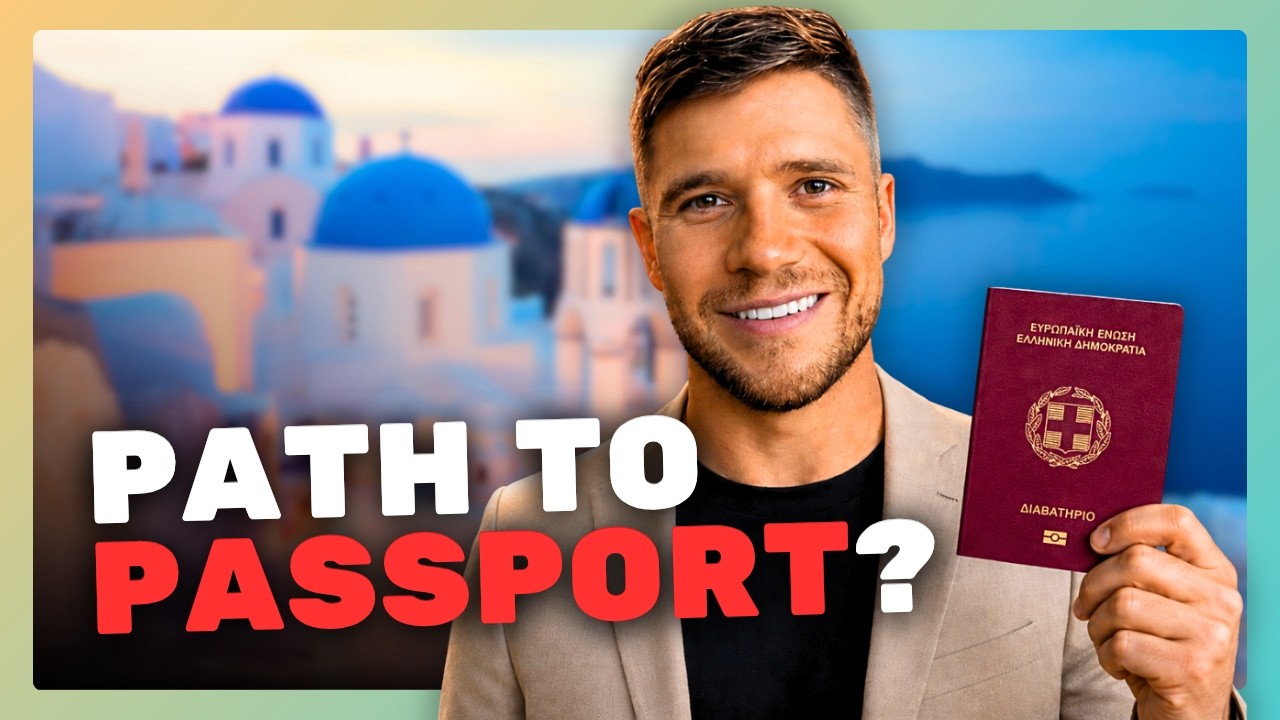
Rich Americans are pouring capital into one country for a second passport faster than almost anywhere else. Are they smart or are they walking into a trap? I left the US almost 10 years ago, have invested abroad myself, and have helped hundreds of families weigh this call across 30, 35 plus jurisdictions. In this video, we'll walk through Turkey's citizenship by investment program, what makes it a gamble, and whether it of course fits your situation.
So, let's start with a draw. Turkey is a nation of 85 million people bridging Europe and Asia, kind of like Panama bridges North America and South America, with Istanbul as its commercial heart. Unlike a jurisdiction that you fly into for a simple stamp, this is a place you can truly build a life around. It has deep expat infrastructure in Istanbul, international schools and great private healthcare options. Turkish Airlines, which I'm a fan of, flies to more countries than any other carrier on Earth. Aegean and Mediterranean coasts around Bodrum, Antalya.
The deeper draw, though, to Turkey's citizenship by investment program is geopolitical. Turkey is the rare country that refuses to pick a side, which can be a significant opportunity. It belongs to NATO, fully inside the western military alliance, and it's also spent the past few years courting BRICS, the bloc including Brazil, Russia, India, China, and South Africa, which was built to counterbalance NATO and the West's asymmetric military, political and economic power worldwide. Turkey was offered partner country status in 2024, and President Erdoğan appeared at the BRICS summit in Kazan, and it has pushed for full membership since. In short, Turkey answers fully to no one, neither power bloc, which is again a very significant advantage. For most governments, that refusal to commit reads as a liability. But for your Plan B though, the investor, the global citizen, non-alignment is a huge selling point. When your capital, your legal identity, and your tax home all reside inside one western system, a passport that deliberately straddles both worlds hedges a risk another EU-facing document cannot. If that hedge angle is the reason you clicked, drop a comment and tell me which bloc you trust less these days. This is going to be juicy.
Now, how it works. Let's get into it. A lot of YouTubers and blogs on this topic lump every second passport program together as just "buy a passport," right? Most of them are donations. You wire the money, it's gone, and you receive a document in the mail or have to pick it up in person in that country. Turkey has taken a different approach, however. The main route is a $400,000 property or properties purchase registered at a state-verified valuation and owned for three years before resale. That capital buys a tangible asset. It can earn rental income across the ownership period. You can sell it afterward without affecting your citizenship, and you own something at the end of that ownership period. That is the core contrast with the Caribbean programs. For example, in St Kitts and Nevis, the cheapest route is a donation you never see again. It's a sunk cost. In Turkey, though, the main route is a productive asset that can pay you rent or appreciate while you own it. Different strokes for different folks. Sometimes those donation programs are just what you want.
Now, three higher routes also qualify, but at $500,000 US, each owned for three years as well. One, a Turkish bank deposit. Two, a purchase of government bonds. Or three, a foreign direct investment in a Turkish business. Now, most clients choose property or properties. Remember, you can buy multiple properties above that $400,000 requirement. It costs less. It retains value as a hard asset. While the $500,000 routes lock that same capital for thinner upside, especially because of lira currency devaluation, which we'll talk about more later.
And the path is cleaner than I think most people expect. The program has been live since the 2018 restructure, so it's well tested. One, documents and property selection, working with vetted Turkish counsel to find a property that qualifies on valuation and hopefully resells well later. Two, purchase, land registry registration, and an independent state licensed valuation confirming that you now own that property. Three, filing with the citizenship directorate, which triggers a government due-diligence process on every adult applicant, which includes criminal records, prior visa refusals, source of funds, political exposure, and so on. And that takes about 6 to 12 weeks. Four, the oath, which is usually administered remotely through a consulate with one short visit to Turkey for biometrics. And five, citizenship and the granting of your Turkish passport, valid for 10 years and renewable, of course. All in all, a full process takes 3 to 6 months. Most of those taking in practice closer to that back end. A spouse and children under 18 are included in that single investment with no per-dependent fee. So this is a family deal, and a cheap one for a family compared with almost any other citizenship by investment program available, that will tack on additional fees for every single dependent that you want covered.
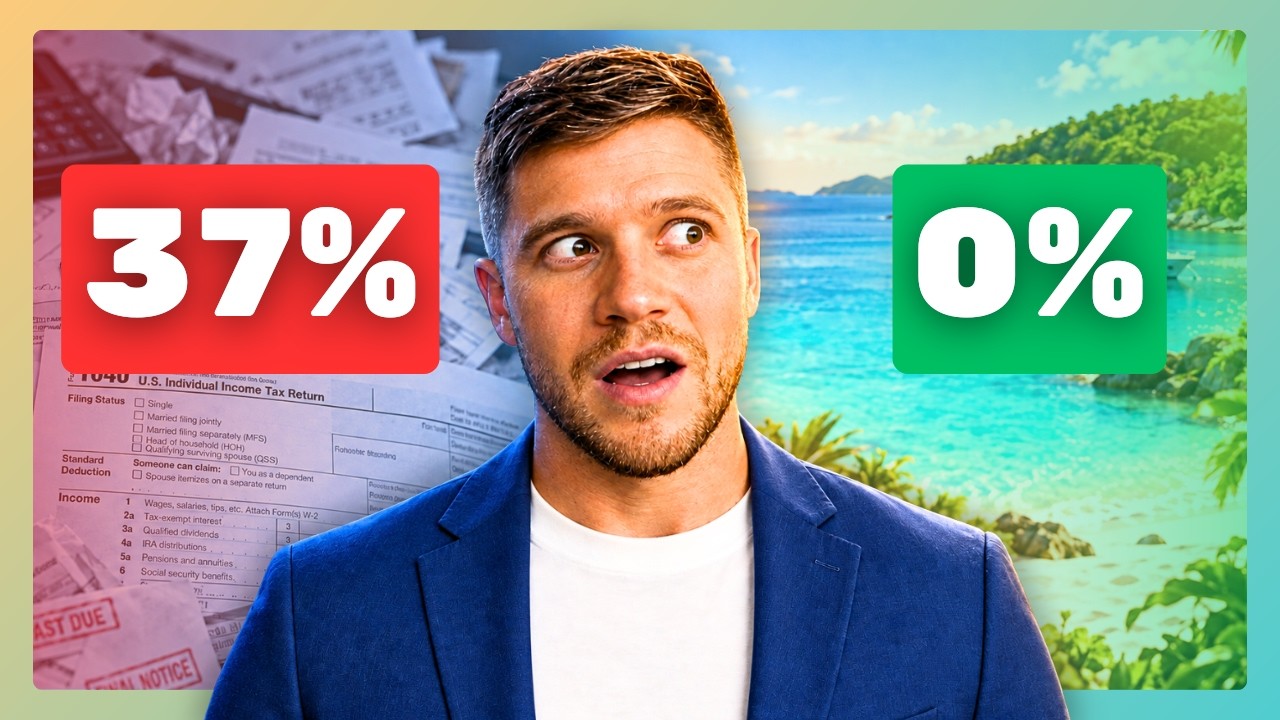
Now, while this isn't a huge deal for Americans as it is for other clients that we work with, there is a significant development here in 2026 that makes this program even more attractive. Turkey passed Law No. 7582, which exempts new Turkish tax residents from Turkish tax on foreign-source income for 20 years, longer than most European non-dom, lump-sum, and flat-tax regimes. 20 years. Now, it only applies if you relocate and become a true Turkish tax resident, which requires spending more than six months or 183 days a year in the country. So, if you invest in the country, get citizenship, and don't relocate to Turkey, incentive, student, nothing for you. That's okay. And of course, it never touches your US filing. If you're a green card resident or a US citizen, which most of you are, the United States taxes its citizens on worldwide income, regardless of how many passports or permits you have, or where you live. So even after a move to Istanbul and full qualification for that 20-year Turkish exemption, your US obligations remain unchanged. We plan this with US-licensed tax counsel and Turkish tax counsel together, because a foreign tax step that you map with only one side of that equation is a misstep.
Now, the gamble half, because I mentioned this in the outset. Two costs come with this program, and again, most content that you watch either on this platform or others buries these. The first is currency. That $400,000 property, or the multiple properties that add up to more than $400,000, are priced in lira locally. Your return at the end of the three-year ownership period depends on two forces that are completely outside of your control. One, Turkish property values at the time of sale, and two, the lira-to-dollar rate on the day you exit. So on the high end, you recovered your capital plus rental income if you choose to rent out your property, with citizenship thrown in for free. On the low end though, you took a meaningful haircut on principal. So of course, investors can lose money here. That's a given. And the lira is the reason. Asset selection for this reason is extremely critical, which is why we model the conservative case before anyone wires any dollars, or liras aren't involved in the process, but before you wire a single dollar, we can't promise appreciation, of course. In fact, no one can.
The second cost is the passport's weak access. It opens roughly 110 destinations visa-free or visa on arrival, and it's strong across Asia and Latin America including Singapore, Hong Kong, Japan, and South Korea. But if diversification and investments aligned outside of the West's economic and political reach are your goal, this may be your best shot when it comes to a direct citizenship by investment.
And hey, this is a good time to make you subscribe as well. If breakdowns like this are useful to you, hit that button and turn on notifications.
Now let's compare Turkey to its closest competition. St Kitts and Nevis on the high end and São Tomé and Príncipe on the budget end, with let's say European golden visas between them. With a donation slightly above $200,000, St Kitts hands you a stronger passport, around 150 to 155 visa-free destinations. Zero currency risk since the program is priced in US dollars. But that also doesn't really count because the donation is a sunk cost. If you're investing in real estate in St Kitts and Nevis, that is a different equation that I'll talk about in our video about all of the cheapest citizenship by investment programs in the world. There's a reason we don't always recommend that real estate route. And another factor here is family inclusion that reaches beyond parents and siblings, not just your spouse and children like in Turkey. The trade though of course is a donation, you never recover. And St Kitts isn't as ideal a relocation bid as Istanbul or other locations in Turkey depending on the person.
Now, São Tomé is the budget play here. A lower entry cost at just $95,000. Definitely a weaker passport, near 50 to 60 destinations. But no one is buying São Toméan citizenship for its travel value. Rather, it's an alternative citizenship to retain in your portfolio and a hedge against your Plan A, Plan B.
And the European golden visas people often weigh against this are drastically different, right? In Portugal, Greece, Italy, France, Malta, and Hungary, you're investing in the country for residency, not direct citizenship, and the right to reside in that country if you so choose.
Now, Turkey wins a narrower specific lane. For an investor who wants recoverable capital, a relocation option in the future, a hedge against the West, and a long-term tax base bundled into one program, Turkey is the strongest pick on that board.
So, who should move to Turkey? This is the Plan B question. If your Plan A is staying put in the US and you want insurance that lives outside of that western economic, political, and military system, Turkey is built for exactly that. There's also a middle path. You could take the citizenship now and relocate later. There's no relocation requirement, and the tax program on that note only switches on if you move to the country. On the other hand, the Turkish citizenship by investment program is wrong for the investor whose first priority is EU access, for example, and no currency risk. If that describes you, a European golden visa or a property-style residency like in Greece serves you better. And we would tell you so on the first call. We're jurisdiction agnostic, so we just want the best for you and your family and your goals. That's the Freedom Files doing its job.
Now, two ways to take the next step. If you're interested in this program or others, if Turkey is the program you want and you have direct questions about it or you want to get started, you can book a free 15-minute call with us on the website. Now, if you're comparing Turkey against other jurisdictions, other citizenships, or other programs entirely, and you don't yet know what fits your goals, you can book a Freedom Consult with us, which is a 60-minute working session where we talk through your goals, your preferences, your situation, your budget, and you leave with the right-fit jurisdictions and programs for you.
Now, I hope you liked that breakdown of Turkey's citizenship by investment program. If you enjoyed it, give it a thumbs up, subscribe, hit that notification bell, and we'll talk to you in the next one.