In this video, I'm ranking the seven cheapest citizenships you can buy in 2026, how each one works, and whether it fits your situation. The cheapest one on Earth costs less than a nice new vehicle, and you've probably never heard of the jurisdiction, which I candidly think is an advantage. Let's get into it.
A cheap second passport is not a discount for people short on cash. For someone with options, it's the lowest-cost way to plant a second flag before you need it. Plan A remains your home, while this is your Plan B, your Plan C, in some cases owned outright. One thing a lot of YouTubers and blogs will skip past is that if you have a US passport, none of these programs will change your tax bill in the United States. What you're buying here is another option and a way out, not a way around the IRS or any tax obligations there.
And one more note on how I'm ranking these. You'll notice this is not by sticker price. I'm ranking by what the passport truly costs once you account for money you get back in the form of asset investments and money you never see again in the form of donations and sometimes currency devaluation overseas. That is why this order may surprise you. So as we go down this list, ask yourself, is this the one for me? And let us know in the comments which programs really grab your attention.
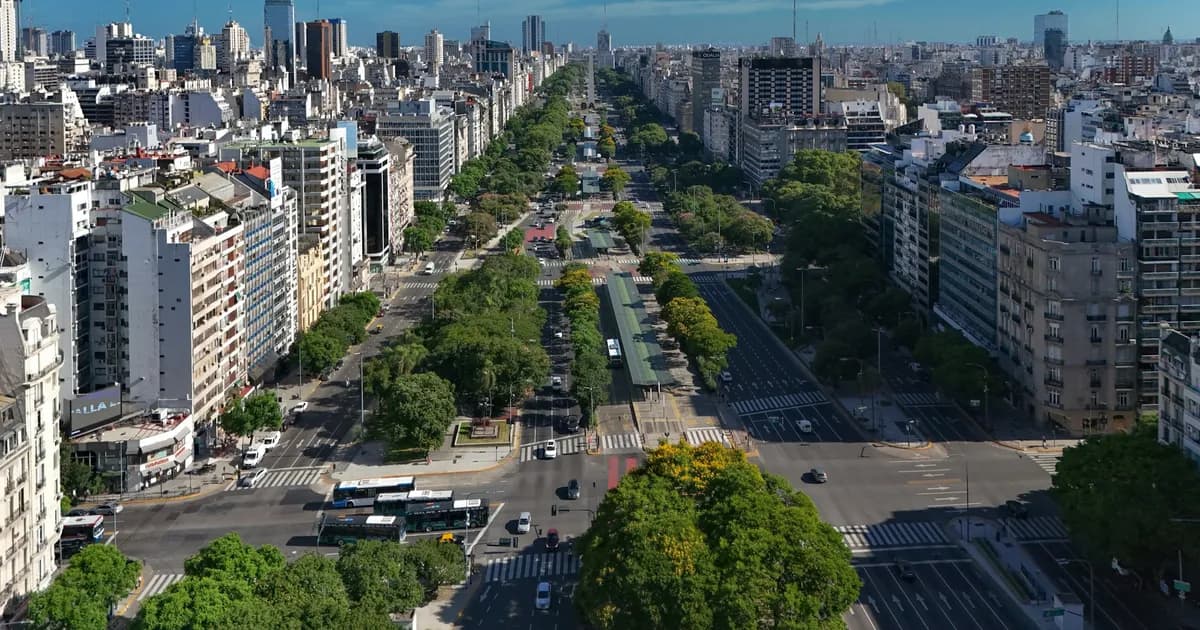
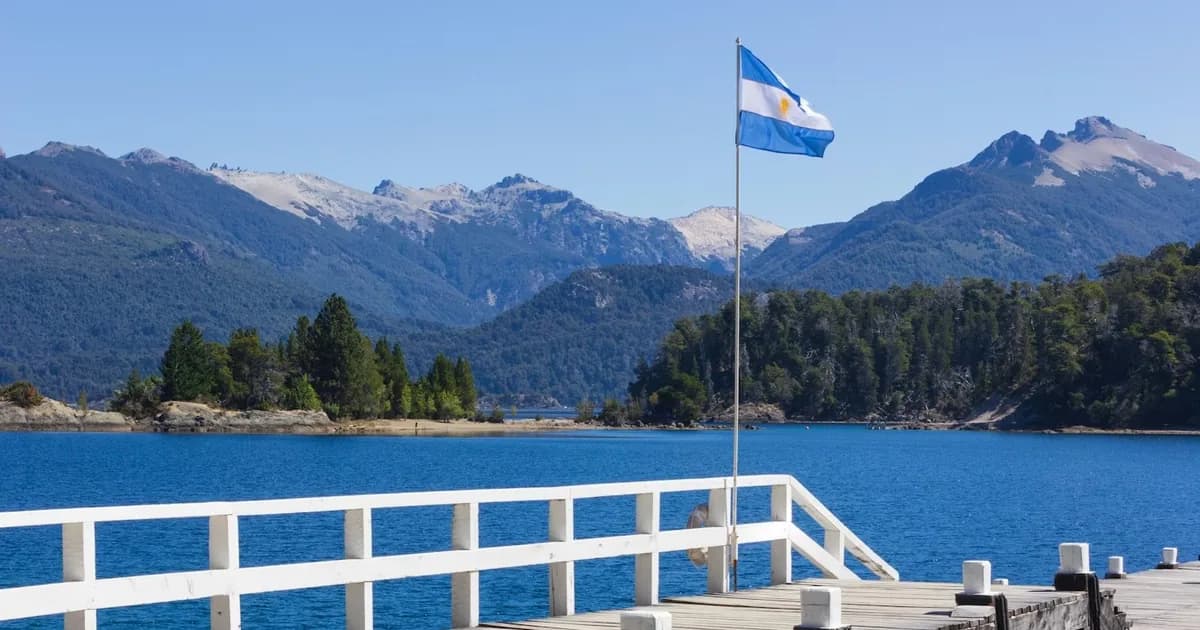
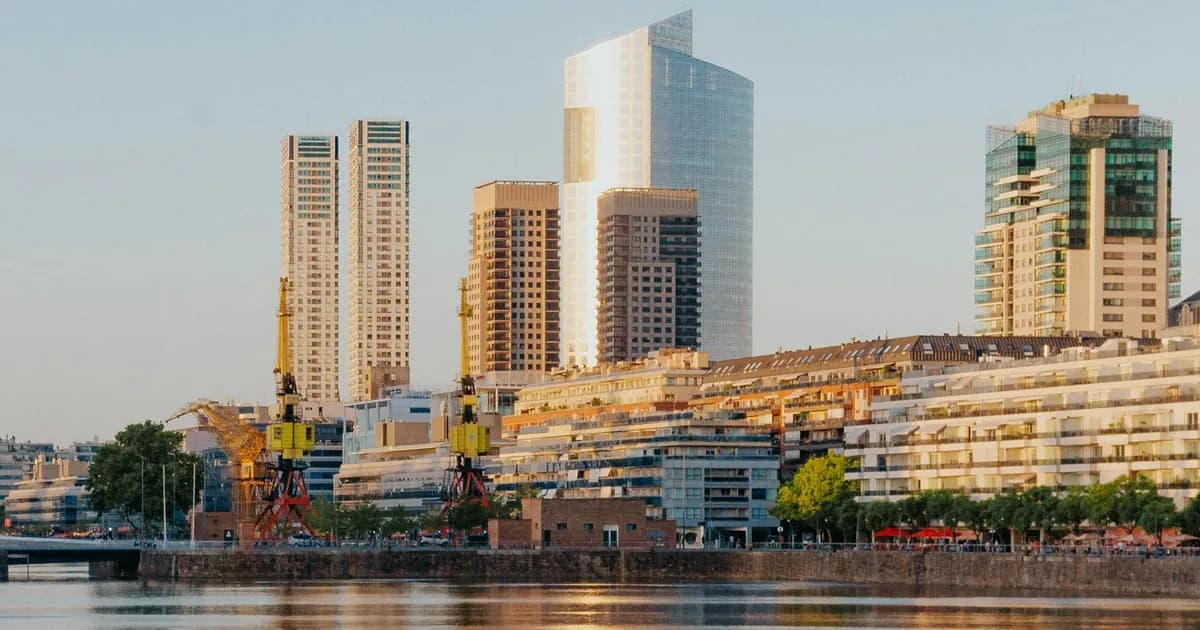
Now, before the countdown, one program that deserves an honorable mention because it could be the strongest passport ever sold this way is Argentina. Under a decree that President Milei signed in 2025, Argentina is building South America's first real route to citizenship through investment since the 1990s with no need to relocate to Argentina, although it is a tremendously beautiful country and offers an exceptional lifestyle. The expected price is probably around $500,000, though unconfirmed. And the likely routes are a straight donation, unrecoverable, or a refundable government bond at a much higher threshold. The draw is the passport itself, well, and the fact that it's a livable location, but visa-free access to more than 170 places including Europe, plus settlement rights across South America through the Mercosur bloc that lets you request residency in any other member country just with your passport. A full opening is now expected in late 2026 or early 2027. So put that on your watch list.
Now the seven you can act on today with the Freedom Files, starting with the most expensive.
Number seven is not one country. It is in fact five countries. The Caribbean programs from Antigua and Barbuda, Dominica, Grenada, St Kitts and Nevis, and St Lucia. These are the strongest passports when it comes to visa-free travel on this list. And here are the numbers. A donation floor slightly above $200,000 regardless of the program, Dominica at the bottom, St Kitts near the top around $250,000. All of these countries also offer a real estate route starting at above $230,000, plus a government bond program starting from $300,000 in St Lucia. Generous family inclusion across the board, processing in about 4 to 12 months depending on the jurisdiction and typically in the middle of that timeline.
Now the donation here is a sunk cost, right? Gone the moment you send it. The real estate route looks like a way to retain your money, but you have to read the fine print on how this works. You can only buy into government-approved projects, usually at a premium. And when you sell, you often have to sell to the next citizenship applicant, not on the open market. That makes it slow to exit and hard to sell at a fair price. So the Caribbean's headline number, the donation, is low. But the true cost can climb much higher. That is exactly why the next program with double the sticker price ranks cheaper, in my opinion.
Number six is Turkey. And yes, it costs $400,000 while the Caribbean starts at about $200,000. So why do I rank it cheaper? It's because your investment could potentially yield returns and appreciate over time. Here's how it works. You buy at least $400,000 of Turkish property, or multiple properties that add up to $400,000, and you own it for three years. This is open-market real estate that you own outright, not a locked government-approved project. After three years you can sell to anyone, recover your capital, and retain any gain and rent along the way. The Caribbean takes your money for good. Turkey lends it to the deal and potentially gives it back when you sell. On a true cost basis, that flips the ranking between those two jurisdictions. So $400,000 in open-market property owned for three years. Other routes also include $500,000 in a bank deposit, government bonds, or a fund, but again with substantial currency risk. And it's also fast, the whole process can be done in under six months. The risk here is the lira. The Turkish currency has lost most of its value over the past few years, so if your property's value does not match pace, your recovery shrinks in dollar terms. A Turkish passport can pay for itself, but only if you buy the real estate like the investment it is.
Number five is Egypt. And candidly, I would skip it for most people. Let me show you why. Because on paper it reads fine. A $250,000 donation to the Treasury plus a $10,000 fee, none of it refundable. There's also a bank deposit route which lets you place $500,000 in the country and get it back after three years, though the refund comes in Egyptian pounds, which is again its own gamble. No residency requirement and of course dual citizenship is allowed. Approval in 6 to 12 months, so let's just say plan on a year. Now here's my problem with Egypt. The donation is gone the second it lands, right? Just like the Caribbean. And the passport is substantially weaker than the Caribbean programs at just about 50 destinations worldwide and no European access. You are paying a quarter million dollars, never seeing it again, for a passport that opens fewer doors than the Caribbean does. Additionally, I rarely see people in this program relocate to Egypt. So unless you have business interests there or in Africa, or a good reason to scout it, in most cases Americans are skipping this program.
And by the way, if breakdowns like this are useful to you, this is a good time to make you subscribe and hit that notification bell. We cover programs like this candidly and thoroughly.
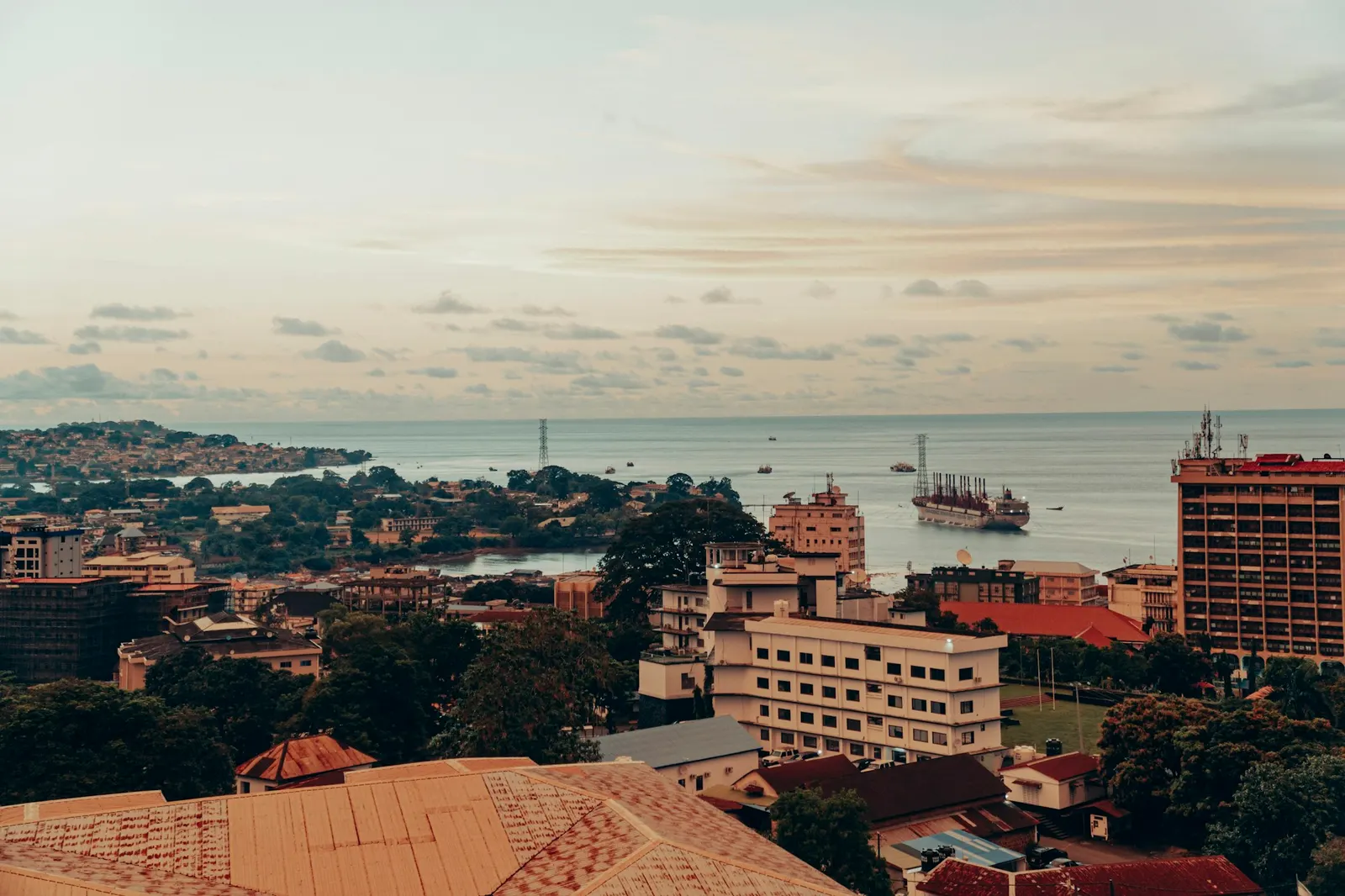
Number four is Sierra Leone in Africa, the newest face on this list apart from number one, which we'll get to in a few minutes. And this program is called Go For Gold. $140,000 all in for fast-track citizenship, fees and due diligence included. A heritage route at $100,000 for people who can prove African ancestry with a DNA test. About 90 days to a passport, fully remote, no visit required. And $10,000 per dependent, so families scale pretty cheaply. And also in a unique twist, you can add a business partner or co-investor for $30,000, no other program allows for this. So what makes this interesting? Sierra Leone is a member of ECOWAS, the Economic Community of West African States, which gives citizens of Sierra Leone, and of the other countries, the right to live and work across 15 West African countries including Ghana, Nigeria, and Côte d'Ivoire. So if a foothold in West Africa or a reconnection to African roots is your goal, this is a fast, cheap, direct route, especially if you're applying with a business partner. If you want global accessibility though, a true Plan A or a path into Europe, you're going to have to look higher up this list. Different goals, different tools of course.
And one note here, the hardest part of all this is not the money. It's knowing which of these programs fits your goals and preferences best, your tax exposure, your budget, your family situation. If you're weighing several of these countries or programs, that's what we designed the Freedom Consult for. It's a 60-minute working session where we go through your budget, your goals, your preferences, and family situation to recommend certain programs and certain jurisdictions that fit those goals and preferences. You can schedule a call at the link below.
Now, number three is Vanuatu, the fastest citizenship program anywhere. Here's how the numbers work in Vanuatu. $130,000 for one applicant under the Development Support Program, closer to $140,000 with fees, and about $180,000 for a family of four. You have to prove at least $250,000 in net assets, and you get it approved in as little as 30 to 60 days. Also, Vanuatu offers no local income tax if you ever choose to relocate to the Pacific island country. So for a few years, this was close to a no-brainer for a lot of people. Then in December 2024, the European Union permanently cut Vanuatu's visa-free access to Europe. But the passport opens a lot of jurisdictions in Asia, in the Middle East, and parts of the Americas, most of which you probably already have access to. So plenty of investors who want both speed and Europe pair Vanuatu with a separate European residency or golden visa program. On its own, it's the quickest passport you can buy.
Number two is Nauru, the smallest island nation in the world out in the Pacific with direct flights from Australia. Here are the numbers for Nauru. A base donation of about $115,000, but they currently have a promotional rate of $90,000 currently open. You get approved in three to four months, closer to the back end of that spectrum, and you have citizenship. Nauru calls this its Economic and Climate Resilience Citizenship program, where the money pays for the country's defense against rising seas because Nauru is one of the most climate-exposed places on Earth. That's about as much as I have to say about Nauru.
Now for number one, the cheapest citizenship-by-investment program on Earth, in São Tomé and Príncipe, a dual-island nation off the west coast of central Africa. And yes, this is the one that probably most Americans need a map for. The program requires the following. $90,000 donation to the country, a $5,000 processing fee, so about $95,000 all-in. Again, less than a nice new vehicle, a nice new truck in your garage. A family of four lands near the same total with $5,000 per extra dependent. So this is a tremendous family deal if you have that nuclear family. Passports you get in about 2 to 4 months, handled from a private-public partnership unit in Dubai. And of course, the Freedom Files. The program opened in 2025 and issued its first passport early here in 2026. So it's young, it's lightly tested, but it is moving. The passport is weak with visa-free or visa-on-arrival access to about 61 places including Singapore and Hong Kong, but no United Kingdom, no Europe. So who pays $95,000 for a weak passport? People who want the door it opens. São Tomé belongs to the CPLP, the Community of Portuguese-Speaking Countries worldwide, that includes Portugal and Brazil among its members. And membership in that CPLP opens a preferential road toward residency in both. You're buying a foot in the door in the Portuguese-speaking world and an alternative citizenship, not necessarily a relocation option for now.
So where does that leave us? What grabbed your attention out of all these eight programs, counting Argentina? If you can wait, by the way, Argentina may be worth it. It's definitely the strongest passport on this list and perhaps the most livable as well. The expensive mistake here is buying on price alone. That's also why I mixed up the order. The cheapest passport that does not do what you needed becomes a very costly one.
If you're weighing several programs and want our opinion, you can book a Freedom Consult, which is a 60-minute working session to work through your goals and explore multiple jurisdictions and programs while we're at it. If you already know your target and you just want to start, you can grab a 15-minute call with us instead. Both links are below in the description.
Now, to go deeper on the one that many Americans land on that we mentioned earlier, watch my full breakdown of the Turkish citizenship-by-investment program. It's up on your screen wherever in the corner here. Talk to you soon.