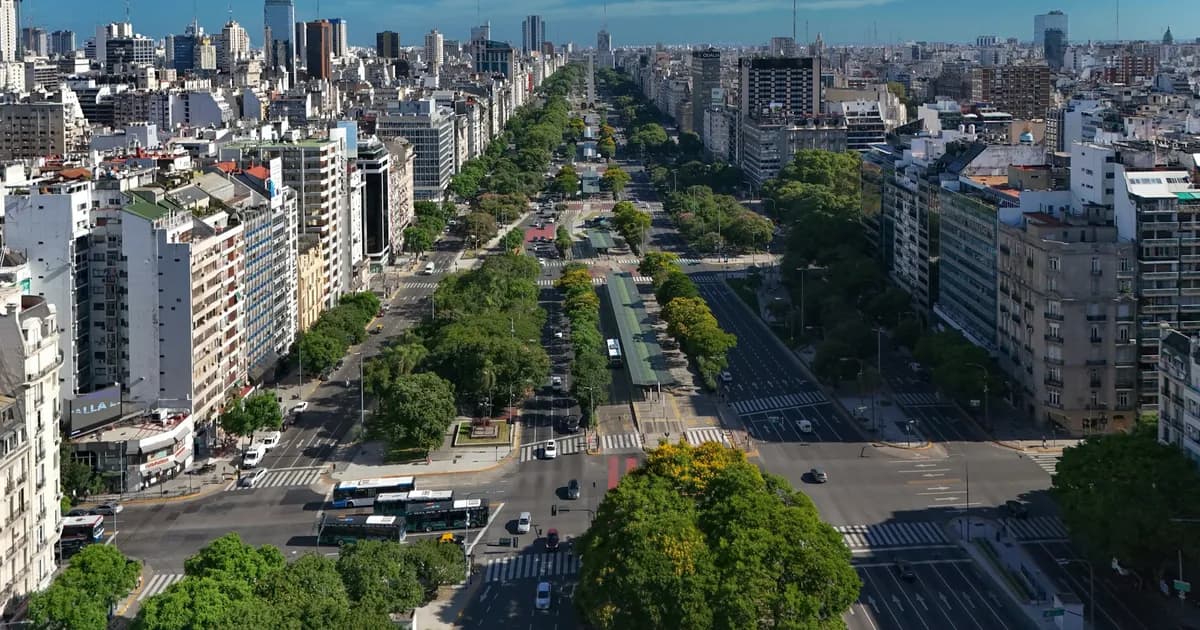
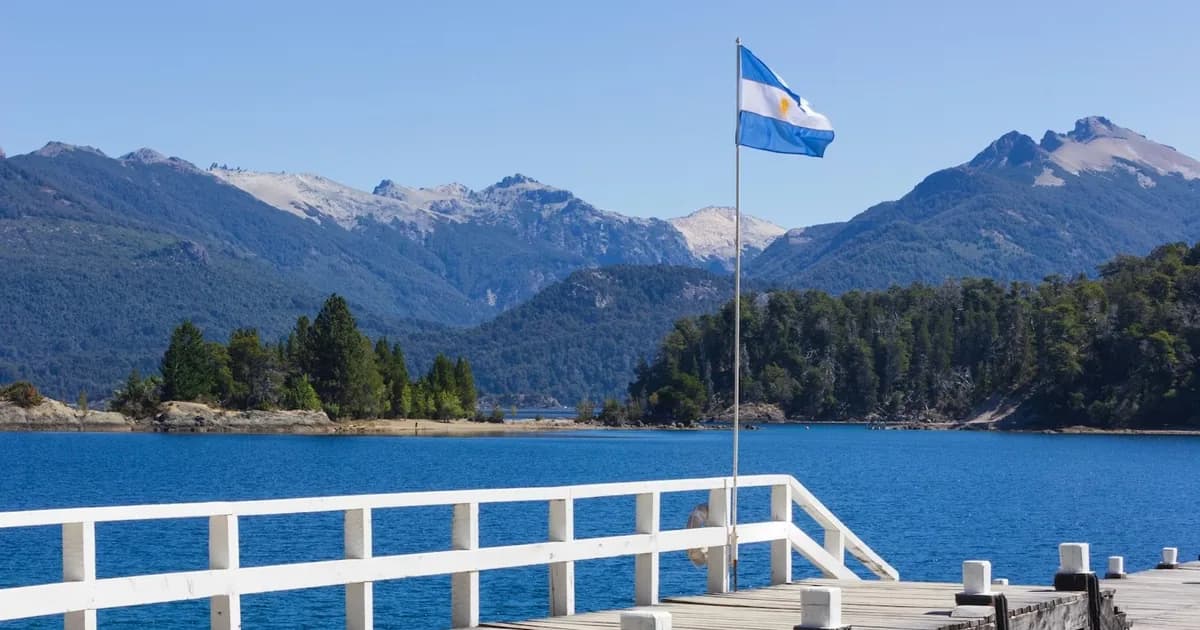
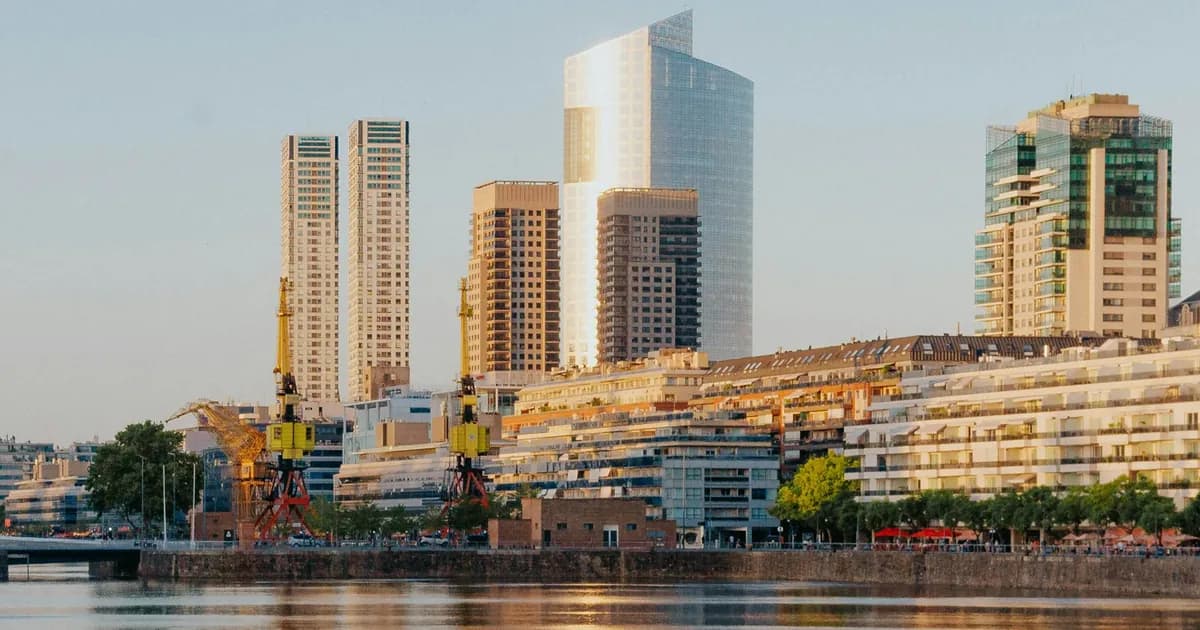
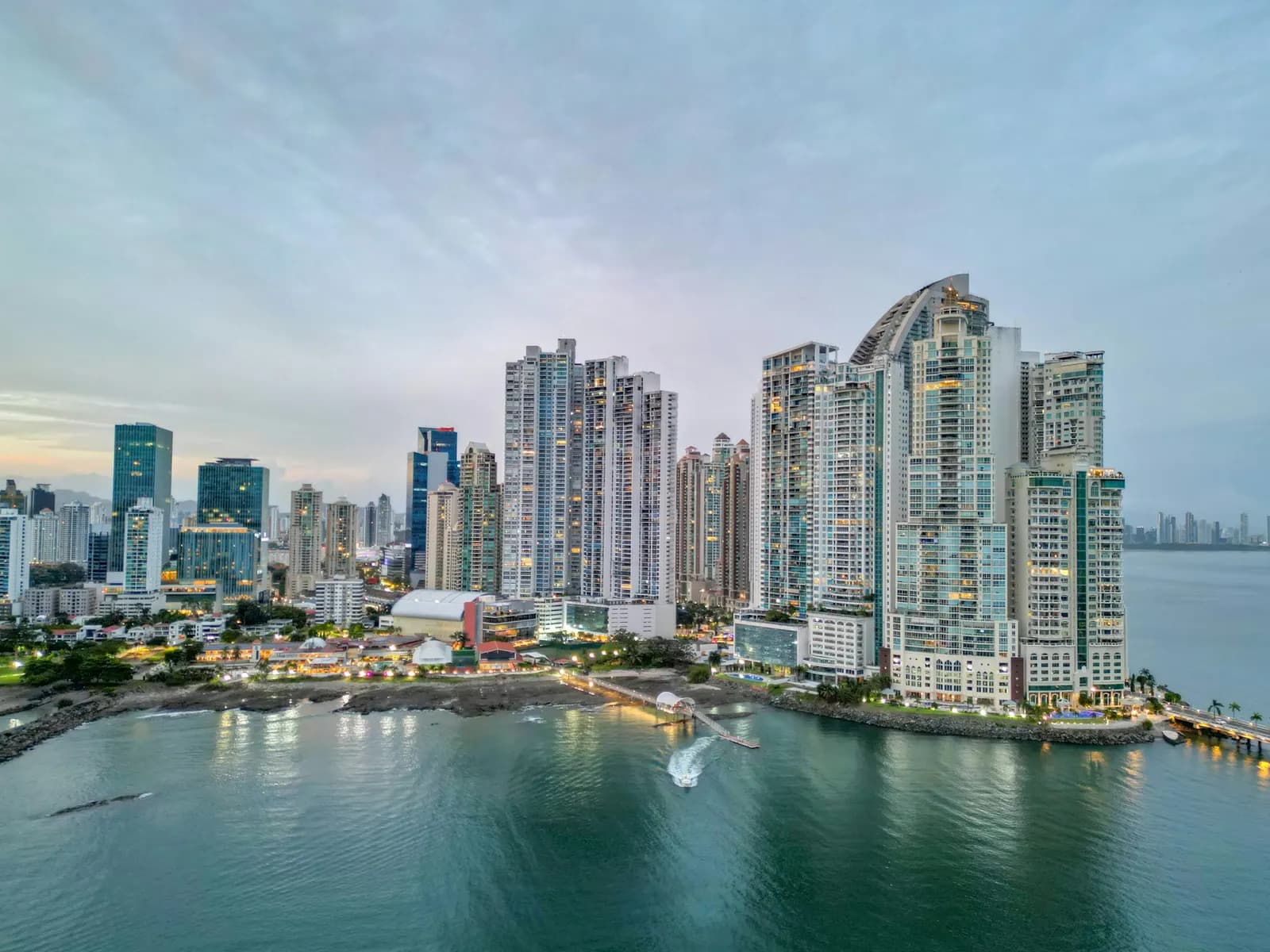
$150,000 can't buy you a garage in California, but it can buy a luxury beachfront home in Americans are subtly pulling their money out of the US and investing in emerging economies. In this video, I'll show you five countries where you can buy a home and get a second citizenship and five bonus countries with even bigger benefits toward the end. Starting with number five, Brazil. The country that inspired this list in the first place. Last year, I wrote an article breaking down five countries where real estate investments don't just get you a property, they get you residency and sometimes even a passport. But since then, more countries have sweetened the deal. And I realized this list needed an upgrade. So, we're starting with the original five. Number five, Brazil. With one of the strongest passports in Latin America, Brazil has real geopolitical weight. And Brazil's pathway is surprisingly affordable. Here's how it works. There are a few routes, but the most popular real estate based option is this. Invest $125,000 in property in the north or northeast of the country, places like Fortalisa, Refe or Pesau, or $185,000 in more developed regions like Rio or Sa Paulo. To maintain your permanent residency, you just have to spend 30 days per year in the country. But if you want Brazilian citizenship, you have to spend six months in the country for four years. But not such a bad thing if you've ever been to Florianopoulos. If you buy a property for more than $200,000, you're eligible for citizenship after just 3 years of residency, not four. Now, let's talk property. Brazilian property prices are wildly undervalued by international standards. In Rio or the mega city of Sa Paulo, expect 25 to $3500 per square meter. But in rural areas or in rising cities like Fortalesa, you're looking at $1,500 per square meter or even less. Just bear in mind the bureaucracy is well, it's Brazil, so bring patience and some help from the Freedom Files to get you through the process with your sanity. Next up, a country where your $100,000 investment doesn't just get you residency, it could get your entire family a 5-year visa. Let's head to number four, Cambodia. Cambodia doesn't get much attention in the investment migration world, but maybe it should. Through the My Second Home program, you can get long-term residency for yourself and your entire family by investing just $100,000 in Cambodian real estate or a local business. Residency is valid for 5 years and renewable. You don't even need to live there. If you want to skip the wait for citizenship, a donation of $250,000 or property purchase of $310,000 gets you a second passport directly. Now, the Cambodian passport isn't going to wow you. It has visa-free access to just 54 countries, but it can be useful if you plan to do business locally or live in the country. As for real estate, Cambodia is early on the adoption curve. In Nenen, prices average less than $2,000 per square meter. In Samri, even less and the tourist interest has picked back up after co. There's no restriction on foreign ownership of condos and growth can be steady. From what I'm hearing on the ground, just avoid retail real estate. Over supply and high vacancy rates are really dragging that sector down. Next up, a small country with possibly the highest rental yields on this list. Number three, Georgia. Georgia, yes, the tiny former Soviet Republic at the edge of Europe and Asia, not the American state, has subtly become one of the world's most underrated places to invest in property. Invest $100,000 in real estate here, and you qualify for temporary residency that's renewable as long as you retain the property. No physical presence is required for that temporary residency. But if you want permanent residency, you'll need to spend 9 months a year in the country for 5 years. Then you can qualify for citizenship after five more years of permanent residency. Now, let's talk numbers. Uli real estate averages about $1,100 per square meter, and this has shot up since 2020. The secret is out. Yields are crazy high. 13 or more% gross rental yields thanks in part to the Russian expat influx and Georgia's rising digital nomad appeal. Foreigners can buy real estate in their own name. No legal gymnastics required. And regarding taxes, Georgia is one of the most tax friendly countries on this list. By the way, if any of these jurisdictions catches your eye and you want help navigating your options abroad, our freedom consult is literally dope for this. You'll find the link below. Now to one of the cheapest, fastest paths to citizenship in the world. Number two, Nicaragua. Sure, this country may currently be led by a communist totalitarian, or you may never even have heard of Nicaragua. But before you judge this place, know that one, it doesn't tax any foreign source income, and two, I personally have a few friends who live here and absolutely swear by it. I'm due for a trip to, you guessed it, Nicaragua. Invest just $30,000 in real estate, a business, or even a forestry project in Nicaragua, and you can qualify for immediate permanent residency. Then you can qualify for a second citizenship in just 2 years. The passport, better than you'd think of a communist dictatorship. Visa free access to 126 countries, including the EU. That's far better than Ecuador or Biza's passports. Now for the real estate, Managua, the capital, averages around $750 per square meter. Granada, which is a favorite among expats, comes in even lower at around $550 per square meter. Nicaragua checks a lot of boxes. Low cost of living, warm weather, tropical climate, territorial taxation, and relatively little bureaucracy. Physical presence isn't strictly enforced, but the Freedom Files typically recommends spending at least a month per year to stay compliant. Okay, last of the first five destinations. While I'm not a huge fan of this expat favorite, this jurisdiction offers a lot. Palm trees, wild biodiversity, private healthcare, and permanent residence for anyone with $150,000. Number one, Costa Rica, the expat darling of Central America. Personally, I think Costa Rica is a little overhyped. The bureaucracy is quite slow. The culture is not as vibrant as its neighboring countries, and it's one of the most costly countries in Latin America, regardless of whether you're in the city, on the beach, or in the jungle. But that doesn't mean it's not a solid option for you. Costa Rica has a territorial tax system. It's one of the safest countries in Latin America, and it has a few attractive residency routes I'll explain in a second. Invest $150,000 in Costa Rican real estate and you qualify for the investor visa which leads to permanent residency after three years and citizenship after 7. Or you can get a Pensionado visa and residency just by showing $1,000 a month in retirement income. Just know you'll need to spend at least 180 days per year in the country to preserve your residency active and qualify for citizenship. Now, for the real estate, San Jose, the capital, averages around $1,500 per square meter, but most Freedom Files clients invest outside of the city as it's not what you'd really imagine of Costa Rica lifestyle. But housing prices in Costa Rica, especially in Guanacaste, are shooting up as a direct result of so many foreigners moving here. In fact, housing prices rose 12% in 2022 with another 6 to 8% bump forecasted in 2025. Property taxes are low, just 0.25% annually, and you can own real estate outright as a foreigner. That's not the case everywhere. Healthcare is private, affordable, and highquality. The biodiversity is insane, and the Puravida lifestyle is real, but Costa Rica is not a bargain bin anymore. It's stable, yes, but also getting expensive quickly. If you're interested in retiring or investing in Costa Rica, the Freedom Files can help. Check out our free guide below which contains tax info, immigration paths, and FAQs. Now, let's rapid fire through five bonus destinations where the real estate buyin is greater, but so are the benefits. Starting with a country where a simple $400,000 real estate investment gets you direct citizenship, Turkey. $400,000 in real estate gets you a second passport in Turkey in 6 to 8 months. Simple enough, right? That's dual citizenship without any language exam, boots on the ground residency or waiting period. The Turkish passport gives you visa-free access to 110 115 countries, though not the US or the EU. But even so, it's useful for mobility within the Middle East and diversification. How, you might ask? If you want to diversify your life and investments geopolitically, not just geographically, Turkey is a wise play with a growing economy and political role on the global stage. Istanbul property is surging but affordable by international standards. You must own the property for 3 years, but unlike similar programs that restrict property purchases to just government approved land or projects, your real estate acquisition in Turkey can be almost anything. and the Freedom Files can help you avoid mistakes. All right, Greece. Greece has a really attractive golden visa program that's grown in appeal significantly the last couple of years. To qualify for residency, you must purchase either €250,000 of property that you'll renovate or convert from commercial to residential or €400,000 of residential property in low density areas. If you really want to shell out, you can spend €800,000 on property in major Greek cities and or popular tourist areas like Nikkos. You're not required to do so while you maintain your visa. But if you plan to live in Greece, you can also apply for the 7% flat tax on foreign retirement income we covered in the video that just popped up in the top right corner of your screen. Greet citizenship is a long shot, but it is possible. In our next bonus country, where I personally invested a few years ago, you can qualify for citizenship with fewer barriers, but an even longer timeline. Colombia. Colombia is seriously undervalued. While they eliminated their direct permanent residency by investment program, about $100,000 in real estate, now qualifies you for the temporary residency investor visa and citizenship in 10 years. Menagene, where I bought my base, is a hot pick among nomads, retirees, and expats alike. Really affordable property, high 10% rental yields, and a growing reputation on the global stage. If you're curious about Colombia, check out the video linked in the top right. We covered everything you need to know about how to live here full-time. Next up, another Latin American country close to home with dollar-based banking, territorial tax, one of the most retiree friendly visa systems in the world. Can you guess it? Panama. Panama checks nearly every box. Territorial tax, US dollar economy, modern infrastructure, and easy residency. With a friendly nations visa, you can get permanent residency by either buying $200,000 of real estate or opening a local company and employing yourself. Healthcare is excellent and affordable, and you'll find huge and growing expat communities in places like Panama City or Bokeete. Now, finally, let's wrap up with a surprise entry to the list and home to one of the best retirement tax deals in all of Europe. Italy's investor visa gets you residency when you invest €250,000 in an Italian startup or €500,000 in funds. You don't need to live there full-time and it's renewable every 2 years. But the real draw is Italy's flat tax regime for foreign retirees. You move to a qualifying small town in the charming south and your for retirement and passive income are taxed at just 7% for 10 years and that's renewable. If any of these 10 countries jumps out at you and you think retiring there would fulfill your dreams, the Freedom Files can help. Take the Plan B Blueprint at freedomfiles.co/begin to find the residency or citizenship program and destination that fit your situation and goals. or stay right here and watch this video on how Americans can reduce their taxes with the help of this little known hack for expats. Enjoy. [Music]